

Living in County Cork means a busy, friendly city, a coastline of harbours and headlands, and the most space of any county in Ireland. About 584,000 people live there, and around 224,000 of them are in and around Cork city. If you want the choice between city life and quiet village roads, Cork is one of the best counties to settle in.
This guide looks at daily life in Cork. It covers the city, the towns and the wild coast of West Cork. It is about the place, not the paperwork. For anything official, start with Discover Ireland. Planning a visit first? Our Ireland trip planning hub is the best place to begin.
Why living in County Cork appeals to so many people
Cork covers about 7,500 square kilometres in the south-west. That makes it the largest county in Ireland by a wide margin. Its people proudly call it the Rebel County. The pace changes as you travel. Cork city is lively and full of students, while the western peninsulas are quiet and wild.
People who move here often mention the same things. The food is excellent. The coast is close wherever you live. Locals are chatty and welcoming. The trade-off is distance, because the county is big and some villages are far from the city.
- Food: Markets, farm produce and fresh seafood are part of everyday life.
- Coast: Harbours, beaches and sea cliffs sit within a short drive.
- Choice: You can pick a city street, a market town or an island view.
- Community: Sports clubs, music nights and festivals welcome newcomers.
Cork city: Ireland’s second city
Cork city sits on an island in the River Lee and is compact enough to walk. The Cork City Council site is a good guide to local services and events. The English Market has traded since 1788 and is the heart of the city’s food scene. Locals buy fish, spiced beef and fresh bread there every week.
The city has theatres, cafés, a busy live music scene and a university. Cork Airport is only a few kilometres from the centre, and you can check routes on the Cork Airport website. Many people find city life here easier and friendlier than in Dublin.
If you love food, read our piece on Cork spiced beef and the English Market.
☘️ Enjoying this? 64,000+ Ireland lovers get stories like this every week. Subscribe free →
Kinsale, Cobh and Clonakilty: the towns worth knowing
Cork has a string of towns, and each has its own feel. Here are some that come up again and again.
- Kinsale: A colourful harbour town known for its restaurants, about 25 km from Cork city.
- Cobh: A hillside port town with a grand cathedral and a strong emigration story.
- Clonakilty: A lively West Cork market town with pubs, music and good food.
- Bantry: A harbour town at the head of Bantry Bay, with a Saturday market.
- Midleton: A food town in East Cork, close to the coast and the city.
Visit Kinsale in the shoulder seasons if you want a quieter look at harbour life. Our guide to Clonakilty black pudding shows how food shapes the local story.
West Cork and the wild Atlantic coast
West Cork is where many dreamers want to live. The peninsulas of Mizen, Sheep’s Head and Beara run out into the Atlantic, and the roads are narrow and scenic. Villages are small, and a car is essential. Winter can be wet and windy, and some places feel remote when the visitors leave.
Near the city you will find Blarney Castle and its gardens, a popular day out for locals and visitors alike. Check opening times on the official site before you go.
- Mizen Head: The most south-westerly point of mainland Ireland.
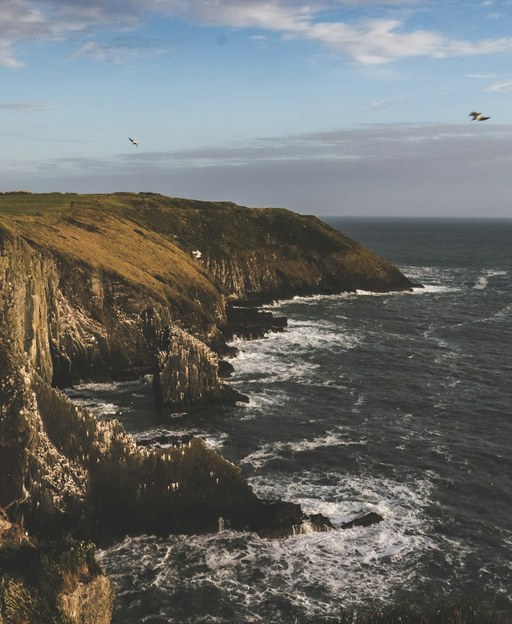
- Old Head of Kinsale: Tall sea cliffs with wide Atlantic views.
- Bantry Bay: A sheltered bay with mountains behind it.
Daily life, getting around and the seasons
A car is very helpful in most of the county. Cork city has bus routes and a suburban rail line, and Irish Rail runs the intercity service to Dublin. West Cork has fewer buses, so most residents drive.
Spring brings long evenings and fresh green fields. Summer fills the coast with visitors. Autumn is the season for food festivals and golden light on the harbours. Winter is quieter and wetter, and the Atlantic coast can feel wild.
- Pace: Busy in the city, slow in the villages.
- Weather: Mild and often damp, with plenty of soft Atlantic rain.
- Walking: Coastal paths, forest trails and harbour walks all year.
- Day trips: Kerry, Waterford and Limerick are each within about two hours.
If Cork sparks your interest in nearby counties, read our guides to living in County Kerry, living in County Waterford and living in County Limerick.
Is County Cork the right place for you?
Cork suits people who want food, coastline and a real city within reach. It may feel remote if you pick a far west village, and the weather is often grey. A good way to test it is to stay for a week in different seasons. Spend a few days in the city, then rent a cottage on a West Cork peninsula.
To compare Cork with other parts of the country, start with our guide to where to live in Ireland and our Ireland road trip itinerary. For the big picture, read our full Move to Ireland guide.
Frequently asked questions
How far is Cork from Dublin?
Cork city is about 260 km from Dublin. The train takes around two and a half hours, and the drive is similar on the M7 and M8.
Is County Cork a good place to live?
Many people say yes. It offers a lively city, a long coastline and farming country, but it is Ireland’s largest county, so a car helps outside Cork city.
What is the best time of year to visit County Cork?
May to September gives the longest days and the best chance of dry weather on the west coast. Autumn is quieter and the food markets are at their best.
Is County Cork worth visiting before you move?
Yes. A week split between Cork city and West Cork shows you the two very different sides of the county.
☘️ Join 64,000+ Ireland Lovers
Every weekday morning, get Ireland’s lesser-known corners, local stories and secrets, straight to your inbox.
Subscribe free — enter your email:
Free forever · Unsubscribe anytime
Secure Your Dream Irish Experience Before It’s Gone!
Planning a trip to Ireland? Don’t let sold-out tours or packed attractions spoil your journey. Iconic experiences like visiting the Cliffs of Moher, exploring the Rock of Cashel, or enjoying a guided walk through Ireland’s ancient past often sell out quickly—especially during peak travel seasons.

Booking in advance guarantees your place and ensures you can fully immerse yourself in the rich culture and breathtaking scenery without stress or disappointment. You’ll also free up time to explore Ireland’s hidden gems and savour those authentic moments that make your trip truly special.
Make the most of your journey—start planning today and secure those must-do experiences before they’re gone!