

Living in County Kilkenny means a medieval city on the River Nore, gentle farmland and some of the best-kept heritage in Ireland. About 104,000 people live in the county, and roughly 27,000 of them live in Kilkenny City. If you want a place with history, craft, good food and a friendly pace, Kilkenny is one of the most rewarding counties to settle in.
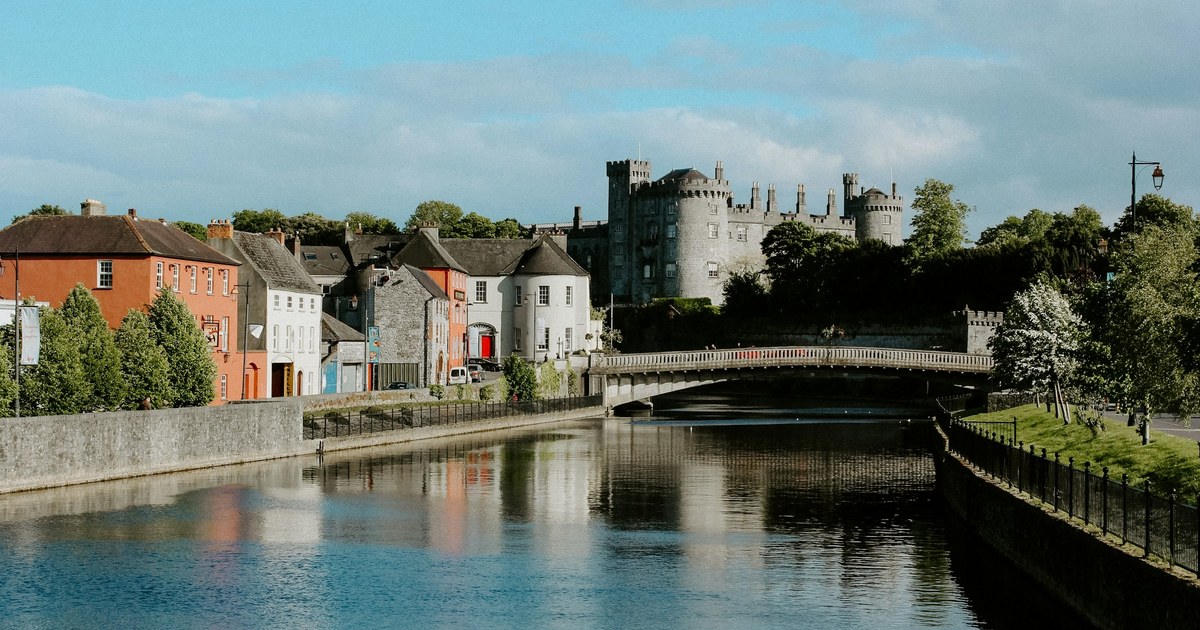
This guide looks at daily life in Kilkenny. It covers the city, the river villages and the countryside around them. It is about the place, not the paperwork. For anything official, start with Kilkenny County Council or Discover Ireland. Planning a visit first? Our Ireland trip planning hub is the best place to begin.
Why living in County Kilkenny appeals to so many people
Kilkenny sits in the south-east, about 115 km from Dublin. The M9 motorway links the two, and the drive takes around an hour and a half. The county is mostly rolling farmland, with the Nore and the Barrow rivers running through it. Woods, hills and old stone bridges are never far away.
People who move here often mention the same things. The city is small enough to walk across in minutes. Craft shops and galleries sit beside traditional pubs. The countryside is quiet, and the neighbours tend to look out for each other. The trade-off is that Kilkenny has fewer big-city jobs and shops, so many people travel for those.
- Heritage: Medieval lanes, a castle and a cathedral all sit within a few minutes of each other.
- Craft and design: The city has long been known for makers, potters and designers.
- Landscape: Quiet river valleys and woodland walks lie close to every town.
- Community: Festivals, clubs and markets make it easy to meet people.
Kilkenny City: the heart of the county
Kilkenny City is often called the Marble City, after its dark local limestone. The old centre follows the “Medieval Mile”, a route that runs from the castle at one end to the cathedral at the other. Narrow lanes, called slips, cut between the main streets and make the centre feel like a village inside a city.
Kilkenny Castle dominates the south end of town. The Butler family owned it for almost 600 years, and the parkland behind it is a favourite spot for a lunchtime walk. At the other end, St Canice’s Cathedral has a round tower about 30 metres tall that visitors can climb for views over the rooftops.
The city is easy to live in without a car. Shops, cafés, the train station and the river path are all close together. Rents and house prices are higher in the centre than in the rest of the county, so some people choose a nearby village instead.
Summer brings the biggest crowds. The Kilkenny Arts Festival fills the city with music, theatre and talks every August. Book early if you plan to visit then.
☘️ Enjoying this? 64,000+ Ireland lovers get stories like this every week. Subscribe free →
Towns and villages worth knowing
Many people prefer a smaller place with the city close by. Here are some places that come up again and again.
- Thomastown: A riverside town on the Nore with craft studios and a strong arts community.
- Inistioge: A tiny village with a stone bridge, a leafy green and walks along the river.
- Graiguenamanagh: A quiet town on the River Barrow, built around a large medieval abbey.
- Callan: A historic market town south-west of the city, with good road links.
- Castlecomer: A town in the north of the county, close to woodland trails.
Outdoor lovers will enjoy Castlecomer Discovery Park, which has woodland walks and a tree-top trail. History fans can visit Jerpoint Abbey, a Cistercian ruin from the 12th century with carved stone figures in its cloister. Dunmore Cave lies a short drive north of the city. Check each site’s opening times before you go.
Daily life, food and getting around
Kilkenny has a lively food scene for its size. Farmers’ markets, bakeries and small restaurants use local produce. Pubs host traditional music sessions most weeks, and the mood is relaxed rather than touristy.
Getting around depends on where you live. In the city you can walk almost everywhere. A train line links Kilkenny to Dublin, and buses cover the main routes. In the villages, a car is very helpful because services are less frequent.
- Pace: Slower than Dublin, with a strong sense of community.
- Weather: Mild and often damp, but usually less windy than the Atlantic coast.
- Walking: River paths and woodland trails suit every season.
- Day trips: You can reach Waterford, Carlow and Tipperary in under an hour or so.
If Kilkenny sparks your interest in nearby counties, read our guides to living in County Carlow, living in County Waterford and living in County Tipperary. You can also see the Rock of Cashel guide for a day out.
A year in Kilkenny: what the seasons feel like
Spring brings daffodils to the castle park and longer evenings on the river path. Summer is festival season, with outdoor music and busy terraces along the Parade. Autumn turns the woods around Castlecomer and Inistioge gold and red. Winter is quieter, and the pubs and cafés feel warmer for it.
Locals say the county is at its best in September and October. The crowds thin out, the light is soft and the harvest fills the markets. If you plan to live here, try to see it in January too. That is when you learn whether the quiet suits you.
Is County Kilkenny the right place for you?
Kilkenny suits people who love history, craft and a close community. It may feel quiet if you want big-city nightlife every week. A good way to test it is to stay for a week in different seasons. Walk the Medieval Mile in winter, and spend a weekend by the river in summer.
To compare Kilkenny with other parts of the country, start with our guide to where to live in Ireland and our Ireland road trip itinerary. For the big picture, read our full Move to Ireland guide.
For a closer look at specific towns, genealogy research and retiring in the county, see our companion guide: Living in County Kilkenny — the best places to live.
Frequently asked questions
How far is Kilkenny from Dublin?
Kilkenny City is about 115 km from Dublin. The drive takes around an hour and a half on the M9, and trains and buses run daily.
Do you need a car to live in County Kilkenny?
In Kilkenny City you can manage without one. In the villages and rural areas, a car is very helpful because buses are less frequent.
What is the best time of year to visit Kilkenny?
Late spring and early autumn offer mild weather and fewer crowds. August is busy because of the arts festival, so book ahead.
Is Kilkenny worth visiting before you move?
Yes. A short stay lets you try the city, the river villages and the countryside, and decide which suits you best.
☘️ Join 64,000+ Ireland Lovers
Every weekday morning, get Ireland’s lesser-known corners, local stories and secrets, straight to your inbox.
Subscribe free — enter your email:
Already subscribed? Download your free Ireland guide (PDF)
📲 Know someone who’d love this? Share on WhatsApp →
Free forever · Unsubscribe anytime
Secure Your Dream Irish Experience Before It’s Gone!
Planning a trip to Ireland? Don’t let sold-out tours or packed attractions spoil your journey. Iconic experiences like visiting the Cliffs of Moher, exploring the Rock of Cashel, or enjoying a guided walk through Ireland’s ancient past often sell out quickly—especially during peak travel seasons.

Booking in advance guarantees your place and ensures you can fully immerse yourself in the rich culture and breathtaking scenery without stress or disappointment. You’ll also free up time to explore Ireland’s hidden gems and savour those authentic moments that make your trip truly special.
Make the most of your journey—start planning today and secure those must-do experiences before they’re gone!