

Living in County Carlow means small-town friendliness, easy road links to Dublin and a landscape of river valleys and gentle hills. About 62,000 people live in the county, which covers roughly 896 square kilometres and is the second smallest in Ireland. If you want a calm base with good access to the capital, Carlow is one of the most practical and underrated places to settle.
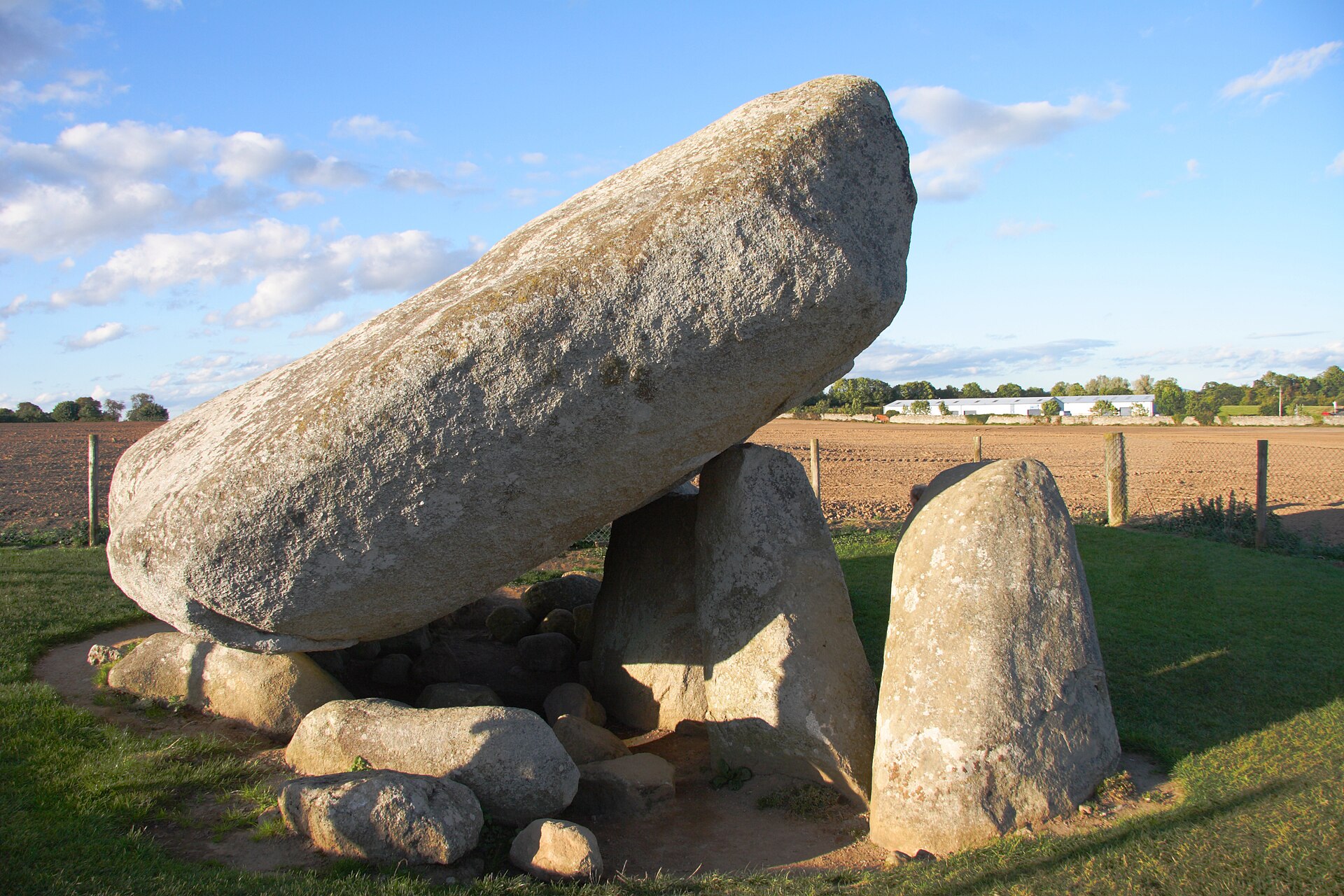
This guide looks at daily life in Carlow. It covers the towns, the landscape, the heritage and the practical side of getting around. It is about the place, not the paperwork. If you are visiting rather than settling, our guide to things to do in County Carlow covers the Brownshill Dolmen, Altamont Gardens and more. For anything official, check the relevant government site first.
Why living in County Carlow appeals to so many people
Carlow is compact. You can reach open countryside within ten minutes of most towns, and the river, the hills and the farmland are always close. Newcomers often say the pace feels slower than in Dublin, but the county never feels cut off.
Winters are damp and grey, as they are across much of Ireland. Summers are mild and the countryside turns lush. Spend a few months here before you commit, and you will soon learn which villages suit you.
- Size: about 896 square kilometres, so everything is within easy reach.
- Hills: Mount Leinster rises to 795 metres on the Wexford border and gives wide views.
- River: the River Barrow runs along the western edge, with a towpath of more than 100 kilometres.
- Distance: Dublin is about 80 kilometres away, usually an hour by road.
Carlow town, Tullow and Borris
Carlow town is the county’s main hub, with about 27,000 people. It has shops, cafes, a busy market square and a campus of the South East Technological University. The VISUAL Centre for Contemporary Art brings exhibitions and performances to the town. Many families like Carlow because the daily essentials are all within a short drive.
Tullow, to the east, is a lively market town on the River Slaney. Borris, in the south, is a pretty village beneath Mount Leinster. It grew up around Borris House, the long-time home of the Kavanagh family. Official local notices and services are on the Carlow County Council website.
Carlow Castle
In Carlow town, the remains of Carlow Castle stand beside the River Barrow. The Normans built it in the early 13th century. Only part of the original structure survives, but locals still use the riverside as a favourite walking spot.
☘️ Enjoying this? 64,000+ Ireland lovers get stories like this every week. Subscribe free →
Dolmens, gardens and country houses
The Brownshill Dolmen is the star of Carlow heritage. Its granite capstone weighs about 100 tonnes, which is thought to be among the heaviest in Europe. The tomb is almost 5,500 years old. You can read more on the Brownshill Dolmen page. It sits in open farmland just outside Carlow town, so locals can visit it on an ordinary evening walk.
Altamont Gardens covers about 40 acres of woodland, lawns and a lake near Tullow. It is a quiet place to wander in every season. In the south of the county, Huntington Castle at Clonegal dates to the 17th century and has a famous temple to the goddess Isis in its basement. Duckett’s Grove is a Gothic Revival ruin in a walled garden setting.
Walking the Barrow and Mount Leinster
The River Barrow towpath is a flat, easy route. You can walk or cycle a section in an afternoon, then stop in a village pub. Mount Leinster is a bigger challenge, with a steep climb to a mast-topped summit and a view across several counties. Always check the weather before you head up. For route ideas on Irish waterways, see Discover Ireland.
Getting around and daily life
Carlow is one of the better-connected small counties. The M9 motorway runs past the town toward Dublin and Waterford, and trains from Carlow station serve Dublin and the south east. You can check times on the Irish Rail website. Regional buses run to nearby towns, and you can find routes on the Bus Éireann site.
Outside the main towns, most households still run a car. Villages have a shop, a pub and a church, and often a GAA club too. Joining a club or a community group is the quickest way to meet people.
What to weigh up before you move
- Weather: expect mild but wet winters and plenty of grey days.
- Commuting: the road and rail links suit people who travel to Dublin a few days a week.
- Community: smaller villages reward people who join in with local events.
- Choice: Carlow town covers daily needs, while bigger hospitals and airports are further away.
Spend a week in the county in late autumn or winter before you decide. That is when daily life shows, and the bare trees along the Barrow look their best.
If you are weighing up a bigger move, our full Move to Ireland guide walks through the questions to ask yourself. You can also compare Carlow with our living guides for County Kilkenny, County Wexford and County Wicklow. Our where to live in Ireland overview and the planning hub can help you build a longer trip.
Frequently asked questions
What is it like living in County Carlow?
It is calm, friendly and well connected. About 62,000 people live in a small county, so towns feel familiar, and Dublin is roughly an hour away by road.
What is the biggest town in Carlow?
Carlow town is the largest, with about 27,000 people. Tullow, Bagenalstown and Borris are smaller and quieter.
How far is Carlow from Dublin?
Carlow town is about 80 kilometres from Dublin. The drive on the M9 usually takes around an hour, and trains also run to Dublin.
Is County Carlow worth visiting?
Yes. Visitors enjoy the Brownshill Dolmen, Altamont Gardens, Borris House and walks along the River Barrow, often with very few crowds.
☘️ Join 64,000+ Ireland Lovers
Every weekday morning, get Ireland’s lesser-known corners, local stories and secrets, straight to your inbox.
Subscribe free — enter your email:
Already subscribed? Download your free Ireland guide (PDF)
📲 Know someone who’d love this? Share on WhatsApp →
Free forever · Unsubscribe anytime
Tours & experiences you might love


Powered by Viator. Some links are affiliate links — we may earn a small commission at no extra cost to you.
Secure Your Dream Irish Experience Before It’s Gone!
Planning a trip to Ireland? Don’t let sold-out tours or packed attractions spoil your journey. Iconic experiences like visiting the Cliffs of Moher, exploring the Rock of Cashel, or enjoying a guided walk through Ireland’s ancient past often sell out quickly—especially during peak travel seasons.

Booking in advance guarantees your place and ensures you can fully immerse yourself in the rich culture and breathtaking scenery without stress or disappointment. You’ll also free up time to explore Ireland’s hidden gems and savour those authentic moments that make your trip truly special.
Make the most of your journey—start planning today and secure those must-do experiences before they’re gone!