

The National Famine Museum at Strokestown Park holds something no other Famine site in Ireland can offer — the actual letters of starving tenants, written to a landlord who would be shot dead within months of receiving them. Major Denis Mahon of Strokestown Park, County Roscommon, was assassinated on November 2nd, 1847.
Watch the full episode, then read on below for the complete story and practical visiting details.
The National Famine Museum at Strokestown Park holds something no other Famine site in Ireland can offer — the actual letters of starving tenants, written to a landlord who would be shot dead within months of receiving them.
Major Denis Mahon of Strokestown Park, County Roscommon, was assassinated on November 2nd, 1847. He had spent that autumn chartering ships to send his tenants to Canada. One of those ships, the Virginius, left with 476 passengers. One hundred and fifty-eight died at sea. Hundreds more died in Canadian quarantine stations.
And here, in the stable yards where those tenants once paid their rent, the documents that tell this story sat untouched for over a hundred and thirty years — until a local businessman bought the estate in 1979 and found them stuffed in drawers and cupboards, exactly where the Mahon family had left them.
This is the archive that changed how we understand the Famine. And today, we’re walking through it.
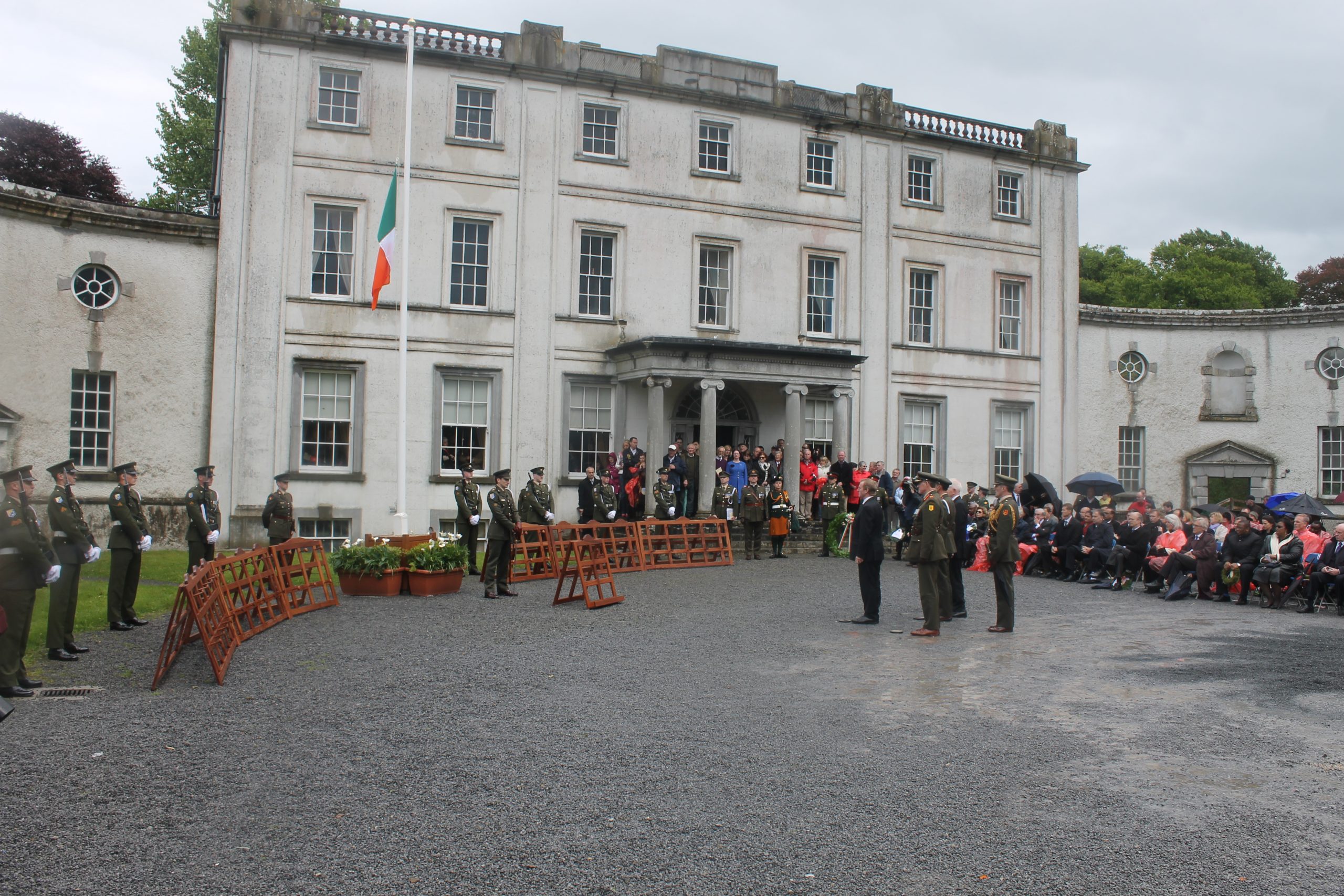
Strokestown Park sits about two hours northwest of Dublin, in County Roscommon — not on any dramatic clifftop or tourist trail, but in flat, quiet farmland that was once the heart of one of Ireland’s largest landed estates. The Mahon family owned over 11,000 acres here, on which almost 12,000 tenants were living. The Palladian mansion you see today was built in the 1730s, complete with Ireland’s longest herbaceous border and a galleried kitchen where the lady of the house could observe the servants without entering the room herself.
But I’m not here for the architecture. I’m here for what happened when a fungus called Phytophthora infestans arrived in Ireland in the autumn of 1845.
The potato blight hit Roscommon hard. This wasn’t Dublin or Belfast, where people might find other work. This was subsistence farming country. Families lived in one-room cabins, paid rent to the Mahon estate, and survived almost entirely on potatoes. When the crop failed — not once, but year after year — they had nothing.
By 1847, Major Denis Mahon had a problem. His tenants couldn’t pay rent. Under British law, landlords were responsible for paying Poor Law rates on holdings valued under four pounds. The more destitute tenants he kept on his land, the more tax he owed. So he made a decision that would define his legacy, and cost him his life.
He would pay to send them away.
Assisted emigration — that’s what they called it. Major Mahon chartered ships to carry over a thousand of his tenants to Canada in 1847. He paid for their passage. On paper, it looked like mercy.
The reality was different.
The ships Mahon chartered were the cheapest available. The Virginius was one of four vessels he hired that year. It left Liverpool in late May 1847 bound for Quebec, packed with 476 passengers — families from the Strokestown estate who had accepted the major’s offer because the alternative was starvation or the workhouse.
What happened next was recorded in Canadian quarantine logs. Of those 476 souls, 158 died during the crossing. The surviving passengers arrived at Grosse Île quarantine station, where fever ran through the weakened survivors. By some accounts, fewer than half of the Virginius passengers survived their first year in Canada.
These were the coffin ships. And the people of Strokestown knew who had put their neighbors on them.
On the evening of November 2nd, 1847, Major Denis Mahon was returning from a meeting of the Roscommon Board of Guardians. His carriage passed through the townland of Doorty. Two shots were fired. The Major fell dead.
Two local men, Owen Beirne and Patrick Hasty, were later hanged for the murder in August 1848. But many believed they hadn’t acted alone. The assassination sent shockwaves through the Anglo-Irish establishment. Queen Victoria was briefed. The Times of London ran editorials. For the first time, people in England began asking what exactly their landlords had been doing in Ireland.
Now here’s what makes Strokestown different from every other Famine site you can visit.
When Jim Callery, a local garage owner, bought Strokestown Park House in 1979, it had been empty for years. The last of the Mahon-descended owners had died. The estate was in disrepair. Callery’s plan was to restore it as a heritage site.
But as his team began clearing out the old estate office, they found something nobody had expected.
Drawers stuffed with papers. Cupboards full of letters. Boxes of rent rolls, eviction notices, and correspondence — all dating to the 1840s. Nobody had cleaned out this office in over a hundred and thirty years. The Mahon family, for whatever reason, had never thrown any of it away.
What Callery had found was the largest archive of Famine-era documents ever discovered — over 55,000 items in total.
And this is where the story becomes almost unbearably human. Because among those papers were letters from tenants. Actual letters, written by starving people to their landlord, begging for mercy.
Tenants like Anne Owens, John Burns, and Thomas Keating wrote to Major Mahon, pleading to forestall eviction and starvation. Their petitions survived. You can read their words today, preserved in the archive that became the foundation of the National Famine Museum.
The Famine killed over a million people and forced another million to emigrate. We know the statistics. But we rarely hear individual voices from that catastrophe. At Strokestown, because of this accidental archive, we can. That’s what makes this place irreplaceable.
So let’s talk about actually visiting.
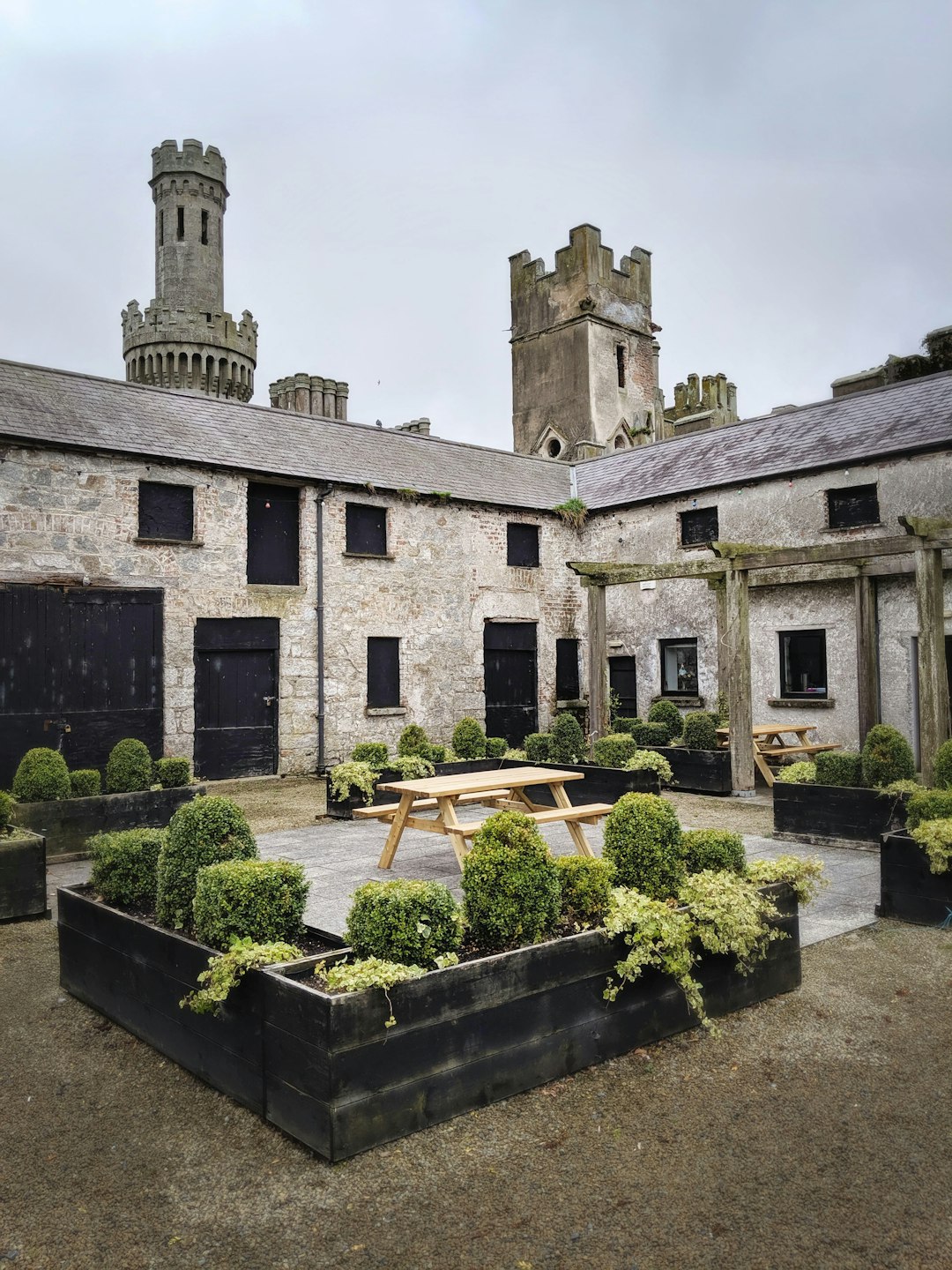
The National Famine Museum is housed in the restored stable yards of Strokestown Park. Your ticket gets you into both the museum and the main house, and I’d recommend allowing at least two to three hours — this isn’t a place to rush through.
The museum itself is sober and well-designed. It walks you through the causes of the Famine, the response of the British government, the role of landlords like the Mahons, and the aftermath of mass emigration. But what sets it apart are the primary documents on display — the letters, the eviction records, the shipping manifests. You’re not reading about the Famine. You’re reading the Famine.
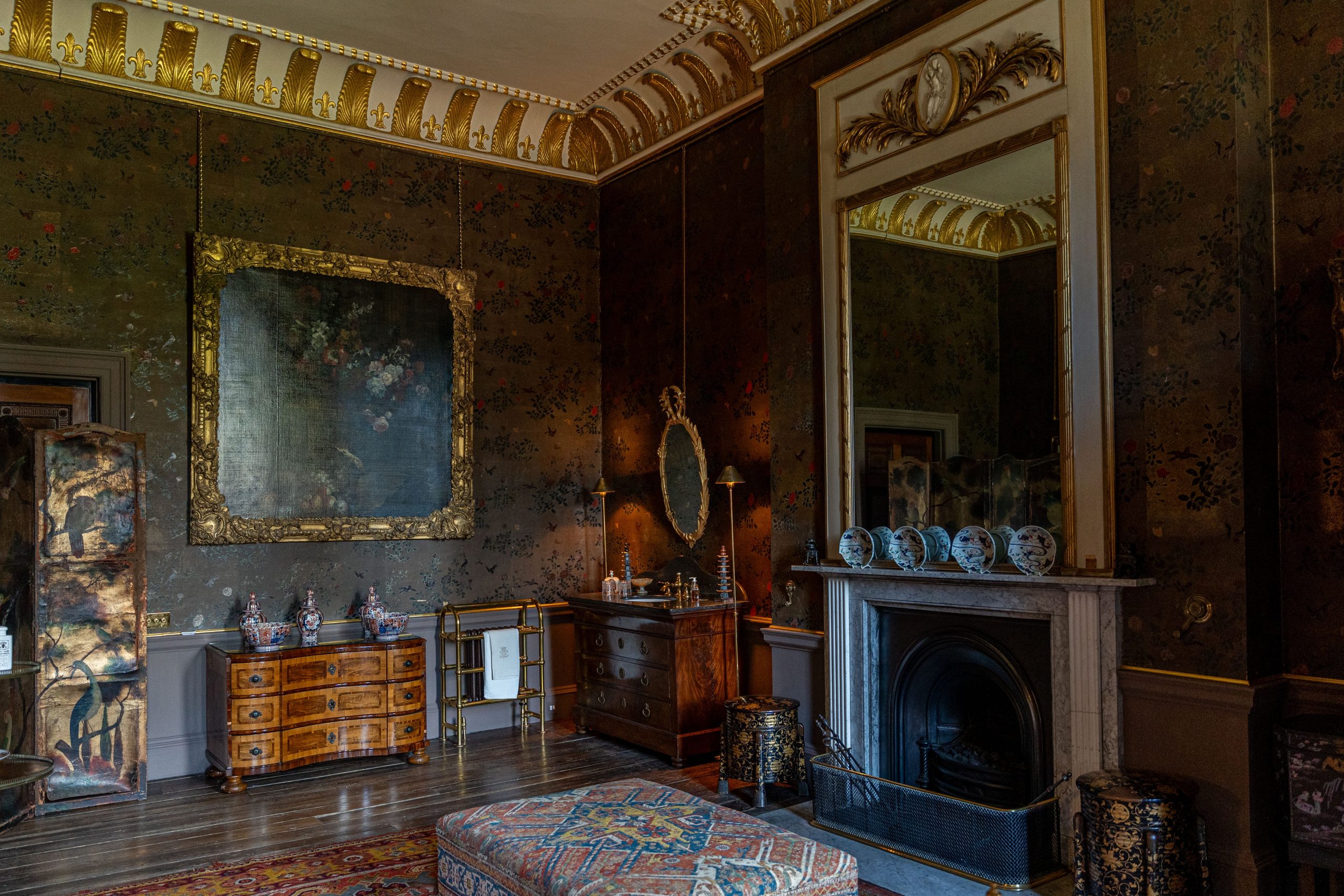
After the museum, take the house tour. The contrast is deliberate. You walk through the elegant Palladian rooms where the Mahon family lived, and then you step outside into the stable yards where their tenants came to pay rent, receive eviction notices, and eventually board ships they might not survive. The juxtaposition is effective.
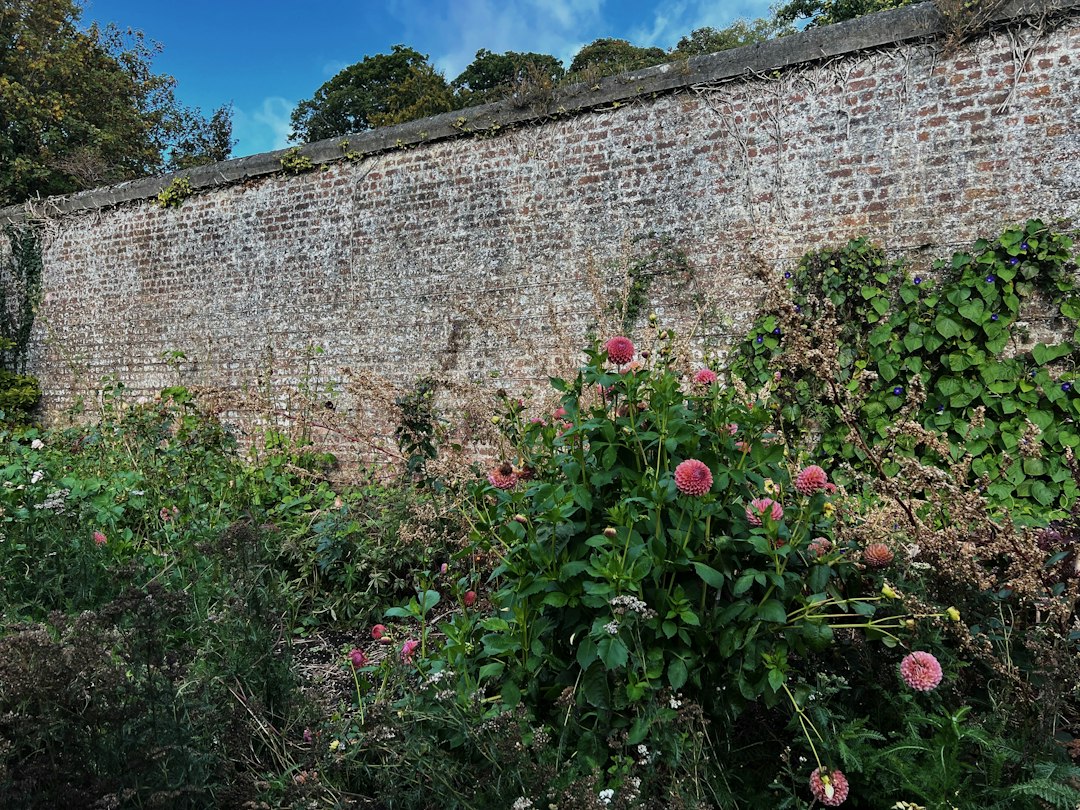
The walled garden is worth your time as well — it’s been restored to its Georgian design and includes Ireland’s longest herbaceous border at over 150 meters. If you need to decompress after the museum, this is the place.
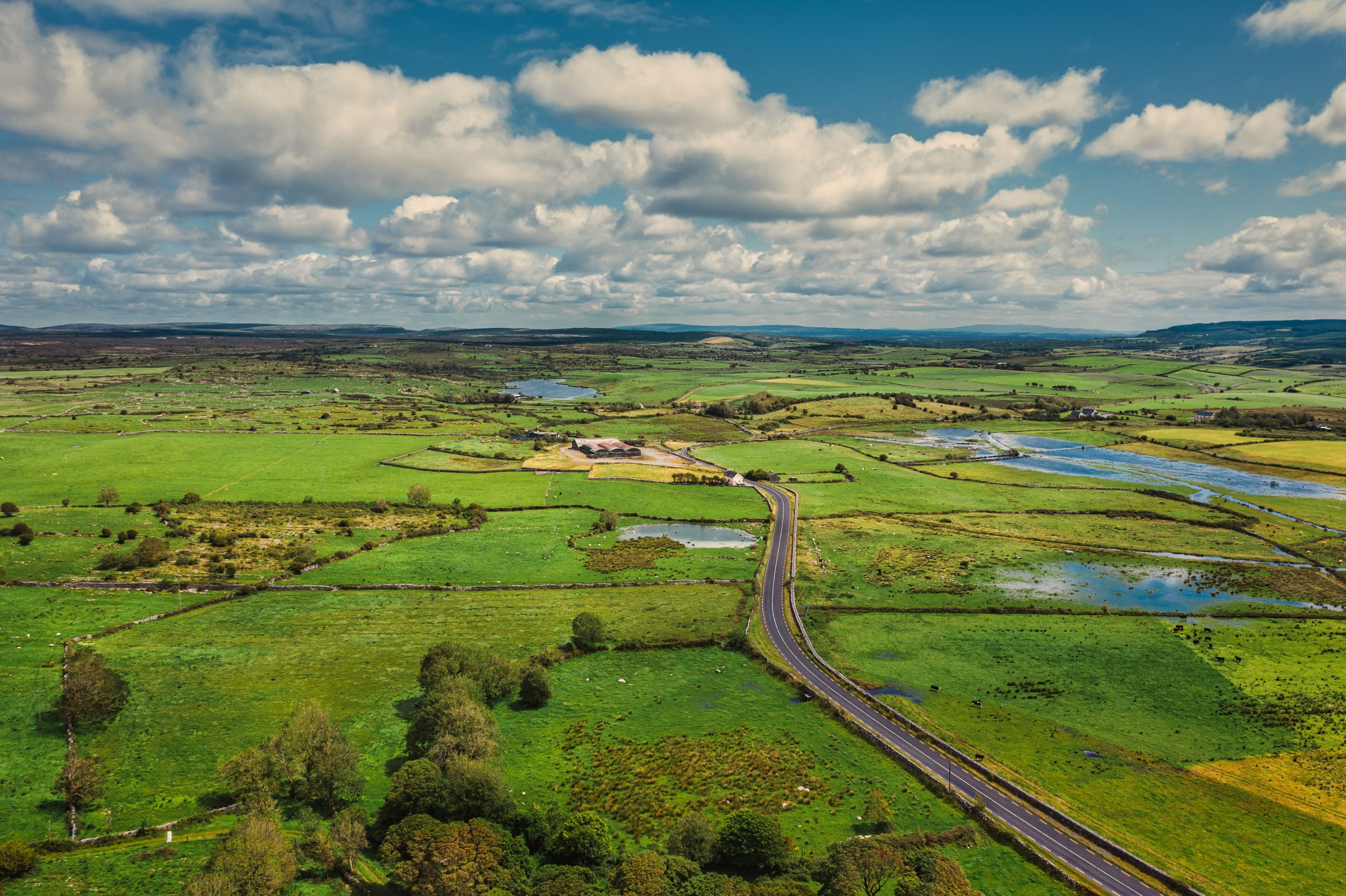
Strokestown is about two hours from Dublin, ninety minutes from Galway. There’s parking on-site, a café, and good signage from the N5. I’d avoid going on a bank holiday weekend if you want the house tour to yourself. A midweek morning in spring or autumn is ideal.
There are a lot of ways to learn about the Great Famine. You can read the histories, visit the memorials, walk the Famine roads.
But if you want to hear the voices — the actual words of people who lived through it, in the very place where they lived and died — there’s only one site that can give you that. And it exists because a businessman bought a house and found the archive nobody knew was there.
Full guide linked below. See you next Monday.
Never miss an episode. Bob’s next long-form episode drops every Monday on our YouTube channel. Subscribe to the free Love Ireland newsletter and we’ll let you know the moment a new one is live: https://loveireland.substack.com/subscribe
Tours & experiences you might love


Powered by Viator. Some links are affiliate links — we may earn a small commission at no extra cost to you.
Secure Your Dream Irish Experience Before It’s Gone!
Planning a trip to Ireland? Don’t let sold-out tours or packed attractions spoil your journey. Iconic experiences like visiting the Cliffs of Moher, exploring the Rock of Cashel, or enjoying a guided walk through Ireland’s ancient past often sell out quickly—especially during peak travel seasons.

Booking in advance guarantees your place and ensures you can fully immerse yourself in the rich culture and breathtaking scenery without stress or disappointment. You’ll also free up time to explore Ireland’s hidden gems and savour those authentic moments that make your trip truly special.
Make the most of your journey—start planning today and secure those must-do experiences before they’re gone!