

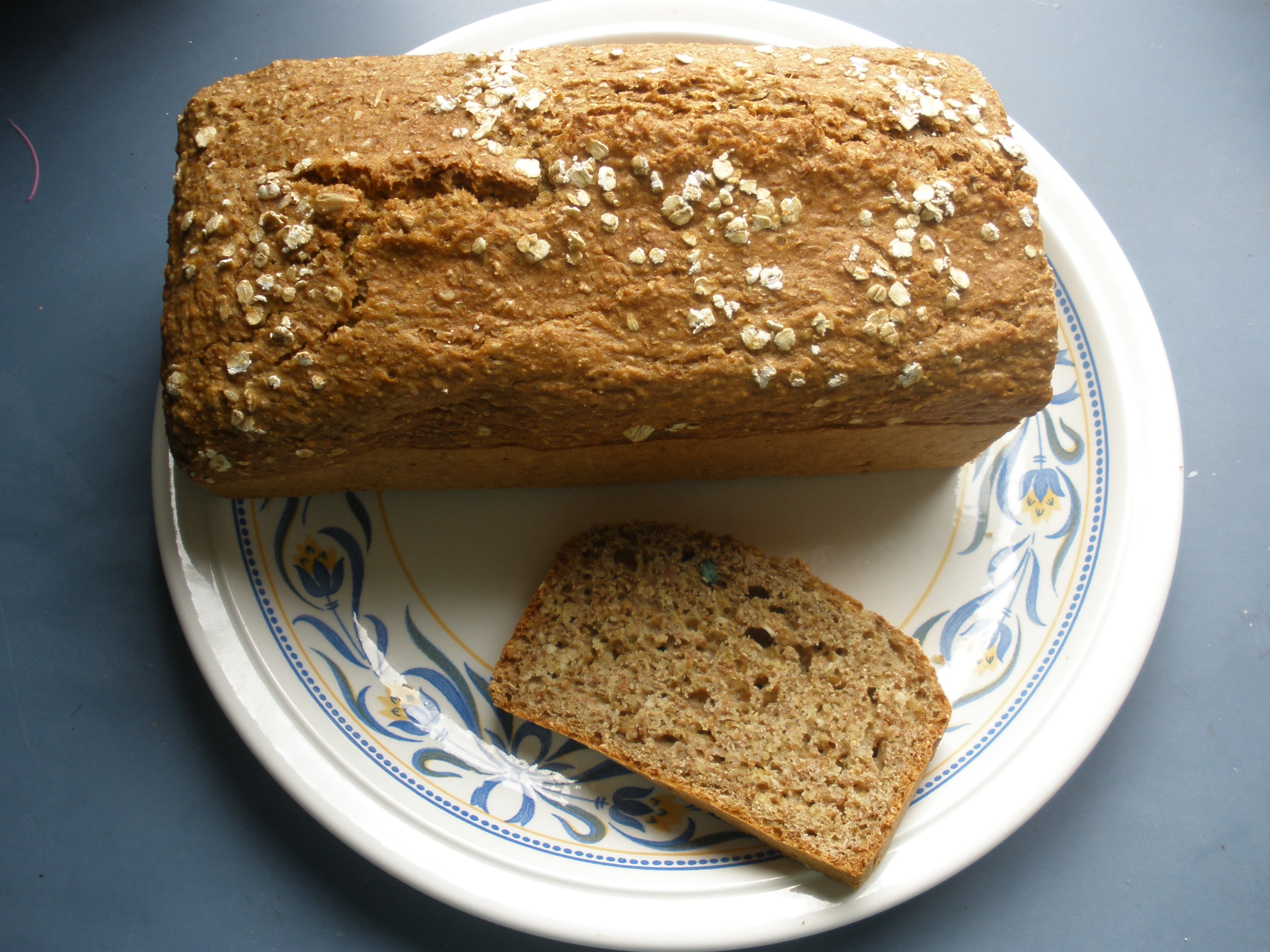
Wheaten Bread Recipe: The Wholesome Northern Loaf That Tastes Like Home
If soda bread is Ireland’s everyday miracle, then wheaten bread is its northern soul. Born in Ulster and baked in farmhouse kitchens across Counties Antrim, Down, Armagh and beyond, wheaten bread is the loaf that greets you at breakfast tables from Derry to Downpatrick, arriving warm beside a pot of strong tea with a generous curl of cold butter already beginning to melt into its open crumb. It is quieter than its fame deserves, and all the more beloved for it.
Wheaten bread — sometimes called brown soda bread in the south, though the northern version tends to be its own distinct thing — owes its existence to two great facts of Irish history: the abundance of soft wheat and the widespread use of buttermilk as a raising agent long before commercial yeast arrived in rural kitchens. When bicarbonate of soda and the acid in buttermilk meet, they produce carbon dioxide bubbles that lift the dough without any kneading or proving. The whole loaf can be mixed, shaped and in the oven within ten minutes, which is precisely why it fed generations of large, busy families who had no time to fuss.
What sets wheaten bread apart from a standard soda loaf is the wholemeal flour — coarse, nutty, full of bran and germ — which gives the finished loaf its characteristic dense, slightly crumbly texture and that deep, earthy flavour that no amount of commercial bread can replicate. A slice of proper wheaten bread, still just warm, loaded with good butter and a scrape of honey or sharp marmalade, is one of those simple Irish pleasures that stays with you long after you’ve left. If you’d like to see the technique in action, our video walkthrough of making wheaten bread at home follows the same traditional method step by step.
Ingredients
- 250g (9oz / 2 cups) wholemeal flour (coarse stone-ground if you can find it)
- 100g (3½oz / ¾ cup) plain white flour
- 1 tsp bicarbonate of soda
- 1 tsp salt
- 1 tsp soft light brown sugar (optional, but traditional in many northern kitchens)
- 25g (1oz / 2 tbsp) butter, cold and cubed
- 300–350ml (10–12 fl oz / 1¼–1½ cups) buttermilk, plus a little extra if needed
- 1 tbsp rolled oats, for the top (optional)
Method
☘️ Join 64,000+ Ireland Lovers
Every weekday morning, get Ireland’s hidden gems, local secrets, and travel inspiration — the kind you won’t find in any guidebook.
Subscribe free — enter your email:
Already subscribed? Download your free Ireland guide (PDF)
📲 Know someone who’d love this? Share on WhatsApp →
Love more? Join 43,000 Scotland lovers → · Join 29,000 Italy lovers → · Join 7,000 France lovers →
Free forever · Unsubscribe anytime
- Preheat your oven to 200°C / 180°C fan / 400°F / Gas Mark 6. Lightly grease a 900g (2lb) loaf tin or line it with baking paper.
- In a large mixing bowl, combine the wholemeal flour, plain flour, bicarbonate of soda, salt and sugar (if using). Give everything a good stir to distribute the raising agent evenly — lumps of bicarb will leave bitter spots in the finished bread.
- Add the cold butter to the flour mixture and rub it in lightly with your fingertips until the mixture resembles coarse breadcrumbs. This adds a gentle richness and helps keep the crumb tender.
- Make a well in the centre and pour in 300ml of the buttermilk. Using a large spoon or your hand, mix quickly and lightly until you have a soft, slightly sticky dough. If the dough feels dry and won’t come together, add the remaining buttermilk a splash at a time. Do not overwork it — the less you handle wheaten dough, the better the loaf.
- Turn the dough into the prepared tin, smoothing the top gently with wet fingers. Scatter a tablespoon of rolled oats over the surface if you like, for a pleasing finish. Score a deep line down the length of the loaf with a sharp knife — this helps the bread rise and bake evenly through the centre.
- Bake on the middle shelf for 40–45 minutes, until the loaf has risen well and is a deep golden brown on top. To check it is done, tip it out of the tin and tap the base — it should sound hollow. If it doesn’t, return it to the oven (out of the tin, directly on the shelf) for a further five minutes.
- Transfer to a wire rack and leave to cool for at least 20 minutes before slicing. Cutting too soon will give you a gummy crumb, so patience is rewarded here.
Tips
- Stone-ground wholemeal flour makes a noticeably nuttier, more flavourful loaf than fine wholemeal — worth seeking out in health food shops or good supermarkets.
- If you don’t have buttermilk, add one tablespoon of lemon juice or white wine vinegar to 300ml of whole milk, stir and leave for five minutes. It won’t be identical, but it works perfectly well.
- Wheaten bread is at its very best on the day it’s baked, but it keeps reasonably well wrapped in a clean tea towel for two days. It also freezes beautifully — slice before freezing and toast from frozen when you need it.
- For a slightly sweeter, more tender crumb (common in some Antrim recipes), replace the butter with a tablespoon of treacle worked into the buttermilk before adding.
There is something quietly wonderful about the fact that wheaten bread asks so little of you — no special equipment, no long waits, no hard-won technique — and gives back so generously in return. It is the kind of baking that connects you directly to the Irish kitchens of a hundred years ago, where the smell of a fresh loaf was simply part of what home meant. Make it once and you will understand completely why, all across Ulster, it is still the bread people reach for first. For other traditional Ulster bakes, try our Guinness brown bread recipe.
Tours & experiences you might love


Powered by Viator. Some links are affiliate links — we may earn a small commission at no extra cost to you.
Secure Your Dream Irish Experience Before It’s Gone!
Planning a trip to Ireland? Don’t let sold-out tours or packed attractions spoil your journey. Iconic experiences like visiting the Cliffs of Moher, exploring the Rock of Cashel, or enjoying a guided walk through Ireland’s ancient past often sell out quickly—especially during peak travel seasons.

Booking in advance guarantees your place and ensures you can fully immerse yourself in the rich culture and breathtaking scenery without stress or disappointment. You’ll also free up time to explore Ireland’s hidden gems and savour those authentic moments that make your trip truly special.
Make the most of your journey—start planning today and secure those must-do experiences before they’re gone!