

The road sign reads “Baile Átha Cliath” and most visitors have no idea it means anything beyond Dublin. But in Ireland, every place name is a translation waiting to be read. The language beneath those names is older than the Norman invasion, older than the arrival of Christianity — and it describes the land exactly as it was when the first settlements were built.
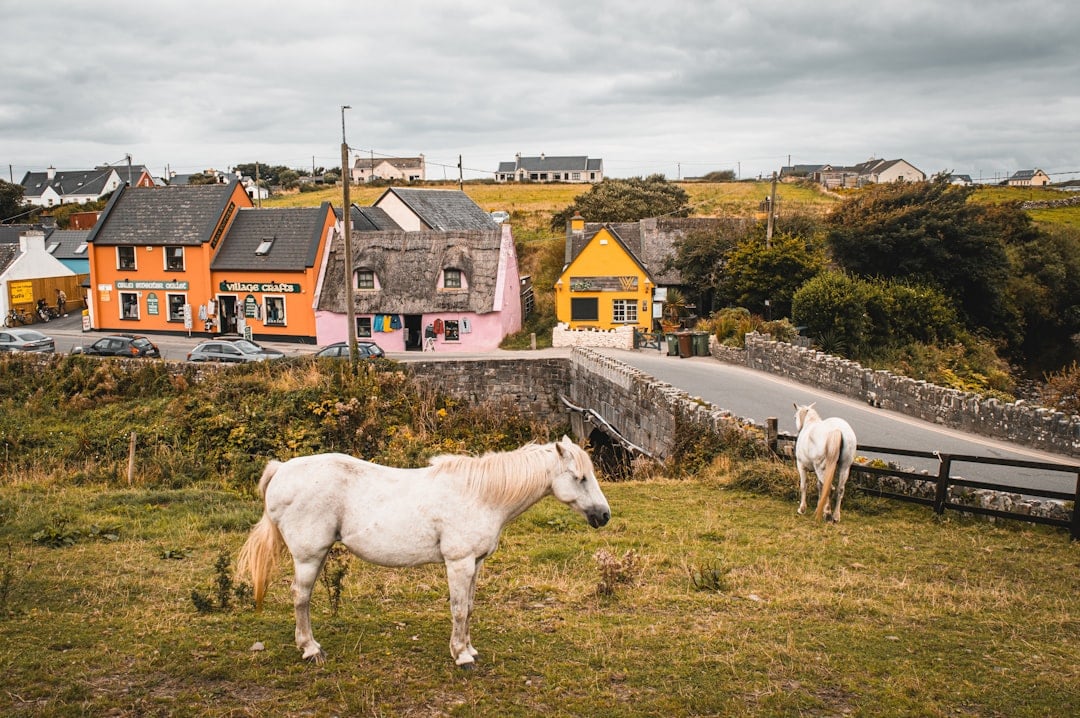
Why “Bally” Is on Every Signpost in Ireland
Baile — anglicised to Bally — means homestead or settlement. It appears in more than a thousand Irish place names. Ballymena, Ballina, Ballycastle, Ballyhaunis. Every one of them is simply saying: there was a home here.
When you drive through Ireland, you pass through names that function as ancient addresses. Bally wasn’t always a town — it began as a single household, a family unit, a place where someone built a life. The further west you travel, the more the Irish language versions survive on signs alongside the English.
In Connacht and Munster, you can read both side by side. And the Irish is always more specific — more rooted in the actual place.
The Names That Read the Landscape
Irish place names are cartography. The people who named these places described exactly what they saw when they arrived.
Cnoc — Knock in English — means hill. There are Knocks everywhere: Knockmore (great hill), Knocknarea (hill of the executions), Knockmealdown (hill of the gap). Gleann means valley. Druim means ridge — it survives as Drum in dozens of townlands across the country. Sliabh (Slieve) means mountain. Carraig (Carrick) means rock.
Before maps existed, place names were navigation. Locals knew that Carrigafoyle meant “rock of the hollow”. They knew that Dromore meant “great ridge”. The name told you what you’d find when you arrived — and you could trust it.
Kill, Cash, and Derry — The Words That Confuse Visitors
Kill doesn’t mean what tourists think it means.
Cill — Kill or Kil in English — means church. Kilkenny is Cill Chainnigh, the church of Saint Cainnech. Killarney is Cill Airne, the church of the sloes. Kildare is Cill Dara, the church of the oak. Hundreds of Irish towns are named for a Christian saint’s church that stood there in the sixth or seventh century.
Derry comes from Doire, meaning oak grove. The same word appears in Derrygonnelly, Derrybeg, Derryloughan. Every one of them once stood in woodland. Cash and Cashel come from Caiseal — a stone fort. Cashel in County Tipperary was the seat of ancient kings, and the name has always told you that.
If you want to understand more of the language hiding in plain sight, this guide to the cúpla focal every visitor should know is a great place to start.
☘️ Enjoying this? 64,000+ Ireland lovers get stories like this every week. Subscribe free →
The Names That Remember What Was Built
Rath is a ringfort — a circular earthen enclosure where a family or chieftain lived. You’ll find Rathmore (great ringfort), Rathfarnham, and Rathcoole spread across the country. The physical raths are often still visible as green mounds in the corners of fields — and farmers still leave them alone, out of respect or something older.
Dún means a fortified place, typically for a chieftain. Dundalk, Dunmore, Dunmanway. Lios (Lis in English) is similar — Lismore, Lisburn, Lisdoonvarna. Where you see Tober or Tubber, there was once a holy well — Tobar in Irish. Where you see Teampall or Temple, there was a church. Every name is a record of what mattered in that place.
When you plan your journey through Ireland, reading the place names as you go turns any drive into something closer to archaeology. You can find a complete guide to planning your Irish trip here — and the 32 counties of Ireland each carry their own stories in their names.
A Quick Cheat Sheet for Your Next Drive
You don’t need to speak Irish to decode the signs. A handful of words gets you a long way:
- Bally/Baile — homestead, settlement
- Kill/Cill — church
- Knock/Cnoc — hill
- Drum/Druim — ridge
- Dun/Dún — stone fort, fortified place
- Rath — earthen ringfort
- Glen/Gleann — valley
- Derry/Doire — oak grove
- Slieve/Sliabh — mountain
- Carrick/Carraig — rock
- More/Mór — great, big
- Beg/Beag — small, little
Next time you drive through a Knockmore or a Killeshandra, stop for a moment. The name is telling you something. The hill is still there. The church is probably still there. The ringfort is almost certainly still there, tucked into a field beside the road.
Ireland doesn’t just preserve its history in museums. It writes it on every signpost. When you learn to read place names, the whole country becomes a story — and you’re walking through its pages.
☘️ You Might Also Love
Tours & experiences you might love


Powered by Viator. Some links are affiliate links — we may earn a small commission at no extra cost to you.
Secure Your Dream Irish Experience Before It’s Gone!
Planning a trip to Ireland? Don’t let sold-out tours or packed attractions spoil your journey. Iconic experiences like visiting the Cliffs of Moher, exploring the Rock of Cashel, or enjoying a guided walk through Ireland’s ancient past often sell out quickly—especially during peak travel seasons.

Booking in advance guarantees your place and ensures you can fully immerse yourself in the rich culture and breathtaking scenery without stress or disappointment. You’ll also free up time to explore Ireland’s hidden gems and savour those authentic moments that make your trip truly special.
Make the most of your journey—start planning today and secure those must-do experiences before they’re gone!