

Imagine a morning in 1740. A child in rural County Tyrone wraps a blanket around his shoulders, steps out into the grey dawn, and begins to walk. Not to a schoolhouse — there is none. He is walking to a field, to a ditch, to a hollow in the hillside where a man with a dog-eared manuscript is waiting. This is how Ireland kept its mind alive when the law said it couldn’t.
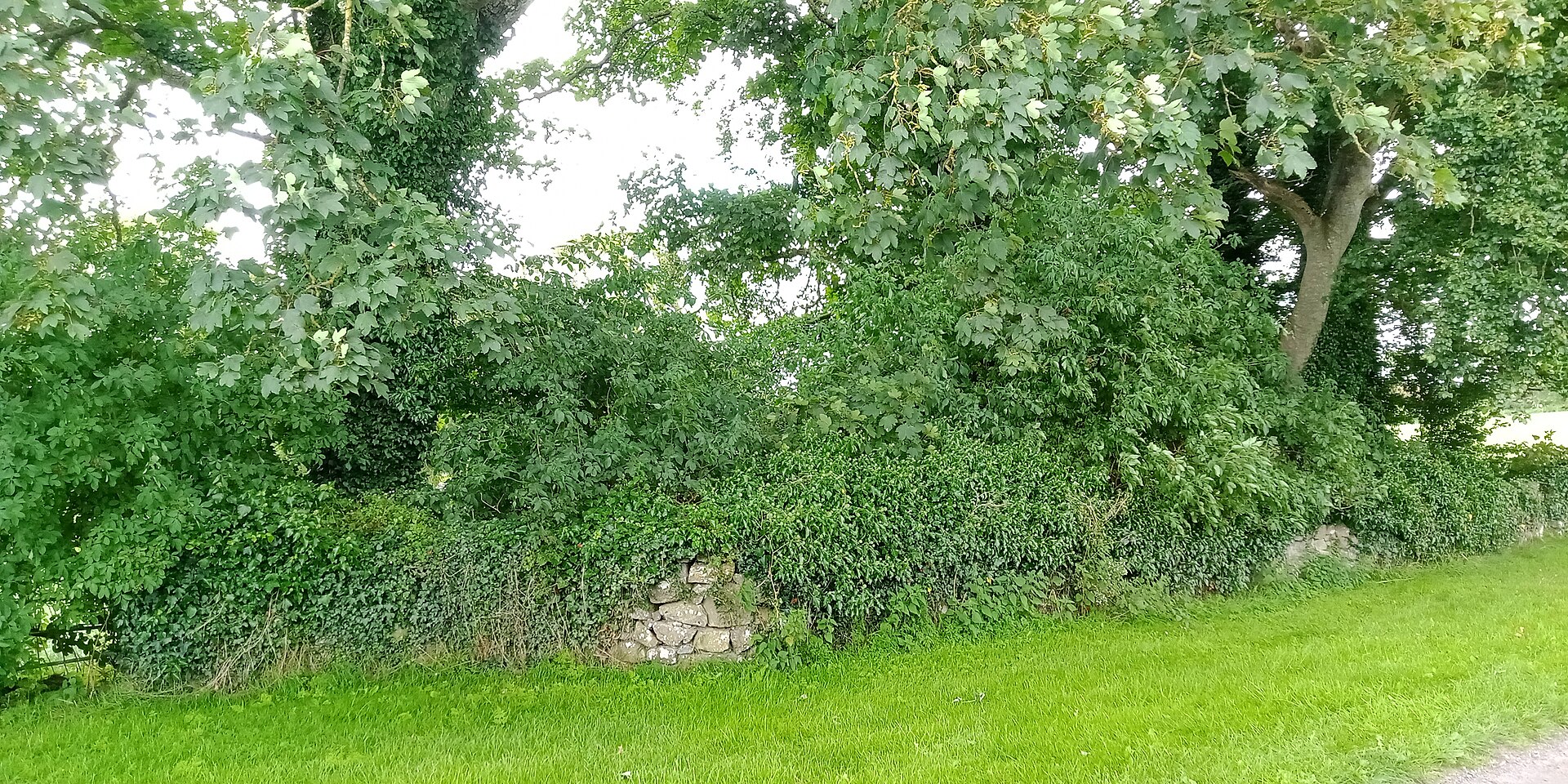
When Learning Itself Was Illegal
The Penal Laws, enacted by the British Parliament from the 1690s onwards, were a system of legal codes designed to suppress Catholic life in Ireland. They restricted landownership, political participation, and — critically — education.
Under these laws, Catholic schools were banned outright. The penalty for running one could mean fines, imprisonment, or transportation. But the Irish had a saying: Is fearr an t-eolas ná an t-ór — knowledge is better than gold.
They were not going to let their children grow up ignorant.
The Men Who Carried Ireland’s Learning on Their Backs
The teachers of the hedge schools were a remarkable breed. Known as “poor scholars” or “wandering masters,” many had received classical educations abroad — at Catholic colleges in France, Spain, or Belgium, where Irish students fled to study since they couldn’t study at home.
They carried their knowledge across muddy lanes and through border country, setting up wherever a patch of dry ground or a sheltered ditch allowed. Some built crude shelters from sod and straw. Others simply relied on the open land.
Payment was modest — a handful of potatoes, a night’s lodging, the occasional small coin. But they were valued beyond price. In some communities, a good master was treated with more reverence than the local physician. For a closer look at how these classrooms took shape county by county, see our companion piece on the outlawed schools where children learned Latin behind a hedge.
What Was Actually Taught
Here is perhaps the most remarkable thing: these weren’t just rudimentary reading lessons. The curriculum of the hedge schools was, by any measure, extraordinary.
Latin and Greek were taught as standard. Mathematics, surveying, history, and poetry in Irish were common subjects. Children who had never worn shoes could recite Virgil. Teenagers in remote Connacht studied the classical texts of Rome by firelight.
The schools were also entirely egalitarian. There were no uniforms, no class distinctions. The child of a labourer and the child of a small farmer sat side by side in the same ditch and learned from the same battered manuscript.
It’s worth noting that Irish dancing faced a similar ban during the same era — the British authorities were determined to smother the culture entirely. Both traditions survived through sheer communal defiance.
☘️ Enjoying this? 64,000+ Ireland lovers get stories like this every week. Subscribe free →
The Constant Threat
Risk was woven into every lesson. Magistrates and landlords could prosecute a master who was caught. Scouts — often older local children — would watch the roads and give warning if an official or soldier was approaching.
The school would dissolve instantly. Books vanished under coats. The master became a passing traveller. Students scattered like birds from a hedgerow.
There are accounts of hedge school masters who were imprisoned, flogged, or transported to the penal colonies. Yet the schools continued. They moved. They adapted. They endured. The broader story of Irish exile and resistance during this era is one of astonishing persistence against impossible odds.
The Irony That Lasted Generations
Here is the twist that history rarely acknowledges: when the British authorities finally relented and introduced the National School system in 1831 — a state-funded network open to all — they discovered something unexpected.
The Irish, after a century of illegal education, were already highly literate.
The hedge schools had produced a population that read, that debated philosophy, that wrote poetry. A people subjected to one of the most systematic cultural suppressions in European history had quietly, stubbornly, passed knowledge from hand to hand in ditches and behind hedgerows — and had come out the other side educated.
What the Hedge Schools Left Behind
The legacy is visible in Irish culture to this day. The extraordinary literary tradition — from Swift to Wilde to Joyce to Heaney — didn’t emerge from nowhere. It grew from a people who believed, in the most dangerous of circumstances, that words were worth fighting for.
The same defiant love of language and learning that drove children across frosted fields in winter drives Irish storytelling now. If you’ve ever wondered why the Irish seem to have an almost genetic relationship with books, with poetry, with talking long into the night — this is part of the answer.
It started behind a hedge, with a cold-fingered master and a dog-eared manuscript, in a country that refused to forget.
If you’d like to trace Ireland’s remarkable cultural story yourself, the Ireland trip planning guide is the best place to begin.
☘️ You Might Also Love
☘️ Want More Hidden Ireland?
Join 64,000+ subscribers who discover Ireland’s best-kept secrets every week.
Subscribe Free — Join the Community →
Free forever · Unsubscribe anytime · No spam
📥 Free Download: Ireland Travel Planning Guide
Our most popular resource — itineraries, insider tips, and the 50 places you must not miss.
Tours & experiences you might love


Powered by Viator. Some links are affiliate links — we may earn a small commission at no extra cost to you.
Secure Your Dream Irish Experience Before It’s Gone!
Planning a trip to Ireland? Don’t let sold-out tours or packed attractions spoil your journey. Iconic experiences like visiting the Cliffs of Moher, exploring the Rock of Cashel, or enjoying a guided walk through Ireland’s ancient past often sell out quickly—especially during peak travel seasons.

Booking in advance guarantees your place and ensures you can fully immerse yourself in the rich culture and breathtaking scenery without stress or disappointment. You’ll also free up time to explore Ireland’s hidden gems and savour those authentic moments that make your trip truly special.
Make the most of your journey—start planning today and secure those must-do experiences before they’re gone!