


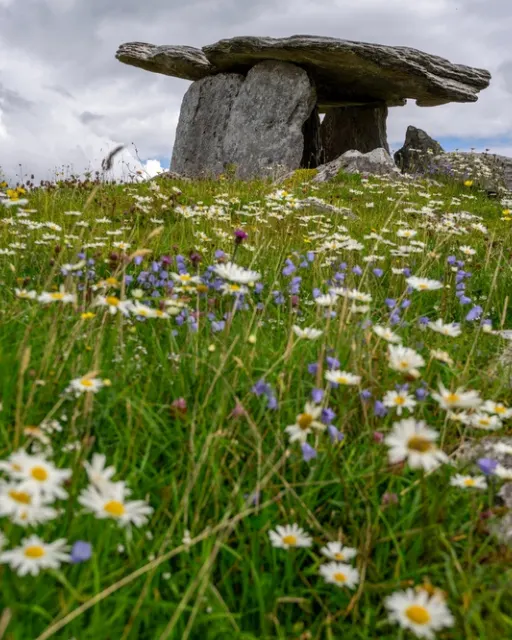
Tracing Irish Ancestry: A Practical Guide for Your Heritage Journey
Tracing Irish ancestry can feel emotional, exciting, and at times overwhelming. Ireland’s records, from parish books to national archives, offer remarkable clues for anyone exploring family roots. For many readers in their 50s, especially those with Irish heritage abroad, finding the townland, parish, or even the small lane an ancestor once walked can bring history to life.
In this guide, we’ll walk through practical steps inspired by the premium deep-dive 25 Questions & Answers on Tracing Your Irish Ancestors —and share ways to start your own journey with confidence.
Watch: Do You Qualify for an Irish Passport?
Tracing your Irish family? If one of your grandparents was born in Ireland, you may be able to become an Irish citizen. This 14-minute guide explains who qualifies, what it costs and how long it takes. Thinking of making the move? Get the free Moving to Ireland checklist.
Why Townlands Matter More Than Surnames
Ireland has more than 60,000 townlands, making them one of the most important keys in genealogy searches. Surnames like Murphy, Kelly, or Byrne appear everywhere, but a specific townland can narrow your search to just a few households. The premium guide explains why location is often the missing piece needed to identify the correct branch of a family tree.
You can use Ireland’s official Placenames Database to check spellings or confirm which civil parish a townland belongs to. It’s especially useful when older documents use phonetic or Anglicised versions of place names.
The Impact of the 1922 Four Courts Fire
One of the biggest challenges in Irish genealogy is the 1922 explosion and fire at Dublin’s Public Record Office. Thousands of early records—pre-1901 censuses, wills, court files, and parish duplicates—were destroyed. The premium guide explains how this tragedy shaped modern genealogy research and why local parish registers, land surveys, and surviving diocesan archives now play a crucial role for earlier periods.
Although this loss creates gaps, plenty of alternative sources remain, especially at regional archives and heritage centres.
Understanding Ireland’s Civil and Parish Records
Civil records form the backbone of 19th- and early 20th-century Irish genealogy. According to the premium newsletter, the official availability on IrishGenealogy.ie is:
- Births: 1864–1925
- Marriages: 1845–1950
- Deaths: 1864–1975
Most entries include scanned images of the original registers—a huge advantage when deciphering occupations, addresses, maiden names, or informants. Parish registers vary widely, and some Catholic parishes begin only around 1800–1830, but handwritten entries, even when faded, often contain vital clues.
For records before civil registration, two nationwide land surveys fill critical gaps:
- Griffith’s Valuation (1847–1864)
- Tithe Applotment Books (1823–1837)
Both are essential for placing families before the 1850s.
DNA, Brick Walls, and Creative Problem-Solving
DNA is not a replacement for paper records, but it can help confirm relationships between distant branches or point towards likely counties of origin. The premium guide notes that, because so many Irish surnames are common, DNA is most effective when paired with civil and parish documents, land valuations, and census entries.
When you hit a dead end, look sideways rather than forward:
- Check neighbouring parishes
- Search variant surname spellings
- Study witnesses on marriage records
- Note godparents on baptism entries
- Examine who lived nearby in Griffith’s Valuation
These small details often create the breakthrough.
Visiting a Parish: Why It Can Change Everything
You can research from home, but some of the richest discoveries happen on the ground. The premium guide explains that many parishes keep unique local records that were never digitised—like burial registers, school attendance books, dispensation letters, or memorial plaques in churches.
And then there are graveyards.
The newsletter notes that headstones often reveal details absent anywhere else: maiden names, family groupings, earlier generations, or relatives who died before civil registration . For Irish-American travellers, visiting a graveyard can be one of the most powerful moments of their heritage trip.
If you’re planning a heritage-specific visit, the National Library of Ireland’s Family History Service and EPIC’s genealogy centre both offer free professional guidance when you arrive in Dublin.
Plan It Smart
Quick tips for a smoother ancestry trip:
- Verify the parish before visiting; boundaries changed over time.
- Photograph every record and headstone—you’ll want details later.
- Check opening hours for archives and heritage centres.
- Prepare for weather; many graveyards and ruins are exposed.
- Search land records early; they often pinpoint a precise year or townland once other record types run dry.
Conclusion
Tracing Irish ancestry is more than gathering names; it’s about understanding the lives behind them. As the premium edition beautifully puts it, “Tracing your Irish ancestry is a journey into story and identity.”
With the right records, thoughtful planning, and a sense of curiosity, you can uncover the paths your ancestors walked, and maybe even stand where your family’s story began.
If you enjoyed this guide, explore the full deep-dive:
25 Questions & Answers on Tracing Your Irish Ancestors (Premium Sunday Archive).
☘️ You Might Also Love
☘️ Want More Hidden Ireland?
Join 64,000+ subscribers who discover Ireland’s best-kept secrets every week.
Subscribe Free — Join the Community →
Free forever · Unsubscribe anytime · No spam
📥 Free Download: Ireland Travel Planning Guide
Our most popular resource — itineraries, insider tips, and the 50 places you must not miss.
Tours & experiences you might love


Powered by Viator. Some links are affiliate links — we may earn a small commission at no extra cost to you.
Secure Your Dream Irish Experience Before It’s Gone!
Planning a trip to Ireland? Don’t let sold-out tours or packed attractions spoil your journey. Iconic experiences like visiting the Cliffs of Moher, exploring the Rock of Cashel, or enjoying a guided walk through Ireland’s ancient past often sell out quickly—especially during peak travel seasons.

Booking in advance guarantees your place and ensures you can fully immerse yourself in the rich culture and breathtaking scenery without stress or disappointment. You’ll also free up time to explore Ireland’s hidden gems and savour those authentic moments that make your trip truly special.
Make the most of your journey—start planning today and secure those must-do experiences before they’re gone!