

There are places you visit, and places that visit you. Ireland belongs firmly in the second category. Something happens when you step onto Irish soil — a loosening of the chest, a softening of the shoulders, a quiet sense that the world has not entirely gone wrong. You cannot always explain it. But you feel it, immediately, in the way a stranger says “grand so” to no one in particular, or the way a door is held open a half-second longer than strictly necessary, or the way a conversation starts at a bus stop and simply refuses to end.
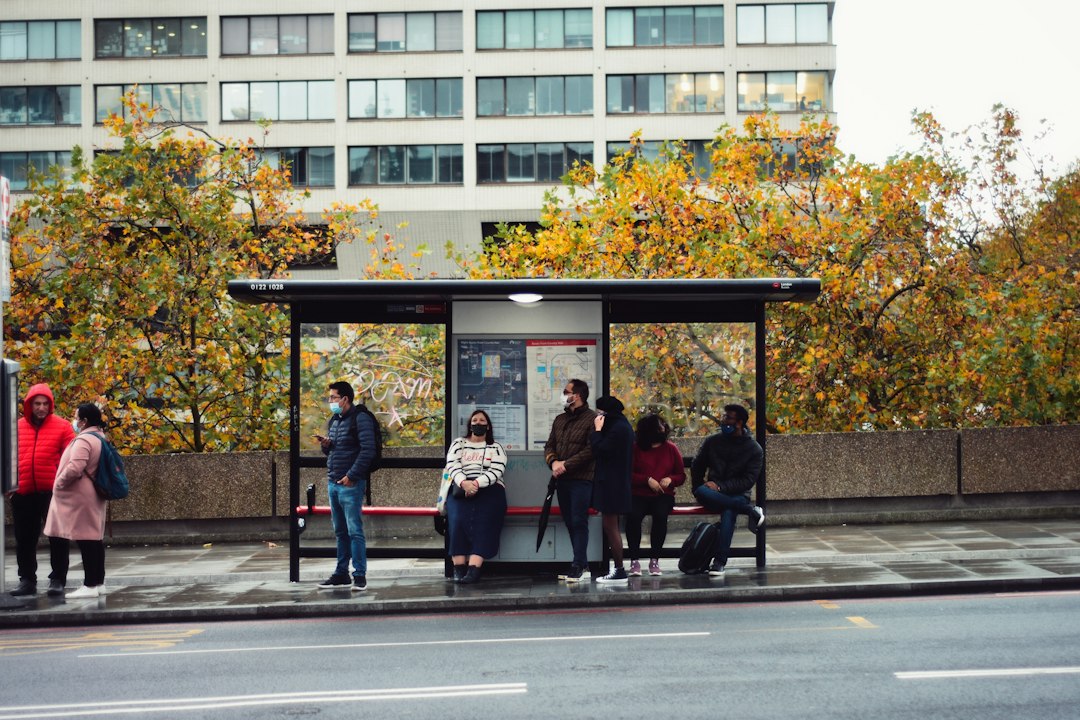
Ireland has a way of making the world feel smaller. Not cramped — but connected. The kind of smaller that happens when a farmer leaning on a stone wall tells you about his grandfather’s land and, for a moment, four generations of one family feel as present as the rain. The kind of smaller that happens when a publican in Kenmare asks where you’re from and actually waits for the full answer. That kind of smaller. And in a world that increasingly prizes speed over depth, that feeling is rarer — and more precious — than ever.
The Gift of Unhurried Attention
Much of what makes Ireland feel so remarkably warm is something that has been quietly phased out of modern life in most places: unhurried attention. The Irish, as a people, have not entirely surrendered to the cult of efficiency. A conversation is not a transaction to be concluded. A stranger is not an obstacle to be navigated around.
This is not romantic fiction — ask anyone who has stopped at a petrol station in Connemara, or asked for directions in Donegal, or sat at a bar in West Cork on a rainy Tuesday afternoon. What you get is rarely a brisk, functional reply. What you get is engagement. Genuine interest. A follow-up question. A recommendation you didn’t ask for that turns out to be the best thing you do all week.
In a world that has grown very efficient at moving people through places quickly, Ireland still moves people through places slowly enough to leave something behind — and to take something meaningful away. That distinction matters far more than any number of scenic viewpoints or heritage sites.
Strangers Who Don’t Stay Strangers
☘️ Join 64,000+ Ireland Lovers
Every weekday morning, get Ireland’s hidden gems, local secrets, and travel inspiration — the kind you won’t find in any guidebook.
Subscribe free — enter your email:
Already subscribed? Download your free Ireland guide (PDF)
📲 Know someone who’d love this? Share on WhatsApp →
Free forever · Unsubscribe anytime
One of the defining features of Irish social culture is its remarkable openness. There is a genuinely low barrier to real conversation. Walk into a pub on your own in Ireland — even in a city — and within twenty minutes someone will likely have included you in something: a round, a debate, a collective groan at the weather forecast. Not in an intrusive way. In the way of people who were never entirely convinced that other people are not interesting.
The Irish Art of Conversation
The Irish approach to conversation is its own distinct art form. It involves a particular and hard-to-teach skill: the ability to be simultaneously funny and sincere, irreverent and genuinely interested. Irish people are, as a general rule, exceptional listeners — which is rarer than it sounds, and explains why so many visitors describe Irish encounters as unexpectedly memorable.
There is a self-deprecating humour that acts as social glue — it signals trust, invites others in, and immediately lowers the temperature of any exchange. An Irish person will mock themselves before they mock you, which is an extraordinarily generous conversational gesture when you think about it.
The Meitheal Spirit
This comes, in part, from deep cultural roots. The Irish tradition of meitheal — communal work, communal gathering, communal effort — runs through the national consciousness in ways that surface in unexpected moments. It shows up when a village turns out for a family in difficulty. It shows up when a small town in Clare lights up for a festival that has no corporate sponsor and doesn’t need one. It shows up when a tourist loses their wallet and three different shopkeepers independently offer to help.
You can read more about the history and meaning of Irish hospitality in our article on Céad Míle Fáilte and why Irish hospitality is one of the most powerful forces in travel — it gets to the heart of where this warmth truly comes from.
Why Ireland Feels Like Home Even on a First Visit
There is a particular phenomenon reported by first-time visitors to Ireland, especially among the Irish diaspora who have grown up hearing about a place they had never actually seen. They land in Dublin or Shannon or Cork, and within hours they feel, inexplicably, as if they have been here before. Not in a mystical sense — though Ireland has its fair share of mysticism — but in the sense that the rhythms of the place feel curiously familiar.
Part of this is cultural transmission. Millions of people around the world grew up with Irish stories, Irish music, Irish humour, and Irish aunts or grandparents who spoke of home with a particular and incurable longing. To arrive in Ireland for the first time, for these travellers, is less a discovery and more a recognition.
But it is also something else. Ireland is a country that genuinely welcomes people — not in a performed, customer-service way, but in the way a place welcomes you when it is comfortable with itself. There is no performance of warmth in Ireland because the warmth is not performed. It simply is what it is, and has been for a very long time.
A Landscape That Gives You Back Your Perspective
It would be incomplete to talk about Ireland’s particular kindness without talking about its landscape, because the two are intertwined in ways that are difficult to articulate but immediately felt. Ireland is a country of extraordinary physical beauty — dramatic coastlines, rolling green hills, ancient stone walls that have stood for centuries, and skies that change with the theatrical regularity of a very committed cast of clouds.
But the landscape does something else as well: it humbles you, gently. Standing at the Cliffs of Moher in the early morning, or looking out over Killary Harbour, or finding yourself alone on a Connemara bog at dusk, you are reminded with quiet efficiency of your correct scale in things. The problems you arrived with don’t shrink — you simply regain your perspective on them.
This is, perhaps, what so many visitors are instinctively capturing when they describe Ireland as making the world feel smaller. The country has an unusual capacity to restore proportion. And in doing so, it makes everything feel more manageable — more human — than it did before you arrived.
The Most Underrated Thing About Visiting Ireland
Travel guides will tell you about the Giant’s Causeway, the Wild Atlantic Way, and the best pubs in Galway — and they are right to. These things are genuinely extraordinary. But the most underrated thing about visiting Ireland is something you cannot photograph or put on a checklist.
It is the feeling, on the third or fourth day, that something has quietly shifted. That you have been stopping more. Talking more. Listening more. That time, which is so rarely on your side at home, has gently rearranged itself into something more generous. That the stranger at the next table is no longer a stranger. That you are, somehow, exactly where you should be.
That is Ireland’s real offering. Not just scenery, not just history, not just stout poured slowly and correctly. It is the reminder that other people are interesting and worth the time — and that a small island at the edge of the Atlantic has been quietly, persistently demonstrating this for centuries.
We’ve explored this same pull in more depth in why visiting Ireland feels like coming home, even if you’ve never been — another look at the moments that make it true.
If this has you thinking about planning your own trip, our Ireland travel planning guide is the best place to start — with itineraries, practical tips, and everything you need to experience a country that will almost certainly surprise you in the best possible way.
Love Ireland? Get weekly stories in your inbox.
Join 169,000+ readers who get the best of Ireland every week — travel tips, hidden gems, and local stories.
Subscribe Free →Tours & experiences you might love


Powered by Viator. Some links are affiliate links — we may earn a small commission at no extra cost to you.
Secure Your Dream Irish Experience Before It’s Gone!
Planning a trip to Ireland? Don’t let sold-out tours or packed attractions spoil your journey. Iconic experiences like visiting the Cliffs of Moher, exploring the Rock of Cashel, or enjoying a guided walk through Ireland’s ancient past often sell out quickly—especially during peak travel seasons.

Booking in advance guarantees your place and ensures you can fully immerse yourself in the rich culture and breathtaking scenery without stress or disappointment. You’ll also free up time to explore Ireland’s hidden gems and savour those authentic moments that make your trip truly special.
Make the most of your journey—start planning today and secure those must-do experiences before they’re gone!