

There’s a theory doing the rounds on the internet, and if you’ve ever sat in a quiet Irish kitchen listening to rain tap against the window, you’ll understand it completely. Some people spend years searching for stillness. Others discover, almost by accident, that what they were really looking for was tucked behind a stone wall somewhere in the west of Ireland. The peaceful villages in Ireland offer something no prescription can replicate: genuine, unhurried quiet. A cup of tea that stays warm. The sound of rain on a slate roof. Neighbours who wave and mean it.
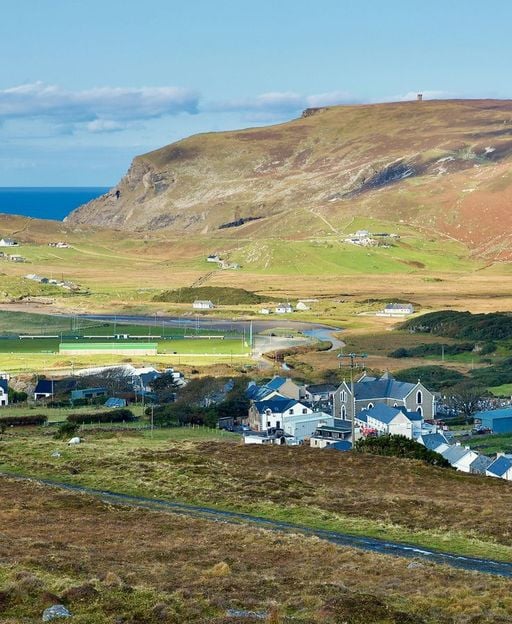
This isn’t romanticised tourism nonsense — it’s a feeling reported by visitors and returning diaspora alike, year after year. And as it turns out, science agrees. Ireland’s quietest corners are doing something very specific to the stressed human brain. If you’re wondering how to plan a visit, our Ireland trip planning hub is the best place to start.
The Healing Power of Peaceful Villages in Ireland
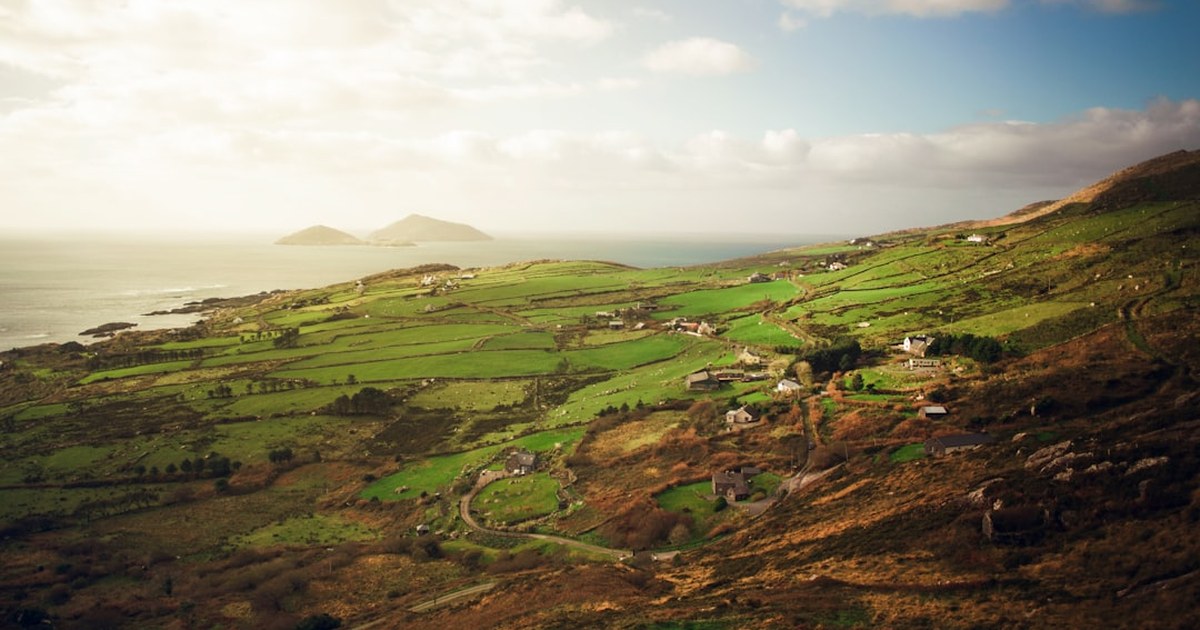
Ireland is not a fast country. The roads narrow without apology. The conversations meander. The tea is always being made. This is not a flaw. It’s the entire point.
Psychologists have long identified what they call “restorative environments” — places where the brain enters a state of effortless attention, where stress hormones drop and the nervous system finally unclenches. Ireland’s quieter corners tick every box: natural scenery, low noise, meaningful social connection, and a pace of life that demands nothing urgent of you.
The Science Behind the Rain on the Window
Ask any Irish person what “cosy” means and they’ll describe an evening indoors while it pours outside. There’s even a phrase for it — the warmth of the home, the fireside, the closed door against the wind. Rain in Ireland isn’t dreary; it’s ambient. It’s permission to slow down.
Research from environmental psychology shows that natural sounds — including rainfall — reduce cortisol levels and lower heart rate. The Irish, of course, have been prescribing this for generations, which explains why a mug of tea and a wet afternoon can feel more restorative than a week of city breaks.
The Most Peaceful Villages in Ireland Worth Visiting
Ballyconneely, County Galway
Perched on the edge of Connemara, Ballyconneely sits where the bog meets the Atlantic. It is, by any measure, one of the quietest inhabited places in Ireland. No traffic lights. No queues. Just long beaches, low sky, and the kind of silence that takes a day or two to fully absorb.
The village is the gateway to Coral Strand, a beach made entirely of tiny white coraline algae — completely unique in Ireland. Walking barefoot along it while the wind blows off the ocean is, according to anyone who has done it, deeply and inexplicably restorative. Plan your visit: Ballyconneely on Discover Ireland.
Ardara, County Donegal
Ardara is a small market village in the heart of the Donegal Gaeltacht, known for its tweed shops, traditional music, and a pace of life that has barely shifted in fifty years. The surrounding hills are laced with walking trails, and on a clear day the views across the Atlantic are the sort that make you wonder why you ever left.
On a wet afternoon, Ardara is everything the viral post describes: you are in a warm pub, there is music, someone puts a cup of tea in front of you, and the rain comes down outside like it always has and always will. This is the Ireland that people come back for, decade after decade. Plan your visit: Official site.
Kilronan, Inis Mór, Aran Islands
Kilronan is the main village on Inis Mór, the largest of the Aran Islands, and it operates on island time — which is to say, it operates on its own time entirely. Ferries come and go, bicycles outnumber cars, and the landscape is limestone and stone walls stretching to the cliff edge.
There are few places in Ireland where you can feel so genuinely disconnected from the noise of modern life. No WiFi anxiety. No commute. Just the ocean, the light, and the extraordinarily old bones of a place that has outlasted empires. Dún Aonghasa fort, perched 100 metres above the Atlantic, has stood since the Bronze Age. Standing on the cliff edge there, you feel very small and very calm at the same time. Plan your visit: Kilronan on Discover Ireland.
Dingle, County Kerry (in the Off-Season)
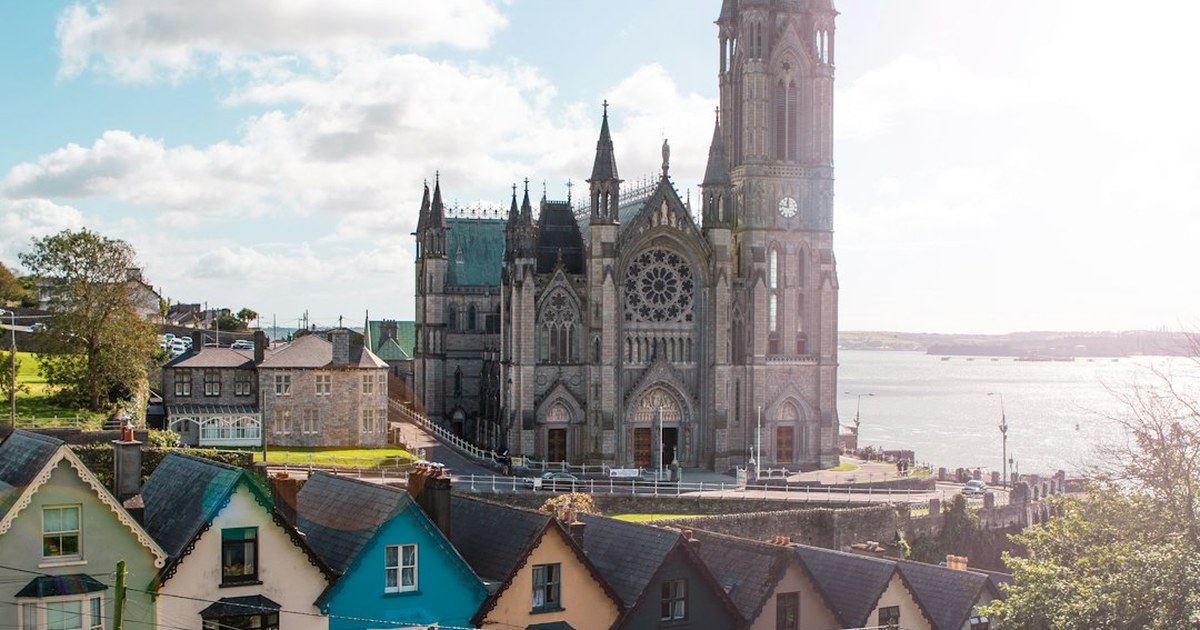
In August, Dingle buzzes with visitors. But between November and March, Dingle retreats into itself — and that version of Dingle is something else entirely. The famous coloured shopfronts are quieter, the harbour is reflective and still, and the pubs are genuinely local. Sit at the bar at one of the old-school establishments and you will meet the real Dingle — the one that exists when the world isn’t watching.
The Dingle Peninsula itself is one of Ireland’s most cinematic landscapes: sea stacks, beehive huts, famine-era villages reclaimed by moss, and the Conor Pass switchbacking up through cloud. It’s a landscape that asks you to pay attention. And paying attention, it turns out, is exactly what a tired mind needs. Plan your visit: Dingle on Discover Ireland.
Clonmany, County Donegal
Clonmany sits in the Inishowen Peninsula, tucked between hills and river, a village that seems barely tethered to the present century. The Mamore Gap looms over it, one of Ireland’s most dramatic mountain passes. Below in the village, the pace is entirely its own. It’s the sort of place where a conversation with a stranger at the post office can last an hour and feel like the best use of time you’ve had all week. Plan your visit: Clonmany on Discover Ireland.
How to Actually Do This Trip
The key to a genuinely restorative Irish village experience is not a packed itinerary. It’s the deliberate opposite. Book a guesthouse or self-catering cottage for at least three nights. Bring books. Walk when you feel like walking. Eat locally. Let the rain happen.
If you’re coming from overseas and planning your first Irish trip, you don’t need to hit every county. Choose a region — Connemara, Donegal, Kerry, or the islands — and go deep rather than wide. Two weeks trying to cover the whole island will leave you more exhausted than when you arrived. Two weeks in one corner of Donegal will change something in you.
Our guide to romantic getaways in Ireland covers many of the most peaceful and beautiful spots ideal for a slower-paced escape — much of what applies to a romantic trip applies equally to a solo retreat or a long-overdue break.
Why This Resonates So Widely
The viral post that inspired this piece — and the enormous response it received online — tells you something true about what people are looking for right now. Burnout is at record levels. Overstimulation is the default setting. And somewhere, buried under the noise, is a longing for something that can’t be downloaded or streamed or optimised: a quiet morning, proper rain, a hot drink, and the particular warmth of a place that has existed, unchanged, for a very long time.
Ireland has been offering this to the world for centuries. Poets, writers, musicians, and ordinary exhausted people have arrived on these shores looking for something they couldn’t name, and found it in a kitchen, a pub corner, a beach at the edge of everything. Every now and then, the world remembers that this is available to them. And they book the flight.
Sometimes the best therapy isn’t a session — it’s a quiet Irish village, a cup of tea, and rain on the window. Ireland has been prescribing this for free for generations. It’s about time the rest of the world caught up.
☘️ Join 64,000+ Ireland Lovers
Every Friday, get Ireland’s hidden gems, local secrets, and travel inspiration — the kind you won’t find in any guidebook.
Thinking about it seriously?
If you’ve started actually planning a move, our complete the full Move to Ireland guide walks through every step, every cost, and the paperwork that catches most people out.
Free forever · One email per week · Unsubscribe anytime
Tours & experiences you might love


Powered by Viator. Some links are affiliate links — we may earn a small commission at no extra cost to you.
Secure Your Dream Irish Experience Before It’s Gone!
Planning a trip to Ireland? Don’t let sold-out tours or packed attractions spoil your journey. Iconic experiences like visiting the Cliffs of Moher, exploring the Rock of Cashel, or enjoying a guided walk through Ireland’s ancient past often sell out quickly—especially during peak travel seasons.

Booking in advance guarantees your place and ensures you can fully immerse yourself in the rich culture and breathtaking scenery without stress or disappointment. You’ll also free up time to explore Ireland’s hidden gems and savour those authentic moments that make your trip truly special.
Make the most of your journey—start planning today and secure those must-do experiences before they’re gone!
Subscribe Free