

Every Sunday evening in rural Ireland, before the long shadows of summer fell across the fields, the music would start. A fiddle first — always the fiddle — and within minutes, feet were already tapping on the road.
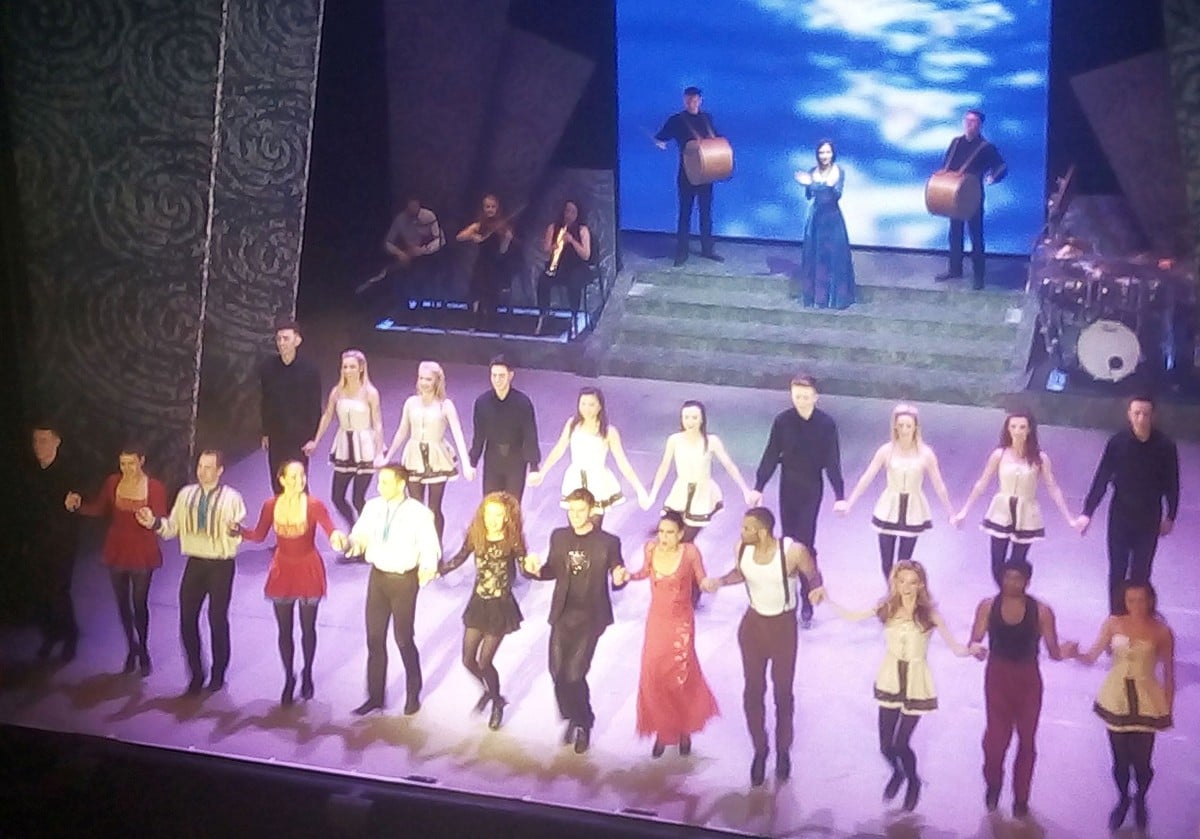
For generations, the crossroads was where Irish country life came alive. And then someone decided to stop it.
Where the Roads Met, the People Danced
Before parish halls, before televisions, before anything resembling organised entertainment reached the countryside, the crossroads was the meeting place of rural Irish life.
Every community had one they called their own — a spot where, when the evening light was right and the air warm enough, the music and the dancing would begin.
These weren’t formal performances. They weren’t competitions or shows. They were simply people, standing on the road that connected them, moving together the way people have always moved when the music is good and the company is right.
A Tradition Written Into the Land
Irish crossroads dancing had roots that ran deeper than anyone could fully trace. Historians connect it to the seasonal celebrations of ancient Ireland — the gatherings at Bealtaine and Lúnasa when communities came together to mark the turning of the year with fire, song, and movement.
The dances themselves were a living catalogue of Irish music: set dances, reels, jigs, and hornpipes passed from one generation to the next not in books or schools, but foot to foot, at the same crossroads, over decades.
Older dancers led the younger ones. Strangers were welcomed. The dances required no invitation.
The Sunday Evening Ritual
The tradition had its own quiet choreography before the music even began.
After Sunday Mass, the afternoon would pass gently — tea, visiting, conversation. Then as evening approached, something would shift. Word would travel through the townland the way it always did: There’ll be music tonight.
Shoes were brushed. Shawls were pinned. And families walked the lanes towards the sound of a fiddle tuning somewhere in the distance.
The crossroads dance was never about spectacle. It was about the belonging that came from being in the right place with the right people when the music started.
The Law That Said No
In 1935, the Irish government passed the Public Dance Halls Act. Under the legislation, all public dancing had to take place in licensed premises — specifically, in the parish halls that the Catholic Church was actively building across the country.
The stated aim was public order and moral supervision. The unspoken target was the crossroads dance itself.
Overnight, gathering at a crossroads to dance became, in the eyes of the law, illegal.
The writer John B. Keane, who loved the west of Ireland the way only someone raised there can, understood what was being dismantled. He wrote about the loss with barely concealed grief — the idea that joy could be administered, licensed, moved indoors, and still remain the same thing. It couldn’t.
What Was Lost — and What Remained
The Act was difficult to enforce uniformly. Rural guards who had grown up dancing at the same crossroads were reluctant to dismantle the tradition their own families had loved.
But the dancing faded. As rural depopulation thinned the villages through the following decades, the crowds that had once gathered so naturally simply weren’t there anymore.
By the 1960s, the crossroads dance was mostly memory. What survived moved into halls, into organised festivals, into competitions — and in doing so, became something subtly different. The spontaneity was gone. The road was gone. The stars overhead were gone.
The Spirit That Never Quite Left
But something endured. The instinct to gather around music, to move together, to let the evening stretch out longer than it should — that never disappeared from Irish life.
You can still feel it today at a traditional Irish trad session in any small pub along the Wild Atlantic Way. The same impulse that took people to the crossroads on a Sunday evening takes them to the corner table now — to listen, to tap a foot, and occasionally to step out onto a floor that, for one evening, feels exactly like a road in summer.
If you’re curious about how Irish dancing evolved from those open-air gatherings into a global art form, the story of why Irish dancers never move their arms is one of the most surprising in all of Irish culture.
And if you’re planning your trip to Ireland and want to find the living pulse of that tradition, you won’t find it in a tourist brochure. Look for a session in a small pub on a weeknight. Sit close enough to feel the music. That’s where the crossroads went.
The dancing never really stopped. It just found a different kind of road.
☘️ Your Irish family has a story waiting to be found.
Discover where your Irish ancestors came from — their county, their name, their story. Our free step-by-step guide walks you through every record, DNA tool, and ancestry archive. Join 64,000+ readers staying connected to Ireland.
Claim Your Free Irish Ancestry Guide →☘️ Want More Hidden Ireland?
Join 64,000+ subscribers who discover Ireland’s best-kept secrets every week.
Subscribe Free — Join the Community →
Free forever · Unsubscribe anytime · No spam
📥 Free Download: Ireland Travel Planning Guide
Our most popular resource — itineraries, insider tips, and the 50 places you must not miss.
Tours & experiences you might love


Powered by Viator. Some links are affiliate links — we may earn a small commission at no extra cost to you.
Secure Your Dream Irish Experience Before It’s Gone!
Planning a trip to Ireland? Don’t let sold-out tours or packed attractions spoil your journey. Iconic experiences like visiting the Cliffs of Moher, exploring the Rock of Cashel, or enjoying a guided walk through Ireland’s ancient past often sell out quickly—especially during peak travel seasons.

Booking in advance guarantees your place and ensures you can fully immerse yourself in the rich culture and breathtaking scenery without stress or disappointment. You’ll also free up time to explore Ireland’s hidden gems and savour those authentic moments that make your trip truly special.
Make the most of your journey—start planning today and secure those must-do experiences before they’re gone!