

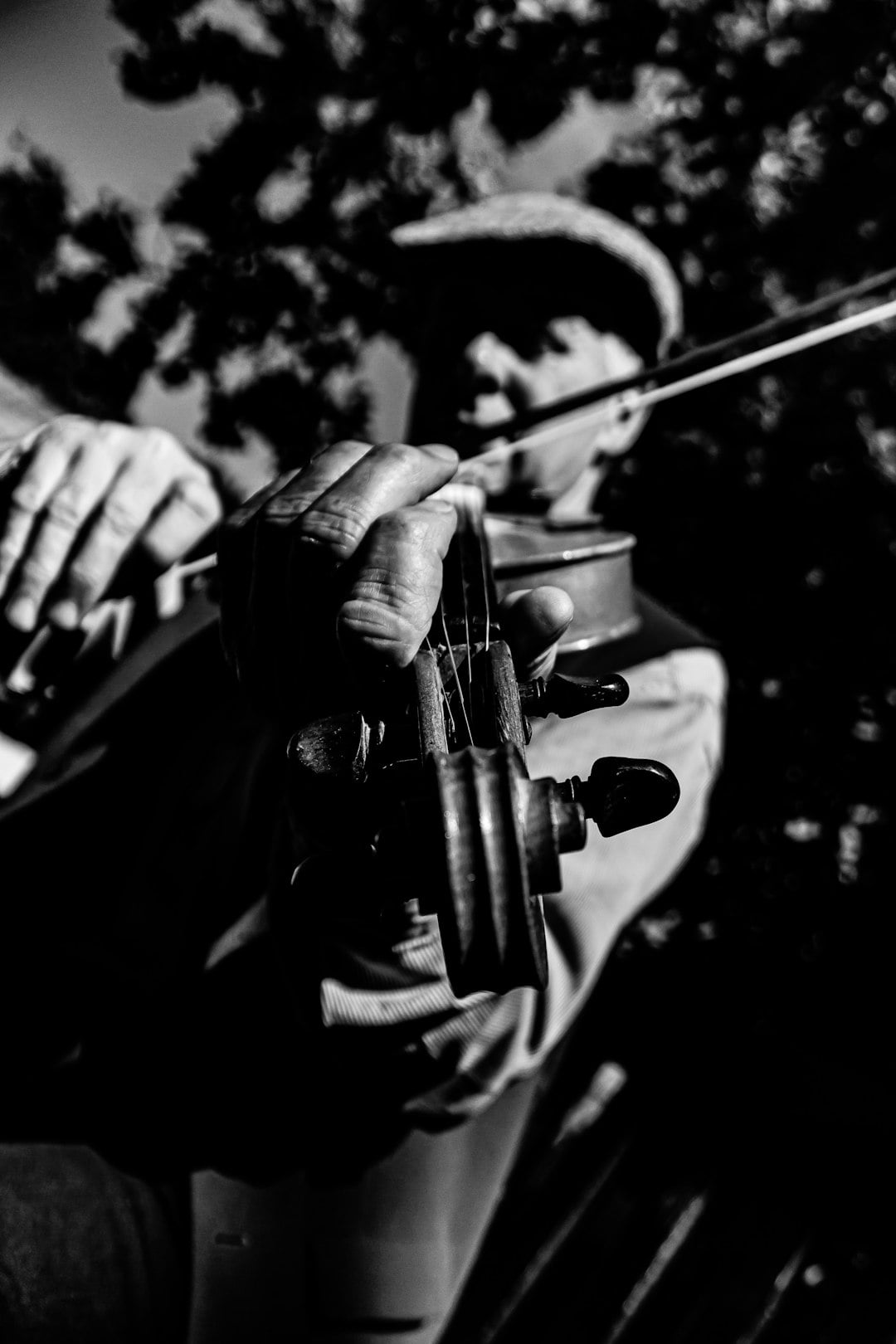
You hear it before you see it. A fiddle threading through the noise, a flute answering back, a bodhrán keeping time like a heartbeat. You push open the pub door and step into something that has been happening in some form for centuries. And absolutely nobody has prepared you for it.
It Is Not a Performance
The single biggest misunderstanding tourists have about an Irish trad session is that they are the audience. They are not.
A session — or seisiún in Irish — is not a concert. There is no stage. There is no set list. The musicians are not playing for you; they are playing with each other. You are welcome to sit nearby, order your pint, and soak it in. But the session exists entirely on its own terms.
This distinction matters more than it might seem.
The Invisible Hierarchy
Every session has an anchor — usually the player who started it, or the most experienced hand in the room. They set the key, choose the first tune, and signal when to move on.
Watch carefully and you will see it happening. A nod, a look, a subtle lift of the bow. Tunes flow into other tunes without a gap, sometimes three or four reels chained together before the set ends.
Nobody announces the names of the tunes. Nobody counts in. The session runs on a shared musical language that took years to develop, and newcomers step into that current — not the other way around.
The Bodhrán Question
If you play an instrument and want to sit in, the etiquette is simple: wait until you are invited, or ask quietly.
The bodhrán — the shallow frame drum that has become an icon of Irish music — is the notable exception. Among musicians, there is a long-running joke that the only thing worse than one bodhrán player is two. A capable player adds immeasurably to a session. An unskilled one can disrupt the whole room within minutes.
This is not snobbery. It is about protecting the music. A trad session is not open-mic night.
What to Do With Your Phone
Put it away. Or at the very least, ask first.
Recording a session quietly for your own memory is generally tolerated. Flash photography, however, disrupts the atmosphere entirely. Pointing a phone camera inches from a musician’s face while they are mid-reel is considered extraordinarily rude.
The musicians are deep in something. They are not props for your social media. If you want to capture the feeling, capture it in your memory — the smell of the turf fire, the cold glass in your hand, the way the fiddle bounces off the low ceiling.
The Best Sessions Are the Ones You Stumble Into
The sessions listed in tourist brochures are fine. Well-played, accessible, and reliably entertaining.
But the sessions that stay with you happen without planning. A handful of musicians squeeze into the corner of a pub in Doolin or Westport on a Tuesday night in October. A teenage fiddle player arrives and turns out to be extraordinary. Someone pulls up a stool and produces a tin whistle from their coat pocket.
If you are planning a trip, the Ireland trip planning guide can help you time it right — traditional music is woven into the calendar in counties like Clare and Galway especially.
The Fleadh: When Sessions Overflow Into the Streets
Every August, a different Irish town hosts Fleadh Cheoil na hÉireann — the All-Ireland festival of traditional music. Hundreds of thousands attend, and the sessions spill out of the pubs entirely.
Street corners become stages. Hotel lobbies fill with reels. A session can break out in a doorway, on a bench, or in the middle of a car park. The Fleadh is the closest thing to understanding what trad music actually is — not a heritage exhibit, but a living conversation.
If you have ever felt moved by the raw emotion of sean-nós singing, a fleadh session will stop you in your tracks. For those wanting a quieter introduction, the Love Ireland newsletter regularly features tips on finding authentic sessions around the country.
The Feeling That Has No English Word
There is a moment that happens in every great session. The tunes have been building. The musicians are locked in. Then the fiddle hits a particular phrase and the whole room shifts — a collective breath held, a feeling you cannot name in English.
The Irish have a word — craic — but what you feel in that moment is older than any word. It is the music speaking in a frequency that needs no translation.
Walk into an Irish trad session without expectations. Stay a little longer than you planned. And when that moment arrives, you will understand exactly why the Irish have never stopped playing.
☘️ You Might Also Love
64,000 Ireland lovers can’t be wrong.
Every week, our free newsletter delivers hidden gems, seasonal guides, local stories, and practical travel tips — straight to your inbox. Join the community that loves Ireland as much as you do.
☘️ Want More Hidden Ireland?
Join 64,000+ subscribers who discover Ireland’s best-kept secrets every week.
Subscribe Free — Join the Community →
Free forever · Unsubscribe anytime · No spam
📥 Free Download: Ireland Travel Planning Guide
Our most popular resource — itineraries, insider tips, and the 50 places you must not miss.
Tours & experiences you might love


Powered by Viator. Some links are affiliate links — we may earn a small commission at no extra cost to you.
Secure Your Dream Irish Experience Before It’s Gone!
Planning a trip to Ireland? Don’t let sold-out tours or packed attractions spoil your journey. Iconic experiences like visiting the Cliffs of Moher, exploring the Rock of Cashel, or enjoying a guided walk through Ireland’s ancient past often sell out quickly—especially during peak travel seasons.

Booking in advance guarantees your place and ensures you can fully immerse yourself in the rich culture and breathtaking scenery without stress or disappointment. You’ll also free up time to explore Ireland’s hidden gems and savour those authentic moments that make your trip truly special.
Make the most of your journey—start planning today and secure those must-do experiences before they’re gone!