

Across Ireland, roughly 45,000 ancient ring forts survive in the landscape. Some sit in the middle of ploughed fields. Some have motorways routed around them. Farmers plant crops right up to their edges — but almost never inside them. These are fairy forts, and even today, most Irish people will not disturb them.
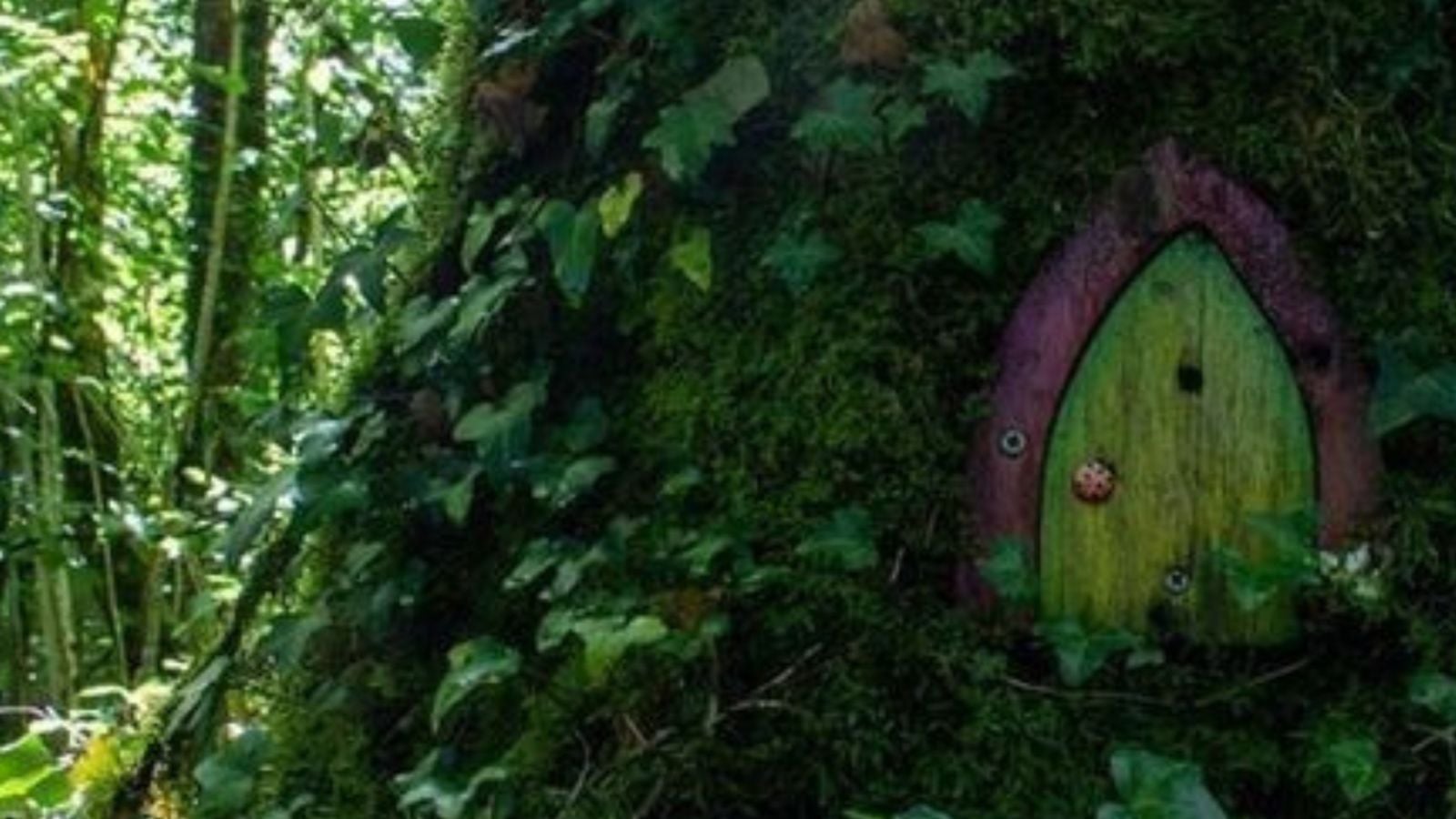
What Is a Fairy Fort?
Ring forts — called raths, lisses, or dúns — are circular earthworks built by early Irish farming communities, mostly between 500 and 1000 AD. They were once homesteads: family farms enclosed by raised earthen banks and ditches for protection against raiders and wolves.
Thousands survive across the Irish countryside. Most are grass-covered mounds rising gently from fields, easy to spot once you know what to look for. Over the centuries, folklore gathered around them. People began calling them fairy forts — the dwelling places of the Sídhe, the fairy folk of Irish mythology.
The fairy folk were said to live below ground, in the old places. Disturb their home and you would pay for it. That belief has kept these mounds intact for generations.
The Belief That Has Protected Them
The old belief is straightforward: touch a fairy fort and misfortune follows. Not minor bad luck — serious misfortune. Cattle dying. Crops failing. Illness coming into the family. The Sídhe, disturbed from their underground realm, would make sure you knew what you had done.
This was not a belief confined to the distant past. Well into the 20th century, Irish farmers warned their children never to dig into a fort, never to remove a stone, never to plough across the bank. Many still hold this view today.
The lone hawthorn tree — often growing directly on or beside a ring fort — carries the same weight. Cut one down and, the old people said, you invite disaster. You can see hawthorn trees standing alone in the middle of fields all over Ireland. Farmers plough around them rather than through them.
The Road That Bent Around a Fairy Fort
In 2000, engineers planning the N18 dual carriageway in County Clare proposed routing the road directly through a fairy fort at Latoon. A local man, Eddie Lenihan — Ireland’s best-known traditional storyteller — mounted a public campaign against it.
He argued that this particular fort was a gathering place for the fairy folk travelling between Munster and Connacht. Destroy it, he warned, and the road would carry the consequences for years to come.
The engineers rerouted the road. The fairy fort still stands beside the carriageway today. No official statement attributed the decision to fairy belief, but the outcome left few people in any doubt about what had happened.
Ireland’s ancient legends have a habit of shaping the present in ways that feel entirely ordinary here.
What Happens to Those Who Ignore the Warning
Stories of consequences circulate through rural Ireland still. A farmer who levelled a rath lost several cattle in the following weeks. A developer who cleared a fairy tree before building a housing estate hit delay after delay, month after month. Whether coincidence or not, the stories get passed down and passed on.
Not every Irish person believes literally in fairies. Many will tell you they are not entirely sure what they believe. But they will also tell you they would not take the risk. There is a phrase you will hear in rural pubs across the country: “Why chance it?” It captures something essential about how Ireland holds its oldest stories — not necessarily as fact, but as something that deserves respect.
☘️ Enjoying this? 65,000 Ireland lovers get stories like this every week. Subscribe free →
The Archaeology They Accidentally Preserved
The fairy belief, ironically, did Ireland’s heritage an enormous service. Because farmers refused to disturb the forts, thousands survived intact while similar earthworks elsewhere in Europe were ploughed flat for farmland over the same centuries.
Archaeologists excavating undisturbed ring forts have found intact souterrains — underground stone passages used for food storage — along with original post holes, animal bones, and pottery stretching back 1,500 years. Objects that would have been lost if a single plough had passed through.
The Sídhe, without meaning to, became Ireland’s most effective conservationists. The folklore preserved what law alone never could.
How to Find a Fairy Fort
You can spot them all over Ireland if you know what to look for. A raised circular mound in a field. A lone hawthorn tree with empty ground all around it. A circular patch of slightly different grass where an earthwork once stood. They are everywhere, hiding in plain sight.
County Fermanagh, County Meath, County Clare, and County Roscommon all have dense concentrations. Some are marked on Ordnance Survey maps. Many are not. The best way to find them is to drive the back roads slowly, keep your eyes on the fields, and stop when something draws you in.
If you are planning a trip to Ireland, consider including the rural midlands — the landscape there is scattered with ring forts. You might drive past ten in a single afternoon without realising it. The tradition of respecting Ireland’s ancient spirits runs through the whole country, from the Atlantic coast to the drumlin fields of the north.
Standing beside a fairy fort is a different experience from any other ancient site. No information boards. No audio guide. No gift shop. Just grass, silence, and the quiet knowledge that this mound has been left alone — carefully, deliberately — for over a thousand years.
Whatever the reason — belief, caution, or deep habit passed down through families — that respect has endured. Ireland kept its fairy forts when the rest of the world ploughed theirs under. They’re still here. Undisturbed, unmarked, and quietly present in almost every field in the country.
☘️ You Might Also Love
☘️ Join 65,000+ Ireland Lovers
Every Friday, get Ireland’s hidden gems, local secrets, and travel inspiration — the kind you won’t find in any guidebook.
Already subscribed? Download your free Ireland guide (PDF)
Love more? Join 43,000 Scotland lovers → · Join 30,000 Italy lovers → · Join 7,000 France lovers →
Free forever · · Unsubscribe anytime
☘️ Want More Hidden Ireland?
Join 64,000+ subscribers who discover Ireland’s best-kept secrets every week.
Subscribe Free — Join the Community →
Free forever · Unsubscribe anytime · No spam
📥 Free Download: Ireland Travel Planning Guide
Our most popular resource — itineraries, insider tips, and the 50 places you must not miss.
Tours & experiences you might love


Powered by Viator. Some links are affiliate links — we may earn a small commission at no extra cost to you.
Secure Your Dream Irish Experience Before It’s Gone!
Planning a trip to Ireland? Don’t let sold-out tours or packed attractions spoil your journey. Iconic experiences like visiting the Cliffs of Moher, exploring the Rock of Cashel, or enjoying a guided walk through Ireland’s ancient past often sell out quickly—especially during peak travel seasons.

Booking in advance guarantees your place and ensures you can fully immerse yourself in the rich culture and breathtaking scenery without stress or disappointment. You’ll also free up time to explore Ireland’s hidden gems and savour those authentic moments that make your trip truly special.
Make the most of your journey—start planning today and secure those must-do experiences before they’re gone!