

You’ve said “galore” before. Maybe “smithereens.” Perhaps you’ve spotted something when you “twigged” what was happening. Every time you’ve used these words, you’ve been speaking Irish. You just didn’t know it.
The Irish language — Gaeilge — has been spoken on this island for over 2,500 years. English arrived much later. When the two languages met, words crossed over. Some moved quietly into everyday speech. Others crossed oceans with the people who carried them.
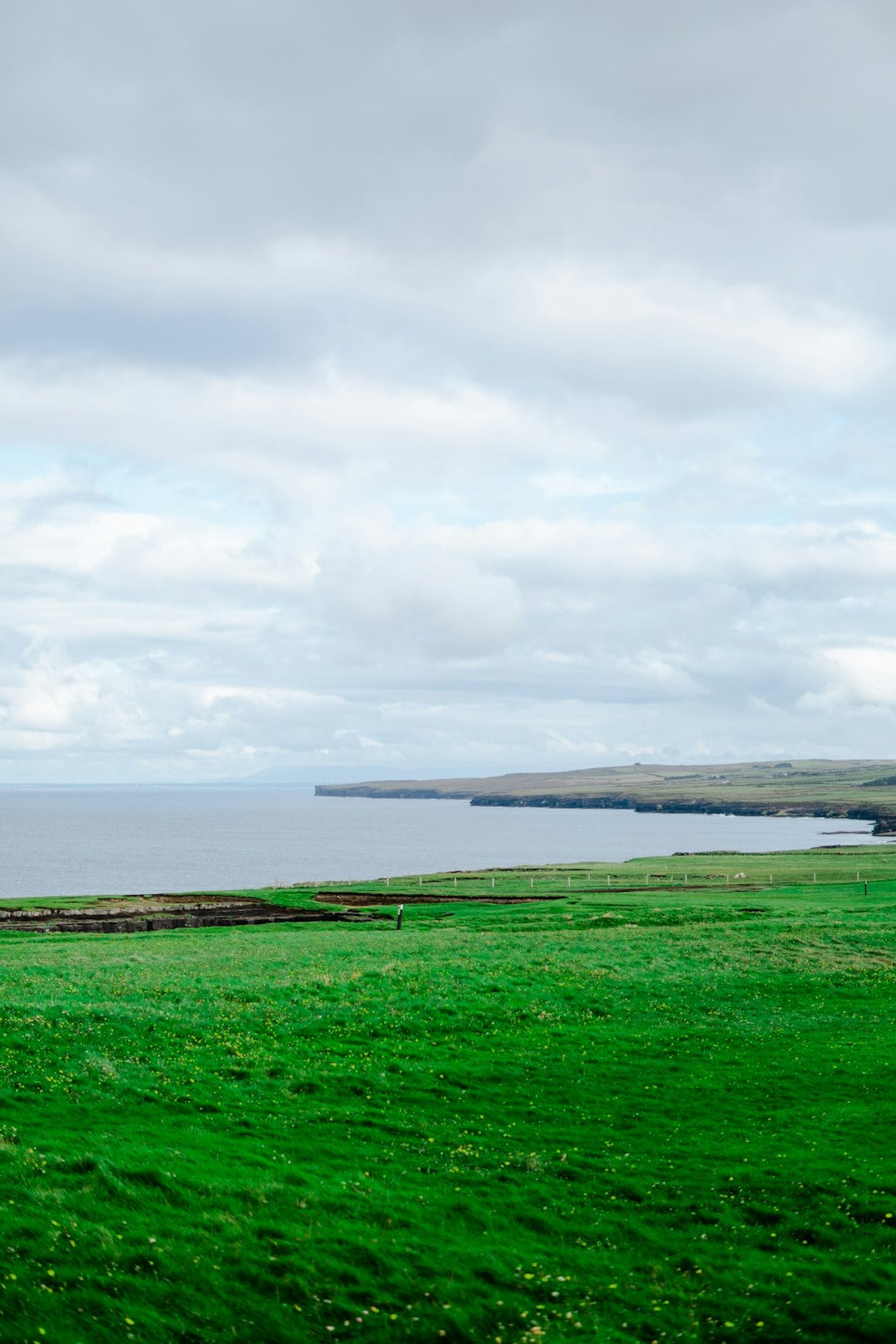
How Irish Slipped Into English
The collision between Irish and English wasn’t gentle. But language rarely cares about circumstance. Words migrate because they’re useful, because they’re vivid, or because the people speaking them carried them so far and for so long that they took root in new soil.
The result is a hidden vocabulary — words used daily in American boardrooms, Australian pubs, British sitting rooms, and Irish kitchens — that has its origins in a language most speakers have never heard spoken aloud.
The Words You Already Use
Start with galore. As in “there were options galore.” It comes from the Irish go leor, meaning “enough” or “in plenty.” It arrived in English in the 17th century and settled in permanently.
Smithereens — the tiny fragments of something shattered — comes from smidirín, a diminutive of smiodar, meaning a small fragment. The Irish habit of making things smaller and more endearing by adding suffixes crossed directly into English.
Slogan sounds thoroughly modern. It’s used for brand taglines, political campaigns, and protest chants. It comes from sluagh-ghairm — the battle cry of an Irish or Highland clan. Sluagh means an army or crowd. Gairm means a shout or call. Every time a marketing team unveils a new slogan, they’re unknowingly echoing an ancient battle cry.
☘️ Enjoying this? 64,000+ Ireland lovers get stories like this every week. Subscribe free →
Words That Crossed the Water
When millions of Irish people emigrated in the 18th and 19th centuries, they brought their words with them. Some became so embedded in the countries they arrived in that the Irish origins were forgotten entirely.
Brogue — originally a rough shoe worn in Ireland, from the Irish bróg — came to mean the Irish accent itself. If someone says you have “a lovely brogue,” they’re using an Irish word to describe how your Irish roots shape your speech.
Hooligan is thought by many linguists to derive from the Irish surname Ó hUallacháin, likely via a fictional Irish character in London newspapers of the 1890s. Its roots in the Irish immigrant community are widely accepted, even if the exact path is debated.
The Words From the Irish Kitchen
Whiskey — with an “e,” as the Irish and Americans spell it — comes from uisce beatha, meaning “water of life.” Drop sounds, speed up speech over centuries, and uisce beatha becomes whiskey. The Scots dropped the “e” to get whisky; the Irish held onto it. Five letters that carry the entire history of Irish distilling.
If you’re planning a trip to Ireland, you’ll hear uisce spoken aloud in the Gaeltacht — the Irish-speaking regions of Connemara, Donegal, and Kerry. These are places where the language never left.
The Words That Still Surprise People
Keen, in the mourning sense — “keening,” the ancient wail of grief at Irish wakes — comes directly from the Irish caoinim, meaning “I weep” or “I lament.” It passed into English as a word for a sharp, penetrating sound of grief.
Twig, as in “I finally twigged what she meant” — understood, caught on — likely comes from the Irish tuig, meaning “to understand.” It passed into English in Ireland and then spread outward with the people.
And craic — the Irish word for fun, lively conversation, and good atmosphere — has made its way well beyond Irish borders. “What’s the craic?” is now understood in pubs far removed from Galway. Its unofficial English spelling varies, but its meaning is unmistakable.
The Language Is Still Here
Gaeilge is spoken as a first language by around 80,000 people in the Gaeltacht today. If you want to hear the living roots of these words, you can. The Irish on road signs across the country gives a glimpse into that world — the same root sounds that became “galore” and “whiskey” are still visible across the landscape.
The language has been kept alive in communities that send their young people to Irish-speaking villages every summer for generations. It is not a relic. It is in use, in homes, on streets, and in the mouths of people who know exactly what they’re saying.
Language is how a culture survives. Even when the speakers scattered to every continent, their words went with them — tucked into American slang, Australian idiom, and everyday English phrases that nobody questioned.
Next time you say “galore” or smash something to smithereens, think of Ireland. You’ve been speaking Irish all along.
☘️ You Might Also Love
☘️ Your Irish family has a story waiting to be found.
Discover where your Irish ancestors came from — their county, their name, their story. Our free step-by-step guide walks you through every record, DNA tool, and ancestry archive. No experience needed.
Already subscribed? Download your free Ireland guide (PDF)
Love more? Join 43,000 Scotland lovers → · Join 30,000 Italy lovers → · Join 7,000 France lovers →
Free forever · · Unsubscribe anytime
Tours & experiences you might love


Powered by Viator. Some links are affiliate links — we may earn a small commission at no extra cost to you.
Secure Your Dream Irish Experience Before It’s Gone!
Planning a trip to Ireland? Don’t let sold-out tours or packed attractions spoil your journey. Iconic experiences like visiting the Cliffs of Moher, exploring the Rock of Cashel, or enjoying a guided walk through Ireland’s ancient past often sell out quickly—especially during peak travel seasons.

Booking in advance guarantees your place and ensures you can fully immerse yourself in the rich culture and breathtaking scenery without stress or disappointment. You’ll also free up time to explore Ireland’s hidden gems and savour those authentic moments that make your trip truly special.
Make the most of your journey—start planning today and secure those must-do experiences before they’re gone!
Subscribe Free