

Walk into any Irish town and you’ll spot the pubs before the church. But while the building tells you where to go, the name tells you why it was built in the first place. Irish pub names are rarely random. Behind most of them sits a story — sometimes dark, sometimes funny, and often both.
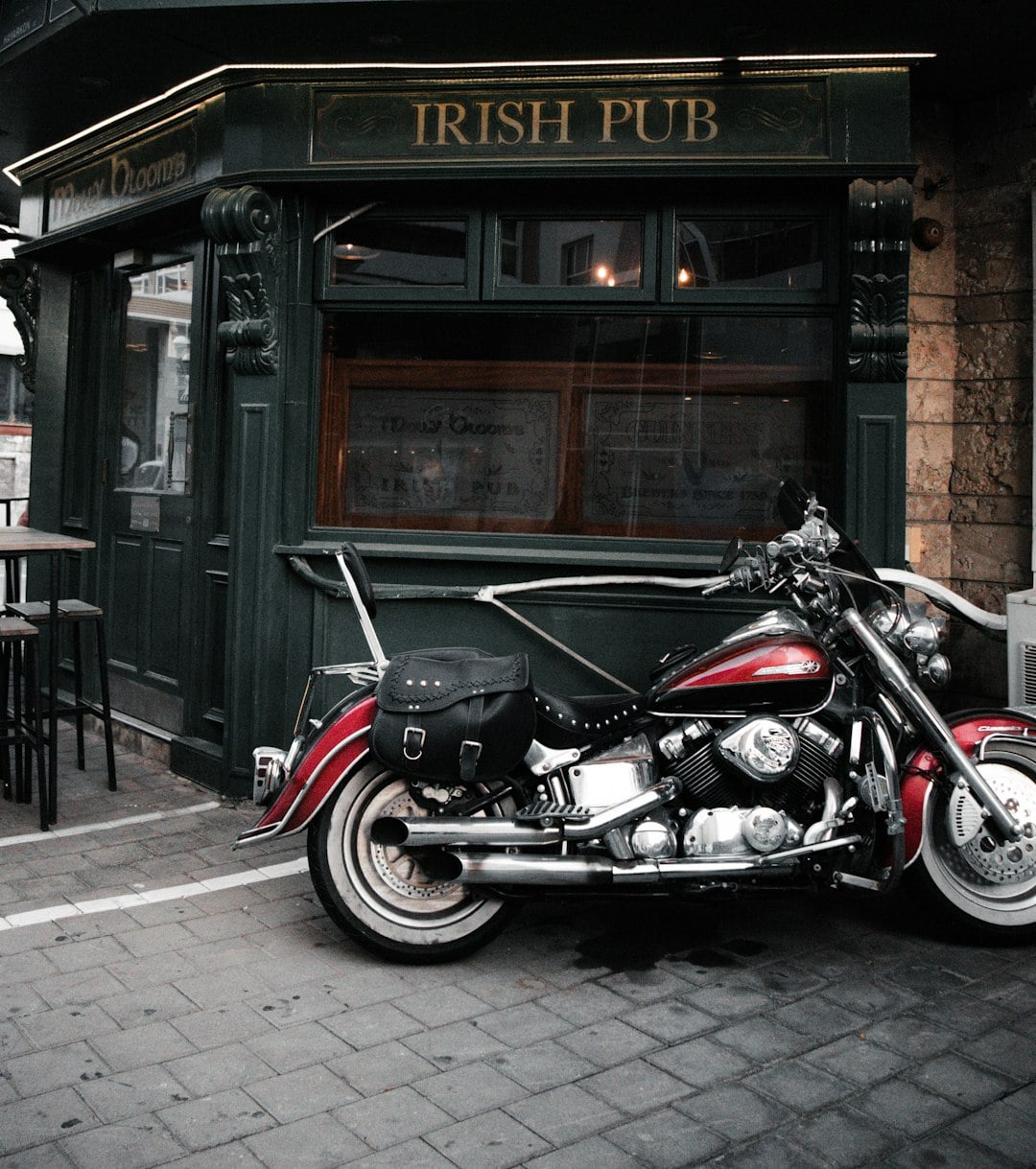
The Names That Remember an Old Trade
Before towns had signage and most people couldn’t read, a pub needed to communicate visually. The symbol above the door told the community what kind of people gathered inside and what kind of work was being done nearby.
The Coachman’s Inn, The Ferryman’s, The Cooper’s — these weren’t romantic inventions. They were maps. The coaching inn sat at the crossroads because the stagecoach stopped there. The ferryman’s house opened early because river crossings happened at dawn.
When the trade disappeared, the name stayed. Today you can stand in a modern Irish town and find a “Farrier’s Arms” or a “Tanner’s Yard” where nobody has worked leather in a century. The building changed. The name kept the memory.
When the Pub Was Named for What Happened There
Some names came from the most literal form of storytelling. Something happened here. People remembered it. The name stuck.
The Gravediggers in Dublin is one of Ireland’s most loved pubs, though its official name is John Kavanagh’s. It earned its nickname because it sits directly beside Glasnevin Cemetery. For generations, the men who worked in the cemetery would pass their pints through a hatch in the wall so they could drink without leaving their post.
The Confession Box, a tiny pub on Marlborough Street beside Dublin’s Pro-Cathedral, takes its name from the War of Independence, when rebels are said to have used its small, dark, private snugs to hold secret meetings and give confession without being overheard. The confession made in private, the name worn in public.
These are the names that survived because they told the truth. Nobody had to explain what they meant. The community already knew.
The Animals That Stood Guard
Stags, foxes, wren’s nests — animals stamped themselves on Irish pub culture for one simple reason: they were recognisable when letters weren’t.
The Stag’s Head on Dame Court in Dublin has been there since 1770. The stag was a heraldic symbol of the hunt — it signalled nobility and speed. A pub bearing a stag over its door was making a quiet announcement about the kind of house it was.
The Wren’s Nest appeared in rural townlands because the wren carried enormous weight in Irish folklore. The “king of birds” — tiny, quick, and everywhere — was associated with the old ways. A pub named for the wren told local people that this was a house that understood tradition. It was a signal, not a decoration.
☘️ Enjoying this? 64,000+ Ireland lovers get stories like this every week. Subscribe free →
When a Surname Was All You Needed
Not every pub needed a grand story. For the working-class pub tradition, a family name was enough — and often more meaningful than any image.
Mulligan’s traces its roots to 1782, though the pub didn’t move into its current Poolbeg Street home until the 1850s. The name says one thing: there was a Mulligan here, and people trusted him. Grogan’s, McDaid’s, Doheny & Nesbitt — these names carry the same directness. No heraldry. No legend. Just accountability.
The Irish pub as family trade — passed from parent to child, name to name — meant that a surname above the door was a kind of warranty. You knew the owner’s name before you walked in. If the beer was off or the measure short, you knew who to hold responsible.
These names have outlasted their original owners by centuries. But the weight of a name endures.
What the Oldest Names Are Actually Saying
Ireland’s oldest pubs carry names from a different world entirely. The Brazen Head in Dublin, established around 1198, takes its name not from boldness but from the brass figure that once hung above the door — a signal to travellers that this was a place of meeting and rest. Before maps and signposts, the figure told you where to stop.
The Bleeding Horse on Camden Street has collected several origin stories over the centuries — a blacksmith’s injured animal, a wounded horse after a skirmish, the practise of bloodletting horses at a farrier nearby. Nobody agrees on which is true. That’s partly why the name survived. A name with a disputed story gets told more often than one with a simple answer.
The word tigh or teach in Irish means “house of.” Many pubs began as Tigh Mháire (Mary’s house) or Tigh Seán (Sean’s place) — community spaces that evolved over centuries into drinking houses. Anglicisation softened the names. But if you say them aloud, you can still hear the Irish underneath. If you’re planning a trip to Ireland, listening for those older sounds is one of the quiet pleasures of the country.
And if you want to understand the unspoken rules that govern life inside these buildings — the round system, the etiquette, the things nobody explains — that’s a whole other story.
Next time you push open the door of an Irish pub and glance up at the name above it, give it a second look. Behind those words might be a man who earned trust over generations. Behind them might be a trade that no longer exists, an animal that carried meaning, or a story so dark or so funny that the village never stopped repeating it.
The Irish pub is not just a building. The name is the first thing it tells you about itself.
☘️ You Might Also Love
☘️ Join 64,000+ Ireland Lovers
Every Friday, get Ireland’s hidden gems, local secrets, and travel inspiration — the kind you won’t find in any guidebook.
Subscribe free — enter your email:
Already subscribed? Download your free Ireland guide (PDF)
Love more? Join 43,000 Scotland lovers → · Join 30,000 Italy lovers → · Join 7,000 France lovers →
Free forever · Unsubscribe anytime
Tours & experiences you might love


Powered by Viator. Some links are affiliate links — we may earn a small commission at no extra cost to you.
Secure Your Dream Irish Experience Before It’s Gone!
Planning a trip to Ireland? Don’t let sold-out tours or packed attractions spoil your journey. Iconic experiences like visiting the Cliffs of Moher, exploring the Rock of Cashel, or enjoying a guided walk through Ireland’s ancient past often sell out quickly—especially during peak travel seasons.

Booking in advance guarantees your place and ensures you can fully immerse yourself in the rich culture and breathtaking scenery without stress or disappointment. You’ll also free up time to explore Ireland’s hidden gems and savour those authentic moments that make your trip truly special.
Make the most of your journey—start planning today and secure those must-do experiences before they’re gone!
Subscribe Free