

Walk into any old Irish pub today and you might not notice it. But step back fifty years and the same building would have been divided in two — physically, socially, silently. And which side you walked to said more about you than any introduction ever could.
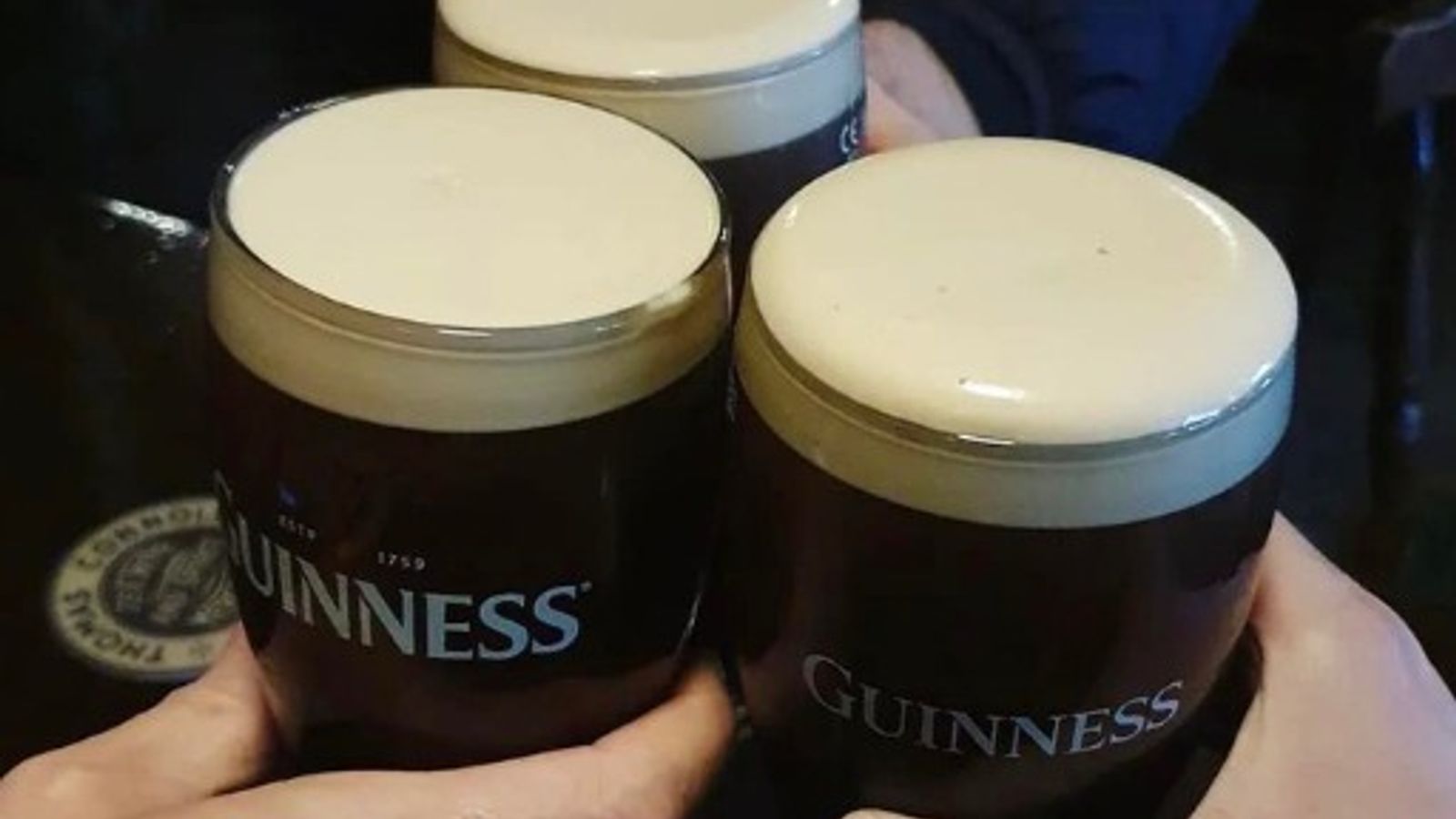
Try the Guinness Timer ⏱️
A perfect pour takes 119.5 seconds — the rest, two minutes, gives the stout time to settle. Time your own pint and see if you wait long enough.
The Public Bar — No Frills, No Nonsense
The bar was the front room. Bare floors. High stools. A counter worn smooth by a thousand elbows. This was where working men gathered — farmers, labourers, tradesmen — after a long day. There was no pretence here and no effort to impress. You came in, you ordered your pint, and you stood.
In most pubs it was called simply “the bar” or “the public bar.” No qualifier needed. Everyone knew what it was. The price of a drink was identical to what they charged in the other room. But everything else was different.
The atmosphere was louder, rougher, and more honest for it. Conversations happened between strangers. Arguments were started and settled. News passed from hand to hand across the counter.
The Lounge — Where Respectability Sat Down
Step through the second door and the world changed. Carpet underfoot instead of flagstones. Low tables, cushioned seats, a lampshade or two. The lounge was quieter, softer, and deliberately so.
This was where women could drink without drawing comment. Where courting couples sat together without causing talk. Where a farmer might bring his wife on a Sunday afternoon after mass. It carried a stamp of respectability the bar did not.
You were not just choosing a seat. You were choosing where you belonged. And in Ireland’s tightly woven social fabric, that choice was never neutral.
Who Drank Where — and Why It Mattered
The rules were never written down, but everyone understood them. A woman walking into the bar alone in 1960s rural Ireland would have drawn stares — not hostility exactly, just the full weight of expectation. The bar was a man’s room. The lounge was for mixed company, for those with a little more standing.
The line could be crossed, but not without consequence. A man who drank in the lounge instead of the bar might be quietly teased for putting on airs. A woman who insisted on the bar was making a statement. Everyone knew the code. It just took nerve to break it.
☘️ Enjoying this? 64,000+ Ireland lovers get stories like this every week. Subscribe free →
The Snug — A Third Option Nobody Admitted To
Between the bar and the lounge, some pubs had a third space: the snug. A tiny private compartment, barely room for four people, with a small hatch to the bar for ordering. No one inside was visible from either main room.
The snug existed for those who needed to drink but could not be seen doing it. Priests. Widows in mourning. The local schoolteacher. Anyone whose reputation required discretion. You would slip through a side door, the hatch would slide open, and your drink would appear without a word. The story of why these rooms existed is one of the stranger corners of Irish social history — and they were used by far more people than anyone admitted.
Why the Two-Room System Made Sense
In rural Ireland of the 20th century, the pub was the only social institution most communities shared. It stood in for the village green, the meeting hall, the gathering place. But a single open room could not serve everyone without causing awkwardness.
The two-room layout was a practical answer to an impossible social puzzle. It allowed a farmer to sit comfortably with his peers while his wife sat elsewhere in the same building. It let both of them be present without forcing a mingling that the culture of the time simply was not ready for. It was imperfect. But it held communities together in a way that a single-room pub could not.
What Happened When the Walls Came Down
By the 1980s, the two-room pub was already fading. Open-plan layouts became fashionable. The idea that women needed a separate room — or that a man who chose the lounge was putting on airs — gradually lost its grip on Irish life.
Today, most pubs are integrated spaces. But in older buildings, particularly in the west and midlands, you can still spot the ghost of the old layout. A step between two rooms. A half-wall that was once solid. A doorway where none should logically be. The architecture remembers even when people have moved on.
The names above the doors tell their own stories too — layers of history compressed into a few words on a painted sign. If you want to find a traditional pub that still carries the spirit of the old Ireland on your next trip, start here to plan your visit.
The two-room pub was never just architecture. It was a mirror — imperfect and now mostly broken — of the society that built it. Walk into a traditional Irish pub today and you are standing somewhere that once held the whole of Irish life in miniature. Two rooms. One door for each world. And everything that went with them.
☘️ You Might Also Love
☘️ Join 64,000+ Ireland Lovers
Every Friday, get Ireland’s hidden gems, local secrets, and travel inspiration — the kind you won’t find in any guidebook.
Subscribe free — enter your email:
Love more? Join 43,000 Scotland lovers → · Join 30,000 Italy lovers → · Join 7,000 France lovers →
Free forever · · Unsubscribe anytime
Tours & experiences you might love


Powered by Viator. Some links are affiliate links — we may earn a small commission at no extra cost to you.
Secure Your Dream Irish Experience Before It’s Gone!
Planning a trip to Ireland? Don’t let sold-out tours or packed attractions spoil your journey. Iconic experiences like visiting the Cliffs of Moher, exploring the Rock of Cashel, or enjoying a guided walk through Ireland’s ancient past often sell out quickly—especially during peak travel seasons.

Booking in advance guarantees your place and ensures you can fully immerse yourself in the rich culture and breathtaking scenery without stress or disappointment. You’ll also free up time to explore Ireland’s hidden gems and savour those authentic moments that make your trip truly special.
Make the most of your journey—start planning today and secure those must-do experiences before they’re gone!
Subscribe Free