

When someone died in rural Ireland, a sound rose from the house that no visitor ever forgot. It began low, like wind through a gap in the wall, then climbed into something that split the air. This was the caoineadh — and the woman who led it was there for a reason.
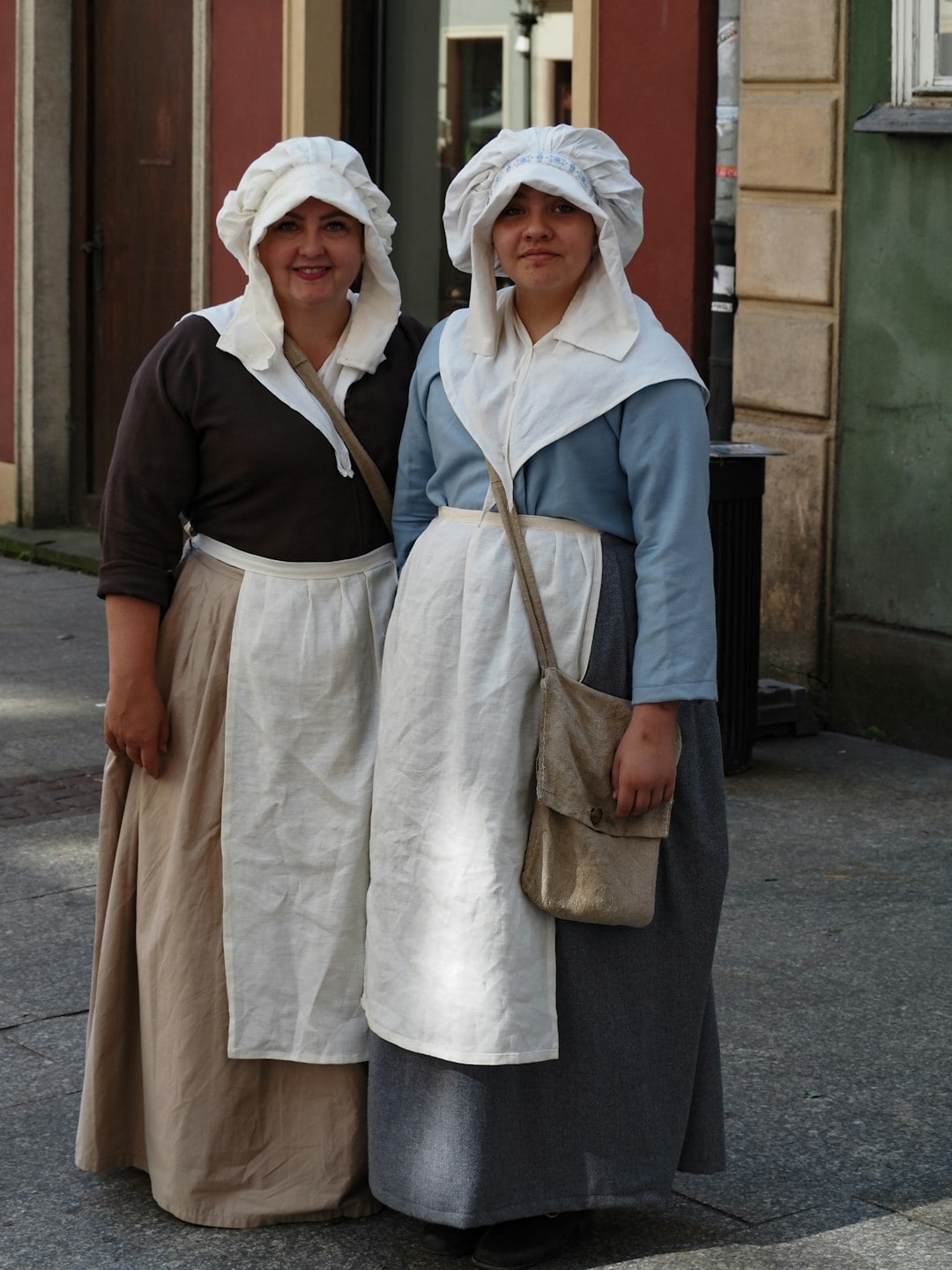
What the Caoineadh Actually Was
The word “caoineadh” (pronounced kwee-nuh) means lament, but that translation barely covers it. This was not quiet weeping.
The caoineadh was a structured vocal composition — part poetry, part song, part raw grief — delivered at the body of the dead.
It followed a form. The keener would name the deceased, list their virtues, and mourn what the living would now go without. She would address the dead directly. She would call on God, on neighbours, on the landscape itself to witness the loss.
In a world before undertakers or funeral homes, the caoineadh was how a community processed death together. If you want to understand what happened inside an Irish wake house, the keening woman was often at its centre.
The Bean Chaointe — Ireland’s Professional Mourning Women
Not everyone could keen. The role of bean chaointe (pronounced ban kwee-inch-ah — “keening woman”) required skill, memory, and a particular kind of courage.
These women were known throughout their parishes. When a death occurred, the family sent word. The bean chaointe arrived, assessed what she knew of the deceased, and composed a lament on the spot.
She was paid — sometimes in food or cloth, later in small coin. Her presence at a wake was a mark of respect. A family who could afford a gifted keener showed the parish how much their dead had mattered.
Some bean chaointe became locally famous for the quality of their laments. Their words were repeated for years afterwards. In the oral tradition, the best of them were poets — without ever being called that.
How Keening Sounded — and Why It Could Fill a Valley
The sound of keening was designed to carry. It was performed at the threshold of the house, at the graveside, and again as the coffin was lowered. Neighbours a field away would hear it and know.
Visitors who witnessed genuine keening often struggled to describe it afterwards. It oscillated — a rhythmic rise and fall, repeated over and over, that caught in the throat of anyone listening. Some compared it to the call of a curlew.
Women in the room would join in when moved to do so. The keen would swell and settle, swell and settle. At certain moments it reached a pitch that felt almost otherworldly.
But it was never uncontrolled. Even at its loudest, the caoineadh had structure. That was the art of it.
☘️ Enjoying this? 64,000+ Ireland lovers get stories like this every week.
Thinking about it for retirement? If you’ve started thinking seriously about retiring there, our complete our full Retire in Ireland guide covers the visa, healthcare, cost-of-living, and the regions worth shortlisting.
Why the Church Wanted It Silenced
The Catholic Church had a problem with keening from an early stage. Synods across the sixteenth and seventeenth centuries repeatedly condemned the practice. Some priests threatened women who keened with exclusion from the sacraments.
The objection was partly theological. Keening drew from a pre-Christian tradition that predated the Church’s authority over Irish life. The loud, physical, communal expression of grief sat uneasily with the preferred tone of quiet, prayerful acceptance.
But there was another issue. At a wake, the bean chaointe led. She set the emotional register of the entire gathering. In an era when female authority was strictly curtailed, this was uncomfortable for those in charge.
Despite repeated condemnation, keening survived — particularly in Connacht and Munster, where oral traditions ran deepest and the old customs held their ground longest.
The Poem That Became Ireland’s Most Famous Lament
The most celebrated example of the caoineadh tradition is Caoineadh Airt Uí Laoghaire, composed in 1773 by Eibhlín Dubh Ní Chonaill after the death of her husband, Art O’Leary, in County Cork.
The poem runs to hundreds of lines. It was composed entirely in the keening style — direct address to the dead, repetition, imagery drawn from the Irish landscape. It was never written down for decades. It lived in memory, passed from woman to woman across generations.
When scholars finally committed it to paper in the nineteenth century, they recognised it as one of the greatest poems in the Irish language. It had survived not because anyone consciously preserved it, but because the tradition of keening made it unforgettable by design.
Where the Tradition Lives On
Formal keening in the old style had largely disappeared by the mid-twentieth century. The last widely documented bean chaointe in Ireland died in the 1940s.
But the tradition has not vanished entirely. Scholars and performers have worked in recent decades to revive the caoineadh as an art form. Singers trained in sean-nós — the unaccompanied Irish singing style — sometimes incorporate elements of the keening tradition into their repertoire.
The wakes themselves changed too. The stories, games, and rituals that once filled an Irish wake house gave way to quieter forms of mourning — but the impulse the caoineadh expressed never disappeared.
If you’re planning a visit and want to explore Ireland’s cultural traditions more deeply, the Ireland travel planning guide is the perfect place to begin.
There is something in the caoineadh that resists tidying. It said clearly what many cultures prefer not to say: that loss is large, that the dead deserve to be mourned loudly, and that grief is a form of love. Ireland knew this long before anyone codified it. The bean chaointe carried it in her voice — and Ireland has never quite forgotten the sound.
☘️ You Might Also Love
☘️ Your Irish family has a story waiting to be found.
Discover where your Irish ancestors came from — their county, their name, their story. Our free step-by-step guide walks you through every record, DNA tool, and ancestry archive. Join 64,000+ readers staying connected to Ireland.
Tours & experiences you might love


Powered by Viator. Some links are affiliate links — we may earn a small commission at no extra cost to you.
Secure Your Dream Irish Experience Before It’s Gone!
Planning a trip to Ireland? Don’t let sold-out tours or packed attractions spoil your journey. Iconic experiences like visiting the Cliffs of Moher, exploring the Rock of Cashel, or enjoying a guided walk through Ireland’s ancient past often sell out quickly—especially during peak travel seasons.

Booking in advance guarantees your place and ensures you can fully immerse yourself in the rich culture and breathtaking scenery without stress or disappointment. You’ll also free up time to explore Ireland’s hidden gems and savour those authentic moments that make your trip truly special.
Make the most of your journey—start planning today and secure those must-do experiences before they’re gone!
Subscribe Free