

Drop a pair of new shoes on the kitchen table in an Irish home and the room will go very quiet, very quickly. Your host will move them before you can wonder what you did wrong. No explanation offered. Just a look.
This is one of those Irish rules that nobody tells you about in advance. And it is one of the oldest.
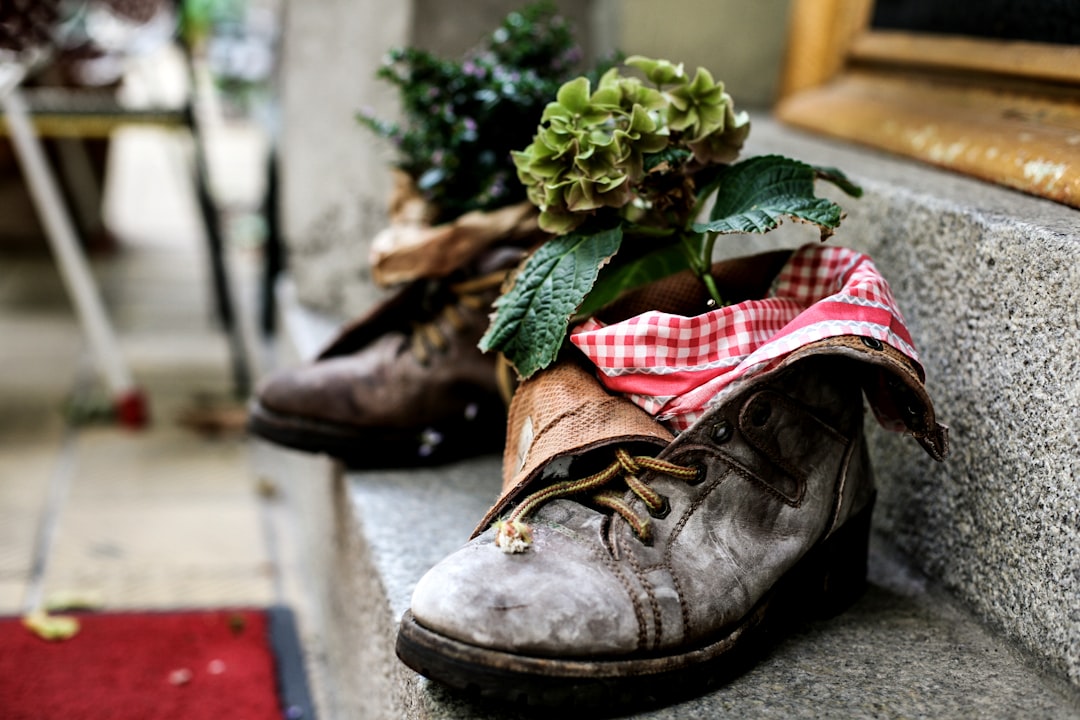
What the Superstition Actually Says
In Ireland, placing new shoes on a table — particularly brand-new ones straight from the box — is considered a serious sign of bad luck. Not a mild, forgettable kind. The serious kind that means illness, misfortune, or even a death in the household.
The belief is still very much alive. Ask in almost any Irish county and someone will have a story. A mother who refused to carry shopping bags with shoes through the house. An uncle who once quietly moved a neighbour’s shoes off a table at a Christmas gathering without being asked.
It is one of those superstitions that catches people — even those who would laugh off most old beliefs — before their logic catches up.
The Dark Origin Behind It
The most widely accepted explanation connects the belief to old Irish funerary customs.
When someone died, it was common practise to lay them out in their best clothes. New shoes — bought specifically for the occasion — were often placed near the body or on the table as part of the preparations. The table in a traditional Irish home was the most sacred surface in the house. It was where the family gathered, where deals were struck, where prayers were said.
Having new shoes there became inextricably linked with death and mourning.
In fishing and mining communities, when a man died away from home, his boots were sometimes brought back and placed on the table to inform the family before any words were spoken. The boots arriving before the man was the worst possible news.
Over generations, new shoes on a table stopped being an ordinary thing. They became an omen.
The Home as a Protected Space
Irish superstitions are rarely arbitrary. Many share the same underlying logic: the home was a sanctuary that needed to be managed carefully.
The doorstep — the threshold — was the boundary between the safe world inside and everything unpredictable beyond it. Objects carried different energies. Some things should never cross that line at all. Others had to enter in the right way, at the right time, or not at all.
Hawthorn branches were never brought indoors — they belonged to the fairy world. Salt spilt on the table had to be thrown immediately over the left shoulder to neutralise the harm. A hat placed on a bed was a bad omen. Sweeping after dark swept your luck out through the door along with the dust.
These weren’t random anxieties. They were a system — a quiet, daily negotiation with luck that kept a household safe.
☘️ Enjoying this? 64,000+ Ireland lovers get stories like this every week.
Thinking about it for retirement? If you’ve started thinking seriously about retiring there, our complete our full Retire in Ireland guide covers the visa, healthcare, cost-of-living, and the regions worth shortlisting.
Other Things No Irish Grandmother Would Allow
The shoes superstition is the most widely known, but it sits within a whole family of household rules that many Irish people still follow without thinking.
New shoes on a bed are almost as unwelcome. An open umbrella indoors was asking for trouble. Whistling inside after dark was thought to attract unwanted attention from the spirit world — as if mistaking the sound for a welcome.
Even giving someone a knife or sharp object as a gift required a coin in return, so the exchange wouldn’t “cut” the friendship. Mirrors were covered when someone died in the house, preventing the soul from becoming trapped in the reflection.
The common thread through all of them is the idea that ordinary objects, in the wrong place or at the wrong moment, carried real weight. An Irish home wasn’t just a building. It was a living relationship with luck — and luck had rules.
You can see the same instinct at work in the horseshoe above the Irish door — hung there not for decoration but with very specific intention, and facing exactly the right direction.
Why These Beliefs Still Hold
You might expect superstitions like these to have faded away by now. In many places they have. But in Ireland, something lingers.
Part of it is cultural memory. These rules were passed down alongside recipes and prayers, woven into the ordinary texture of family life. They didn’t feel like beliefs. They felt like facts.
Part of it is the Irish relationship with the unseen. Ireland is a country where ancient things sit very close to the surface — fairy trees that farmers refused to cut down for generations, holy wells still visited on pattern days, stories that feel less like myths and more like long memory.
The shoes-on-the-table rule isn’t a superstition so much as a habit of caution. An acknowledgement that the world has a logic which isn’t always visible to us. And that it’s wiser, sometimes, not to test it.
Ireland, Quietly Careful
The next time someone moves your shoes from the table in an Irish home, you’ll understand. It isn’t rudeness. It is something much older than manners.
It is a household quietly protecting itself — a negotiation with luck that has been happening in Irish kitchens for longer than anyone can fully remember.
You don’t have to believe any of it. But you might find yourself putting the shoes on the floor anyway. Just in case.
☘️ You Might Also Love
☘️ Your Irish family has a story waiting to be found.
Discover where your Irish ancestors came from — their county, their name, their story. Our free step-by-step guide walks you through every record, DNA tool, and ancestry archive. Join 64,000+ readers staying connected to Ireland.
Tours & experiences you might love


Powered by Viator. Some links are affiliate links — we may earn a small commission at no extra cost to you.
Secure Your Dream Irish Experience Before It’s Gone!
Planning a trip to Ireland? Don’t let sold-out tours or packed attractions spoil your journey. Iconic experiences like visiting the Cliffs of Moher, exploring the Rock of Cashel, or enjoying a guided walk through Ireland’s ancient past often sell out quickly—especially during peak travel seasons.

Booking in advance guarantees your place and ensures you can fully immerse yourself in the rich culture and breathtaking scenery without stress or disappointment. You’ll also free up time to explore Ireland’s hidden gems and savour those authentic moments that make your trip truly special.
Make the most of your journey—start planning today and secure those must-do experiences before they’re gone!
Subscribe Free