

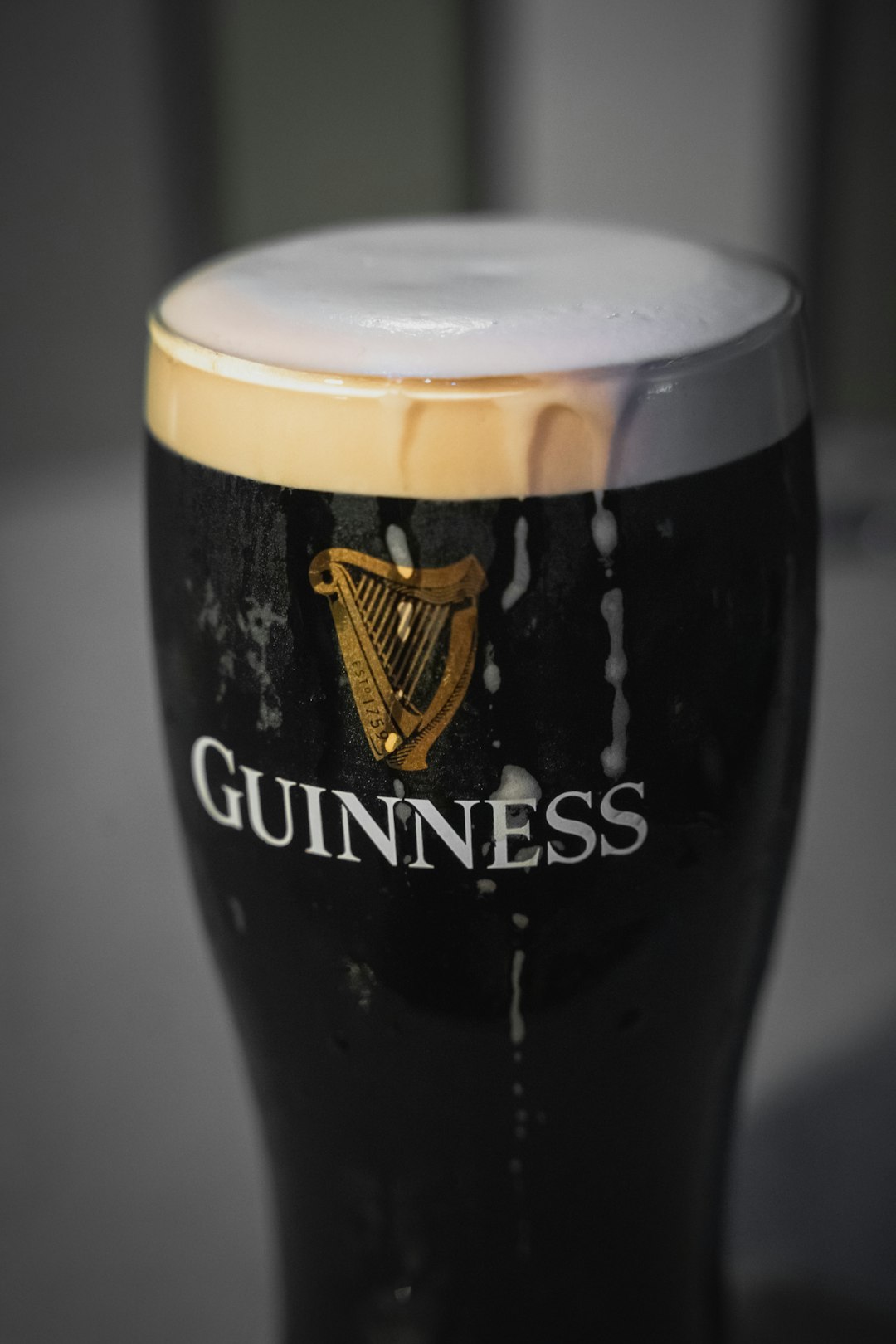
You order a Guinness. The bartender tilts the glass, fills it roughly three-quarters full, sets it down on the counter — and walks away. Nobody explains anything. Nobody apologises. You wait. And if you are in the right pub, that wait is the whole point.
Try the Guinness Timer ⏱️
A perfect pour takes 119.5 seconds — the rest, two minutes, gives the stout time to settle. Time your own pint and see if you wait long enough.
The Rule That Every Irish Bartender Knows by Heart
The two-part pour is not a quirk or an affectation. It is a standard. Guinness instructs bartenders to pour in two stages, with a deliberate rest period in between. The full process takes roughly 119.5 seconds — just under two minutes from start to first sip.
The glass is held at an angle and filled to about three-quarters. Then it is placed on the counter and left to settle. The creamy head rises slowly. The dark body forms below. When the bartender judges it ready — and only then — they return to top it off, doming the head just above the rim of the glass.
Mess with that sequence and you get a different drink. It might look similar. It will taste different.
Why the Bubbles Fall the Wrong Way
Most carbonated drinks push bubbles upward. Guinness does something unexpected. The nitrogen bubbles in a settling pint cascade downward, creating the swirling surge you can watch through the glass before everything stills.
This happens because of the nitrogen and carbon dioxide mix used to pressurise the beer. Nitrogen creates smaller bubbles than CO₂ alone. Those bubbles get dragged downward by fluid circulating inside the glass as the pint settles. The effect you see — cloudy, swirling, darkening — is not decoration. It is physics at work.
Pouring too quickly disrupts the cascade. The pint looks fine on the outside. But the texture, the mouthfeel, the sharp bite of the head — all suffer. The nitrogen never gets the time it needs to do its job properly.
Two Minutes That Are Never Wasted
In the right pub, the wait is part of the experience. You watch the pint settle. The tan head firms up. The liquid below darkens from a murky caramel to something close to black. There is satisfaction in a drink that asks you to be patient.
In rural Ireland, the settling time was social time. A chance for the barman to check in on someone further down the bar, for a stranger to say hello, for conversation to begin. The pause created space. And Irish pub culture has always known exactly what to do with space.
The two-part pour fits neatly into a broader Irish approach: some things deserve time, and rushing them is disrespectful — not to the drink, but to the person who ordered it.
☘️ Enjoying this? 64,000+ Ireland lovers get stories like this every week.
Thinking about it seriously? If you’ve started actually planning a move, our complete the full Move to Ireland guide walks through every step, every cost, and the paperwork that catches most people out.
What a Rushed Pint Tells You About a Pub
A bartender who fills your glass straight to the top in a single pass is telling you something. It might be that they are busy. It might be that nobody trained them properly. It might simply be that the pub does not care.
A properly poured Guinness signals attention. It says the person behind the bar respects the drink, and by extension, the person holding it. That sounds like a great deal to read into a pint of stout. But in Ireland, the quality of the Guinness is genuinely taken as a measure of a pub’s character.
Locals hold their local to this standard — quietly, and without discussion. A bad pint once is forgivable. A bad pint twice and they know all they need to know. For a guide to the pubs across the country that consistently pour it properly, The Best Pubs in Ireland: A Region-by-Region Guide is worth reading before you plan your trip.
The Pubs Worth Waiting In
Two pubs have been pouring Guinness long before the two-part process was ever officially written down.
Sean’s Bar, Athlone
Located on the western bank of the River Shannon, Sean’s Bar lays claim to being the oldest pub in Ireland — a title backed by archaeological evidence dating the site to the tenth century. The building is as characterful as the pint, and the staff take both seriously. Worth a stop if you are crossing the midlands.
The Brazen Head, Dublin
The Brazen Head disputes the oldest-pub claim and has done so for decades. Located on Bridge Street in Dublin, it has been serving since at least 1198 by its own reckoning. The dispute between these two pubs is entertaining and ongoing. Both are worth visiting for the pint and the argument.
Mulligan’s, Dublin
Mulligan’s on Poolbeg Street has a quieter reputation but a fierce one among locals. No live music, no tourists dancing on the bar. Just one of the most respected pints in Dublin, poured the way it should be. A classic city pub that has changed very little, and shows no intention of doing so.
Ireland does not rush things that matter. The land, the language, the stories that pass between generations — none of it was ever done in haste. The Guinness pour sits comfortably in that tradition. Next time a bartender sets your unfinished pint on the counter and turns their back, do not be offended. Be grateful. You are about to have a proper one.
☘️ You Might Also Love
☘️ Join 64,000+ Ireland Lovers
Every Friday, get Ireland’s hidden gems, local secrets, and travel inspiration — the kind you won’t find in any guidebook.
Subscribe free — enter your email:
Love more? Join 43,000 Scotland lovers → · Join 30,000 Italy lovers → · Join 7,000 France lovers →
Free forever · · Unsubscribe anytime
Tours & experiences you might love


Powered by Viator. Some links are affiliate links — we may earn a small commission at no extra cost to you.
Secure Your Dream Irish Experience Before It’s Gone!
Planning a trip to Ireland? Don’t let sold-out tours or packed attractions spoil your journey. Iconic experiences like visiting the Cliffs of Moher, exploring the Rock of Cashel, or enjoying a guided walk through Ireland’s ancient past often sell out quickly—especially during peak travel seasons.

Booking in advance guarantees your place and ensures you can fully immerse yourself in the rich culture and breathtaking scenery without stress or disappointment. You’ll also free up time to explore Ireland’s hidden gems and savour those authentic moments that make your trip truly special.
Make the most of your journey—start planning today and secure those must-do experiences before they’re gone!
Subscribe Free