

Walk into any Irish dance competition — called a feis — and the first thing that hits you is the colour. Hundreds of dresses, every one ablaze with intricate embroidery. Spirals. Celtic knots. Shamrocks. It looks spectacular. But most people watching have no idea what any of it means.
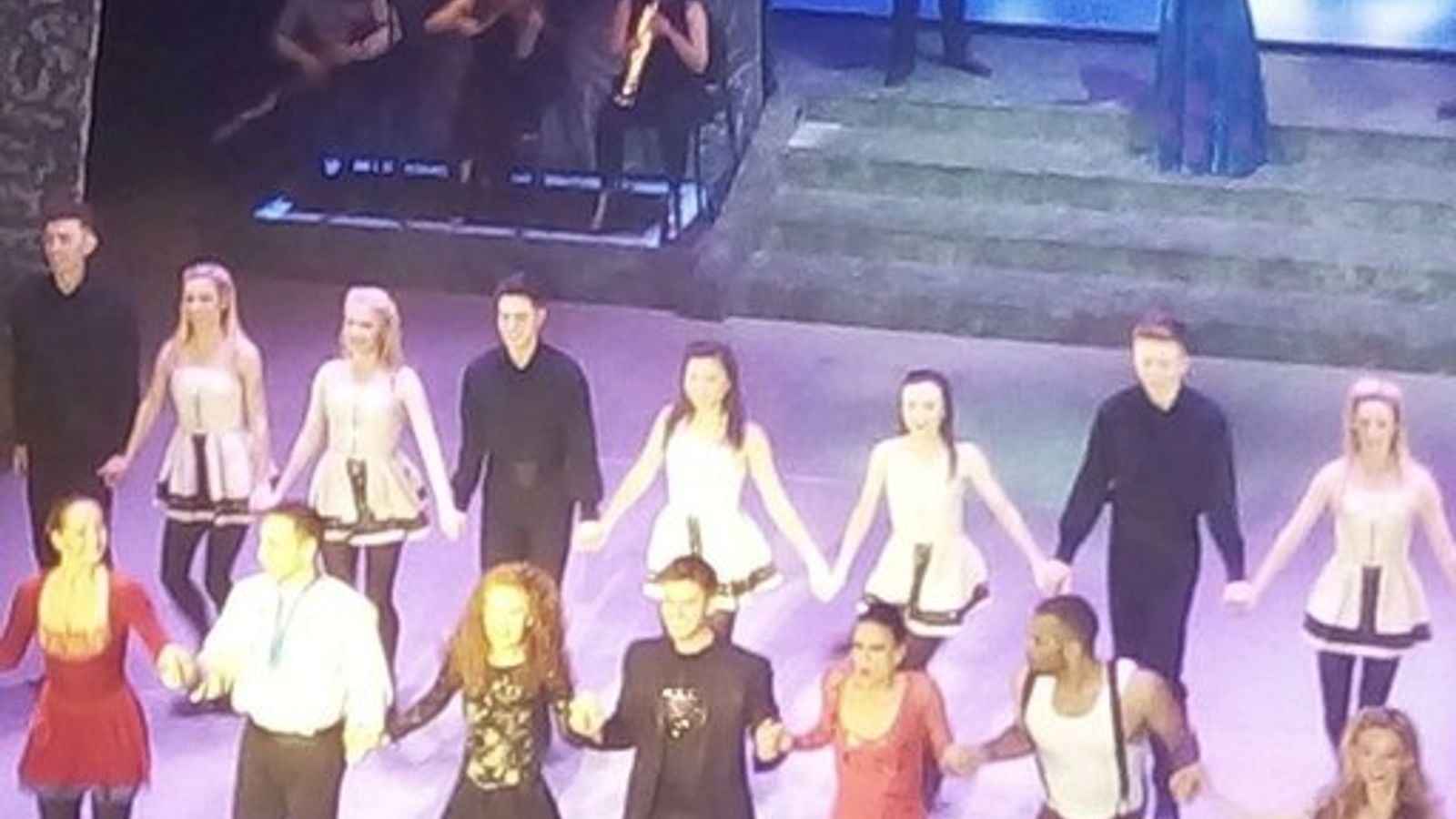
From Simple Shawls to Stage Costumes
Before the 20th century, Irish dancers didn’t dress any differently from anyone else in their village. A woman might dance in her everyday wool skirt and shawl. A man in his working clothes.
The shift began in the late 1800s when a movement to revive Irish language, music, and dance took hold across the country. Organisations promoting Irish cultural expression began encouraging performers to wear something that spoke to their heritage. Simple embroidered blouses and long skirts became the early standard.
By the 1920s, feiseanna (the plural of feis) were drawing hundreds of competitors. Schools began designing their own distinct styles. And with competition came the desire to stand out.
What the Patterns Actually Mean
The embroidery on a solo dancing dress is rarely random. Every motif carries centuries of meaning.
The Celtic knot — that endless interlocking pattern with no beginning and no end — represents the continuity of life, love, and eternity. It appears on standing stones, in illuminated manuscripts, and now on competition dresses worn in sports halls across Ireland.
Spirals echo the carvings at Newgrange, built 5,000 years ago. They symbolise growth, transformation, and the turning of seasons.
Shamrocks and triskelions speak directly to Irish identity. Three-point symbols throughout Irish culture represent earth, sea, and sky — or past, present, and future.
Each Irish dance school chooses its own combination of motifs. Colours often reflect county or regional heritage. Some families commission entirely custom dresses, with personal symbols worked into the stitching by hand.
What a Dress Actually Costs
In the early days of competition dancing, mothers sewed dresses by hand from whatever fabric they could find. Modesty and practicality were the priorities.
Today, a class dress — the shared costume worn by beginners in a school — might cost €175 to €350. But a solo dress for a serious competitor? That’s a very different conversation.
High-level solo dresses now regularly sell for €1,750 to €3,500. The most elaborate, custom-embroidered creations from specialist makers can reach €6,000 or more. Swarovski crystals — first added as subtle accents in the 1990s — became a defining feature. A single dress might contain thousands of hand-placed stones.
☘️ Enjoying this? 64,000+ Ireland lovers get stories like this every week.
Thinking about it for retirement? If you’ve started thinking seriously about retiring there, our full Retire in Ireland guide covers the visa, healthcare, cost-of-living, and the regions worth shortlisting.
How Riverdance Changed Everything
For decades, Irish dancing was a regional pursuit. The feis circuit existed, but outside Ireland and the Irish diaspora, few people were watching.
Then came the 1994 Eurovision Song Contest interval act. Seven minutes. Dozens of dancers. The whole world’s attention. That performance didn’t just make Irish dancing famous — it made it aspirational. Enrolments in Irish dance schools jumped across Ireland, Britain, America, and Australia.
The Riverdance aesthetic influenced competition costumes dramatically. More theatrical. More elaborate. More sparkle. What had been a regional tradition became a global industry.
Soft Shoes, Hard Shoes — and the Dress That Goes With Each
Not all Irish dancing uses the same footwear, and the dress style follows the shoe. Understanding this is the difference between knowing what you’re watching and just seeing movement.
Soft shoe dances — reels, slipjigs — are graceful and flowing. Dresses for these events tend to be more lyrical in design, often with dramatic skirts that catch the air. Hard shoe dances — hornpipes, trebles — are powerful and percussive. The sound of the shoes striking the floor is part of the performance itself. You can read more about why Irish dancers never move their arms — another aspect of the tradition that surprises most visitors.
Most competitive dancers learn both styles. The costume wardrobe a serious dancer builds over a career represents a significant investment — and a point of considerable family pride.
The Dress as Heirloom
Here is something that rarely comes up in conversation at a feis: many of the most beautiful dresses are shared.
Some schools maintain dress libraries. Costumes are handed down from older students to younger ones, altered to fit, then passed on again. A beloved dress might compete in dozens of feiseanna over a decade before it’s retired.
Families who commission custom dresses sometimes keep them for generations. A grandmother might bring out a dress worn in the 1970s, the embroidery still vivid, the Celtic knotwork still telling the same story it always did.
The next time you see an Irish dancer take the stage — whether at a village feis in Sligo or the World Championships in Dublin — look at the dress. Look at the knotwork along the hem. Look at the spirals at the cuffs. Somebody chose those symbols. Somebody stitched them in. And behind that dress, there’s a tradition that stretches back further than any competition date, any syllabus, any stage.
If you’re planning a trip to Ireland, our Ireland planning guide will help you experience this culture for yourself.
☘️ Join 64,000+ Ireland Lovers
Every Friday, get Ireland’s hidden gems, local secrets, and travel inspiration — the kind you won’t find in any guidebook.
Subscribe free — enter your email:
Already subscribed? Download your free Ireland guide (PDF)
Love more? Join 43,000 Scotland lovers → · Join 30,000 Italy lovers → · Join 7,000 France lovers →
Free forever · · Unsubscribe anytime
Tours & experiences you might love


Powered by Viator. Some links are affiliate links — we may earn a small commission at no extra cost to you.
Secure Your Dream Irish Experience Before It’s Gone!
Planning a trip to Ireland? Don’t let sold-out tours or packed attractions spoil your journey. Iconic experiences like visiting the Cliffs of Moher, exploring the Rock of Cashel, or enjoying a guided walk through Ireland’s ancient past often sell out quickly—especially during peak travel seasons.

Booking in advance guarantees your place and ensures you can fully immerse yourself in the rich culture and breathtaking scenery without stress or disappointment. You’ll also free up time to explore Ireland’s hidden gems and savour those authentic moments that make your trip truly special.
Make the most of your journey—start planning today and secure those must-do experiences before they’re gone!
Subscribe Free