

On the evening of 30 April 1994, an audience of 3,000 people packed into Dublin’s Point Theatre for the Eurovision Song Contest. The interval act was about to begin. Nobody knew they were about to watch Irish culture change forever.
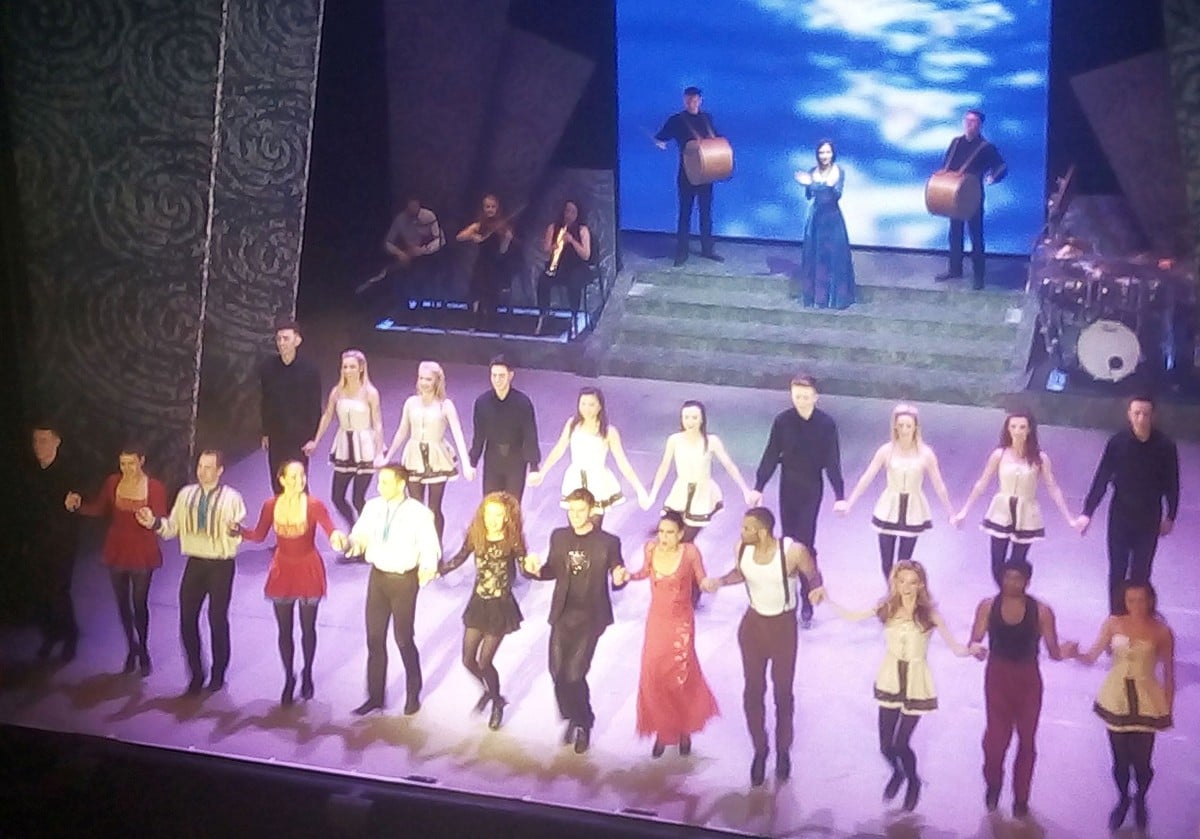
Before That Night, Irish Dancing Had Been Hiding
For much of the 20th century, Irish step dancing was seen — even by many Irish people — as modest and contained. Arms held rigid at the sides. Faces expressionless. A tradition that seemed almost apologetic about itself.
That stillness had deep roots. Some historians trace it to penal-era Ireland, when dancing at cottage doorways or on flat stone slabs meant only the footwork was visible from a distance. The upper body stayed still — not from tradition, but from necessity. The culture had learned to hide its joy.
By the late 20th century, that restraint had calcified into a formal competition style that, to outside eyes, looked stiff and strange. Irish dancing had become Ireland’s best-kept secret — remarkable to insiders, invisible to the world.
Seven Minutes That Stopped Time
Bill Whelan’s score opened with a single drumbeat. Then the uilleann pipes entered, low and urgent. Jean Butler walked onto the stage in a silver dress, and Michael Flatley joined her — and from the first note, something was clearly different.
The arms were free. The bodies moved. The whole performance radiated a confidence that Irish culture rarely allowed itself to show in public.
When the piece ended, the auditorium went still for a single held breath. Then 3,000 people rose to their feet. The footage of that standing ovation — and the look on the dancers’ faces — remains one of the most watched moments in Irish television history.
What Riverdance Was Really Saying
The timing mattered as much as the performance. Ireland in 1994 was at an inflection point. Unemployment was falling. Emigration, which had bled every Irish generation for 150 years, was beginning to reverse. A country that had spent decades apologising for itself was starting to believe in something different.
Riverdance wasn’t only a dance show. It was a declaration. We are here. This culture is ours. Watch us.
That night’s broadcast reached an estimated audience across Europe of over 300 million. In Ireland, people who watched it remember exactly where they were — the way some generations remember moon landings or final whistles.
The Show That Changed Everything
The seven-minute interval act became a full stage show within a year. Riverdance opened as a standalone production in Dublin in February 1995 and broke box office records that no Irish entertainment product had reached before.
It toured across five continents and performed in over 450 venues. By the end of its first decade, more than 25 million people had seen it live. Michael Flatley later departed to create his own production, but both shows drew from the same electric moment — one evening in Dublin when Irish dancing stopped being a secret and became a spectacle.
What It Gave to Irish Dance Worldwide
The impact on Irish dance schools worldwide was immediate and extraordinary. Enrolments surged across Britain, America, Australia and beyond. Children whose grandparents had danced in parish halls were signing up for feis competitions in Chicago, Sydney and London.
The competitive world — with its feiseanna, curly wigs and embroidered costumes — remained, but it now existed alongside something else: a performance tradition the whole world had seen and wanted more of.
Ireland’s traditional music, dance and culture have always existed in the same current — a single river running from ancient roots to modern expression. If you want to feel that energy up close, a live trad session in an Irish pub is as close as most visitors ever get to the beating heart of it. Some nights, the music pulls at something you didn’t know you carried.
The Legacy That Dances On
Walk into any village square during a summer festival today, or find yourself beside a stage at the Fleadh Cheoil, and you’ll hear the same drums that opened that night in 1994. The feet keep time. The arms move freely. A culture that once danced in secret is dancing in the open.
If you’re planning a trip and want to experience these living traditions for yourself, the Love Ireland planning hub is the best place to start building a trip around the real Ireland — not just the postcards.
The Love Ireland newsletter covers the best festivals, trad nights and cultural events across the island throughout the year — well worth signing up before you travel.
Riverdance wasn’t Ireland’s first proud cultural moment. But it was the one that happened in front of the whole world — and the whole world applauded.
64,000 Ireland lovers can’t be wrong.
Every week, our free newsletter delivers hidden gems, seasonal guides, local stories, and practical travel tips — straight to your inbox. Join the community that loves Ireland as much as you do.
☘️ Want More Hidden Ireland?
Join 64,000+ subscribers who discover Ireland’s best-kept secrets every week.
Subscribe Free — Join the Community →
Free forever · Unsubscribe anytime · No spam
📥 Free Download: Ireland Travel Planning Guide
Our most popular resource — itineraries, insider tips, and the 50 places you must not miss.
Tours & experiences you might love


Powered by Viator. Some links are affiliate links — we may earn a small commission at no extra cost to you.
Secure Your Dream Irish Experience Before It’s Gone!
Planning a trip to Ireland? Don’t let sold-out tours or packed attractions spoil your journey. Iconic experiences like visiting the Cliffs of Moher, exploring the Rock of Cashel, or enjoying a guided walk through Ireland’s ancient past often sell out quickly—especially during peak travel seasons.

Booking in advance guarantees your place and ensures you can fully immerse yourself in the rich culture and breathtaking scenery without stress or disappointment. You’ll also free up time to explore Ireland’s hidden gems and savour those authentic moments that make your trip truly special.
Make the most of your journey—start planning today and secure those must-do experiences before they’re gone!