

More than 20 US Presidents have claimed Irish ancestry — a staggering figure for a nation of 330 million people. From Andrew Jackson, the son of County Antrim emigrants, to Joe Biden, who famously traced his roots to County Louth and County Mayo, the Irish connection to the American presidency runs deeper than most people realise. This is the story of how a small island on the edge of Europe shaped the most powerful office on earth.
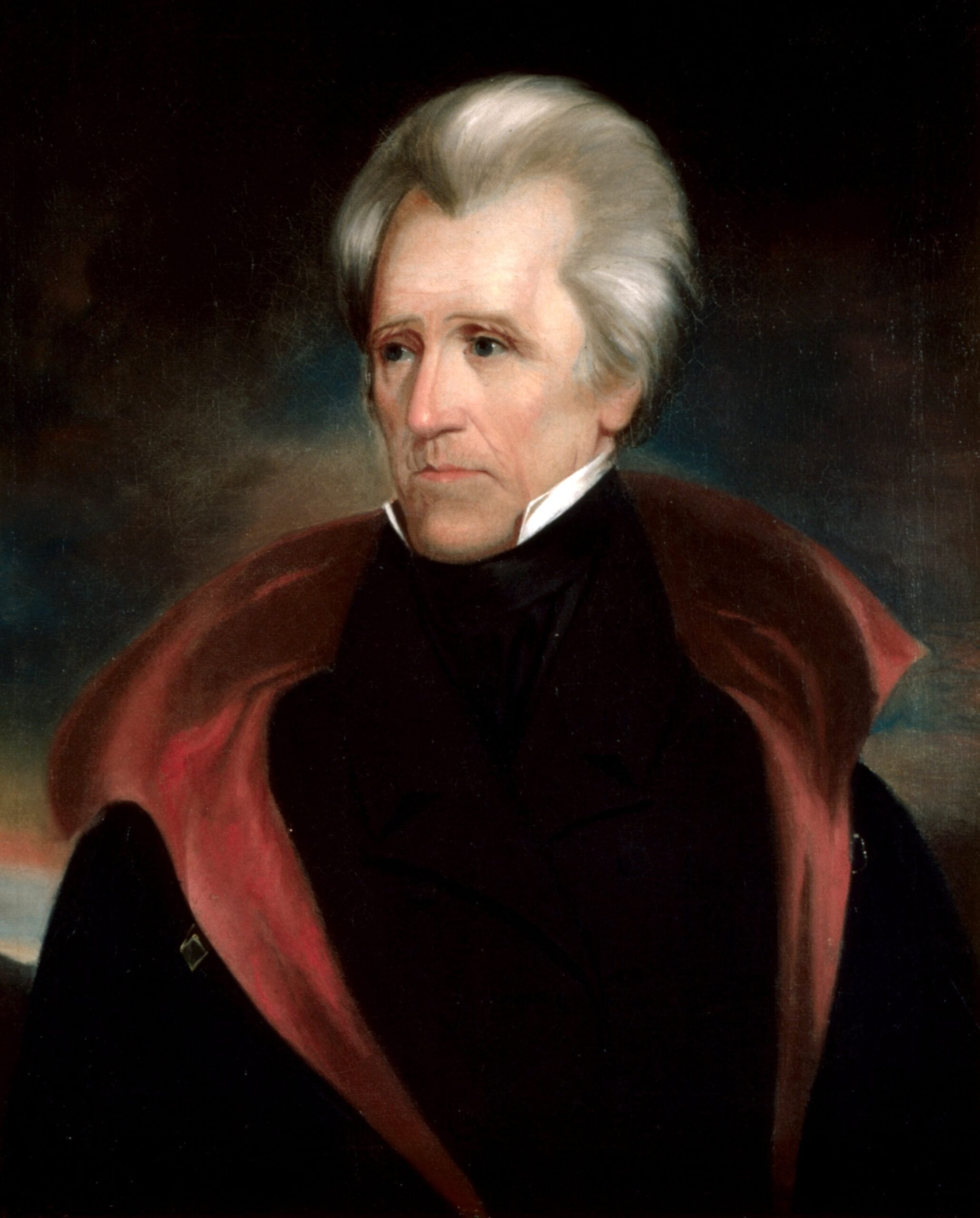
Why So Many American Presidents Are Irish
Between 1820 and 1930, roughly 4.5 million Irish people emigrated to the United States. They arrived in waves — pushed out by famine, poverty, and political oppression, pulled in by the promise of land and opportunity. They settled in Boston, New York, Philadelphia, and the Carolinas. Their children became soldiers, priests, politicians, and eventually, presidents.
Watch: Do You Qualify for an Irish Passport?
Tracing your Irish family? If one of your grandparents was born in Ireland, you may be able to become an Irish citizen. This 14-minute guide explains who qualifies, what it costs and how long it takes. Thinking of making the move? Get the free Moving to Ireland checklist.
The Irish brought something with them beyond suitcases. They brought a flair for public speaking, a deep mistrust of authority, a fierce loyalty to community, and an instinct for politics that had been sharpened by centuries of navigating British rule. Those qualities proved remarkably useful in American democracy.
Today, an estimated 32 million Americans claim Irish ancestry — roughly 10% of the total US population. That makes Irish-Americans one of the largest single ethnic groups in the country, and their influence on the presidency reflects that reach. Want to understand just how far that emigrant story spread? Read our guide to tracing your Irish roots from America.
Andrew Jackson: The First Irish-American President
Andrew Jackson, the 7th President of the United States, holds a special place in this story. His parents, Andrew and Elizabeth Hutchinson Jackson, emigrated from Carrickfergus in County Antrim in 1765, just two years before Andrew was born in the Carolinas. He never visited Ireland. He never spoke of it much. But he carried the Irish immigrant experience in his bones.
Jackson grew up poor and fatherless — his father died before he was born. He fought in the Revolutionary War as a teenager, was captured by the British, and bore a scar on his hand for the rest of his life from a British officer who struck him for refusing to polish his boots. That defiance became his political identity. He was elected in 1828, the first president to come from genuinely humble, working-class origins.
His presidency was controversial, particularly his treatment of Native Americans. But his Irish-immigrant background shaped his genuine appeal to the poor and dispossessed — the people whose families had been ground down by powerful landlords and distant empires. Sound familiar?
James Buchanan and James K. Polk: The Ulster-Scots Connection
James Buchanan, the 15th President, traced his roots to County Donegal. His father emigrated from Ramelton in 1783. Buchanan served as president from 1857 to 1861, in the years just before the Civil War. His roots were Ulster-Scots — the Protestant community that had settled in Ulster during the Plantation era and then emigrated to America in huge numbers during the 18th century.
James K. Polk, the 11th President, shared a similar background. His ancestors came from County Londonderry. Polk served from 1845 to 1849 and is often ranked among the more effective presidents of the 19th century — he delivered on every single campaign promise, which remains almost unique in American political history.
John F. Kennedy: Ireland’s President
No president is more closely associated with Ireland than John F. Kennedy. His great-great-grandfather, Patrick Kennedy, emigrated from Dunganstown in County Wexford during the Great Famine, sailing to Boston in 1848. That single act of desperation — leaving a ruined farm in a starving country — set in motion a family story that ended in the White House 115 years later.
Kennedy visited Ireland in June 1963, just five months before his assassination. The visit was electric. In New Ross, County Wexford — near the townland his ancestors left — he addressed a crowd of thousands. He met distant cousins he had never known. He stood at the quayside in New Ross and said: “It took 115 years to make this trip, and 6,000 miles, and three generations.”
Ireland stopped. Schools closed. People lined the roads for miles. When Kennedy was assassinated in November 1963, Ireland went into national mourning unlike anything seen for a foreign leader. His ancestral home in Dunganstown is now a museum. His words in New Ross are inscribed in stone. The Kennedys never forgot where they came from, and Ireland never forgot that one of their own reached the very top.
☘️ Enjoying this? 64,000+ Ireland lovers get stories like this every week.
Thinking about it seriously?
If you’ve started actually planning a move, our complete the full Move to Ireland guide walks through every step, every cost, and the paperwork that catches most people out.
Subscribe free →
The Kennedy Legacy in Ireland Today
The Kennedy Homestead in Dunganstown, County Wexford, is one of Ireland’s most visited heritage sites. The farmhouse where Patrick Kennedy was born still stands. The family that stayed behind — the Irish Kennedys — became farmers and eventually opened the homestead to visitors. It tells the story of one emigrant family, but it stands for the story of millions.
You can visit Dunganstown as part of a broader heritage trail across County Wexford. New Ross, just a few kilometres away, is home to the Dunbrody Famine Ship — a full-scale replica of the vessel that carried Irish emigrants to America during the Famine years. Standing on its deck gives you a visceral sense of what Patrick Kennedy and his generation endured.
Ronald Reagan: The Ballyporeen Connection
Ronald Reagan, the 40th President, traced his Irish roots to Ballyporeen in County Tipperary. His great-great-grandfather, Michael O’Regan (the spelling changed after emigration), left Ballyporeen in the 1850s. Reagan visited Ballyporeen in June 1984, during his presidency. The village — population around 300 at the time — renamed its local pub the “Ronald Reagan Lounge” for the occasion.
The visit made global headlines. Reagan was visibly moved. He held a press conference in the village square, drank a pint, and told the crowd: “In a small way, I feel I’ve come home.” The Ronald Reagan Museum in Ballyporeen is still open to visitors. Tipperary, often overlooked by tourists, has a genuine claim as one of Ireland’s most historically significant counties — a fact worth remembering next time someone asks if there’s anything to do there.
Barack Obama and the Moneygall Connection
In 2011, Barack Obama visited Moneygall, a small village in County Offaly, to trace his Irish ancestry. His great-great-great-grandfather, Falmouth Kearney, had emigrated from Moneygall to Ohio in 1850, during the Famine. Obama pulled a pint at Ollie Hayes’s pub, drank it in the street, and declared: “My name is Barack Obama, of the Moneygall Obamas.” The crowd went wild.
Moneygall — population around 300 — became briefly the most famous village in Ireland. The Obama ancestral home is now a visitor centre. The visit demonstrated something important: Irish ancestry in America spans all communities, not just the communities that arrived in the 19th century famine ships.
Joe Biden: The Most Irish President Since Kennedy
Joe Biden, the 46th President, has described himself as “the most Irish man to become President since Jack Kennedy.” His ancestry runs deep on multiple sides. The Blewitt family emigrated from Ballina in County Mayo. The Finnegan family came from Knocknagoshel in County Kerry. Biden visited Ireland in April 2023, making a four-day tour that included Dundalk in County Louth (where Finnegan ancestors lived), Ballina in Mayo, and Carlingford.
In Ballina, tens of thousands turned out. Biden addressed the crowd from a stage in the town square and received what can only be described as a homecoming. At one point, he broke into a well-known Irish rebel song from the crowd’s prompting. The visit drew comparisons to Kennedy’s 1963 tour — the same electricity, the same depth of feeling.
Biden repeatedly cited his Irish Catholic upbringing as a core part of his identity. His grandmother’s sayings, his church attendance, his understanding of suffering and resilience — he traced all of it to his Irish heritage. “The Irish never forget”, he said more than once. And neither, it appears, does America.
Other US Presidents with Irish Roots
The list goes well beyond the names above. Here are some of the other presidents with documented Irish heritage:
- Benjamin Harrison (23rd President): His mother, Elizabeth Irwin, descended from the Irwin family of Ulster, who emigrated from Ireland in the early 1700s
- James Monroe (5th President): Often listed among presidents of Scots-Irish descent, though genealogists trace his confirmed ancestry to Scotland’s Clan Munro rather than any specific Irish county
- Ulysses S. Grant (18th President): Maternal grandfather John Simpson emigrated from County Tyrone
- Chester A. Arthur (21st President): Father William Arthur, born in Cullybackey, County Antrim, left Ireland around 1819
- Woodrow Wilson (28th President): Both grandfathers emigrated from Ulster, one from Strabane in County Tyrone
- Richard Nixon (37th President): Milhous ancestry traced to County Kildare (Timahoe) and County Antrim
- Bill Clinton (42nd President): Claimed Ulster-Scots roots through the Cassidy family of County Fermanagh, though the specific Fermanagh connection is disputed by genealogists
Many of these connections run through Ulster, reflecting the huge wave of Ulster-Scots emigration during the 18th century — before the Great Famine and in some ways more politically formative, as many of these families arrived in time to fight in the American Revolution. You can read more about those families in our article about the Irish men who signed America’s Declaration of Independence.
Visiting the Irish Presidential Heritage Trail
In July 2026, Ireland’s Department of Culture, Communications and Sport officially launched The American Presidents’ Trail, a permanent heritage initiative — including commemorative tree plantings and interpretive panels — as part of the America250 programme marking the 250th anniversary of American independence. It connects the key ancestral sites associated with American presidents, running from County Antrim in the north to County Limerick and County Kerry in the south, and covers some of Ireland’s most beautiful and undervisited corners.
Key stops include:
- Carrickfergus, County Antrim: Ancestral home of Andrew Jackson. The Andrew Jackson Cottage and US Rangers Museum is open to visitors.
- Dunganstown, County Wexford: The Kennedy Homestead, open April to October, with guided tours of the original farmhouse.
- Ballyporeen, County Tipperary: The Ronald Reagan Lounge and Museum. Small but genuinely moving.
- Moneygall, County Offaly: Obama’s ancestral village. The visitor centre is free to enter.
- Ballina, County Mayo: Biden’s ancestral town. No formal museum yet, but the connections are marked throughout the town.
- Strabane, County Tyrone: Woodrow Wilson ancestral home. The Wilson Ancestral Home is managed by the National Trust and open for tours.
Each of these sites sits within easy driving distance of other major attractions. Carrickfergus Castle is a short walk from the Jackson Cottage. The Wexford coast is some of Ireland’s finest. Tipperary’s Rock of Cashel is under an hour from Ballyporeen. If you are planning a heritage trip, our complete guide to planning your trip to Ireland will help you structure the journey.
What This History Means
The Irish presidency story is not just a list of genealogical curiosities. It is evidence of one of the most remarkable migrations in modern history. A small island, repeatedly devastated by famine and political upheaval, sent millions of its people into the world. Those people carried Irish culture, Irish Catholicism, Irish stubbornness, and Irish wit with them. They rose from the docks of Boston to the corridors of power in Washington DC.
More than 20 presidents. One island. The maths alone should be startling. But the stories behind the statistics — Kennedy standing in New Ross, Obama pulling a pint in Moneygall, Biden receiving a homecoming in Ballina — are what make this history genuinely moving. Ireland shaped America in ways that are still unfolding.
☘️ Join 64,000+ Ireland Lovers
Every weekday morning, get Ireland’s hidden gems, local secrets, and travel inspiration — the kind you won’t find in any guidebook.
Subscribe free — enter your email:
📲 Know someone who’d love this? Share on WhatsApp →
Love more? Join 43,000 Scotland lovers → · Join 29,000 Italy lovers → · Join 7,000 France lovers →
Free forever · Unsubscribe anytime
Frequently Asked Questions
How Many US Presidents Have Irish Heritage?
At least 20 US Presidents have claimed Irish ancestry, with some genealogists putting the number as high as 23. The connections range from direct emigrant parents (like Andrew Jackson’s) to great-great-great-grandparents who left during the Famine (like Obama’s ancestor Falmouth Kearney).
Which President Had the Strongest Irish Connection?
John F. Kennedy is widely considered to have had the deepest personal Irish connection — both in the depth of his ancestry and in his famous 1963 visit to Wexford, which is still remembered in Ireland as one of the most emotionally charged moments in the country’s modern history. Joe Biden is a close second, with active family connections on multiple sides.
Where Can I Visit Presidential Irish Heritage Sites?
Key sites are spread across Ireland: the Andrew Jackson Cottage in County Antrim, the Kennedy Homestead in County Wexford, the Ronald Reagan Museum in County Tipperary, and the Obama visitor centre in Moneygall, County Offaly. Most are open April through October. Visit the founding fathers Irish roots itinerary for a full guide to planning your route.
Is There an Irish Presidential Heritage Trail?
Yes. The American Presidents’ Trail was officially launched in July 2026 by Ireland’s Department of Culture, Communications and Sport as part of the America250 programme, connecting ancestral sites of US presidents across the island — including Antrim, Tyrone, Wexford, Tipperary, Offaly, and Limerick. County Antrim alone has confirmed ancestral connections to at least two presidents, Andrew Jackson and Chester A. Arthur.
When Is the Best Time to Visit These Sites?
Most of the smaller heritage sites — including the Kennedy Homestead, Reagan Museum, and Obama centre — are open from April through October, with peak access in summer. For the Andrew Jackson Cottage in Carrickfergus and the Wilson Ancestral Home in Strabane, check opening times directly as they operate on limited schedules.
Tours & experiences you might love


Powered by Viator. Some links are affiliate links — we may earn a small commission at no extra cost to you.
Secure Your Dream Irish Experience Before It’s Gone!
Planning a trip to Ireland? Don’t let sold-out tours or packed attractions spoil your journey. Iconic experiences like visiting the Cliffs of Moher, exploring the Rock of Cashel, or enjoying a guided walk through Ireland’s ancient past often sell out quickly—especially during peak travel seasons.

Booking in advance guarantees your place and ensures you can fully immerse yourself in the rich culture and breathtaking scenery without stress or disappointment. You’ll also free up time to explore Ireland’s hidden gems and savour those authentic moments that make your trip truly special.
Make the most of your journey—start planning today and secure those must-do experiences before they’re gone!
Subscribe Free