

County Louth packs more history per square mile than almost anywhere else in Ireland. As Ireland’s smallest county — just 821 square kilometres — it holds two ancient monastic sites, a perfectly preserved medieval walled town, a Viking-founded city, and the site of one of the most decisive battles in Irish history. If you want to see the full sweep of Ireland’s past in a single visit, County Louth is where you start.
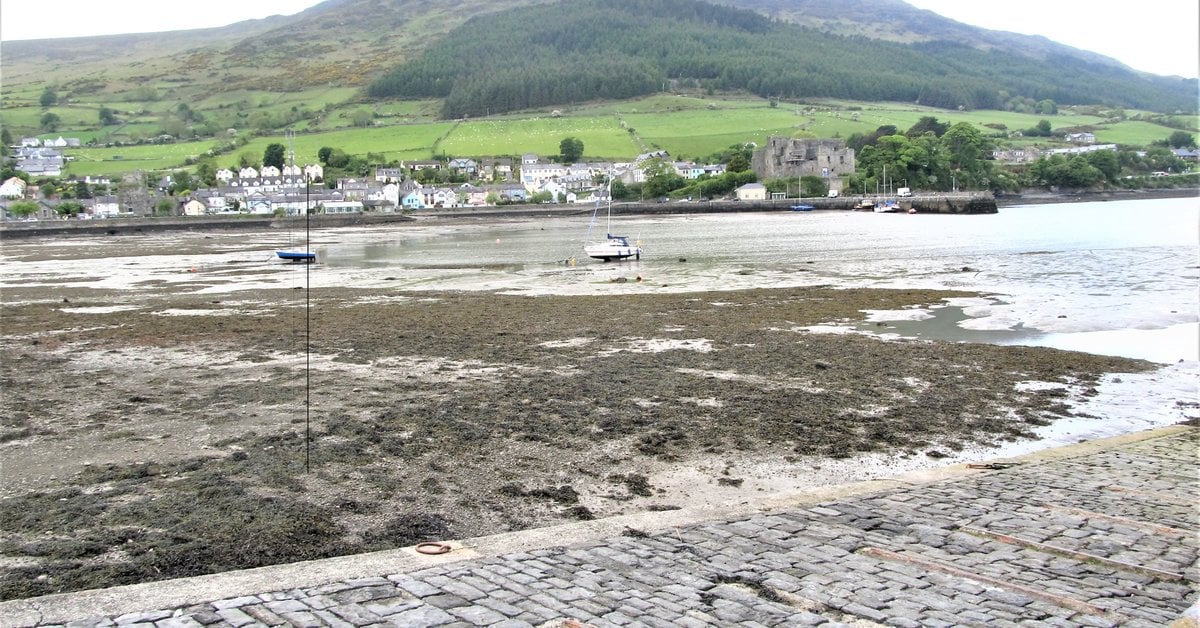
Whether you drive up from Dublin — Dundalk sits just 82 kilometres from the capital — or cross from Northern Ireland, County Louth rewards every visitor who leaves the motorway and explores its quieter roads. This guide covers everything worth seeing, from Viking heritage in Drogheda to the finest Celtic high cross in the world at Monasterboice.
Why County Louth Deserves More Visitors
Most visitors to the north-east of Ireland drive straight through County Louth on the way to Belfast or the Causeway Coast. That is a mistake. The county sits between the Irish Sea to the east and the Cooley Mountains to the north, with Carlingford Lough forming one of the most dramatic sea inlets on the entire island.
Louth is compact enough to cover in a single long day trip from Dublin, yet it contains more genuine history than counties three times its size. Here is a quick summary of what makes it special:
- Drogheda, founded by Vikings around 911 AD, became one of medieval Ireland’s most important walled towns
- Carlingford has retained its medieval street plan almost intact since the 13th century
- Monasterboice contains a high cross carved over a thousand years ago that stands 5.5 metres tall
- The Battle of the Boyne (1690) shaped Irish history for three centuries — and the battlefield sits right here
☘️ Planning a trip to Ireland?
Our free 7-day road trip itinerary covers the Wild Atlantic Way from Dublin to the west — day-by-day driving guide with hidden gems, practical tips, and local secrets.
Drogheda: Where Viking History Meets the Boyne Valley
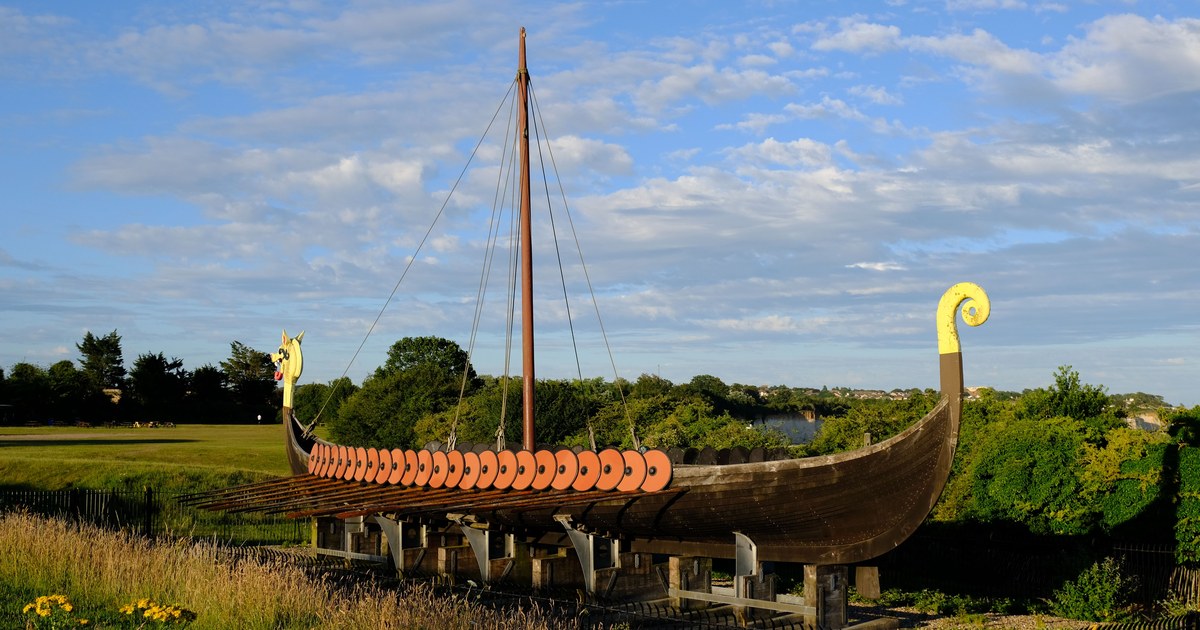
Drogheda is County Louth’s largest town, home to around 45,000 people. Vikings founded the settlement around 911 AD on both banks of the River Boyne. Under Norman rule it grew into one of the most significant walled towns in medieval Ireland, and Cromwell’s 1649 siege — in which approximately 3,500 people died — left a mark on the town’s memory that locals still carry. Official info: en.wikipedia.org/wiki/Drogheda.
St Peter’s Church and the Head of Saint Oliver Plunkett
The most extraordinary sight in Drogheda sits inside St Peter’s Church on West Street. Behind the main altar, preserved in a golden glass-fronted shrine, is the head of Saint Oliver Plunkett — the Archbishop of Armagh who was hanged, drawn, and quartered in London in 1681 during the anti-Catholic hysteria of the Popish Plot. Pope Paul VI canonised Plunkett in 1975, and his head draws thousands of pilgrims and visitors to Drogheda every year. Entry to the church is free.
Millmount Museum and Tower
On the south bank of the River Boyne, the circular Millmount Tower rises above the town on a prehistoric mound that communities have used as a vantage point for at least 5,000 years. The present Martello-style tower dates from the early 19th century and now houses the Millmount Museum. The collection covers Drogheda’s history from the Bronze Age to the 20th century and includes guild standards from the town’s old trade guilds, hand-painted banners, and a fascinating set of early maps showing how the settlement expanded across both river banks.
The Battle of the Boyne Visitor Centre
A short drive west of Drogheda, on the Louth-Meath border, is the site of the Battle of the Boyne. On 1 July 1690 (by the old calendar), William of Orange defeated King James II in a battle that decided who would sit on the British throne and sealed Protestant Ascendancy in Ireland for generations. The visitor centre uses the actual battlefield landscape to tell the story of that afternoon. Entry costs approximately €5 for adults, and the presentation is among the most thoughtful at any heritage site in Ireland.
☘️ Enjoying this? 64,000+ Ireland lovers get stories like this every week. Subscribe free →
Carlingford: Ireland’s Best-Preserved Medieval Town
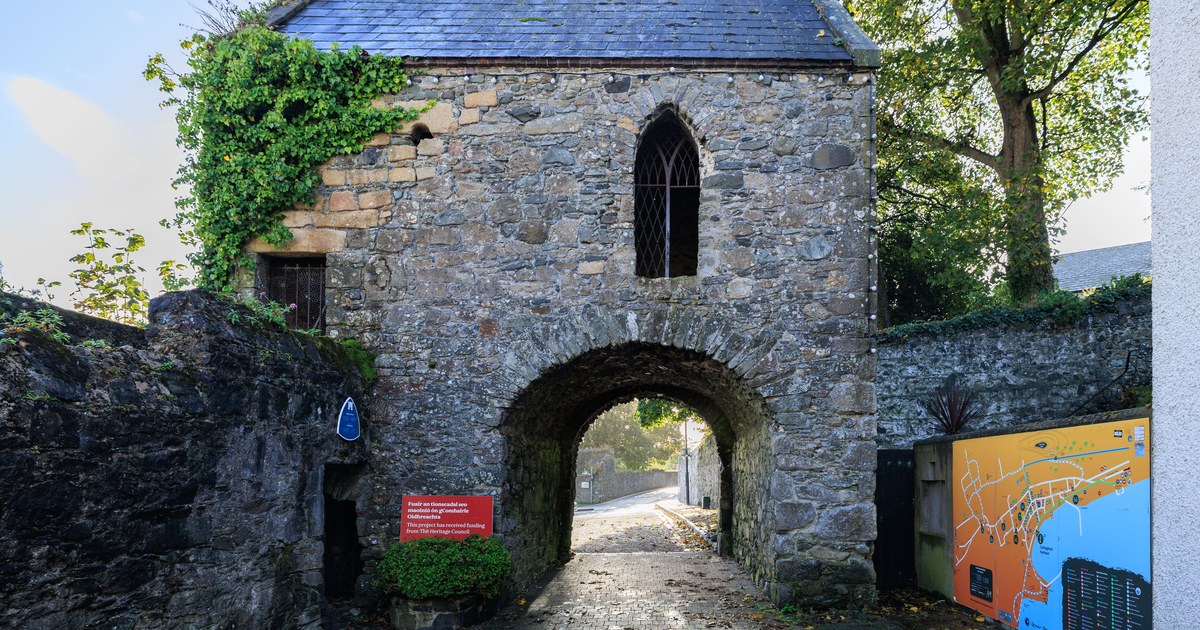
Carlingford sits on the southern shore of Carlingford Lough, with the Mourne Mountains rising sharply across the water to the north. This small town — population around 1,500 — has kept more of its medieval street plan and architecture intact than almost any other town in Ireland. Walking its narrow lanes past old merchants’ houses and fortified gateways, it is easy to imagine how the town looked five hundred years ago. Official info: en.wikipedia.org/wiki/Carlingford.
King John’s Castle
The most prominent landmark in Carlingford is King John’s Castle, a D-shaped fortress that Anglo-Norman lords built in the early 13th century. King John of England is believed to have stayed here briefly in 1210 during his campaign to assert authority over the Norman barons of Ulster. The castle’s ruins stand directly on the waterfront, and visitors can walk right up to its walls and through the gatehouse free of charge. The views across the lough from the castle walls are outstanding at any time of day.
The Mint and the Tholsel Gate
Carlingford’s medieval town centre contains two remarkable survivals. The Mint is a 15th-century fortified townhouse, named after its possible role in local trade. Its carved stone windows remain largely intact after six centuries. The Tholsel — the old town gate — still arches across the main street and stands as one of the very few medieval town gates still in place anywhere in Ireland. Both sit in the open and cost nothing to view and photograph.
Carlingford Lough and the Cooley Peninsula
The views across Carlingford Lough to the Mourne Mountains are among the finest coastal prospects in Ireland. The Cooley Peninsula stretches north and east from the town, between the lough and the Irish Sea. Its quiet roads pass ruined castles, small beaches, and viewpoints that most visitors never find. The Carlingford Adventure Centre runs kayaking and sailing experiences on the lough throughout summer. This corner of Louth is the county at its most scenic.
Monasterboice: Ireland’s Finest High Cross
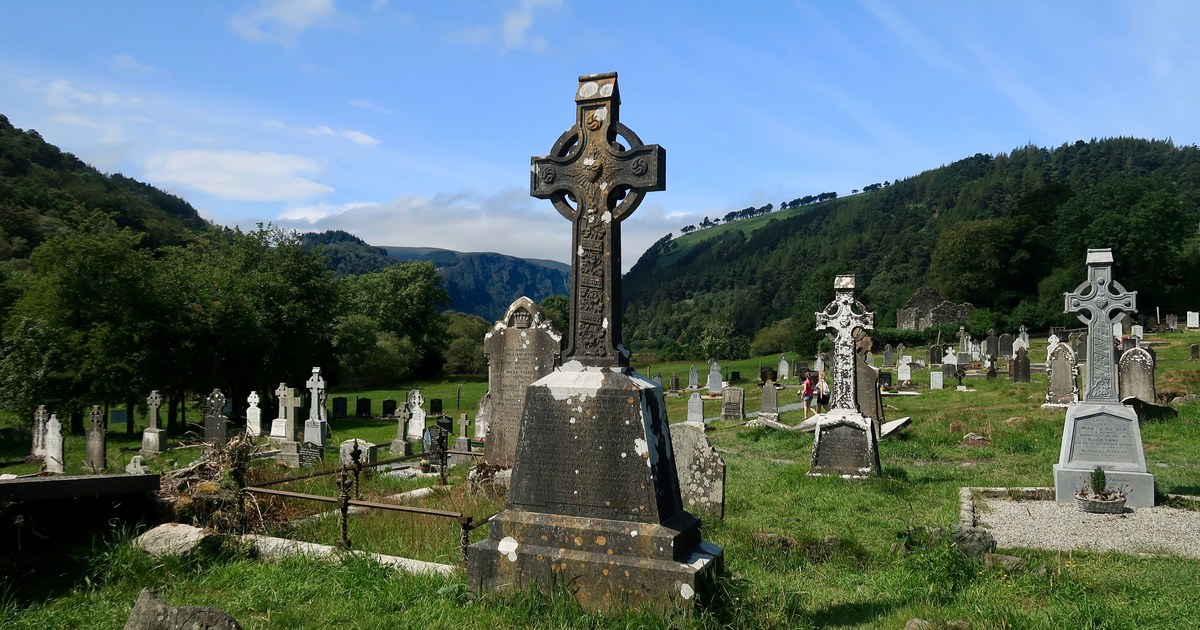
A few kilometres north of Drogheda, the ancient monastic site of Monasterboice holds what scholars widely consider the single finest carved stone monument in Ireland. Saint Buite founded the monastery in the 5th century AD, and it flourished as a centre of learning and manuscript production for five hundred years before the Norman invasion changed the country’s monastic landscape entirely.
Muiredach’s High Cross stands 5.5 metres tall and dates from the early 10th century. Its carved panels depict scenes from the Old and New Testaments in astonishing detail — the Last Judgement, the Crucifixion, the arrest of Christ, Moses striking water from the rock — all chiselled into sandstone by craftsmen working over a thousand years ago. Art historians and biblical scholars travel from across Europe to study the cross’s iconography.
The site also holds a slender round tower, two further high crosses in various states of preservation, and a quiet sunken graveyard. Entry to Monasterboice is free, and the gates stay open during daylight hours throughout the year. It is one of those places that genuinely earns the word unforgettable. Official info: en.wikipedia.org/wiki/Monasterboice.
Mellifont Abbey: Where Irish Monasticism Changed Forever
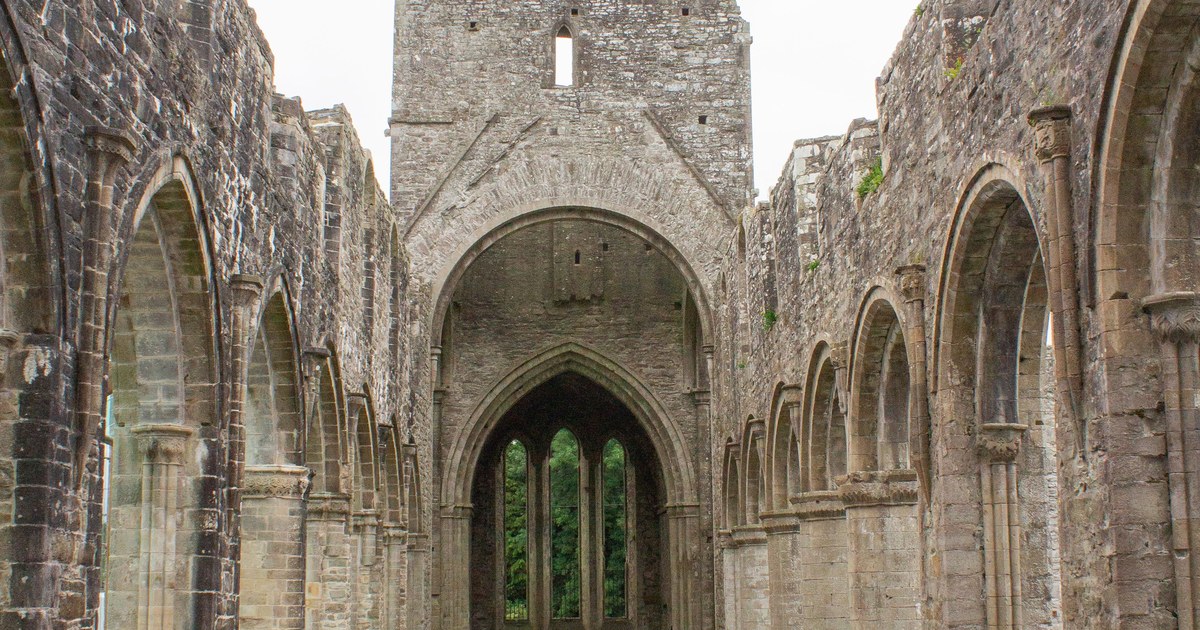
Saint Malachy, the Archbishop of Armagh, founded Mellifont Abbey in 1142 — the first Cistercian monastery in Ireland. Before Mellifont, Irish monks followed Celtic traditions very different from the continental discipline the Cistercians brought from Burgundy in France. The arrival of this new order, with its emphasis on simplicity, manual labour, and strict enclosure, transformed Irish monastic life completely. Within a generation, dozens of daughter houses had spread the Cistercian way across the island.
The ruins are substantial and well-maintained by the OPW. The octagonal lavabo — the monks’ washroom where they cleaned their hands before entering the refectory — still has five of its original eight Romanesque arches standing. The chapter house walls, the gatehouse, and sections of the cloister arcade all survive in recognisable form. Adult entry costs approximately €5. Mellifont sits in quiet farmland a few kilometres from the Battle of the Boyne site, making it a natural combination visit. Official info: en.wikipedia.org/wiki/Mellifont_Abbey.
Proleek Dolmen: A Neolithic Giant Near Dundalk
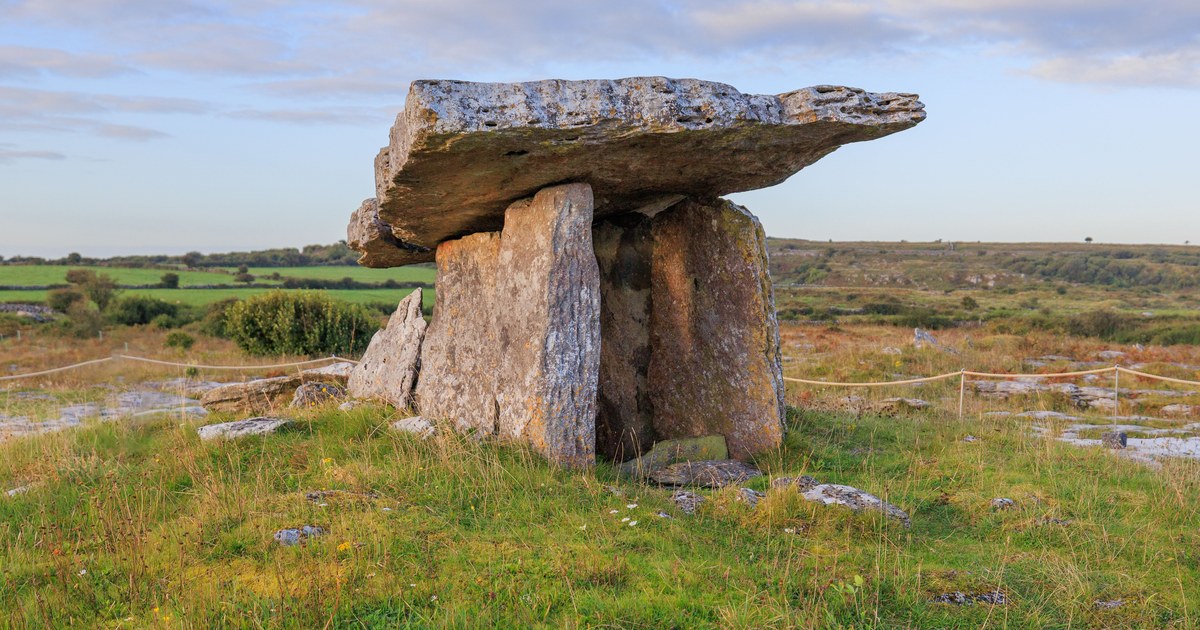
In the grounds of the Ballymascanlon Hotel near Dundalk, the Proleek Dolmen is one of the most dramatic Neolithic monuments in Ireland. Its capstone weighs an estimated 40 tonnes. How people 5,000 years ago raised that enormous stone onto three supporting uprights — with no cranes, no metal tools, and no written instructions — remains one of archaeology’s most enduring questions. Walk around the dolmen slowly. It tends to make visitors quiet.
Entry is free. The hotel grounds remain open to the public, and the dolmen stands a short walk from the car park. If you are driving between Drogheda and Carlingford, the stop adds fewer than fifteen minutes to the journey and is well worth the detour. Official info: en.wikipedia.org/wiki/Proleek_Dolmen.
Practical Tips for Visiting County Louth
Getting there: Drogheda is 50 minutes from Dublin on the Enterprise train line from Connolly Station. By car, the M1 motorway north from Dublin brings you into County Louth in under an hour. For Carlingford, you will need a car or a taxi from Dundalk, as bus connections to the town are limited.
Getting around: A car gives you the most flexibility. All the main sights sit within a 30-minute drive of each other. A well-planned day could cover Monasterboice in the morning, the Battle of the Boyne and Drogheda in the early afternoon, and Carlingford for sunset over the lough.
When to visit: County Louth rewards visits in every season. Late spring and early summer bring the best light for photography along Carlingford Lough. The Carlingford Oyster Festival, usually held in early August, draws food lovers from across Ireland. Winter visits to Monasterboice and Mellifont — when crowds thin out — often feel the most atmospheric.
Frequently Asked Questions About County Louth
What is County Louth most famous for?
County Louth is most famous for being Ireland’s smallest county by area, covering just 821 square kilometres. It is also known for Drogheda — one of the oldest Viking-founded towns in Ireland — and for Monasterboice, which holds Muiredach’s High Cross, the finest surviving example of Celtic high cross carving anywhere in the world.
How far is County Louth from Dublin?
Drogheda, the main town in County Louth, sits approximately 50 kilometres north of Dublin city centre. By car on the M1 motorway, the journey takes around 45 to 50 minutes. By train from Connolly Station, Drogheda is roughly 50 minutes away. Carlingford, at the northern tip of the county near the Cooley Peninsula, is about 100 kilometres from Dublin by road.
Is County Louth worth visiting for a day trip from Dublin?
County Louth is one of the best day trip destinations from Dublin. In a single day, you can visit the ancient high crosses at Monasterboice, the Battle of the Boyne visitor centre, Drogheda’s Viking and Norman heritage, and the medieval walled town of Carlingford. Few Irish counties offer so much historical depth in such a compact area — and the journey from Dublin takes under an hour each way.
☘️ Join 64,000+ Ireland Lovers
Every weekday morning, get Ireland’s hidden gems, local secrets, and travel inspiration — the kind you won’t find in any guidebook.
Subscribe free — enter your email:
Already subscribed?
Thinking about it seriously?
If you’ve started actually planning a move, our complete the full Move to Ireland guide walks through every step, every cost, and the paperwork that catches most people out.
Get the free guide
Enter your email and we will send you straight to the download.
📲 Know someone who’d love this? Share on WhatsApp →
Love more? Join 43,000 Scotland lovers → · Join 29,000 Italy lovers → · Join 7,000 France lovers →
Free forever · Unsubscribe anytime
Tours & experiences you might love


Powered by Viator. Some links are affiliate links — we may earn a small commission at no extra cost to you.
Secure Your Dream Irish Experience Before It’s Gone!
Planning a trip to Ireland? Don’t let sold-out tours or packed attractions spoil your journey. Iconic experiences like visiting the Cliffs of Moher, exploring the Rock of Cashel, or enjoying a guided walk through Ireland’s ancient past often sell out quickly—especially during peak travel seasons.

Booking in advance guarantees your place and ensures you can fully immerse yourself in the rich culture and breathtaking scenery without stress or disappointment. You’ll also free up time to explore Ireland’s hidden gems and savour those authentic moments that make your trip truly special.
Make the most of your journey—start planning today and secure those must-do experiences before they’re gone!