

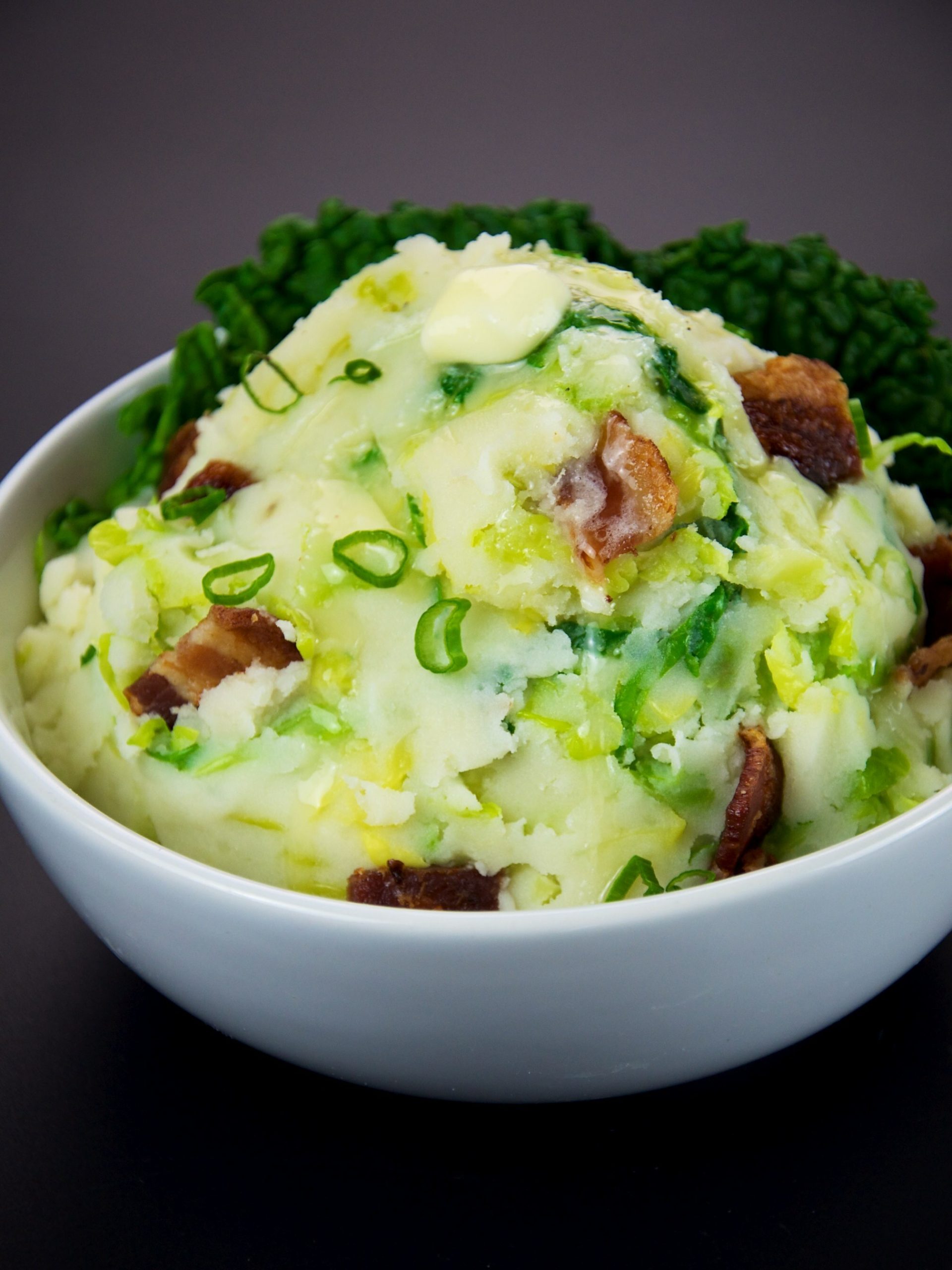
Colcannon Recipe: Ireland’s Most Beloved Buttery Mashed Potato Dish
If there is one dish that speaks directly to the Irish soul, it is colcannon. Simple, warming, and deeply satisfying, this creamy mash of potatoes, kale or cabbage, and spring onions has been feeding Irish families for centuries. Its roots stretch back to at least the early eighteenth century, when the combination of potato and leafy greens was a practical, affordable staple for rural households across the island. The name itself comes from the Gaelic cál ceannann, meaning “white-headed cabbage,” and the dish has remained largely unchanged ever since — a testament to how right it was from the very beginning.
Colcannon holds a special place in the Irish calendar, most notably at Halloween, known in Ireland as Samhain. It was traditional to hide small charms or coins inside the pot — a ring foretold marriage, a thimble a life of spinsterhood, a coin good fortune. Children and adults alike would eat carefully, hoping to find treasure in their bowl. On Halloween night, it was also said that a bowl of colcannon left on the doorstep would attract the fairies, keeping the household safe through the dark months ahead. These customs gave the dish a sense of magic and communal joy that simple ingredients rarely achieve.
Beyond the folklore, colcannon endures because it is genuinely, wonderfully delicious. The key is generosity — with the butter especially. This is not a dish to make with reluctance or restraint. Done properly, the potatoes are fluffy and rich, the greens lend a gentle earthiness, and the spring onions add a mild, sweet sharpness that lifts the whole bowl. Serve it alongside a piece of bacon, a pork chop, or simply on its own with a knob of extra butter melting into a little well in the centre. That, in Ireland, is a meal worth sitting down for.
Ingredients
- 1 kg (2 lb 3 oz) floury potatoes, such as Rooster, Maris Piper, or Golden Wonder, peeled and cut into even chunks
- 250 g (9 oz) curly kale or green cabbage, tough stalks removed, finely shredded
- 1 bunch spring onions (approximately 6–8), finely sliced, green tops included
- 150 ml (5 fl oz) whole milk or single cream, warmed
- 100 g (3½ oz) unsalted butter, plus extra to serve
- Salt and freshly ground white or black pepper, to taste
Method
- Place the peeled, chunked potatoes into a large saucepan and cover with cold, well-salted water. Bring to the boil over a high heat, then reduce to a steady simmer. Cook for 20–25 minutes, or until a knife slides through the centre of the largest piece with no resistance at all. Drain thoroughly and return the potatoes to the warm pan. Leave them to steam-dry for 2–3 minutes — this is important for a fluffy, non-watery mash.
- While the potatoes are cooking, bring a separate small saucepan of lightly salted water to the boil. Add the shredded kale or cabbage and blanch for 3–4 minutes until just tender but still a vibrant green. Drain well and set aside. Squeeze out any excess water with the back of a spoon or a clean tea towel.
- In that same small saucepan (or a separate one), gently warm the milk or cream over a low heat. Add the sliced spring onions and allow them to soften in the warm liquid for 3–4 minutes. Do not boil. This step infuses the milk with a lovely, gentle onion flavour that runs through the entire dish.
- Mash the potatoes well using a potato masher or a ricer — avoid a blender or food processor, which will make them gluey. Once smooth, add the butter in pieces, stirring it through until fully melted and incorporated.
- Pour in the warm spring onion milk gradually, stirring and beating the mash as you go, until you reach a soft, creamy, spoonable consistency. You may not need every last drop — judge by texture.
- Fold in the drained kale or cabbage gently but thoroughly, distributing it evenly through the mash. Season generously with salt and pepper, tasting as you go.
- Serve immediately in warmed bowls, pressing a small well into the centre of each portion and dropping in an extra knob of cold butter to melt slowly into the mash.
Tips
- Floury potato varieties are essential here — waxy potatoes will never give you the light, fluffy texture that colcannon requires.
- Kale gives a slightly more robust, nutty flavour; savoy cabbage is milder and silkier. Both are authentic — use whichever you prefer or have to hand.
- Do not skimp on the butter. Traditional colcannon is emphatically not a low-fat dish, and the butter is half the point.
- Leftovers can be shaped into patties and fried in butter the next day to make colcannon cakes — crispy on the outside, soft in the middle, and arguably even better than the original.
- For a richer version, swap the milk entirely for single cream. It makes the mash noticeably more indulgent and is well worth it for a special occasion.
Colcannon is one of those quietly magnificent dishes that reminds you why the simplest food is so often the most enduring. There is nothing complicated here, no technique to master, no hard-to-find ingredient — just honest, beautifully balanced cooking rooted in centuries of Irish kitchen wisdom. Make it once and you will understand immediately why this dish has never needed to change.
Tours & experiences you might love


Powered by Viator. Some links are affiliate links — we may earn a small commission at no extra cost to you.
Secure Your Dream Irish Experience Before It’s Gone!
Planning a trip to Ireland? Don’t let sold-out tours or packed attractions spoil your journey. Iconic experiences like visiting the Cliffs of Moher, exploring the Rock of Cashel, or enjoying a guided walk through Ireland’s ancient past often sell out quickly—especially during peak travel seasons.

Booking in advance guarantees your place and ensures you can fully immerse yourself in the rich culture and breathtaking scenery without stress or disappointment. You’ll also free up time to explore Ireland’s hidden gems and savour those authentic moments that make your trip truly special.
Make the most of your journey—start planning today and secure those must-do experiences before they’re gone!