

Living in County Leitrim means quiet lanes, small lakeside towns and a slow, friendly pace. About 35,000 people live in the county, fewer than in any other Irish county, and most of them know their neighbours. If you want green hills, still water and a real community without the crowds, Leitrim is one of the most rewarding places in Ireland to settle.
This guide looks at what daily life feels like in Leitrim. It covers the towns, the landscape, the waterways and the practical side of getting around. It is about the place, not the paperwork. For anything official, check the relevant government site first.
Why living in County Leitrim appeals to so many people
Leitrim is a county of lakes and low mountains in the north-west, in the province of Connacht. The River Shannon rises in neighbouring Cavan and runs through Leitrim on its way south. Water shapes almost everything here. You see it in the loughs, the canals and the soft green valleys.
People who move to Leitrim often mention the same things. The pace is gentle. Neighbours stop to talk. Traffic is light. Music, walking and boating fill the weekends. The county has a short stretch of coast at Tullaghan, just under 5 km long, but its real character is inland.
- Space and quiet: small villages, narrow lanes and wide views.
- Water everywhere: Lough Allen, Lough Melvin, Lough Gill and the Shannon.
- Creative community: artists, makers and musicians have settled here for decades.
- Easy access: Sligo, Longford and Cavan are all within an hour or so by road.
Carrick-on-Shannon: the county town
Carrick-on-Shannon is the heart of Leitrim life. It sits right on the river, with a busy marina, a high street of shops and cafes, and a lively mix of locals and boating visitors. The town has the Costello Memorial Chapel, built in 1879 and often described as one of the smallest chapels in Ireland.
Carrick also has a train station on the Dublin to Sligo line. The road journey to Dublin is roughly 150 km, which most people drive in about two hours. That link makes the town a practical base for anyone who wants a quiet home but needs to reach the capital now and then.
A river town for all seasons
In summer the quays fill with cruisers and walkers. In winter the town settles down, and the pubs and cafes belong to the locals again. Many residents say the quieter months are the best time to see what Leitrim life is really like.
☘️ Enjoying this? 64,000+ Ireland lovers get stories like this every week. Subscribe free →
Drumshanbo, Lough Allen and Sliabh an Iarainn
Drumshanbo sits at the foot of Sliabh an Iarainn, the “Iron Mountain”, beside Lough Allen. The mountain rises to about 585 metres, and walkers use its trails for wide views over the lake. The village is also home to the Shed Distillery, which makes gin from local botanicals and welcomes visitors.
Lough Allen is the largest lake on the Shannon, and its quiet shores suit anglers, kayakers and cyclists. The Wild Atlantic and Ireland’s Hidden Heartlands routes both pass through this part of the north-west, so visitors arrive without ever making it feel crowded.
Local food is part of daily life here. If you want a taste of the county at home, try our Leitrim boxty recipe, a potato pancake the county has long claimed as its own.
Lough Gill, Glencar and the north of the county
The north of Leitrim is wilder and more dramatic. Glencar Lough lies in a steep valley on the Leitrim and Sligo border, and the Glencar Waterfall tumbles down beside the road. Yeats made the valley famous in his poem “The Stolen Child”.
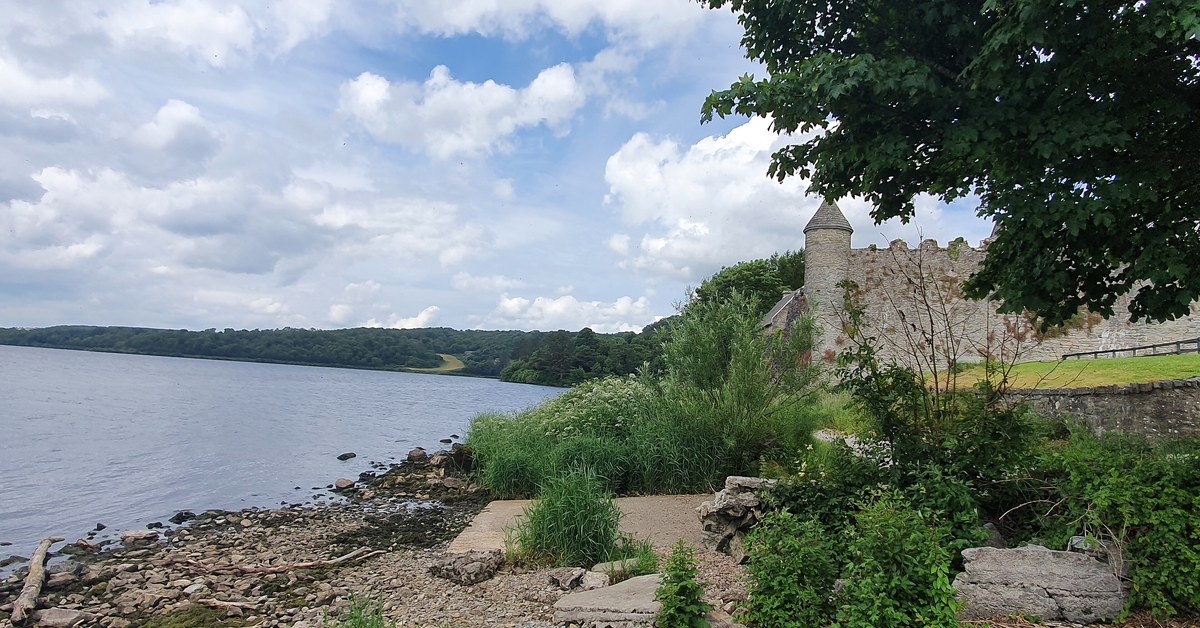
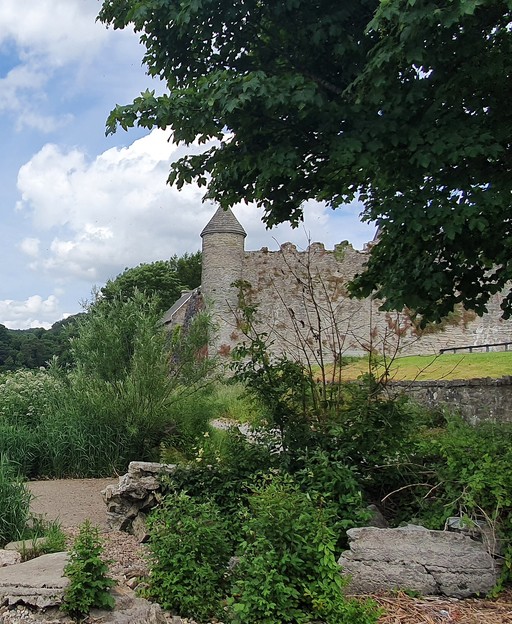
Parke’s Castle stands on the shore of Lough Gill, close to the Sligo border. It is a fortified manor house from the early 1600s, and it is open to visitors. Check the official Heritage Ireland page for Parke’s Castle for current opening details before you go.
The Shannon-Erne Waterway
The Shannon-Erne Waterway links the River Shannon to Upper Lough Erne in Fermanagh. It reopened in 1994, and the route passes through Leitrim villages such as Leitrim village, Ballinamore and Ballyconnell on the Cavan side. Boaters love it. Walkers and cyclists use the towpaths too.
Daily life: what it is really like
Life in rural Leitrim revolves around small communities. Local shops, markets, sports clubs and music sessions fill the calendar. People volunteer, turn up and look out for each other. Newcomers usually settle fastest when they join something, whether that is a walking group, a choir or a community festival.
- Getting around: most households need a car, as public transport is limited outside the main towns.
- Shopping: Carrick-on-Shannon has the widest choice, with smaller shops in Manorhamilton, Mohill and Ballinamore.
- Weather: expect mild, damp and changeable conditions, with soft rain through much of the year.
- Broadband and remote work: coverage varies by townland, so ask locally before you commit to a spot.
The Irish weather is part of the story. Rain keeps Leitrim green, and the light after a shower is some of the best in the country. Pack a good coat, and you will love it.
Is living in County Leitrim right for you?
Leitrim suits people who value calm, nature and community over big-city life. It is a poor fit if you want late-night restaurants, a large shopping centre or a train every ten minutes. Spend a week in the county in autumn or winter before you decide, because that is when daily life shows.
If you are weighing up a bigger move, our full Move to Ireland guide walks through the questions to ask yourself. You can also compare Leitrim with other counties in our living guides for County Clare and County Tipperary.
- Visit in more than one season, including a wet week in winter.
- Base yourself in Carrick-on-Shannon for a few days, then drive to Drumshanbo and Manorhamilton.
- Talk to residents in pubs, shops and community groups.
- Check travel times to the nearest hospital, school and train station for your chosen village.
Thinking about the long term? Our guide to the best places to retire in Ireland compares more regions. To plan a first visit, start with our planning hub and the 7-day Ireland road trip itinerary.
Frequently asked questions about living in County Leitrim
What is it like living in County Leitrim?
It is quiet, friendly and green. About 35,000 people live in the county, so communities are small and close, with lakes, mountains and the Shannon close to every home.
What is the main town in County Leitrim?
Carrick-on-Shannon is the county town. It has a marina, a train station on the Dublin to Sligo line, and the widest choice of shops and services in the county.
How far is Leitrim from Dublin?
Carrick-on-Shannon is roughly 150 km from Dublin, and the drive takes about two hours. Trains also link the town to the capital.
Is County Leitrim worth visiting?
Yes. Visitors enjoy Lough Allen, Sliabh an Iarainn, Glencar Waterfall, Parke’s Castle and the Shannon-Erne Waterway, all without the crowds of the busier western counties.
☘️ Join 64,000+ Ireland Lovers
Every weekday morning, get Ireland’s lesser-known corners, local stories and secrets, straight to your inbox.
Subscribe free — enter your email:
Already subscribed? Download your free Ireland guide (PDF)
📲 Know someone who’d love this? Share on WhatsApp →
Free forever · Unsubscribe anytime
Tours & experiences you might love


Powered by Viator. Some links are affiliate links — we may earn a small commission at no extra cost to you.
Secure Your Dream Irish Experience Before It’s Gone!
Planning a trip to Ireland? Don’t let sold-out tours or packed attractions spoil your journey. Iconic experiences like visiting the Cliffs of Moher, exploring the Rock of Cashel, or enjoying a guided walk through Ireland’s ancient past often sell out quickly—especially during peak travel seasons.

Booking in advance guarantees your place and ensures you can fully immerse yourself in the rich culture and breathtaking scenery without stress or disappointment. You’ll also free up time to explore Ireland’s hidden gems and savour those authentic moments that make your trip truly special.
Make the most of your journey—start planning today and secure those must-do experiences before they’re gone!