

County Clare suits people who want big Atlantic scenery, live traditional music and a friendly market town in one place. It sits on Ireland’s mid-west coast, has about 128,000 residents, and runs at a gentler pace than Dublin or Galway. Ennis, the county town, is roughly three hours from Dublin by road, and Shannon Airport is close by.
This guide looks at what life in County Clare is really like. We cover the landscape, the towns, the music, the food and the community. It does not cover rules or paperwork. For the practical side of a move, we link to our premium guide further down.
What Is It Like Living in County Clare?
Life in County Clare follows the Atlantic. Locals check the swell before they check the news. Walkers head for the cliffs on a bright morning, and the pubs fill with music once the light fades.
The county gives you three things in one place:
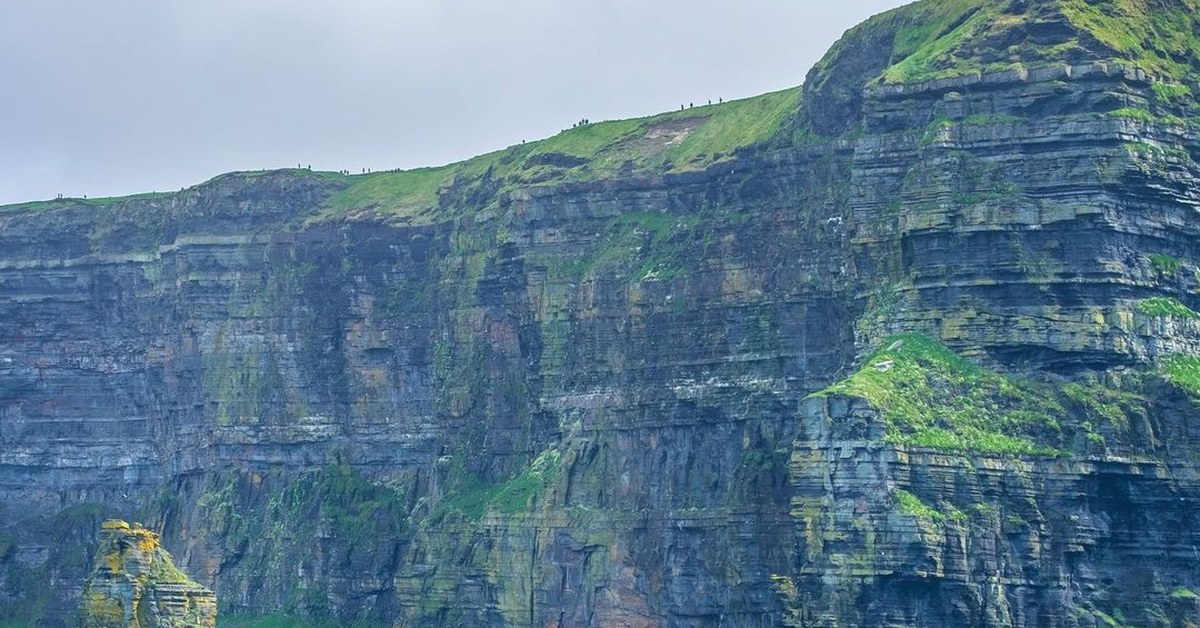
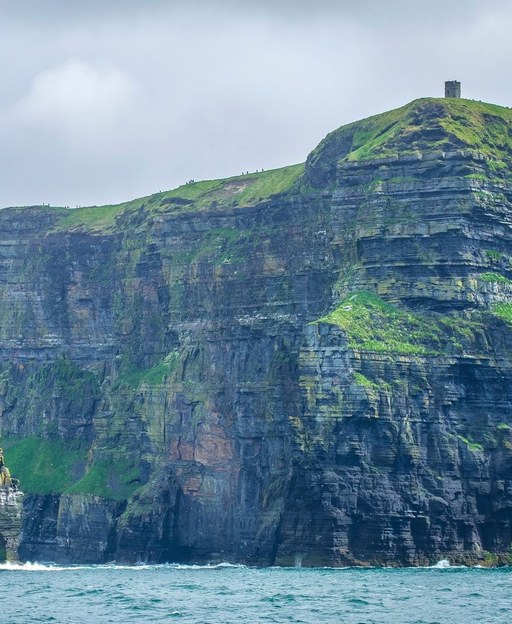
- Cliffs — the Cliffs of Moher run for about 8 kilometres and reach 214 metres at their highest point.
- Stone country — the Burren covers roughly 250 square kilometres of limestone, rare flowers and ancient tombs.
- Surf and sand — Lahinch, Fanore and Spanish Point sit on the Wild Atlantic Way.
Few counties offer that much variety within an hour’s drive. That is the first reason people fall for Clare.
Ennis: A Market Town With a Medieval Heart
Ennis has about 28,000 people, which makes it the largest town in the county. Narrow streets wind around the River Fergus, and the shops, cafés and pubs sit close together. Most of what you need is a short walk from the centre.
History lies on the main streets too. Franciscan friars founded Ennis Friary around 1242, and you can still walk through its cloister. Today the town hosts music sessions most nights of the week. It also hosts festivals through the year, so there is rarely a dull weekend.
The Landscape That Shapes Daily Life
The Cliffs of Moher
The cliffs are the county’s best-known sight, and locals still love them. They formed from layers of shale and sandstone laid down about 320 million years ago. Our guide to how the Cliffs of Moher formed explains the geology in plain terms. Residents tend to visit in the quiet hours, early in the morning or late in the evening.
The Burren
The Burren looks like a grey moonscape from the road. Up close, it holds wildflowers from Arctic, Alpine and Mediterranean families growing side by side. It also holds more than 80 wedge tombs — the densest concentration of this type of megalithic tomb in Ireland — including the famous Poulnabrone portal tomb. Many people who move to Clare say the Burren is the place they never tire of walking.
Doolin Cave sits at the edge of this country. It shelters one of the longest free-hanging stalactites in Europe, at 7.3 metres. You can find opening times at Doolin Cave.
Loop Head and the Shannon Estuary
The south of the county feels quieter. Loop Head juts out between the Atlantic and the Shannon, with a lighthouse and open sky on every side. Dolphins live in the Shannon estuary all year. Our guide to whale and dolphin watching on the west coast shows where to look.
The Coast: Surf, Sand and Sea Air
Lahinch is the surf town of the county. Surfers paddle out in every season, and the long beach doubles as a promenade for families. Fanore, further north, has dunes and a wilder feel. Spanish Point suits an evening walk after work.
The sea shapes daily habits here. People swim early, walk the shore with the dog and watch the weather roll in. If you like the idea of salt air as part of your routine, Clare delivers it.
Music, Food and Community
A County Built on Music
Clare is one of the great homes of traditional Irish music. Doolin is known worldwide for its pub sessions, and Miltown Malbay hosts the Willie Clancy Summer School every July. Sessions run across the county, and newcomers who bring an instrument are rarely turned away. Our list of why Irish pubs are so friendly shows what to expect at the bar.
Food From the Sea and the Fields
The coast supplies fresh fish, crab and oysters. Farms inland supply beef, lamb and farmhouse cheese. Markets in Ennis and the larger villages sell local bread and vegetables. Many families still bake brown bread every week.
A Close Community
Villages in Clare hold regular festivals, fundraisers and club nights. People stop to talk in the street. Neighbours notice when you arrive and when you leave. If you want a place where people know your name by the second week, Clare delivers.
What to Think About Before You Move
Every county has trade-offs. Here are the ones Clare residents mention most:
- Weather: The Atlantic brings rain and wind. Winters are mild but grey.
- Distance: Dublin is about three hours away, so big-city trips take planning.
- Tourists: The cliffs and Doolin get busy from June to August.
- Pace: Shops in villages close earlier than in a city. Plan your errands.
Spend a few weeks here before you decide. Rent a cottage in the off season, shop locally and walk the shore in November. If you love it then, you will love it all year. Our trip-planning hub helps you build that first visit.
A Year in County Clare
Spring brings lambs to the fields and the first Burren flowers to the stone. Summer fills the beaches, and long evenings suit a walk on the cliff paths after supper. Autumn is quieter, with golden light over the Atlantic and fewer visitors in the lanes.
Winter is the true test. Storms roll in off the sea, and the waves at Lahinch grow huge. Yet the pubs glow, the sessions carry on, and the cliffs look their most dramatic. Residents say that is when the county feels most like itself.
How Clare Compares With Other Counties
Clare feels more rugged than Kilkenny and a little calmer than Galway. If you enjoyed our look at life in County Galway, expect similar scenery here with fewer crowds in the towns. You may also like our guide to life in County Sligo for a wilder north-west alternative. If you are planning a visit rather than a move, our guide to Clare’s best towns and villages covers the county from a traveller’s point of view.
☘️ Planning a trip to Ireland?
Our free 7-day road trip itinerary covers the Wild Atlantic Way from Dublin to the west — day-by-day driving guide with hidden gems, practical tips, and local secrets.
Get the Free 7-Day Itinerary →☘️ Enjoying this? 64,000+ Ireland lovers get stories like this every week. Subscribe free →
Ready to Think About a Move?
Dreaming is the easy part. The practical steps take care and research. Our full Move to Ireland guide walks you through them, so you can plan with confidence.
Frequently Asked Questions About Living in County Clare
Is County Clare a good place to live?
Yes, if you enjoy the coast, traditional music and a close community. Ennis has shops, cafés and a regional hospital, and Shannon Airport is nearby. Many residents say the scenery and the people keep them there.
How far is County Clare from Dublin?
Ennis is about 225 kilometres from Dublin. The drive takes roughly three hours. Shannon Airport is the nearest airport, around 25 kilometres from Ennis.
What is the weather like in County Clare?
The climate is mild and wet, shaped by the Atlantic. Summers are cool and bright, and winters are rarely freezing. Pack waterproofs in every season.
What is there to do in Clare in winter?
Winter brings storm-watching at the cliffs, music sessions in warm pubs and quiet walks in the Burren. Indoor options include Ennis Friary, Doolin Cave and the town’s galleries.
☘️ Join 64,000+ Ireland Lovers
Every weekday morning, get Ireland’s hidden gems, local secrets, and travel inspiration — the kind you won’t find in any guidebook.
Subscribe free — enter your email:
Already subscribed? Download your free Ireland guide (PDF)
📲 Know someone who’d love this? Share on WhatsApp →
Love more? Join 43,000 Scotland lovers → · Join 29,000 Italy lovers → · Join 7,000 France lovers →
Free forever · Unsubscribe anytime
Tours & experiences you might love


Powered by Viator. Some links are affiliate links — we may earn a small commission at no extra cost to you.
Secure Your Dream Irish Experience Before It’s Gone!
Planning a trip to Ireland? Don’t let sold-out tours or packed attractions spoil your journey. Iconic experiences like visiting the Cliffs of Moher, exploring the Rock of Cashel, or enjoying a guided walk through Ireland’s ancient past often sell out quickly—especially during peak travel seasons.

Booking in advance guarantees your place and ensures you can fully immerse yourself in the rich culture and breathtaking scenery without stress or disappointment. You’ll also free up time to explore Ireland’s hidden gems and savour those authentic moments that make your trip truly special.
Make the most of your journey—start planning today and secure those must-do experiences before they’re gone!