

Every field in Ireland has a story. The story of Tailtiu says that one woman cleared a forest so that others could eat. She gave her life to do it. Then her foster-son held the first great festival in her name.
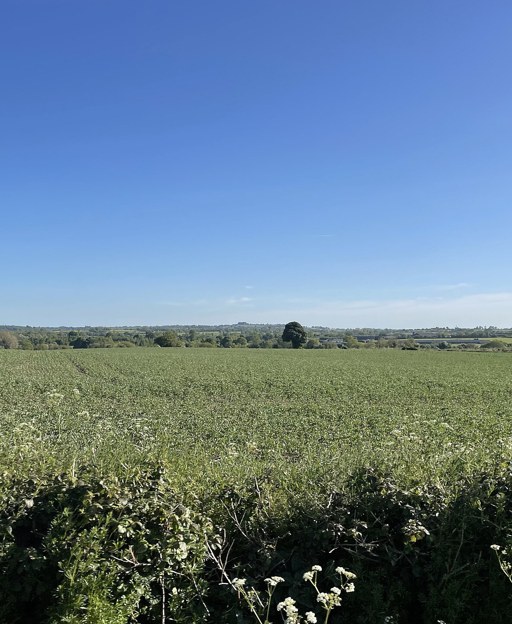
Tailtiu is one of the quieter figures in Irish myth. She has no sword and no spell. She has an axe, a plain of clover and a grave in County Meath. Her tale sits at the root of the harvest festival we know as Lughnasadh.
Who Was Tailtiu?
The medieval Irish books give her a long family tree. They call her a daughter of a king from Spain. In the old tales, many peoples came to Ireland by sea. You can read how they arrived in our guide to the invasions of Ireland.
Tailtiu married Eochaid, the last king of the Fir Bolg. That was one of the early peoples of the island. When the Tuatha Dé Danann defeated the Fir Bolg, Eochaid died. Tailtiu became a widow in a land that had changed hands.
She did not leave. She stayed, and she took a new husband from the Tuatha Dé. She also took in a child to raise. His name was Lugh.
The Foster-Mother of Lugh
Fosterage was a serious bond in early Ireland. A foster-mother raised a child as her own. The tie could be as strong as blood. Some tales say it was stronger.
Lugh’s birth family were great names. His father was Cian, and his mother’s father was the giant Balor. Yet it was Tailtiu who raised him. Later, Lugh became the bright, skilled hero of the Tuatha Dé Danann. He owed that upbringing to her.
Think of the Irish grandmother in your own family. She may not appear in the history books. Yet she shaped who you are. Tailtiu is that kind of figure in myth.
The Forest She Cleared
The old tale says that Ireland was thick with trees. Tailtiu looked at one great wood, Coill Cuan, and saw fields. She set to work to clear it. The story says she did the work so hard that she died of it.
By the end, the forest was gone. In its place lay a plain of clover. People could now graze cattle and grow grain. Her work fed those who came after her.
Here is what the tale gives us:
- A hard-working queen. She is a farmer’s heroine, not a warrior.
- A changing landscape. The forest becomes farmland, as it did over centuries in real Ireland.
- A debt of thanks. The harvest feast is a thank-you to the woman who made the fields.
☘️ Enjoying this? 64,000 Ireland lovers get stories like this every week. Subscribe free →
Lugh’s Funeral Games at Teltown
When Tailtiu died, Lugh grieved. He decided to honour her with a great gathering. The tradition says he held it at her burial place. That place is now called Teltown, in County Meath.
Teltown lies between Navan and Kells, beside the Blackwater. It is a green, gentle spot. You would drive past it without a thought. Yet the old books name it as one of Ireland’s great fair sites.
The gathering was called the Aonach Tailteann. It meant a fair and a funeral feast in one. People came for music, storytelling, trade, law and contests of skill. Kings and craftspeople came. So did families from across the island.
The fair fell at the start of August. In Irish that month is Lúnasa. It is named for Lugh, and it takes its feel from the harvest. This is how Tailtiu’s grief became Lughnasadh.
The Teltown Marriage
One custom from Teltown is famous. Tradition says that couples could take a pledge there. The pledge lasted a year and a day. After that, each person was free to part with no shame.
The tale tells of couples joining hands through a hole in a stone or wall. Later writers loved the story. Whether it happened as told, we cannot know. Yet it shows how people saw the fair. It was a place for promises, new starts and fresh trust.
It is a gentle story and a wise one. Promises matter more when people choose them freely.
Tailtiu and the Other Women of Irish Myth
Tailtiu belongs with a group of powerful women. Each one stands for the land in a different way.
- Banba, Fódla and Ériu gave their names to the island.
- Cesair was the first woman to arrive, in the flood tale.
- Macha raced a king’s horses and raised the great fort at Navan.
Tailtiu’s gift is plain and practical. She made the ground ready. Some scholars think she is a very old earth goddess, wearing a queen’s name. Others think the story keeps a memory of the first farmers. Both ideas fit the tale.
Visiting Teltown
Teltown is not a theme park. It is a stretch of farmland with a long memory. Low earthworks and field boundaries mark the site. A few signs and local walks help you read the ground.
Plan a short, slow visit. Here is a simple way to do it:
- Start in Navan or Kells and pick up a local heritage map.
- Drive the quiet roads near the Blackwater.
- Stop only where it is safe, and keep to public paths.
- Read the old tale on your phone as you look across the fields.
- Finish with a cup of tea in a Meath village.
Pair it with the Hill of Tara, which lies not far to the south. Together they show how much early Irish life centred on Meath. Always check local sources for the latest access details before you go.
Why Tailtiu Still Matters
Many Irish-Americans know the great gods and heroes. Fewer know the foster-mother. Yet her tale is closer to home. It speaks of work, care and gratitude. It says that a good harvest begins with someone who cleared the ground.
Next time you see a green field in Ireland, think of her. Someone cleared that land, and someone fed a family from it. That is a story worth passing on at your own table. It is also a good one to share with your cousins.
The Dagda gave the tales their thunder. Lugh gave them their light. Tailtiu gave them their roots.
Frequently Asked Questions
Who was Tailtiu in Irish mythology?
Tailtiu was a queen of the old Irish tales. She was the foster-mother of the god Lugh. The stories say she died after clearing a great forest for farmland.
Where is Teltown?
Teltown is in County Meath, between Navan and Kells. The name comes from Tailteann, the Irish name for the place. Low earthworks and quiet fields mark the old gathering ground.
What was the Teltown marriage?
Tradition says couples could join together at the Teltown gathering for a year and a day. After that, each could walk away free. Many later writers kept the story alive.
What is the link between Tailtiu and Lughnasadh?
Lugh held funeral games for Tailtiu at the start of harvest. That gathering became Lughnasadh, the festival of the first harvest in early August.
Is Tailtiu a real person or a goddess?
No one can say. The sources are medieval and mix history with myth. Some scholars see an older earth goddess behind the story. Others see a memory of early farming.
Can you visit Teltown today?
Yes. The land is mostly private farmland, so keep to public roads and respect field gates. Check local Meath tourism pages before you go for the latest access details.
☘️ Join 64,000+ Ireland Lovers
Every Friday, get Ireland’s lesser-known corners, local stories and secrets, straight to your inbox.
Subscribe free — enter your email:
Already subscribed? Download your free Ireland guide (PDF)
📲 Know someone who’d love this? Share on WhatsApp →
Free forever · One email per week · Unsubscribe anytime
Tours & experiences you might love


Powered by Viator. Some links are affiliate links — we may earn a small commission at no extra cost to you.
Secure Your Dream Irish Experience Before It’s Gone!
Planning a trip to Ireland? Don’t let sold-out tours or packed attractions spoil your journey. Iconic experiences like visiting the Cliffs of Moher, exploring the Rock of Cashel, or enjoying a guided walk through Ireland’s ancient past often sell out quickly—especially during peak travel seasons.

Booking in advance guarantees your place and ensures you can fully immerse yourself in the rich culture and breathtaking scenery without stress or disappointment. You’ll also free up time to explore Ireland’s hidden gems and savour those authentic moments that make your trip truly special.
Make the most of your journey—start planning today and secure those must-do experiences before they’re gone!