

Before Irish children could reach the chocolate biscuits, they had to get through the plain ones. In his Irish Times column on 24 December 2014, the writer Frank McNally described the USA assorted biscuit tin as “a rite of passage for generations of Irish people, and often a lesson in deferred gratification”. Here is what he says about the tin, and a loaf to bake while you finish the top tier.
A tin named after a country
McNally writes that USA assorted biscuits were first made in 1918 and were named after “the country whose troops were all the rage in Europe at the time”. They came, he says, “in the classic tin”, and the tin was a part of growing up in Ireland for generations.
Fourteen kinds, two tiers
☘️ Join 64,000+ Ireland Lovers
Every weekday morning, get Ireland’s hidden gems, local secrets, and travel inspiration — the kind you won’t find in any guidebook.
Subscribe free — enter your email:
Free forever · Unsubscribe anytime
Each tin held 14 varieties, half of them involving chocolate, with two tiers in every tin. The non-chocolate ones, he says, included pink wafers, which were “always popular”. But they also included “some of the most boring biscuits ever created”. We will leave you to decide which those were in your own family’s tin.
The rule of the top tier
Here is the line that makes the tin a story. “In properly regulated families”, he says, the rule was that you had to “finish all the top tier” before you could reach the chocolates in the tier below. McNally’s verdict, looking back: “it was a useful preparation for austerity”.
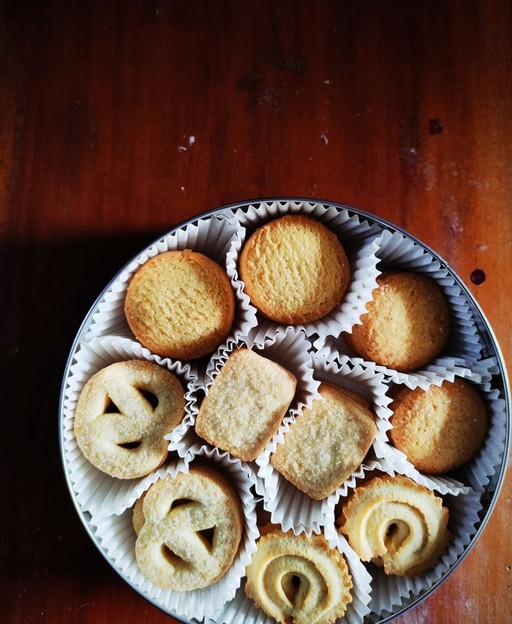
It is a small piece of Irish home life: a tin on the sideboard at Christmas, a rule nobody wrote down, and a child eyeing the layer underneath. The tin shown above is a different biscuit tin, as we could not find a photo of the real thing we were free to use.
What goes with the tin: tea and a brack
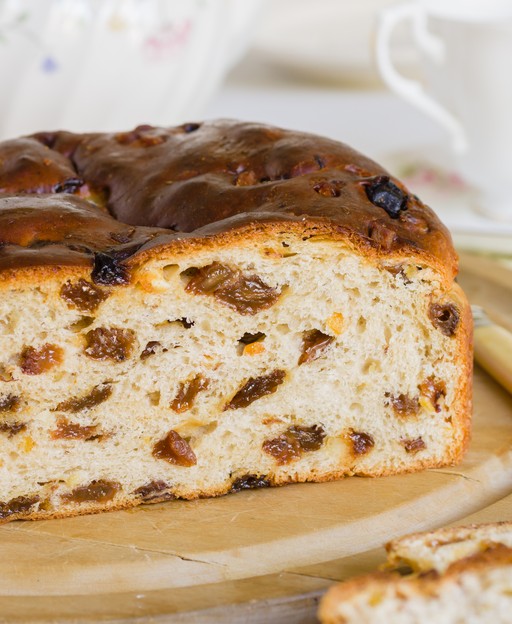
Whatever was in the tin, the tea came with it. The Irish Times column does not give a recipe, so this one is our own plain method. When the tin is empty, tea brack is the easy Irish loaf for the table: fruit soaked in tea overnight, no creaming, no kneading. Our traditional tea brack recipe, Chris’s Irish tea brack and our notes on how to serve it cover the variations.
For the rest of the Christmas table, read Irish Christmas food, why Irish homes once baked three Christmas cakes and why the pudding is set on fire.
More Irish bakes for the tin ☘️
Get our free Irish cooking recipes guide, with the classics step by step.
How to make Irish tea brack (makes 1 loaf, 10 slices)
Ingredients
- 350 g mixed dried fruit (raisins, sultanas, currants)
- 250 ml strong hot tea
- 150 g soft brown sugar
- 1 large egg, beaten
- 275 g plain flour
- 2½ teaspoons baking powder
- 1 teaspoon mixed spice
- Salted Irish butter, to serve
Method
- Put the fruit and sugar in a bowl, pour over the hot tea, stir, cover and leave overnight (at least 4 hours) until the fruit has swollen.
- Heat the oven to 170°C (150°C fan) and line a 900 g (2 lb) loaf tin with baking parchment.
- Beat the egg into the soaked fruit. Sift in the flour, baking powder and mixed spice and fold until just combined.
- Spoon into the tin, level the top and bake for about 1 hour 10 minutes, until a skewer comes out clean. Cover loosely with foil if the top browns too fast.
- Cool in the tin for 15 minutes, then turn out. Slice thick and spread with salted butter, with a pot of tea.
Do you remember who guarded the tin in your house?
Sources
- Frank McNally’s Irish Christmas, Frank McNally, The Irish Times, 24 December 2014
Checked November 2026.
Tours & experiences you might love


Powered by Viator. Some links are affiliate links — we may earn a small commission at no extra cost to you.
Secure Your Dream Irish Experience Before It’s Gone!
Planning a trip to Ireland? Don’t let sold-out tours or packed attractions spoil your journey. Iconic experiences like visiting the Cliffs of Moher, exploring the Rock of Cashel, or enjoying a guided walk through Ireland’s ancient past often sell out quickly—especially during peak travel seasons.

Booking in advance guarantees your place and ensures you can fully immerse yourself in the rich culture and breathtaking scenery without stress or disappointment. You’ll also free up time to explore Ireland’s hidden gems and savour those authentic moments that make your trip truly special.
Make the most of your journey—start planning today and secure those must-do experiences before they’re gone!