

Christmas Eve in Irish Pubs: Why the 24th Is the Busiest Night of the Year
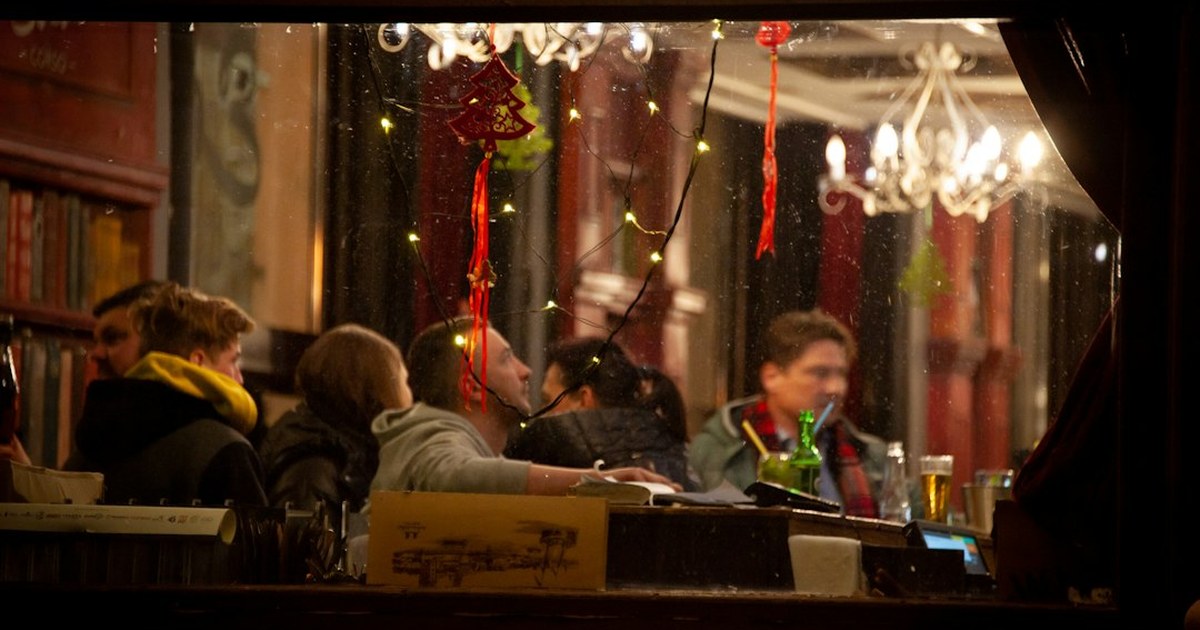
Ask anyone who grew up in Ireland and they will tell you the same thing: Christmas Day belongs to the family, but Christmas Eve belongs to the pub. Every year, on the evening of the 24th of December, Irish pubs from Donegal to Cork fill to a capacity that would make a St Patrick’s Day landlord envious. It is not a trend, not a marketing campaign, and not something anyone organised. It simply happens, reliably and joyfully, year after year — a piece of living social culture that has no official name but that every Irish person understands instinctively. Locals call it, variously, the Big Night, or most commonly just Christmas Eve, said with a particular knowing emphasis that carries its full weight.
The reason it happens is rooted in the Irish experience of emigration and homecoming. For generations, young people left their towns and villages for Dublin, London, Boston, Sydney, and New York. Christmas was the great return — the one occasion in the year when the full scatter of a community briefly reassembled. The local pub was the logical meeting point, neutral ground between family homes, the one place where a person who had been away for eleven months could walk through a door and find half the people they grew up with in one room. That pattern is less defined by emigration now than it once was, but the habit has proved more durable than the circumstances that created it. Today, university students, young professionals who have moved to cities, and Irish people returning from abroad all converge on Christmas Eve with the same instinct their parents and grandparents had. The pub becomes, for a few hours, a remarkable cross-section of a community’s past and present.
What makes the night distinctive, beyond the sheer numbers, is the particular atmosphere it generates. These are not strangers drinking together — almost everyone in the room has a connection to almost everyone else, however layered or long-dormant. School friendships are revived. Old neighbours catch up across the bar. Someone who left for Canada five years ago stands three deep from the taps, shouting to be heard. The noise level in a busy Irish pub on Christmas Eve is extraordinary, but it is warm noise — conversation, not music, doing most of the work. Publicans know what is coming and prepare accordingly: extra staff, extra stock, and in many cases extended opening hours where licensing permits. In rural towns especially, where a single pub may serve the entire parish, the evening takes on something close to the character of a community gathering, with the drinks secondary to the event of simply being in the same room again.
There is also a temporal logic to Christmas Eve that gives the night its particular energy. Everyone knows it ends. The next day is for families, for dinner tables, for sitting rooms and tradition — there is no question of a late one bleeding into the following day. The pub empties by midnight with an unusual purposefulness, people stepping out into the cold for the walk home or to Midnight Mass in many parts of the country. That built-in closing time gives the evening a concentrated quality, a sense that this specific gathering exists in its own bracket of time. Rounds are bought with generosity. Old arguments are set aside. The conversation moves quickly because there is a great deal of catching up and not very many hours in which to do it.
Why It Matters Today
For anyone visiting Ireland in late December — whether spending Christmas with Irish family, or simply travelling through at that time of year — stepping into a local pub on Christmas Eve offers something that a summer visit simply cannot replicate. This is not a performance for tourists; it is one of the most genuinely local nights in the Irish social calendar. Visitors are welcomed with the same warmth extended to everyone on a night when goodwill is running at high tide. It is worth knowing, practically, that pubs will be very busy and that booking ahead is not really the custom — you arrive, you find a spot if you can, and you join in. Smaller towns often give the most vivid experience of the night, since the sense of a community reconvening is easier to feel when the room is two hundred people rather than two thousand.
Christmas Eve in an Irish pub is one of those occasions that reminds you why pub culture in Ireland is taken seriously as something more than a drinking habit. It is a social infrastructure, a place where a community holds itself together across time and distance — the same instinct that keeps weekly rituals like the Sunday pub carvery alive, and on no night of the year is that function more visible or more moving than on the evening of the 24th of December.
☘️ Join 64,000+ Ireland Lovers
Every Friday, get Ireland’s hidden gems, local secrets, and travel inspiration — the kind you won’t find in any guidebook.
Already subscribed? Download your free Ireland guide (PDF)
Free forever · One email per week · Unsubscribe anytime
Tours & experiences you might love


Powered by Viator. Some links are affiliate links — we may earn a small commission at no extra cost to you.
Secure Your Dream Irish Experience Before It’s Gone!
Planning a trip to Ireland? Don’t let sold-out tours or packed attractions spoil your journey. Iconic experiences like visiting the Cliffs of Moher, exploring the Rock of Cashel, or enjoying a guided walk through Ireland’s ancient past often sell out quickly—especially during peak travel seasons.

Booking in advance guarantees your place and ensures you can fully immerse yourself in the rich culture and breathtaking scenery without stress or disappointment. You’ll also free up time to explore Ireland’s hidden gems and savour those authentic moments that make your trip truly special.
Make the most of your journey—start planning today and secure those must-do experiences before they’re gone!