

Living in County Louth, Ireland, means life in the smallest county in the country, about 826 square kilometres, with a medieval harbour town, a mountain, a river valley and Dublin all within easy reach. If you dream of a quiet place with real history and a short trip to a big city, Louth deserves a close look.
This guide looks at what daily life feels like here: the towns, the coast, the food, the history and the pace. It does not cover rules or paperwork. For the practical side of a move, we link our full guide further down.
Why County Louth suits people who want a small, friendly place
Louth sits on the east coast, halfway between Dublin and Belfast. The M1 motorway and the Enterprise rail line both run through it. Dundalk is about 85 km from Dublin, so you can reach the capital for a show, a match or an airport run, then come home to a village where people know your name.
The county packs a lot into a small space. You can walk a mountain in the morning, eat fresh seafood at lunch and stand beside a thousand-year-old stone cross in the afternoon. Because the county is so compact, nothing feels far away.
- Small scale: most places in the county are under an hour’s drive from each other.
- Two big towns: Drogheda and Dundalk each hold more than 40,000 people (44,000 and 43,000, per the 2022 Census), with shops, schools and train stations.
- Real countryside: the Cooley Peninsula and the Louth hills sit a few minutes from town.
- Easy travel: Dublin and Belfast are both reachable by road or rail.
Carlingford: the town visitors fall for first
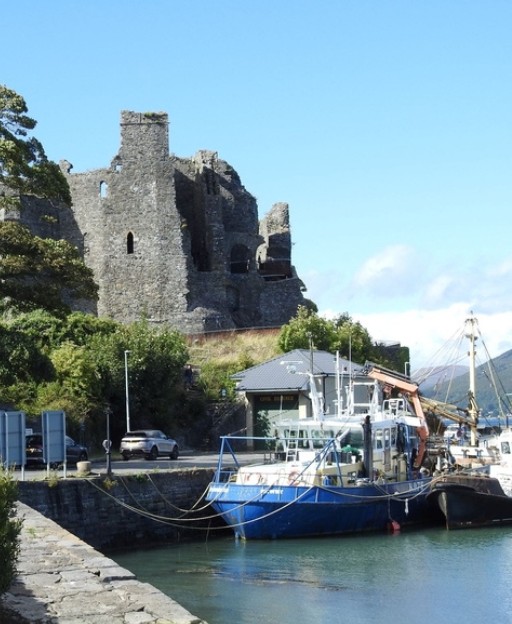
Carlingford is the postcard of County Louth. This medieval town sits on the shore of Carlingford Lough, with the Mourne Mountains across the water. Narrow lanes, stone houses and the ruins of King John’s Castle give the place a storybook feel.
Walkers love the area. Slieve Foy rises to 589 metres right behind the village, and the Carlingford Greenway follows the old railway line for about 7 km between Carlingford and Omeath. Pubs and small restaurants line the old streets, and seafood is the local speciality, with oysters from the lough on many menus.
What it feels like in winter
Carlingford is busy in summer and calm in winter. If you want a place that keeps its charm out of season, visit in November and see for yourself. The harbour, the mountain and the cosy pubs all stay open for locals.
Drogheda and the Boyne Valley: history on your doorstep
Drogheda is a lively port town on the River Boyne. St Laurence’s Gate, a medieval tower from the 13th century, still guards the old town. The Millmount hilltop gives a wide view over the river and the viaduct.
The Boyne Valley starts just outside town. Mellifont Abbey, founded in 1142, was the first Cistercian abbey in Ireland. Monasterboice has a round tower about 28 metres tall and some of the finest high crosses in the country, including Muiredach’s Cross from the 10th century. Newgrange, the 5,000-year-old passage tomb, lies a short drive away in neighbouring County Meath. Read more on the official Newgrange site or in our guide to the Newgrange winter solstice.
For longer outings, try our walking trails in the Boyne Valley and our guide to Trim Castle.
Dundalk and the legends of the Cooley
Dundalk is a busy market town close to the border. It gives you shops, cafés, a theatre and the train to Dublin. Nearby Dún Dealgan is the legendary home of Cú Chulainn, the hero of the Táin, Ireland’s great epic cattle raid. The Cooley hills are where that story played out.
Locals say the stories feel alive here. You can drive the Cooley roads, spot standing stones and imagine the armies of Queen Medb. If you love Irish mythology, few counties offer this much in such a small area.
☘️ Enjoying this? 64,000+ Ireland lovers get stories like this every week. Subscribe free →
Daily life in County Louth
Daily life in Louth is easy and social. Most people shop in Dundalk or Drogheda, then enjoy the villages at weekends. Sports clubs, music sessions and community groups give newcomers a way to meet neighbours quickly.
- Food: fresh seafood from Carlingford Lough, farm shops and a strong café scene in both big towns.
- Music and pubs: traditional sessions run in many local pubs, especially at weekends.
- Outdoors: mountain walks, the Greenway, sandy beaches at Blackrock and Clogherhead.
- Community: small villages where neighbours still stop to chat.
Who Louth suits best
Louth suits people who want a quieter life without losing access to a city. It works well for families, remote workers and retirees who like walking and history. If you prefer wild Atlantic scenery, our guide to living in County Sligo may fit better.
The Louth coast and the seasons
Louth has a gentle, sandy coast that many visitors miss. Clogherhead has a working fishing harbour and a headland with wide views. Blackrock, near Dundalk, is a seaside village with a long promenade and a lively summer crowd. Annagassan and Termonfeckin add quiet beaches and old churches.
The climate is mild by Irish standards. The east coast is often drier than the west, which suits walkers and gardeners. Autumn brings golden light over the Cooley hills, and spring brings new green to the lanes around Carlingford. Winters are cool and damp, so pack a good coat and enjoy a turf fire in a local pub.
Many people who visit for a weekend end up returning every season. The county rewards slow travel: stop at a farm shop, follow a signposted lane and ask a local about the nearest holy well.
Planning your first visit
A short stay is the best test. Spend two nights in Carlingford and one in Drogheda, and try the places we describe above. Our guide to things to do in County Louth has more ideas, and our trip planning hub covers the basics.
Two more resources help you plan a longer route. Try the Ireland road trip itinerary and the Connacht heritage itinerary. When you feel ready to think about a move, read our full Move to Ireland guide for the practical steps.
Frequently asked questions
Is County Louth a good place to live?
Yes, if you want a compact county with a lively coast, historic towns and quick links to Dublin and Belfast. Many people like the mix of village calm and town convenience.
What is Carlingford best known for?
Carlingford is best known for its medieval streets, King John’s Castle, Slieve Foy and its seafood. It is one of the most photographed towns on Ireland’s east coast.
How far is Louth from Dublin?
Dundalk lies about 85 km north of Dublin, and Drogheda is closer. Both towns have train stations and sit beside the M1 motorway.
Is County Louth worth visiting?
Absolutely. In a single day you can see high crosses at Monasterboice, the ruins of Mellifont Abbey and the harbour at Carlingford. It is one of Ireland’s best counties for history in a small space.
☘️ Join 64,000+ Ireland Lovers
Every weekday morning, get Ireland’s lesser-known corners, local stories and secrets, straight to your inbox.
Subscribe free — enter your email:
Already subscribed? Download your free Ireland guide (PDF)
📲 Know someone who’d love this? Share on WhatsApp →
Free forever · Unsubscribe anytime
Tours & experiences you might love


Powered by Viator. Some links are affiliate links — we may earn a small commission at no extra cost to you.
Secure Your Dream Irish Experience Before It’s Gone!
Planning a trip to Ireland? Don’t let sold-out tours or packed attractions spoil your journey. Iconic experiences like visiting the Cliffs of Moher, exploring the Rock of Cashel, or enjoying a guided walk through Ireland’s ancient past often sell out quickly—especially during peak travel seasons.

Booking in advance guarantees your place and ensures you can fully immerse yourself in the rich culture and breathtaking scenery without stress or disappointment. You’ll also free up time to explore Ireland’s hidden gems and savour those authentic moments that make your trip truly special.
Make the most of your journey—start planning today and secure those must-do experiences before they’re gone!