

Every year, thousands of Irish-American, Irish-Australian and Irish-Canadian visitors stand on this quay looking for the exact spot their ancestors last stood on Irish soil. This episode is about that spot, and the port behind it.
Watch the full episode, then read on below for the complete story and practical visiting details.
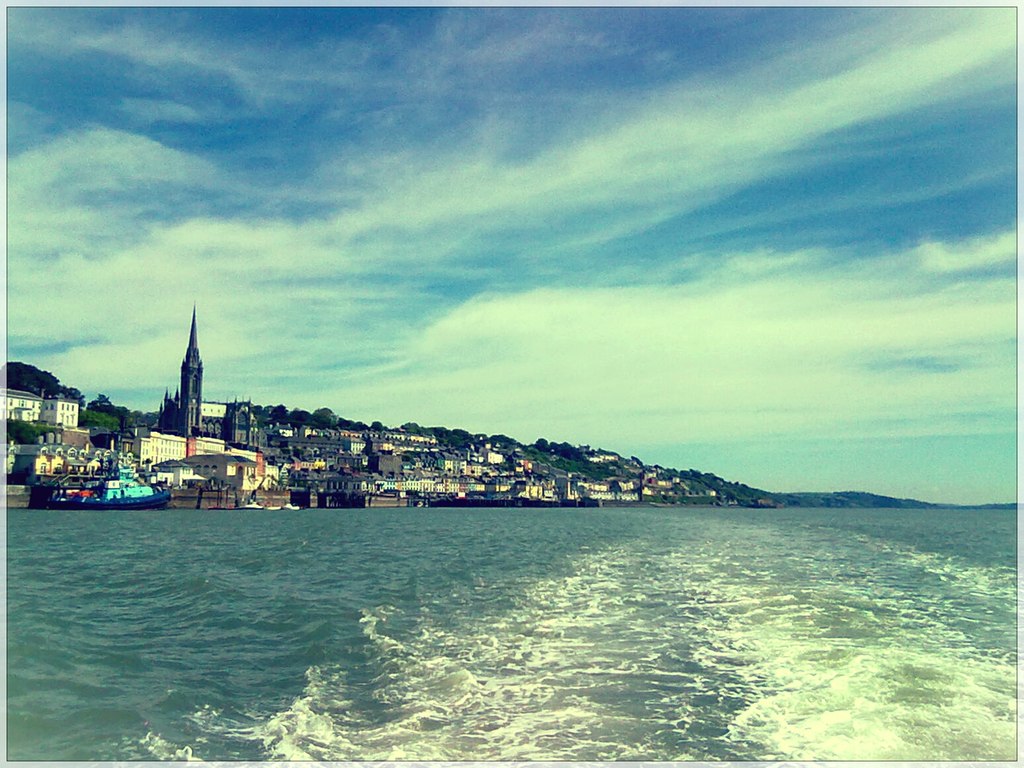
Somewhere between 1848 and 1950, an estimated two and a half million people stood on a dock in a small Irish town and watched their home get smaller and smaller behind them. Most of them never came back. If your last name is Irish and your family’s been in America, Canada, or Australia for more than a couple generations, there’s a real chance THIS is where your family’s story actually starts. Not some village you’ve never heard of. Here. And there’s a second reason this town matters that most people have no idea about. I’ll get to that one in a minute, and it involves the most famous ship that ever sank. This is Cobh — pronounced “Cove,” which is exactly what everyone calls it. Stick around, because by the end of this you’re going to want to go stand on that dock yourself.
Cobh started life as Cove, got renamed Queenstown for a royal visit in 1849, and stayed Queenstown for over 70 years before the town took back its Irish name in 1920. It’s built on a steep hill on the south coast, looking out over one of the largest natural harbours in the world. Deep enough for the biggest ships of the age to sail right in. That’s the whole reason this town exists the way it does. Not fishing. Not farming. Ships. By the mid-1800s, Queenstown wasn’t just A port. For huge numbers of Irish families, it was THE port, the last stretch of Irish ground most of them would ever stand on. And what happened here over the next hundred years is bigger than almost anyone realizes.
Here’s the number again, because it’s worth saying slowly: two and a half million people. Between the Great Famine in the 1840s and the years after World War Two, that’s roughly how many people emigrated through this one harbour. Some estimates for the peak Famine years alone are staggering, ships leaving packed beyond capacity, people paying with everything they had for a one-way ticket to Boston, New York, Halifax, Melbourne. Most left with a single trunk. Some left with nothing but what they were wearing. Families would walk for days from inland counties just to reach this harbour, and once that ship left, there was no calling home. No email. Sometimes it was years before a letter made it back, if one ever did. For a lot of families, the goodbye at this dock was the last time they ever saw each other. That’s the story most people already sort of know. Emigration, the Famine, the diaspora, you’ve probably heard the shape of it before. What most people DON’T know is what almost sailed out of this exact same harbour just a few decades later, and never made it across.
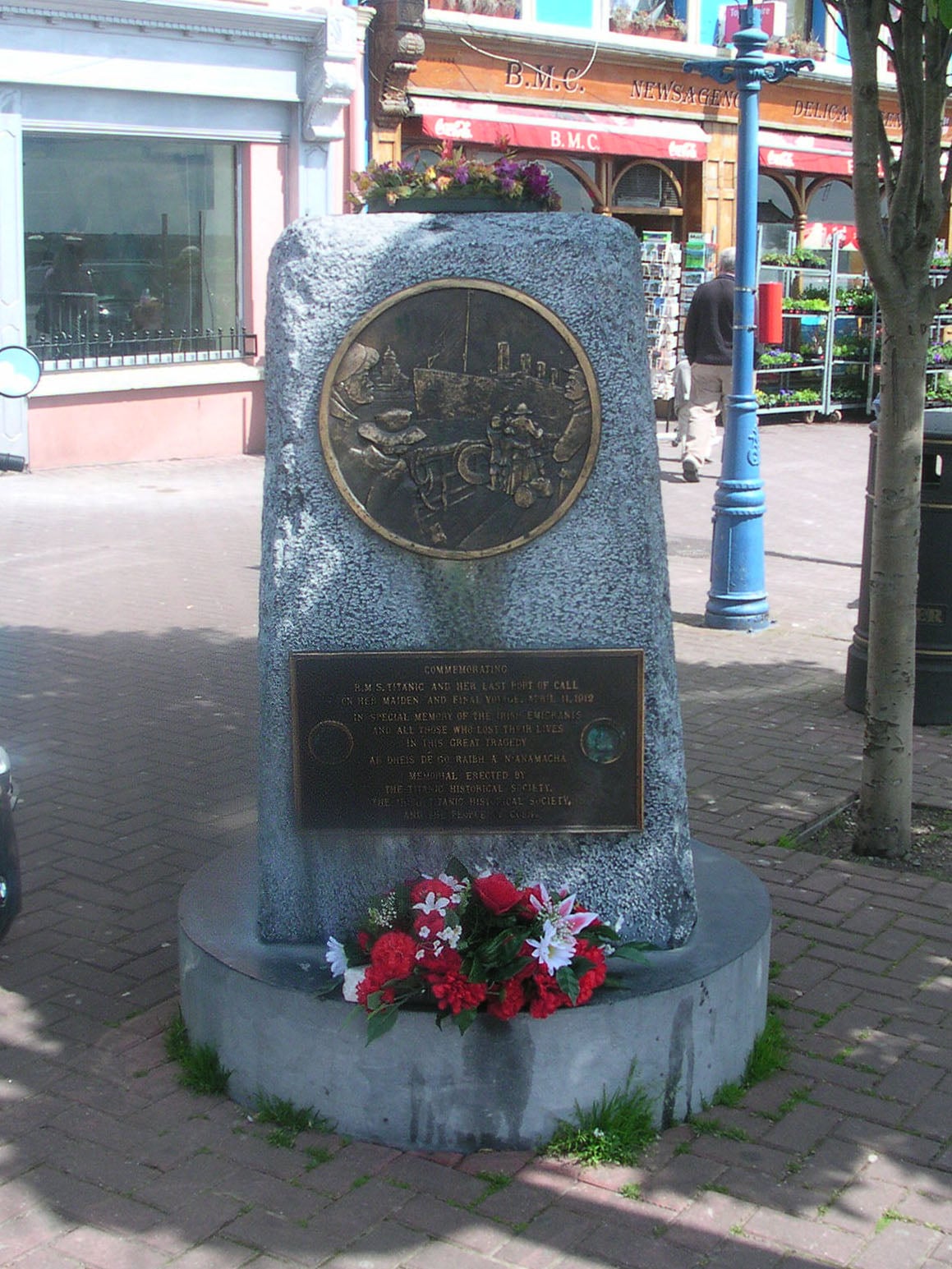
April 11th, 1912. The RMS Titanic makes her final stop before crossing the Atlantic, right here, in Cove harbour. Queenstown, as it was still called then. One hundred and twenty-three passengers boarded that day. Local families, people emigrating for a new life, people who’d saved for years for that ticket. Most of them boarding third class. Four days later, the Titanic was at the bottom of the Atlantic. Of those 123 people who boarded here in Cove, the majority didn’t survive. This town has a genuine, direct, physical connection to one of the most famous disasters in modern history, and it’s not a footnote. There’s a whole museum here built on the exact spot where those passengers boarded, using the original White Star Line building. So this one harbour has both of these stories in it. The quiet, decades-long story of a whole nation leaving. And one single, catastrophic afternoon that’s been retold in movies for over a century. Here’s the thing, you can go stand in both of those stories today.
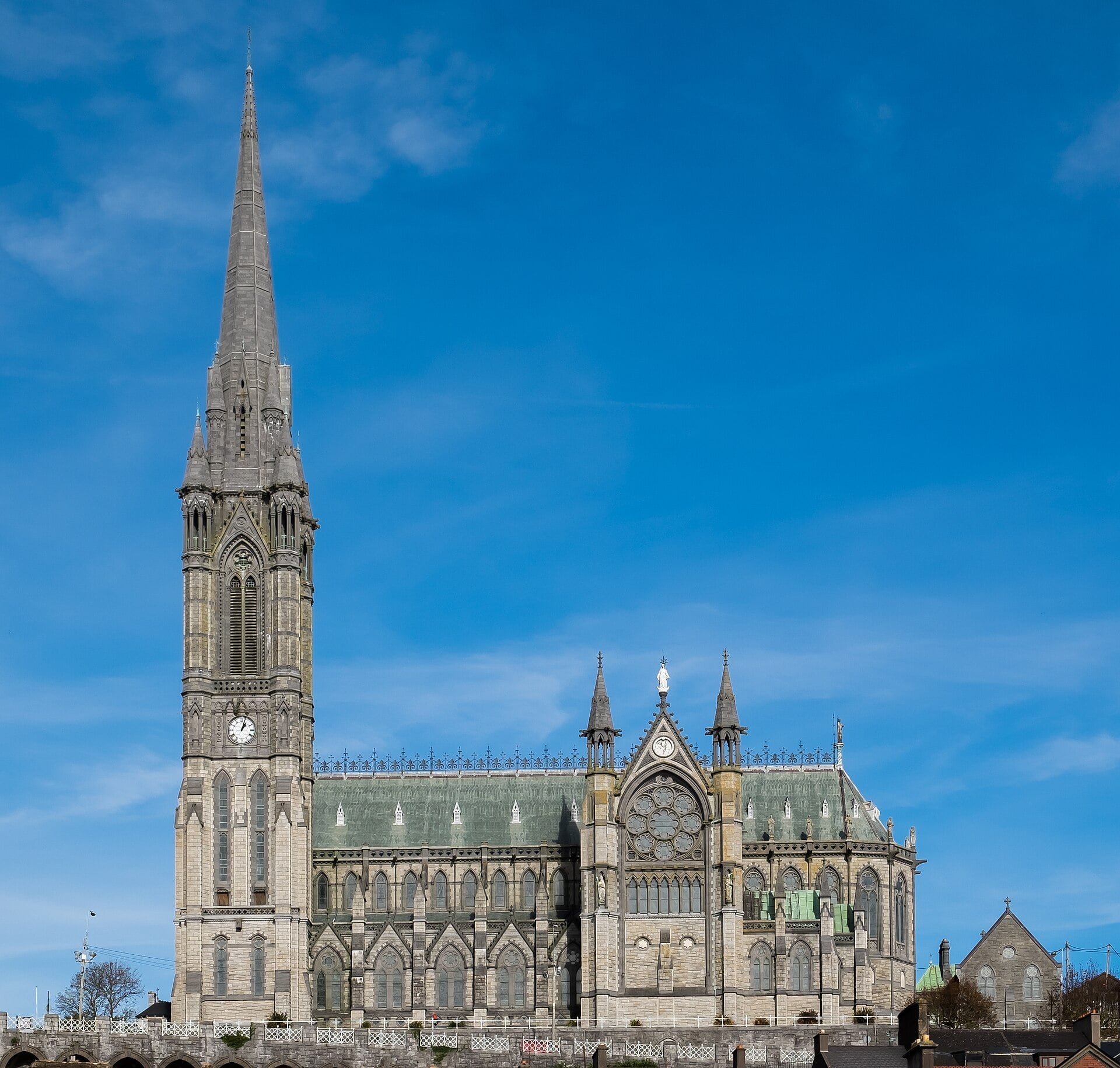
Cove today is small, you can walk the whole seafront in twenty minutes, but it packs in more than towns ten times its size. St. Colman’s Cathedral sits above the harbour and dominates the whole skyline, it’s one of the tallest buildings in Ireland, and the bells alone are worth timing your visit around. The Titanic Experience Cobh is built inside the actual White Star Line ticket office, you walk the same corridor those 123 passengers walked in 1912. And right along the harbour front, the houses are painted in that same row of bright colours you’ve probably seen in photos without knowing where they were, that’s Cove, right there. If you’re chasing family history, the Cobh Heritage Centre has emigration records going back generations, genuinely one of the best starting points anywhere in Ireland if you’re trying to trace where your family actually left from.
Two and a half million departures. One ship that never made it. And a small harbour town that’s still standing exactly where all of it happened. That’s Cove. If your family’s Irish and you’ve never quite known where the story starts, there’s a real chance it starts here. Full guide’s linked below, with everything you need to actually plan the visit. And I want to know, did your family come through Cove? Do you actually know the story? Put it in the comments. I read every one, and I might make an episode out of the best one. See you next Monday.
Never miss an episode. Bob’s next long-form episode drops every Monday on our YouTube channel. Subscribe to the free Love Ireland newsletter and we’ll let you know the moment a new one is live: https://loveireland.substack.com/subscribe
Cobh was the last piece of Ireland over a million emigrants ever saw — before they sailed to America, Australia and beyond. If your family made that crossing, our free ancestry guide can help you trace exactly which townland they left from, and find the civil records of their departure.: Trace Your Irish Roots — Free Step-by-Step Guide.
☘️ Join 64,000+ Ireland Lovers
Every weekday morning, get Ireland’s hidden gems, local secrets, and travel inspiration — the kind you won’t find in any guidebook.
Subscribe free — enter your email:
📲 Know someone who’d love this? Share on WhatsApp →
Love more? Join 43,000 Scotland lovers → · Join 29,000 Italy lovers → · Join 7,000 France lovers →
Free forever · Unsubscribe anytime
Tours & experiences you might love


Powered by Viator. Some links are affiliate links — we may earn a small commission at no extra cost to you.
Secure Your Dream Irish Experience Before It’s Gone!
Planning a trip to Ireland? Don’t let sold-out tours or packed attractions spoil your journey. Iconic experiences like visiting the Cliffs of Moher, exploring the Rock of Cashel, or enjoying a guided walk through Ireland’s ancient past often sell out quickly—especially during peak travel seasons.

Booking in advance guarantees your place and ensures you can fully immerse yourself in the rich culture and breathtaking scenery without stress or disappointment. You’ll also free up time to explore Ireland’s hidden gems and savour those authentic moments that make your trip truly special.
Make the most of your journey—start planning today and secure those must-do experiences before they’re gone!