

Millions of people drive the Ring of Kerry every year and finish it without understanding what they actually just saw. This episode is the context most tourists never get.
Watch the full episode, then read on below for the complete story and practical visiting details.
The Ring of Kerry is Ireland’s most famous drive. One hundred and seventy-nine kilometers around the Iveragh Peninsula. Millions of people do it every year — and most of them finish it without understanding what they actually just saw.
Here’s what the Ring of Kerry is famous for, and why: a coastline so dramatic the Gulf Stream keeps it warm enough for palm trees, mountains that drop straight into the Atlantic, and somewhere out on the water — a seven-hundred-foot rock where twelve-hundred-year-old monks built beehive stone huts with no mortar. That rock is Skellig Michael. UNESCO World Heritage Site. Star Wars location. The single most dramatic thing you can reach from this drive.
But the Ring of Kerry isn’t just scenery. It’s a route built on geography, history, and a coastline that has been pulling people toward the edge of the world for thousands of years.
Today, I’m going to show you why.
The Ring of Kerry isn’t ancient. As a tourist route, it’s barely a century old. But the land it circles — the Iveragh Peninsula — has been pulling people in for thousands of years.
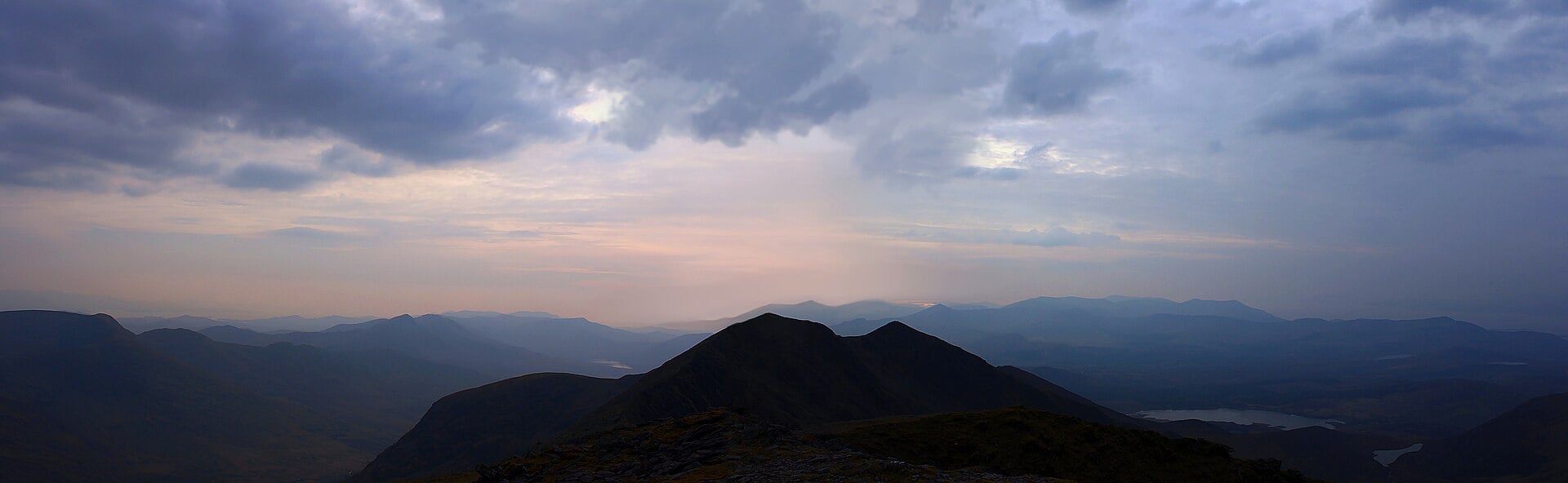
Start with the numbers. Ireland’s highest mountain range, the MacGillycuddy’s Reeks, anchors the northeast corner. Carrauntoohil, at just over a thousand metres, is the highest peak in Ireland. The western coast drops straight into the Atlantic with some of the most dramatic cliffs on the island.
In between? Europe’s last temperate rainforest pockets. Over a thousand archaeological sites. And a coastline so convoluted it takes nearly three hours to drive what’s only fifty kilometers as the crow flies.
The route itself follows the N70 and N71 roads — the N70 hugging the coast from Killorglin down through Cahersiveen, Waterville, and Sneem; the N71 completing the loop through Kenmare back to Killarney. The tradition is to drive counter-clockwise. Tour buses are required to go that direction — the roads are too narrow for them to pass each other safely on the coastal sections. So if you want fewer buses in your mirrors and better views into the passing places, go clockwise. You’ll be swimming against the current, but you’ll have the Atlantic-side window.
What makes this particular peninsula special? Geography. The Gulf Stream keeps the coast mild enough for subtropical plants — you’ll see palm trees and rhododendrons that have no business being at this latitude. The mountains trap moisture and create that distinctive soft light. And the coastline faces west into open ocean, with nothing between here and Newfoundland.
That openness matters. It meant the Iveragh Peninsula was a gateway — sometimes the first European landfall for boats from the west, sometimes the last point of contact for monks sailing into the unknown. That tension between arrival and departure shaped everything that happened here.
Thirteen kilometers off the coast, past Portmagee, two rocks jut from the Atlantic. Small Skellig is a gannet colony — fifty thousand birds, one of the largest colonies in the world, and you can’t land on it. But Skellig Michael, the larger of the two, is something else entirely.
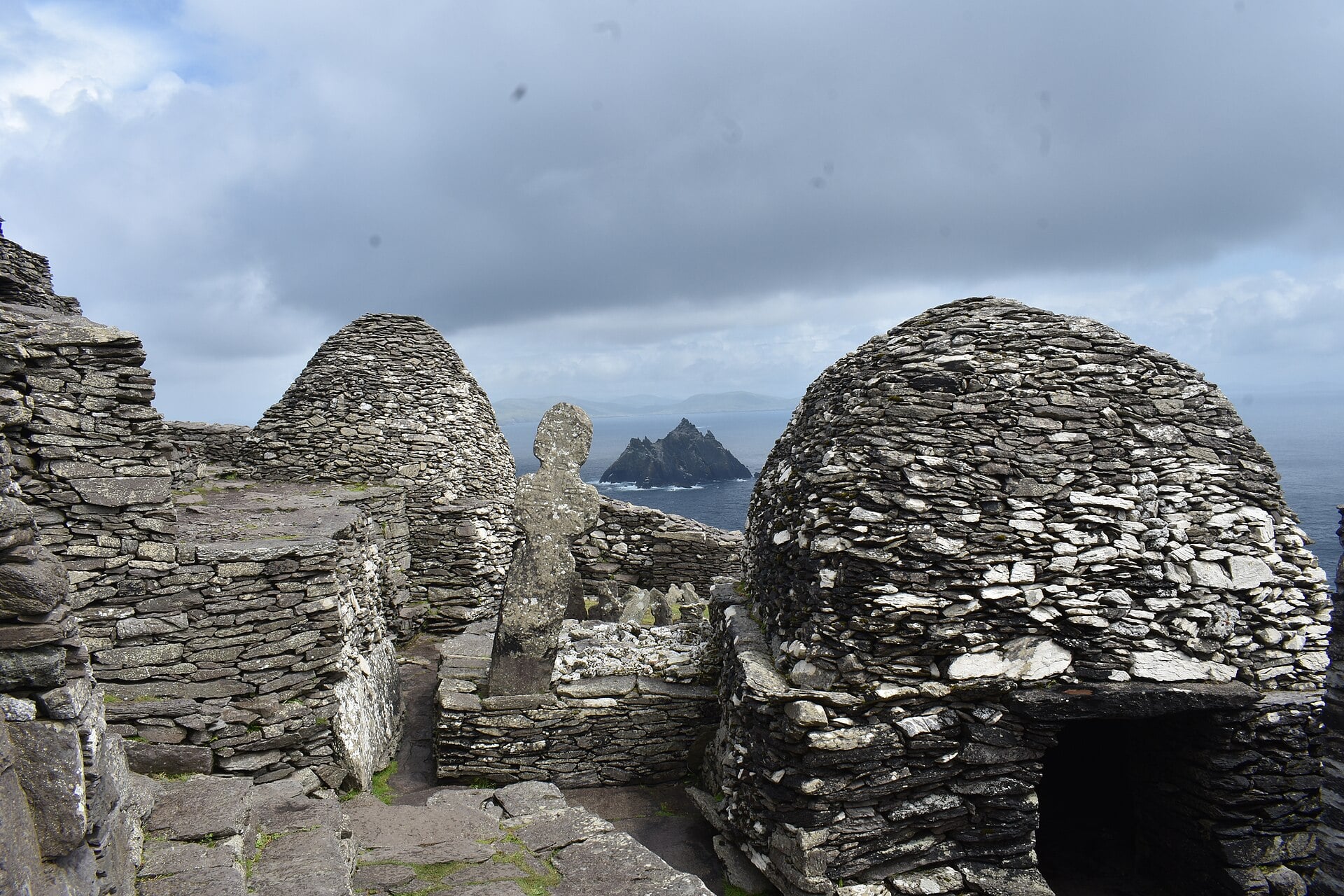
In the sixth century — we think around 588 AD, though records are sparse — a small group of monks rowed out to that rock and decided to stay. Not visit. Stay. They carved six hundred and eighteen steps into the cliff face. They built beehive huts, called clocháin, by dry-stacking stone in overlapping circles until the walls curved inward and closed. No mortar. No timber framing. Just the weight of stone pressing down on itself.
The technique is called corbelling, and it worked so well that the huts have survived fourteen hundred Irish winters. The roofs don’t leak. The walls don’t collapse. Archaeologists still aren’t entirely sure how monks with no formal engineering training got the geometry so precise.
Why there? The real answer is: we don’t fully know. The monastic tradition of the time valued peregrinatio — voluntary exile for the sake of faith. The more remote and uncomfortable the better. Skellig Michael is about as remote and uncomfortable as you can get without actually leaving Ireland.
The monastery flourished, if you can call subsistence living on a wave-battered rock flourishing, for roughly six hundred years. The monks raised what crops they could in tiny garden terraces. They fished. They prayed. They copied manuscripts. And in 823 AD, Vikings found them.
The Annals of Ulster record the attack. The monks were carried off. But here’s the thing — they came back. Or someone did. The monastery was rebuilt and continued operating until the twelfth century, when the climate turned colder and the Church reorganised, and the monks finally moved to the mainland for good.
They left behind the most intact early medieval monastery in Europe. And then, for eight hundred years, almost nobody went there.
Here’s what I didn’t know until I started researching this episode.
While those monks were copying manuscripts on Skellig Michael, the peninsula behind them would become the hinge point of the modern world — twice. Both times, most people missed it.
Valentia Island sits at the western tip of the Ring, just across a bridge from Portmagee. It’s a quiet place now. A few hundred residents. Some nice walks. A slate quarry that supplied roofing material for the Houses of Parliament in London.
But in August 1858, a cable was laid from Valentia Island to Newfoundland. The first transatlantic telegraph cable. The first time a message traveled from Europe to North America at something faster than ship speed. Queen Victoria sent a telegram to President Buchanan. It took sixteen hours to transmit because the signal was so weak — ninety-eight words at about two minutes per word — but it arrived.
That cable failed after three weeks. The insulation broke down. Investors panicked. The American Civil War intervened. But in 1866, a new cable was laid, and this one held. For the next hundred years, Valentia Island was a communications hub connecting continents.
The telegraph station is still there. You can visit. Most Ring of Kerry tourists don’t — they’re rushing to make Skellig Michael or get back to Killarney before dark. But that building, on that unassuming island, ended the information isolation of the Americas.
One peninsula. Medieval monks pushing west to the edge of the known world. Victorian engineers pushing west with copper wire. Same impulse. Same geography. The Ring of Kerry isn’t just scenery — it’s a place that kept pulling humanity toward what was next.
Alright. Practical matters. You want to actually do this.
First: the Ring itself takes three to four hours to drive without stops. With stops, plan a full day. If you want to include Skellig Michael, plan two days — the boat trip alone is two to three hours each way, and landing permits are limited to about a hundred and eighty people per day. You book through licensed operators out of Portmagee, and you book months in advance, especially for summer.
Weather determines everything with Skellig. Boats can’t land if the swell is too high. Some years, thirty to forty percent of trips get cancelled. So book early, stay flexible, and have a backup plan.
If you can’t get a landing permit, the eco-cruises circle the island without landing. You won’t climb the steps or touch the beehive huts, but you’ll see the profile, and you’ll understand why the Star Wars location scouts lost their minds when they found it. The first time they scouted it, in 2014, J.J. Abrams reportedly said they couldn’t believe it was real.
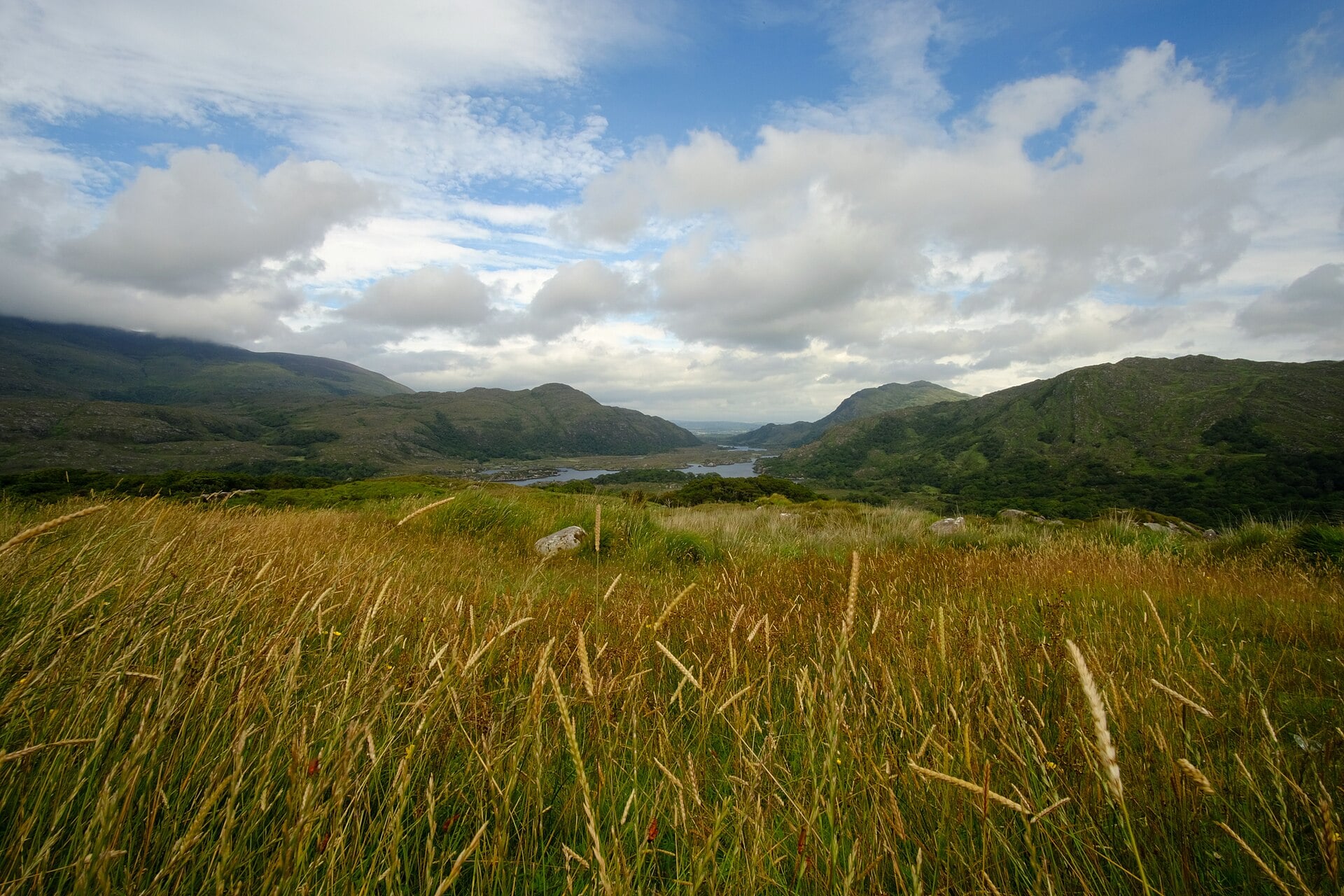
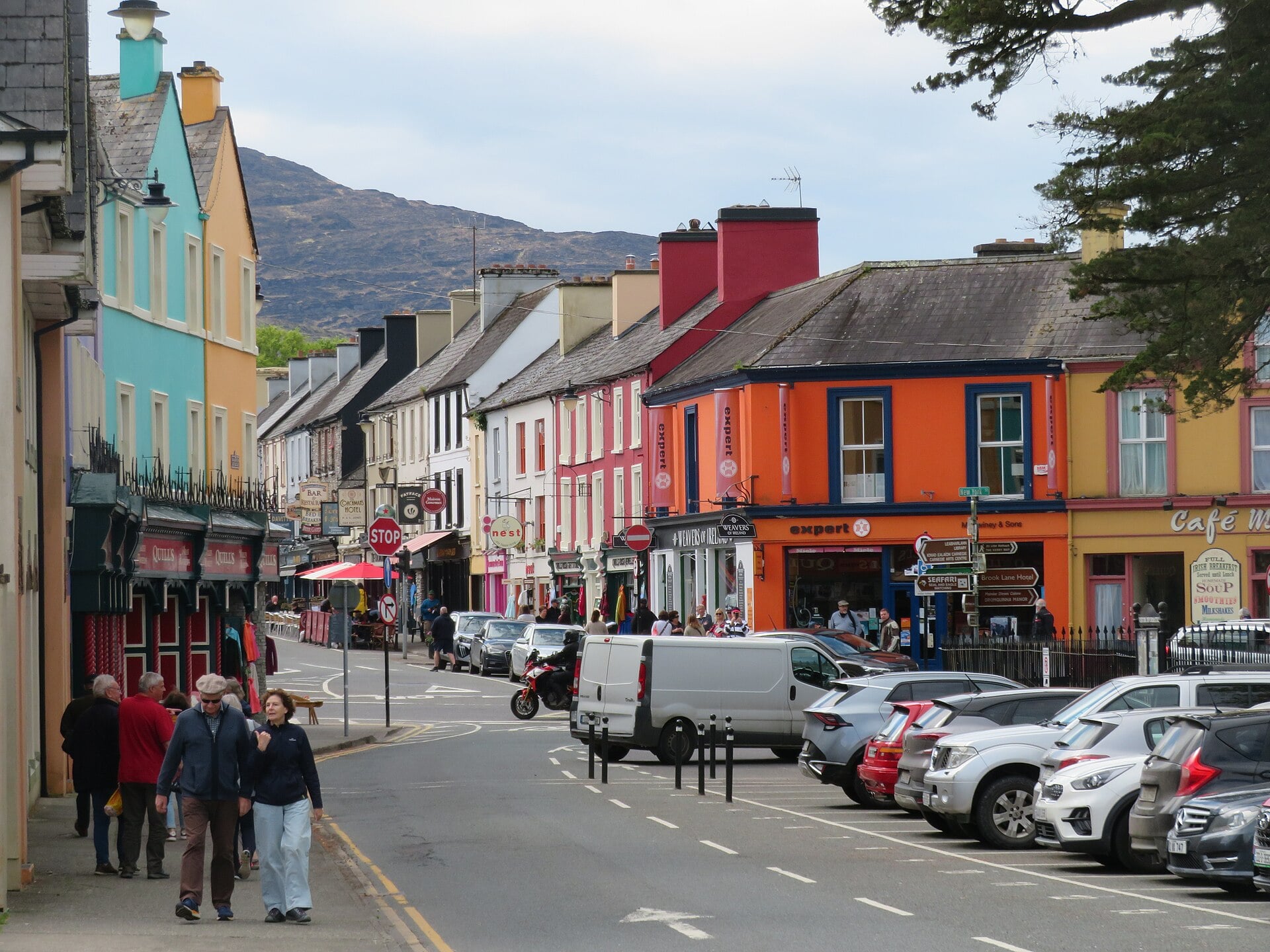
On the Ring itself, my recommended stops in clockwise order: Killarney National Park at the start — Muckross House and Torc Waterfall, both quick visits. Then over Moll’s Gap for the best views of the lakes. Ladies View is the famous photograph spot, named for Queen Victoria’s ladies-in-waiting, who allegedly loved it. Kenmare for lunch — good restaurants, nice town. Sneem if you want colour; it’s a photogenic village, sometimes called the “knot” because the road ties back together there.
Waterville has a statue of Charlie Chaplin. He and his family vacationed there nearly every summer for more than a decade, from 1959 to 1971. He called it the most beautiful place in the world, which is saying something for a man who’d seen most of the world.
Cahersiveen is worth a stop for Daniel O’Connell’s birthplace — the Liberator, the man who achieved Catholic emancipation in 1829. And from there, the bridge to Valentia Island.
Skip the generic tourist shops. Stop for the viewpoints, the history, and the food. Bring layers — it will rain at some point. Accept that. The light after the rain is why photographers come here.
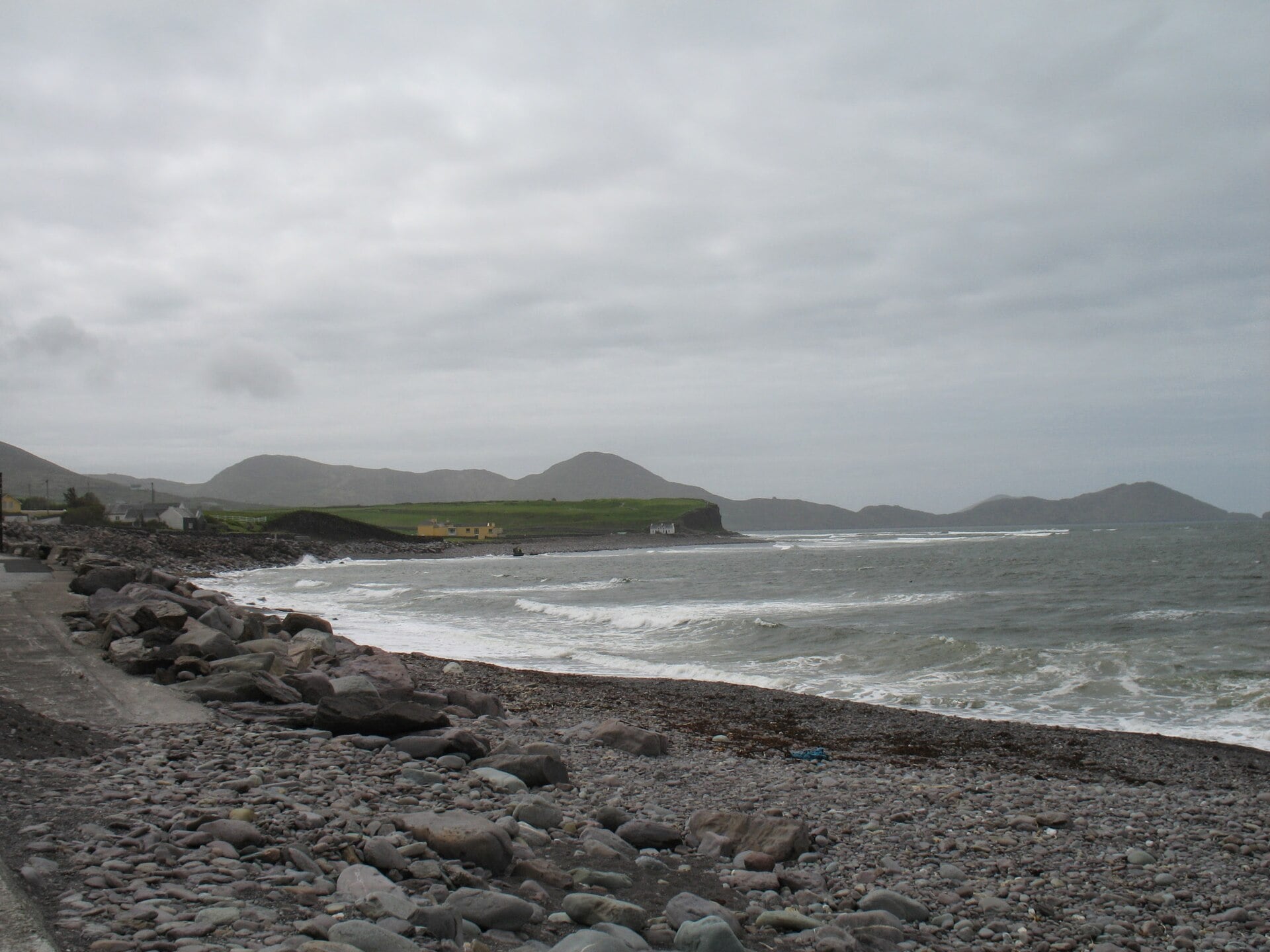
The Ring of Kerry does something unusual. It puts a six-century monastery, a telecommunications revolution, Ireland’s highest mountains, and Charlie Chaplin’s favourite beach on the same day’s drive.
Most people do it in four hours and remember the sheep in the road. If you do it properly — take two days, get out of the car, actually look at what’s there — you’ll understand why monks rowed out to a rock and why engineers ran a cable into the sea. Some places are just gateways. The Ring of Kerry is one of them.
Full guide linked below. See you next Monday.
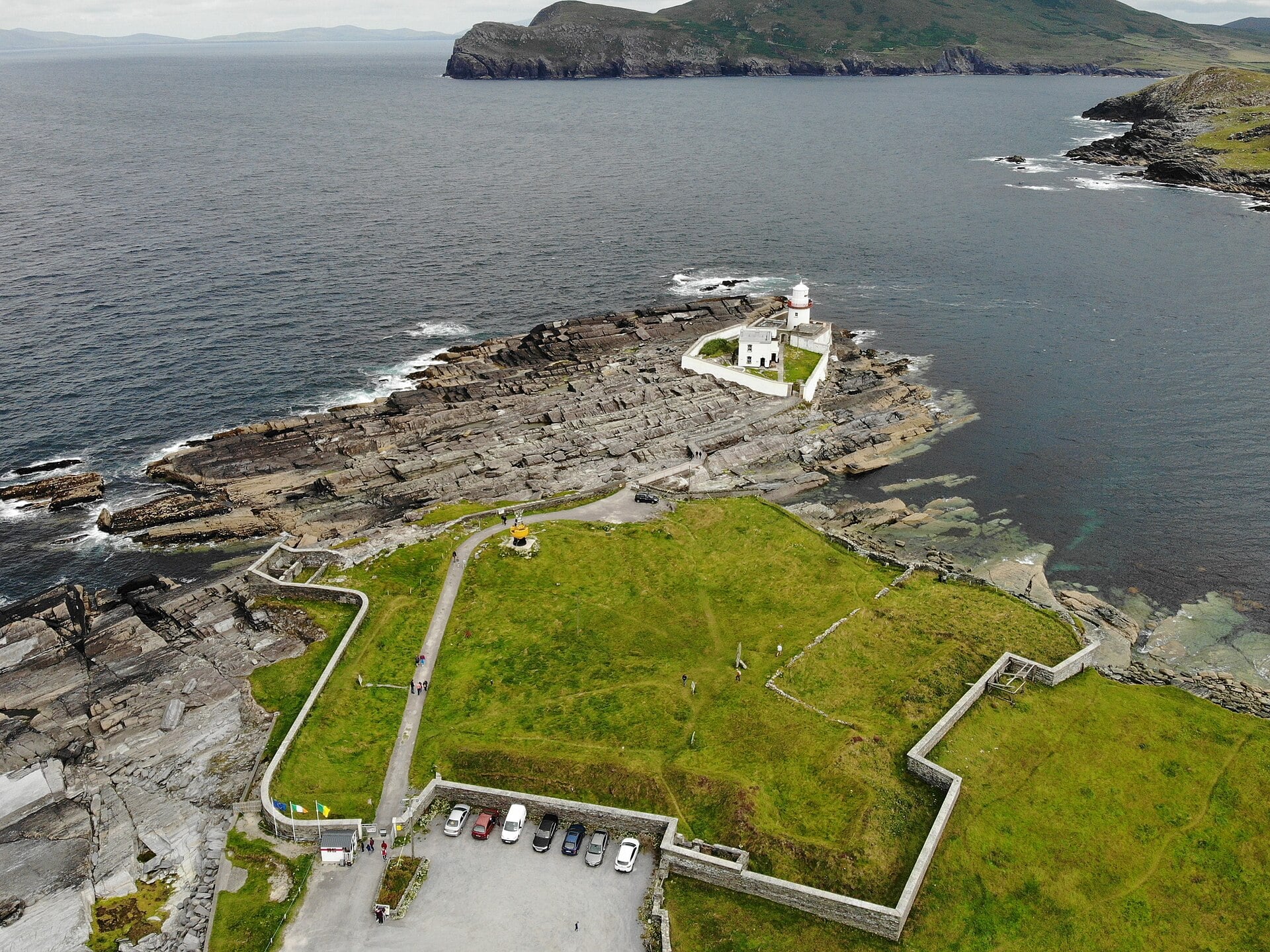
Never miss an episode. Bob’s next long-form episode drops every Monday on our YouTube channel. Subscribe to the free Love Ireland newsletter and we’ll let you know the moment a new one is live: https://loveireland.substack.com/subscribe
☘️ Join 64,000+ Ireland Lovers
Every weekday morning, get Ireland’s hidden gems, local secrets, and travel inspiration — the kind you won’t find in any guidebook.
Subscribe free — enter your email:
📲 Know someone who’d love this? Share on WhatsApp →
Love more? Join 43,000 Scotland lovers → · Join 29,000 Italy lovers → · Join 7,000 France lovers →
Free forever · Unsubscribe anytime
Tours & experiences you might love


Powered by Viator. Some links are affiliate links — we may earn a small commission at no extra cost to you.
Secure Your Dream Irish Experience Before It’s Gone!
Planning a trip to Ireland? Don’t let sold-out tours or packed attractions spoil your journey. Iconic experiences like visiting the Cliffs of Moher, exploring the Rock of Cashel, or enjoying a guided walk through Ireland’s ancient past often sell out quickly—especially during peak travel seasons.

Booking in advance guarantees your place and ensures you can fully immerse yourself in the rich culture and breathtaking scenery without stress or disappointment. You’ll also free up time to explore Ireland’s hidden gems and savour those authentic moments that make your trip truly special.
Make the most of your journey—start planning today and secure those must-do experiences before they’re gone!