

Ireland has a way of getting under your skin. Perhaps you visited years ago and never quite shook it. Maybe you’ve been watching the green hills from afar and wondering: what if? Or perhaps you’re part of the Irish diaspora, and the idea of returning — or moving closer to where your family came from — has been growing quietly for years. The question of retiring in Ireland is one that thousands of people are actively asking right now, and the interest is very real.
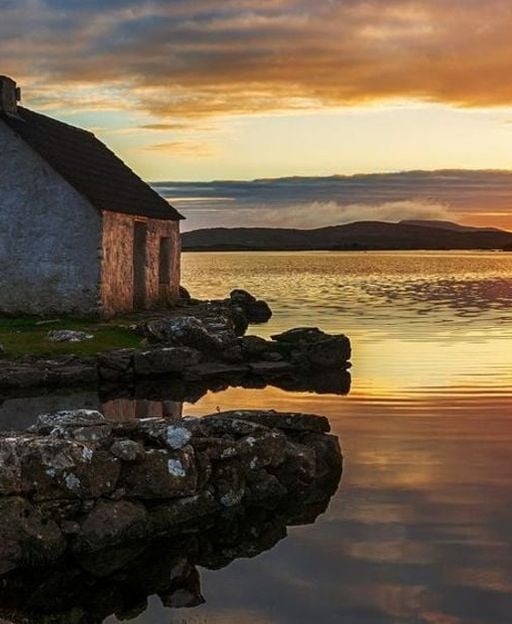
Why Ireland? The Pull That Never Goes Away
There’s a reason Ireland consistently tops lists of places people dream of retiring. It’s not just the scenery, though the scenery is extraordinary. It’s something harder to quantify — a pace of life, a warmth in communities, a sense that people still matter more than productivity.
Watch: Do You Qualify for an Irish Passport?
If one of your grandparents was born in Ireland, you may be able to become an Irish citizen. This 14-minute guide explains who qualifies, what it costs and how long it takes. Thinking of making the move? Get the free Moving to Ireland checklist.
Ireland is one of the few places in the world where strangers will stop to chat, where a local pub feels like an extension of the living room, and where the landscape manages to be both dramatic and intimate at the same time. For those who’ve spent decades in high-pressure careers in cities, that combination is extraordinarily appealing.
The Irish diaspora connection adds another layer entirely. For many Americans, Canadians, Australians, and Britons, retiring in Ireland isn’t just a lifestyle choice — it’s a homecoming of sorts, a return to a place that feels like it belongs to them even if they’ve never lived there.
The Practical Reality: Visas and Residency for Retiring in Ireland
For non-EU citizens, the first thing to understand is that retiring in Ireland requires some advance planning on the visa front.
EU and British Citizens
If you’re a citizen of an EU country, you have the right to live in Ireland freely — no visa required. British citizens also retain the right to live in Ireland under the Common Travel Area agreement, which predates EU membership and remains fully in force. If you’re from the UK, Ireland is one of the most accessible retirement destinations in the world for you.
Non-EU Citizens: USA, Canada, Australia and Beyond
For everyone else, the main route is Ireland’s Stamp 0 — a permission granted to people of independent means who wish to retire in Ireland without taking up employment. To qualify, you generally need to demonstrate:
- An income of at least €50,000 per year per person (from pensions, investments, or other passive income)
- Adequate private health insurance
- No intention to work or claim state benefits
The Stamp 0 must be renewed annually, but many retirees spend several years on it before applying for long-term residency or, for those with Irish heritage, pursuing Irish citizenship through naturalisation or descent. See our full breakdown of how the Stamp 0 system works for the complete application process.
The Irish Ancestry Route
Ireland’s citizenship by descent rules are remarkable. If one of your grandparents was born on the island of Ireland, you may be eligible to register as an Irish citizen through the Foreign Births Register. This opens up full EU citizenship — an enormous advantage for those with Irish roots. The process currently takes around 9 to 12 months, so if this applies to you, start it well ahead of any move. For a full walkthrough, see our guide to Irish citizenship for Americans.
Cost of Living: Honest Numbers
Ireland is not a cheap country. Dublin in particular is one of the more expensive cities in Europe. However, the picture looks quite different once you move outside the capital.
In rural counties — Leitrim, Roscommon, Tipperary, parts of Donegal — housing costs are significantly lower. A comfortable three-bedroom home in a market town can still be found for €150,000–€250,000, and day-to-day living is far more manageable than in any major city.
A couple retiring in Ireland can live comfortably outside Dublin on €35,000–€45,000 per year, covering rent or mortgage payments, utilities, food and dining, transport, health insurance, and leisure activities. For those with a pension in dollars or sterling, the exchange rate has historically been favourable, though it fluctuates year to year.
Healthcare: What Retirees Need to Know
Ireland has a public healthcare system (the HSE), but access for new residents isn’t immediate. Private health insurance is essential for anyone retiring in Ireland from outside the EU, and it’s typically required as part of the Stamp 0 application.
The good news: Ireland has excellent private healthcare, and the cost of private health insurance is not prohibitive — particularly compared to countries like the United States. Companies including VHI, Laya Healthcare, and Irish Life Health all offer comprehensive cover for people moving to Ireland. Once you’ve been ordinarily resident for a year, you may become eligible for HSE services at reduced cost. Read more in our complete guide to healthcare in Ireland for American expats and retirees.
Where to Retire in Ireland: Finding Your Place
This is perhaps the most personal decision of all. Ireland is a small country — roughly the size of Indiana — but it contains remarkable variety in landscape, character, and pace of life.
The West: Wild Atlantic Drama
Counties Galway, Clare, Mayo, and Donegal offer wild Atlantic coastlines, dramatic landscapes, and communities with a strong sense of Irish culture and language. Connemara in particular has a quiet, almost timeless quality that draws people back again and again. These areas are less expensive than the east and offer a genuinely slower pace of life.
The South: Beauty and Mild Weather
Counties Cork and Kerry combine beautiful scenery with slightly milder weather and a vibrant food culture. Cork city is Ireland’s second city, with excellent amenities while retaining a manageable scale. West Cork in particular has long been popular with international settlers drawn by its landscapes and community warmth.
The East: Countryside Close to Dublin
If you want to be closer to Dublin — for its international airport, hospitals, and cultural life — counties Wicklow, Kilkenny, and Kildare offer beautiful countryside within easy reach of the capital. These areas are more expensive than the west but offer excellent connectivity for travel back home.
The Community Question: Will You Be Welcomed?
One of the most common concerns among people thinking about retiring in Ireland is whether they’ll be genuinely welcomed — or whether they’ll always feel like outsiders in a tight-knit community.
The honest answer is that Ireland is one of the most welcoming countries in the world for newcomers. The Irish have been emigrating for generations and understand, better than most, what it means to build a life somewhere new. Local music sessions, drama groups, walking clubs, community events, and farmers’ markets all create natural points of connection for anyone willing to show up.
One consistent piece of advice from those who’ve made the move: get involved early. Join the local choir, volunteer at the community garden, go to the trad session on a Tuesday night. Ireland rewards those who show up — and punishes no one for trying.
Visit Before You Commit
Before making any permanent move, spend time in Ireland at different times of year. The summers are glorious — long evenings, green landscapes, festivals, and fairs. But November in the west of Ireland is a different experience entirely, and it’s worth knowing how you feel about the grey, wet months before you commit to a life there.
Many people spend a year renting in different parts of the country before buying a property. This is wise. Ireland’s regions are distinct in character, and the place that captured your heart on a summer holiday can feel quite different in January. Give yourself time to find the right fit.
Retiring in Ireland: Is It Right for You?
For those who make the move, retiring in Ireland is often described as one of the best decisions of their lives. The quality of life, the sense of community, the landscape, and the culture combine into something genuinely rare. But it takes planning, patience with bureaucracy, and honest thinking about finances and healthcare.
If Ireland has been calling you — and for many people, it does call — it may be worth listening.
To start mapping out a visit or a longer stay, our Ireland travel planning hub is the best place to begin. And whether you’re dreaming about the west coast or the rolling midlands, you’ll find no shortage of inspiration as you explore everything this extraordinary island has to offer.
☘️ Join 64,000+ Ireland Lovers
Every Friday, get Ireland’s hidden gems, local secrets, and travel inspiration — the kind you won’t find in any guidebook.
Thinking about it seriously?
If you’ve started actually planning a move, our complete the full Move to Ireland guide walks through every step, every cost, and the paperwork that catches most people out.
Free forever · One email per week · Unsubscribe anytime
Tours & experiences you might love


Powered by Viator. Some links are affiliate links — we may earn a small commission at no extra cost to you.
Secure Your Dream Irish Experience Before It’s Gone!
Planning a trip to Ireland? Don’t let sold-out tours or packed attractions spoil your journey. Iconic experiences like visiting the Cliffs of Moher, exploring the Rock of Cashel, or enjoying a guided walk through Ireland’s ancient past often sell out quickly—especially during peak travel seasons.

Booking in advance guarantees your place and ensures you can fully immerse yourself in the rich culture and breathtaking scenery without stress or disappointment. You’ll also free up time to explore Ireland’s hidden gems and savour those authentic moments that make your trip truly special.
Make the most of your journey—start planning today and secure those must-do experiences before they’re gone!