

Dulse Champ Recipe: The Ancient Seaweed Comfort Food of the Irish Coast
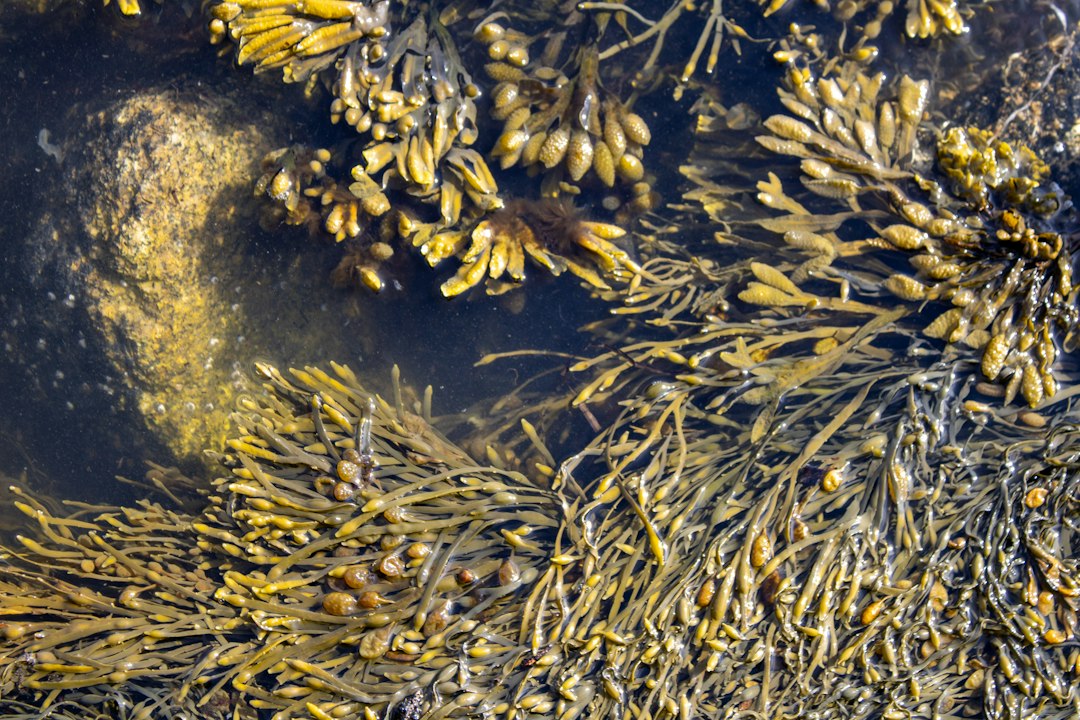
Long before superfoods became a marketing buzzword, the people of Ireland’s Atlantic coastline were harvesting dulse — a deep reddish-purple seaweed — from the rocks at low tide and eating it as casually as the rest of us might reach for a bag of crisps. Sold in paper bags at seaside stalls from Ballycastle in County Antrim to the shores of Connemara, dulse has been part of the Irish snacking tradition for well over a thousand years. Monks recorded it, fishermen chewed it dried on long voyages, and children grew up with the pleasantly salty, chewy strips as a perfectly ordinary treat. It is one of those foods that feels entirely of its place — briny, mineral-rich, and unmistakably Irish.
Dulse (known in Irish as duileasc) was far more than a seaside novelty, though. In lean times it was a vital source of nutrition, rich in iron, iodine, and protein, and it stretched a pot of potatoes considerably further. The most natural and beloved way to use dulse beyond eating it raw and dried is to fold it into champ — Ireland’s great mashed potato dish. Champ is already a thing of beauty, made with spring onions and butter in quantities that would make a nutritionist wince and a sensible person deeply happy. Adding dried dulse transforms it into something with real coastal depth, a savoury umami note that lifts the whole dish without announcing itself loudly. This is the kind of recipe that has been made in coastal Irish kitchens for generations, quietly and without fuss.
Today dulse is enjoying a well-deserved renaissance, appearing in artisan food shops and farmers’ markets across Ireland, though the best place to encounter it remains a weathered seaside stall with hand-written signs. If you can find good dried dulse — ideally from a trusted Irish producer — this recipe will reward you with one of the most comforting, honest plates of food you will ever make. It asks very little of you and gives back enormously.
Ingredients
- 900g (2 lb) floury potatoes, such as Rooster or Kerr’s Pink, peeled and quartered
- 20g (¾ oz) dried dulse, roughly torn into small pieces
- 150ml (5 fl oz) whole milk
- 6 spring onions (scallions), finely sliced, including the green tops
- 75g (2¾ oz) unsalted butter, plus an extra knob to serve
- Salt and white pepper, to season
Method
- Place the dried dulse in a small bowl and cover with cold water. Leave to soak for 10–15 minutes until it softens and rehydrates, then drain well and pat dry with kitchen paper. Chop it finely — you want small pieces that will distribute evenly through the mash rather than stringy clumps.
- Put the prepared potatoes into a large saucepan of cold, well-salted water. Bring to the boil over a medium-high heat, then reduce to a steady simmer and cook for 20–25 minutes, or until completely tender when pierced with a knife. Drain thoroughly and return the potatoes to the hot pan. Let them sit over a very low heat for 2–3 minutes, shaking the pan occasionally, to drive off any excess moisture.
- While the potatoes cook, gently warm the milk in a small saucepan over a low heat. Add the sliced spring onions and the chopped, rehydrated dulse. Allow everything to steep together on the lowest possible heat for 8–10 minutes — you are not boiling this, simply infusing the milk with the flavour of both the onions and the seaweed. Remove from the heat.
- Mash the drained potatoes thoroughly until completely smooth — a potato ricer gives the finest result if you have one, but a good old-fashioned masher works perfectly well. Season with salt and white pepper.
- Add the butter to the hot potatoes and beat it in well. Then pour in the warm infused milk, spring onions, and dulse, and beat everything together until you have a soft, creamy, pale-green flecked mash with a pleasant mineral aroma. Taste and adjust the seasoning.
- Serve immediately in warmed bowls, making a small well in the centre of each portion and dropping in an extra knob of butter to melt slowly into the champ. Eat at once — champ waits for no one.
Tips
- Floury potato varieties are essential here — waxy potatoes will give you a gluey, dense result rather than the light, fluffy texture that makes champ so good.
- Don’t discard the dulse soaking water — it makes a surprisingly good, lightly savoury stock base for seafood soups.
- Dried dulse can be quite salty on its own, so season your champ carefully at the end rather than heavily at the start.
- If you can only find dulse flakes rather than whole dried dulse, simply add them directly to the warm milk without soaking — they will rehydrate perfectly during the infusing stage.
- Champ is traditionally eaten as a main course in itself, not a side dish. Trust the tradition.
There is something quietly moving about a dish this simple carrying this much history — a bowl of potatoes and seaweed that connects you directly to the fishermen, the farmers, and the families who ate along these same wild shores for centuries. Dulse champ asks nothing elaborate of your kitchen and demands no special skill, only a little patience and good ingredients. It tastes, more than almost anything else you can cook, of Ireland itself: earthy, salty, generous, and entirely without pretension.
Love Ireland? Get weekly stories free ☘️
Join 64,000 people staying connected to Ireland — heritage, travel, and culture, every weekday. Free to subscribe.
Join Free →☘️ Join 64,000+ Ireland Lovers
Every weekday morning, get Ireland’s hidden gems, local secrets, and travel inspiration — the kind you won’t find in any guidebook.
Subscribe free — enter your email:
Already subscribed? Download your free Ireland guide (PDF)
📲 Know someone who’d love this? Share on WhatsApp →
Love more? Join 43,000 Scotland lovers → · Join 29,000 Italy lovers → · Join 7,000 France lovers →
Free forever · Unsubscribe anytime
Tours & experiences you might love


Powered by Viator. Some links are affiliate links — we may earn a small commission at no extra cost to you.
Secure Your Dream Irish Experience Before It’s Gone!
Planning a trip to Ireland? Don’t let sold-out tours or packed attractions spoil your journey. Iconic experiences like visiting the Cliffs of Moher, exploring the Rock of Cashel, or enjoying a guided walk through Ireland’s ancient past often sell out quickly—especially during peak travel seasons.

Booking in advance guarantees your place and ensures you can fully immerse yourself in the rich culture and breathtaking scenery without stress or disappointment. You’ll also free up time to explore Ireland’s hidden gems and savour those authentic moments that make your trip truly special.
Make the most of your journey—start planning today and secure those must-do experiences before they’re gone!