

Ireland has a reputation for celebration. Ask anyone who has spent time here and they will tell you the country runs on community, music, and the kind of gathering that turns strangers into friends. Cultural festivals are not a tourist add-on in Ireland. They are woven into the calendar, into the identity of individual towns, and into the way people mark the seasons.
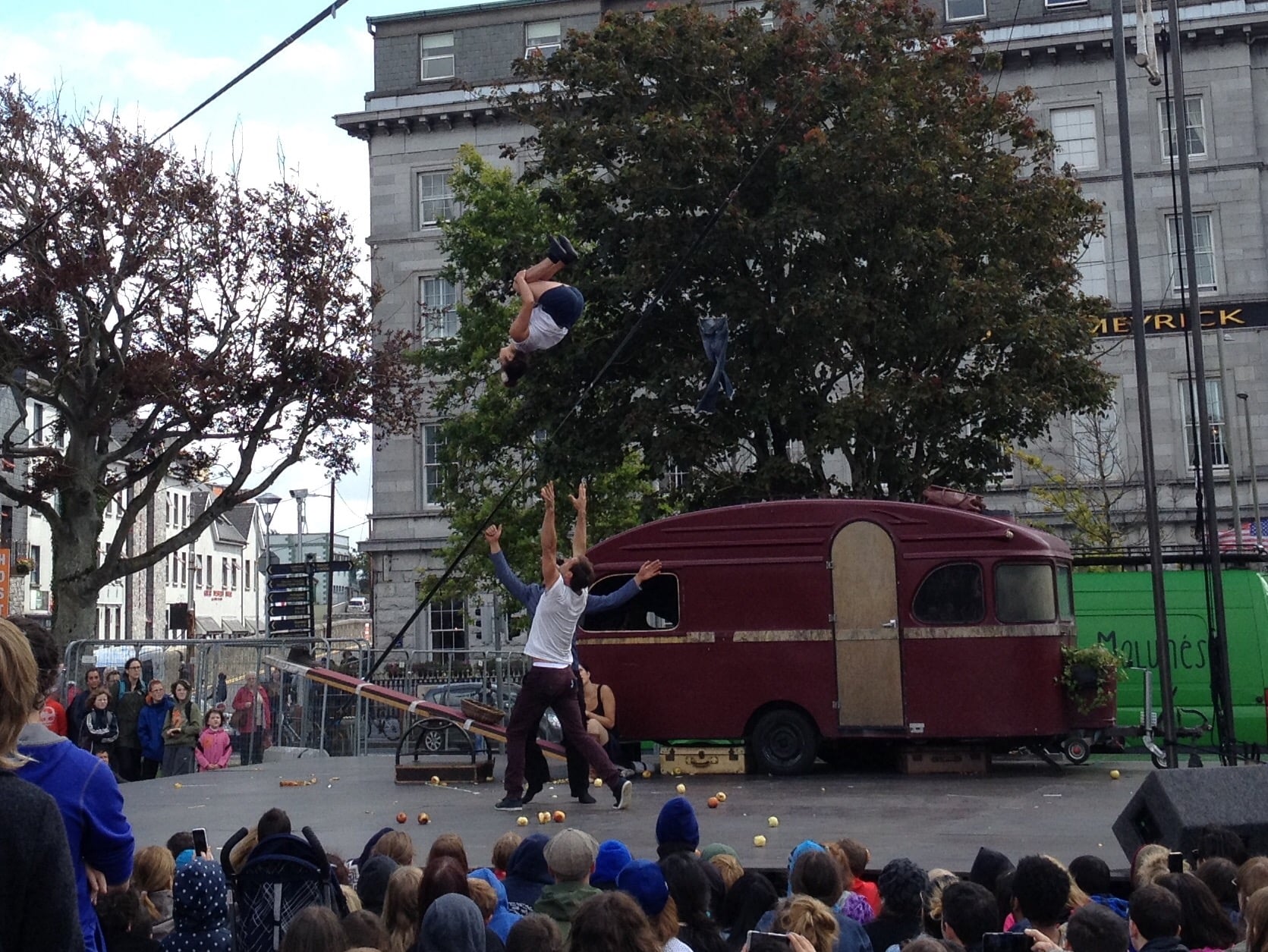
If you have ever wondered which Irish cultural festival deserves a spot on your travel plans, this guide will help you decide. Ireland runs more than a dozen significant cultural events each year, ranging from a week-long traditional music competition drawing half a million people to an intimate opera festival in a medieval town that has been running since 1951.
What Makes an Irish Festival Different
The festivals in Ireland tend to grow from local roots. Many of them started as small community gatherings and grew over decades into events that draw tens of thousands of visitors. They are not produced from scratch by event companies. Most are run by people who live in the town, have attended since childhood, and feel a genuine stake in what happens on stage or in the pub session next door.
That local connection shows. Whether you are at a trad session in Ennis or watching an opera in Wexford, the feeling is that you are stepping into something that exists whether you are there or not. Festivals in Ireland rarely feel like performances put on for tourists.
Galway International Arts Festival
Held every July, the Galway International Arts Festival is one of the largest arts events in Ireland. It runs for two weeks and covers theatre, visual art, outdoor performances, and music across venues throughout the city.
The festival began in 1978 and has grown steadily since. It attracts major international companies alongside Irish talent. The outdoor stages in Galway city centre are free to attend, which makes the festival accessible even on a tight budget. Ticketed events range from theatre productions to large-scale concerts. In recent years, the Macnas parade — a large-scale outdoor spectacle created by a Galway arts company — has become one of the most-photographed moments of the Irish summer.
Galway itself is a good base. The city is walkable, the food scene is strong, and accommodation fills up quickly during festival weeks. Book at least three months ahead if you plan to attend.
Fleadh Cheoil na hÉireann
Fleadh Cheoil is the All-Ireland traditional music festival. It moves to a different town each year and draws somewhere between 400,000 and 500,000 visitors over the week it runs. That makes it one of the biggest music festivals in Europe by attendance.
The programme covers competitions, concerts, and pub sessions. The competitions are the main event for musicians — players compete in categories from fiddle and uilleann pipes to singing and dancing, working through county and provincial rounds before the national final in August.
For visitors, the appeal is the informal side. Sessions run in pubs from morning until late into the night, and many of the best traditional musicians in Ireland are in town for the week. You do not need a ticket for the pub sessions. You show up, find a seat if you can, and listen. It is worth checking which town is hosting in any given year, as the experience varies significantly depending on the venue — see our guide to the 2026 Fleadh in Belfast for what to expect this year.
Wexford Opera Festival
Wexford Opera Festival runs in October and November and focuses on rarely performed operas. That is its defining character. While major opera houses programme well-known works, Wexford makes a point of choosing pieces that have not been staged in decades, or in some cases ever.
The festival has been running since 1951 and takes place at the National Opera House in Wexford town. Productions are performed in the original language with English surtitles. Three full opera productions are staged each year alongside a programme of recitals, talks, and free outdoor events.
Wexford town is small, and the festival transforms it completely. Restaurants are booked out, there are free performances during the day, and the social atmosphere is unlike anything else in Ireland. If you have any interest in classical music or want to attend opera for the first time, Wexford is one of the friendlier settings in which to do it. (See our guide to Wexford for what else to fill the rest of your trip with.)
Kilkenny Arts Festival
Kilkenny Arts Festival takes place in August and runs for approximately ten days. It covers music, theatre, literature, and visual art, with events spread across venues in Kilkenny city.
The festival uses Kilkenny Castle, the Black Abbey, St Canice’s Cathedral, and the city’s medieval streets as performance spaces. That setting makes even straightforward events feel memorable. A classical concert in a 13th-century cathedral is a different experience from the same concert in a purpose-built hall.
Kilkenny is well connected by road and rail from Dublin, Cork, and Waterford. It has a strong restaurant and craft brewery scene and is a manageable size for a two or three day visit.
Bram Stoker Festival, Dublin
October in Dublin brings the Bram Stoker Festival. It runs over the Halloween weekend and takes its name from the Dublin-born author of Dracula. The programme covers horror film screenings, literary events, walking tours, and outdoor performances across the city centre.
Most events are free to attend, with some ticketed evening shows. Events are staged across the city centre — Dublin Castle, St Stephen’s Green, Smock Alley Theatre, and Glasnevin Cemetery among them — while Bram Stoker himself was born in 1847 at Marino Crescent in Clontarf, on Dublin’s northside. Dublin in late October has short days and a particular atmosphere that suits the theme. The festival has grown substantially since its launch in 2011 and now draws visitors from across Europe.
Lisdoonvarna Matchmaking Festival
Held every September in the Clare village of Lisdoonvarna, the Matchmaking Festival is something you will not find replicated anywhere else in the world. It has been running for over 150 years, originally as a social event for farming families who came to the spa town after the harvest season ended.
Today it runs for the whole of September and involves live music, dancing, and the presence of a professional matchmaker. It is not primarily a tourist performance — people come specifically to meet others, and many return year after year. The festival attracts visitors from the Irish diaspora in America, Britain, and Australia.
Lisdoonvarna is a small village close to the Burren and within easy reach of the Cliffs of Moher and the Aran Islands ferry at Doolin. If you are planning a visit to that part of Clare, September is worth targeting — read our full guide to the Matchmaking Festival for how it actually works today.
Practical Tips for Festival Planning
Most Irish festivals have dedicated websites with ticketing, accommodation listings, and transport information. Booking accommodation three to four months in advance is sensible for the larger events. Galway in July and wherever Fleadh Cheoil is held sell out quickly, often within weeks of accommodation opening.
Transport connections vary by location. Dublin, Galway, Kilkenny, and Wexford are all reachable by Bus Éireann or Irish Rail from major cities. Lisdoonvarna requires either a hire car or the Bus Éireann Expressway service from Galway or Limerick. For festivals in smaller towns, hiring a car gives you flexibility and opens up the surrounding area.
Ireland’s festival calendar runs year-round, with something worth attending in every month. There is no single right answer to which festival deserves your time — it depends on what you enjoy and when you can travel. But the country’s track record speaks for itself. Irish festivals, whether they draw 500 people or 500,000, tend to deliver.
☘️ Join 64,000+ Ireland Lovers
Every weekday morning, get Ireland’s hidden gems, local secrets, and travel inspiration — the kind you won’t find in any guidebook.
Subscribe free — enter your email:
📲 Know someone who’d love this? Share on WhatsApp →
Love more? Join 43,000 Scotland lovers → · Join 29,000 Italy lovers → · Join 7,000 France lovers →
Free forever · Unsubscribe anytime
Tours & experiences you might love


Powered by Viator. Some links are affiliate links — we may earn a small commission at no extra cost to you.
Secure Your Dream Irish Experience Before It’s Gone!
Planning a trip to Ireland? Don’t let sold-out tours or packed attractions spoil your journey. Iconic experiences like visiting the Cliffs of Moher, exploring the Rock of Cashel, or enjoying a guided walk through Ireland’s ancient past often sell out quickly—especially during peak travel seasons.

Booking in advance guarantees your place and ensures you can fully immerse yourself in the rich culture and breathtaking scenery without stress or disappointment. You’ll also free up time to explore Ireland’s hidden gems and savour those authentic moments that make your trip truly special.
Make the most of your journey—start planning today and secure those must-do experiences before they’re gone!