

County Wexford sits in the sunny south-east corner of Ireland, and it earns the nickname “the sunny south-east” every summer. This is where Ireland’s Viking past meets its Celtic roots, where world-famous film scenes were shot on quiet beaches, and where you’ll find the oldest working lighthouse on the planet. If you’re planning a trip to Ireland and you haven’t put Wexford on your list, you’re missing one of the country’s most rewarding counties. Here’s everything you need to know about the best things to do in Wexford, Ireland.
Why Wexford Belongs on Your Ireland Itinerary
Wexford is not the most famous county in Ireland. Cork, Kerry, and Galway often steal the spotlight. But that works in Wexford’s favour. The roads are quieter. The queues are shorter. The locals have more time to talk to you.
The county packs in a remarkable range of things to see. You get Viking heritage, medieval castles, wild coastline, and American presidential ancestry. Wexford also has Ireland’s best strawberries, sold at roadside stalls in summer — a small detail that locals will tell you matters enormously.
It’s close to Dublin, too. The drive takes around 1 hour 45 minutes. That makes Wexford ideal for a two-night break or a longer road trip down the east coast.
Hook Lighthouse: The World’s Oldest Working Lighthouse
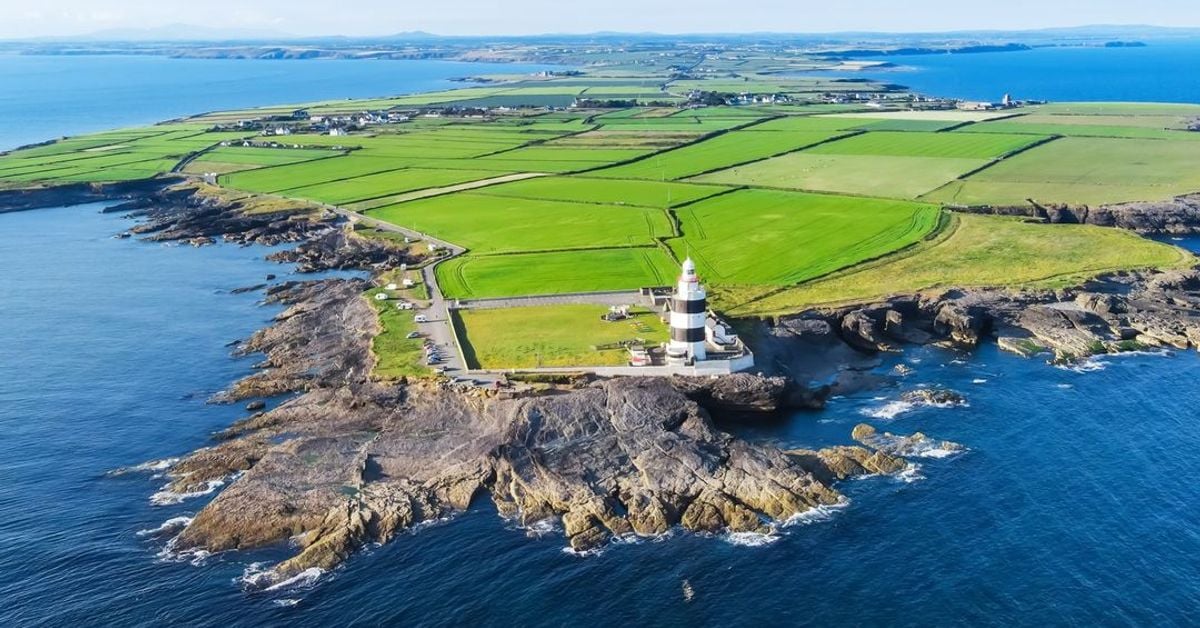
Hook Lighthouse is the one sight no visitor should miss in Wexford. It stands at the tip of the Hook Peninsula, a black-and-white striped tower that has guided ships for over 800 years. Monks first lit a fire on this headland to warn sailors of the rocks below. The Norman lord William Marshal built the stone tower in the early 13th century. It has never stopped operating since. Official info: en.wikipedia.org/wiki/Hook_Lighthouse.
Visiting Hook Lighthouse
You can climb to the top and get sweeping views across Waterford Harbour and the Celtic Sea. Guided tours run daily and take you through the lighthouse’s history from monastic times to the present. The guides are knowledgeable and entertaining — budget about 45 minutes for the full tour.
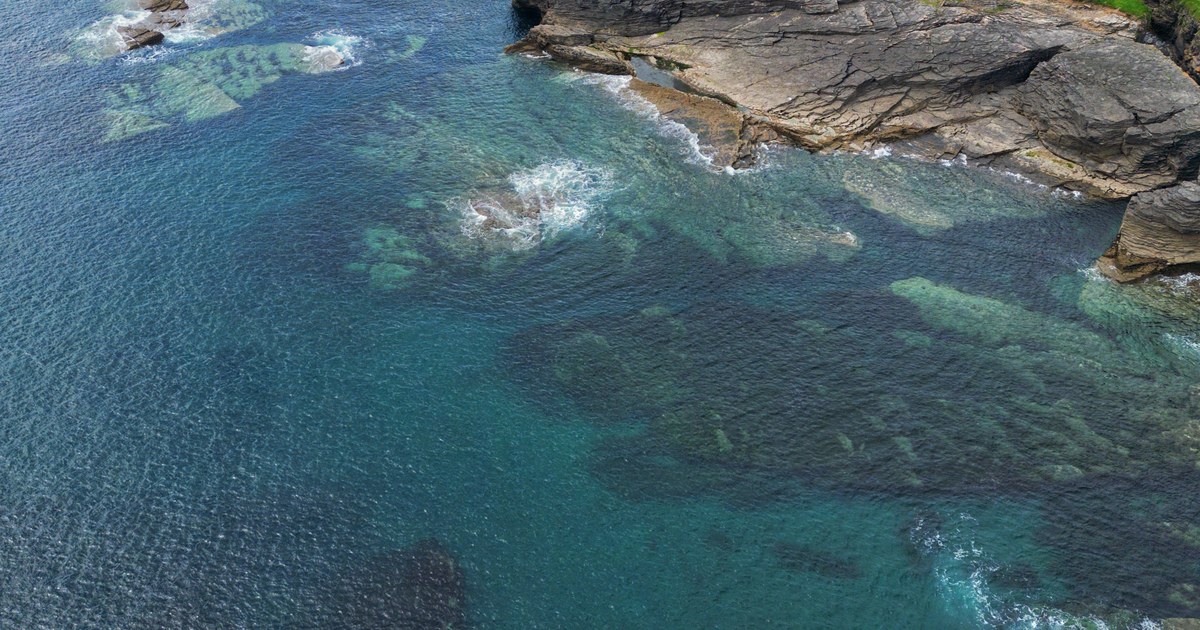
The coastline around the lighthouse is dramatic. Rocky shelves jut into the sea, and on calm days the water turns a vivid turquoise. Bring walking shoes and allow extra time to explore the headland paths. The phrase “by Hook or by Crooke” — meaning by any means necessary — reportedly comes from Cromwell’s plan to attack Waterford via Hook Head or via the village of Crooke across the harbour. Whether the story is true or apocryphal, the locals will tell it to you with conviction. Plan your visit: Hook Lighthouse on Discover Ireland.
Wexford Town and the Viking Triangle
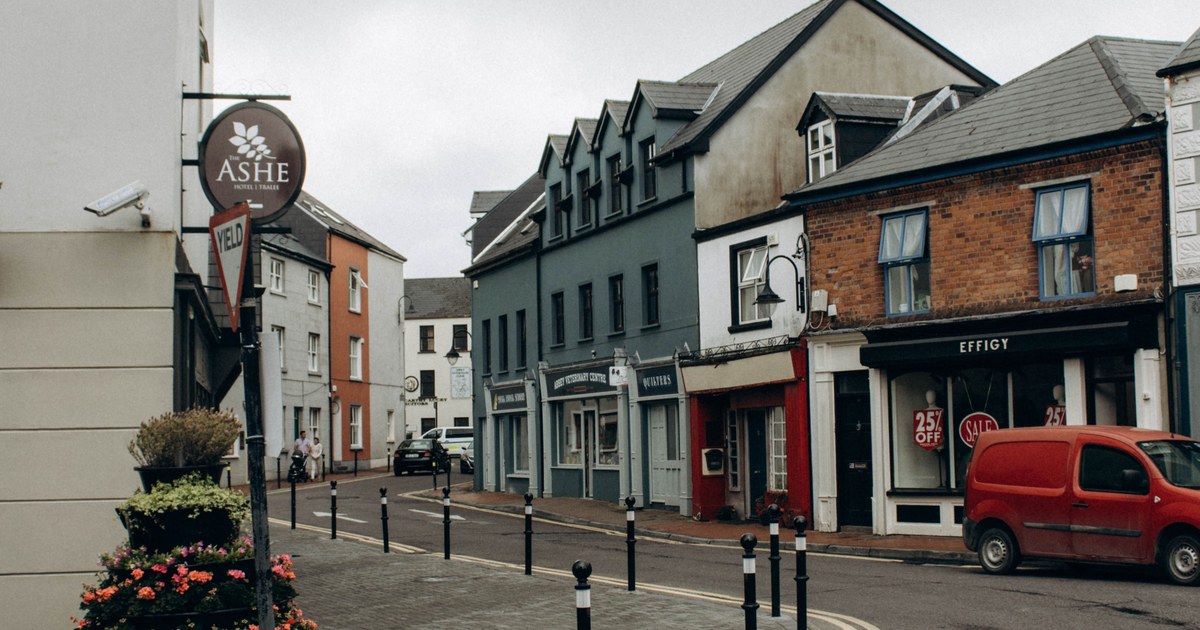
Wexford Town is small, walkable, and full of history. The Vikings founded it over a thousand years ago. They named it Waesfjord — the harbour of the mud flats. The town’s main street follows the original Viking thoroughfare almost exactly. Plan your visit: Wexford Town on Visit Wexford.
What to See in Wexford Town
The Westgate Heritage Tower is the only surviving gateway of the medieval town walls. Step inside and you’ll find displays on the town’s Norman and Viking past. Admission is inexpensive and the views from the top repay the short climb.
The Selskar Abbey ruins sit nearby. Local tradition holds that this is where Henry II of England spent Lent in 1172, doing penance for ordering the murder of Thomas Becket — a story historians have never been able to confirm, though records do place Henry in Ireland around that time. You can walk into the ruins at any time. There’s something quietly powerful about standing in a place that has absorbed that much history.
Wexford’s quayside is pleasant for an evening walk. The town also punches above its weight for live music, especially in the older pubs along the main street.
Curracloe Beach: Where Hollywood Came to Ireland
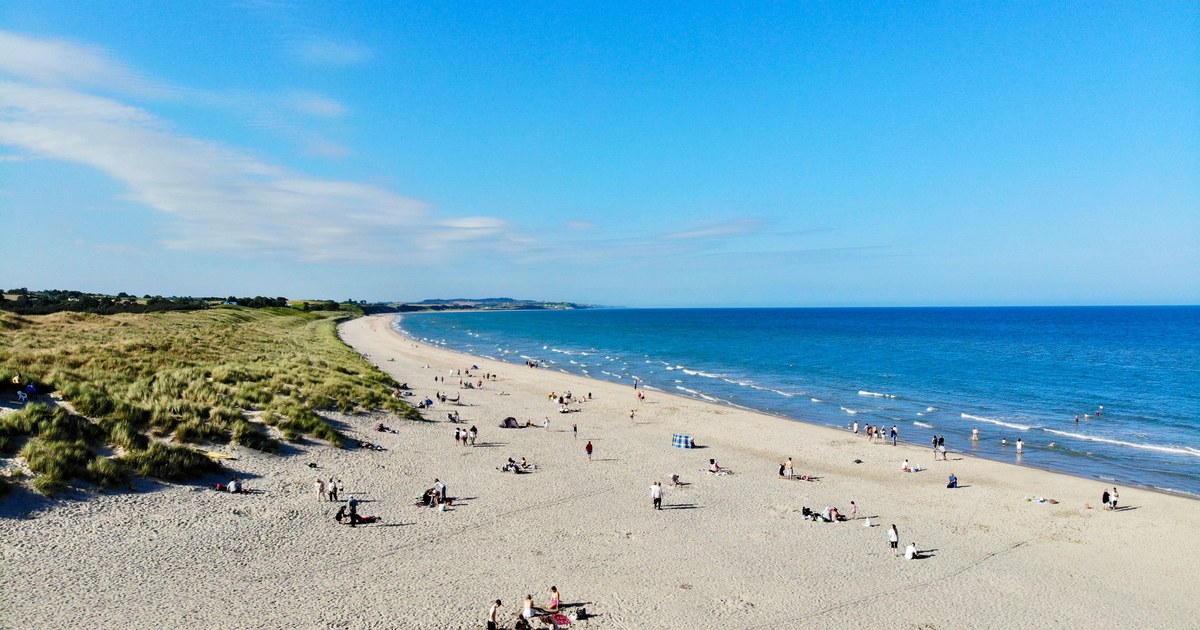
Curracloe Beach is one of the longest stretches of sand in Ireland — over 11 kilometres of golden shore backed by dunes. Steven Spielberg chose it as the location for the Omaha Beach landing scenes in Saving Private Ryan. The low dunes, the texture of the sand, and the quality of the light made Curracloe the perfect stand-in for the Normandy coast.
Today the beach looks peaceful and beautiful, with none of the film’s chaos. Families swim here in summer. Kite-surfers use the northern end in autumn. On a clear afternoon the views stretch south towards the Wicklow Mountains across the water.
Parking is easy and free outside peak summer weeks. There are no facilities on the beach itself, so bring what you need. The village of Curracloe has a small shop and a pub that serves food.
☘️ Enjoying this? 64,000+ Ireland lovers get stories like this every week.
Official info: en.wikipedia.org/wiki/Curracloe_Beach.
Thinking about it for retirement?
If you’ve started thinking seriously about retiring there, our complete our full Retire in Ireland guide covers the visa, healthcare, cost-of-living, and the regions worth shortlisting.
Subscribe free →
The Irish National Heritage Park
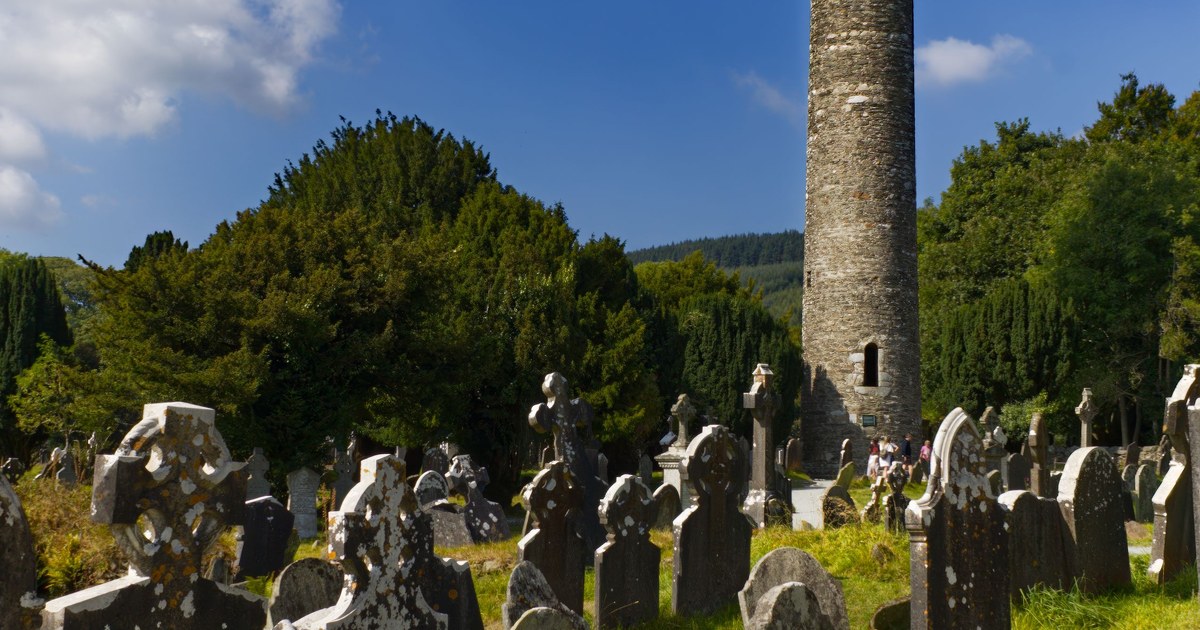
Just outside Wexford Town, the Irish National Heritage Park covers 35 acres of reconstructed settlements and monuments spanning 9,000 years of Irish history. The site includes a full-size Viking longboat, a Bronze Age lake dwelling built on stilts, an early Christian monastery, and a Norman motte-and-bailey fort. Plan your visit: Official site.
What to Expect at the Heritage Park
Costumed interpreters bring each era to life. They explain how people built, cooked, traded, and worshipped through the centuries. It’s genuinely educational without feeling like a school trip. Children love it. Adults who thought they knew Irish history often leave surprised.
Allow two to three hours for a full visit. The park has a café and a gift shop. It’s open year-round, though some outdoor exhibits close in bad weather.
Johnstown Castle and Gardens
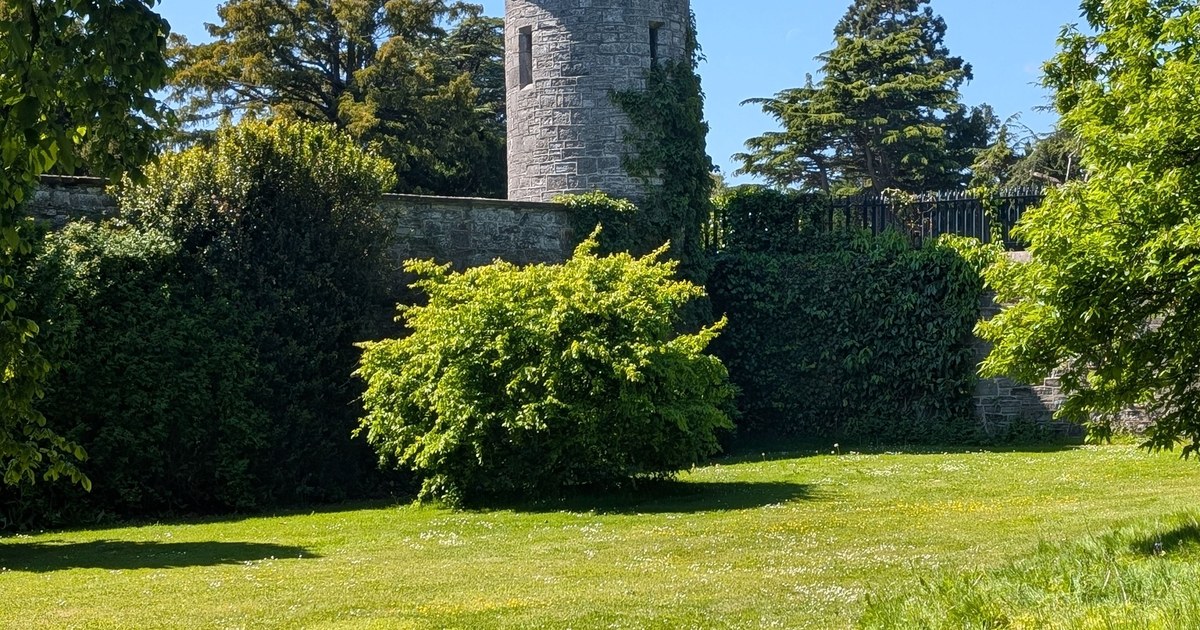
Johnstown Castle is a 19th-century Gothic Revival mansion surrounded by 50 acres of ornamental gardens. The castle itself is now home to an agricultural museum. The gardens are the main reason people visit, and they are worth it in any season.
Three ornamental lakes reflect the castle’s turrets. Peacocks wander the grounds freely. The walled garden is particularly beautiful in late spring. In autumn, the woodland trees around the lakes turn copper and gold.
The Irish Agricultural Museum inside the castle holds one of the best collections of rural life artefacts in the country. The famine exhibition is thoughtfully done and puts the 1840s crisis in the context of County Wexford specifically. Admission covers both the museum and the gardens. Plan your visit: Official site.
Kennedy Homestead: An American President’s Irish Roots
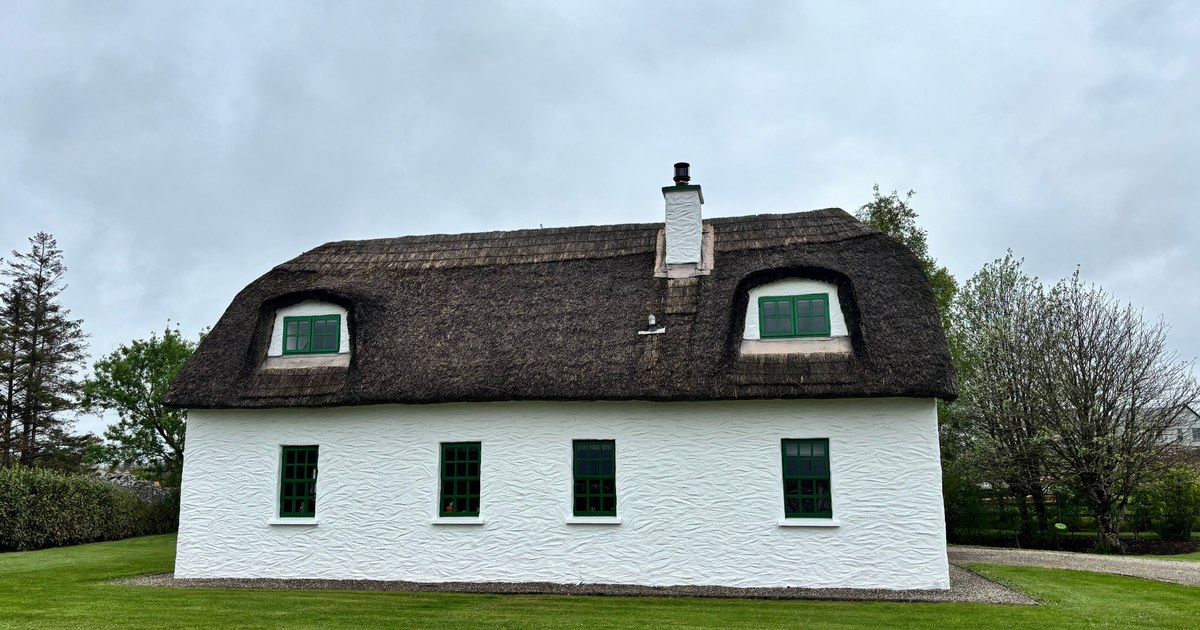
President John F. Kennedy’s great-grandfather, Patrick Kennedy, was born in Dunganstown, County Wexford. He left for Boston in 1849 during the Famine. The Kennedy Homestead now operates as a heritage centre on the site of the original farmhouse. Plan your visit: The Kennedy Homestead on Discover Ireland.
The Kennedy Connection
JFK visited Dunganstown in June 1963, just five months before his assassination. He stood in the farmyard and drank tea with his distant cousins. The visit is well documented, and the centre displays photographs and letters from the Kennedy family alongside exhibits on the Wexford emigrant experience.
For Irish-American visitors with Wexford roots, this is a deeply moving stop. Even for those without direct connections, the story of a presidential ancestor leaving this modest farm and ending up in the White House captures something essential about the Irish-American experience. For the full story of Irish-American presidential ancestry across Ireland — from Wexford to Antrim, Tipperary, and Offaly — see our guide to visiting the Irish roots of America’s presidents.
The Kennedy Arboretum nearby was planted in the 1960s as a memorial to JFK. It covers 252 hectares (623 acres) and contains 4,500 species of trees and shrubs from around the world. Entry is free.
The Saltee Islands: Ireland’s Puffin Paradise
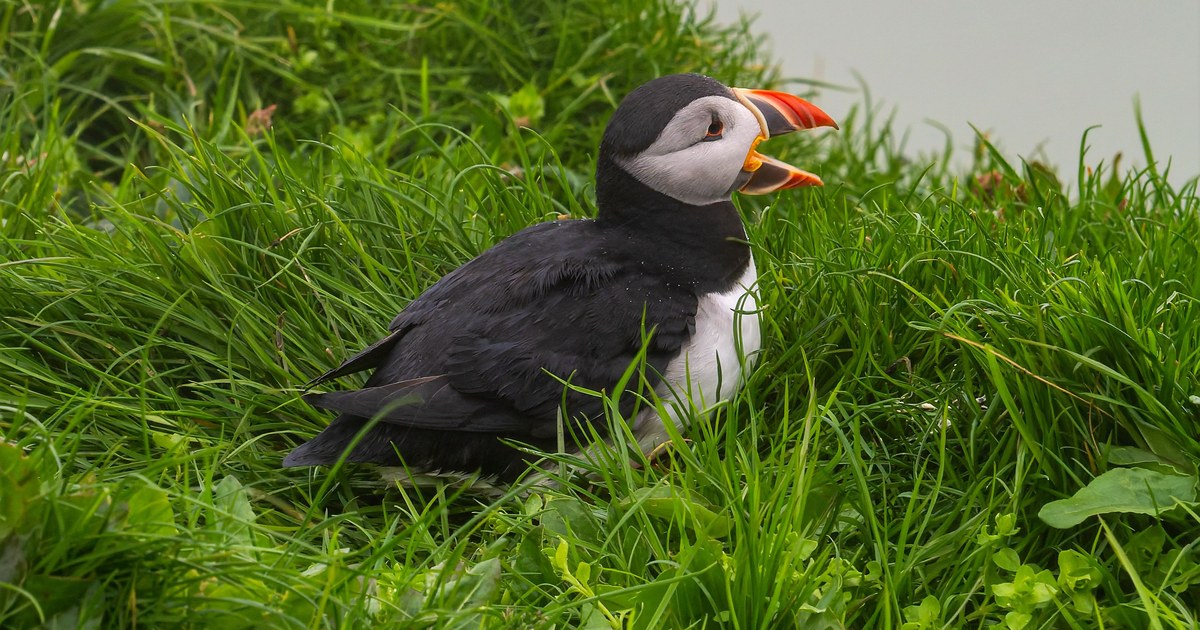
Two uninhabited islands sit about five kilometres off the coast near Kilmore Quay. The Saltee Islands hold one of Ireland’s largest seabird colonies. Puffins, gannets, razorbills, and guillemots nest here in their tens of thousands from April through August.
Local boatmen run trips from Kilmore Quay to Great Saltee. The crossing takes about 20 minutes. On the island, puffins nest in burrows just a few feet from the path — you can sit within arm’s reach of them. They appear entirely unbothered by human visitors. It’s one of the most extraordinary wildlife encounters available anywhere in Ireland.
Book the boat in advance, especially in June and July. Numbers are limited to protect the nesting birds. Trips are weather-dependent, so allow flexibility in your schedule. Plan your visit: Official site.
Enniscorthy Castle and the 1798 Rebellion
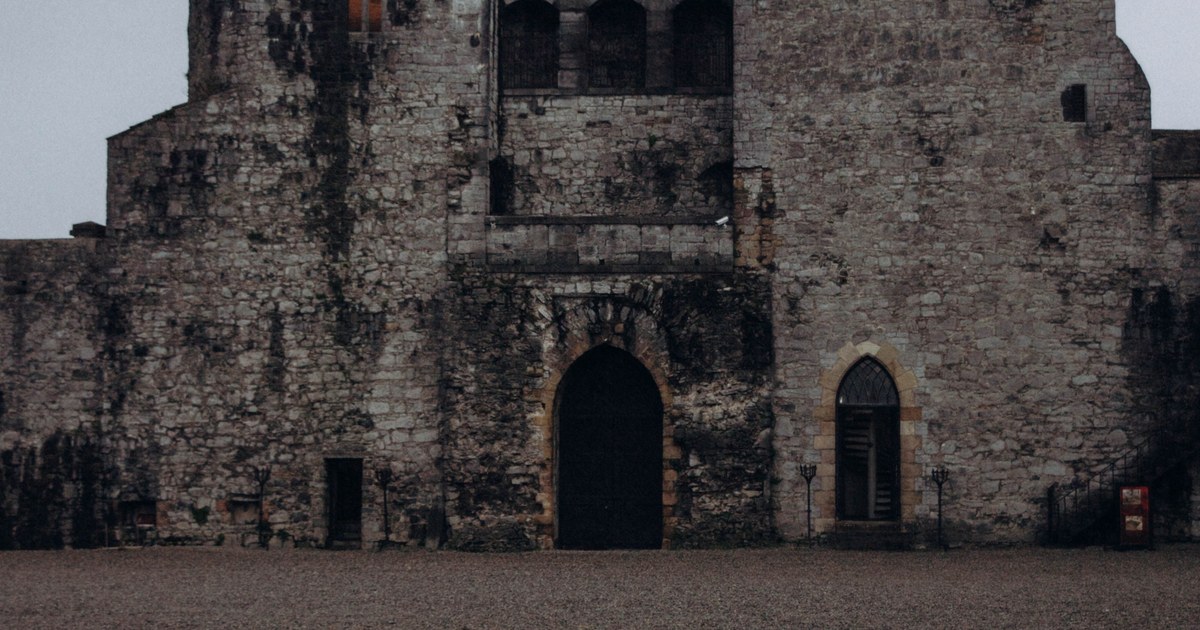
Enniscorthy is the county’s second town, sitting on the banks of the River Slaney. The Norman castle at its centre now houses the Wexford County Museum. The collection focuses on the 1798 Rebellion — the United Irishmen uprising that made Wexford its heartland.
Vinegar Hill, overlooking the town, was the rebels’ final stronghold before the British army defeated them. You can drive to the top or walk the short path from the car park. The panoramic views across Enniscorthy and the Slaney valley are excellent. Plan your visit: Official site.
The Dunbrody Famine Ship
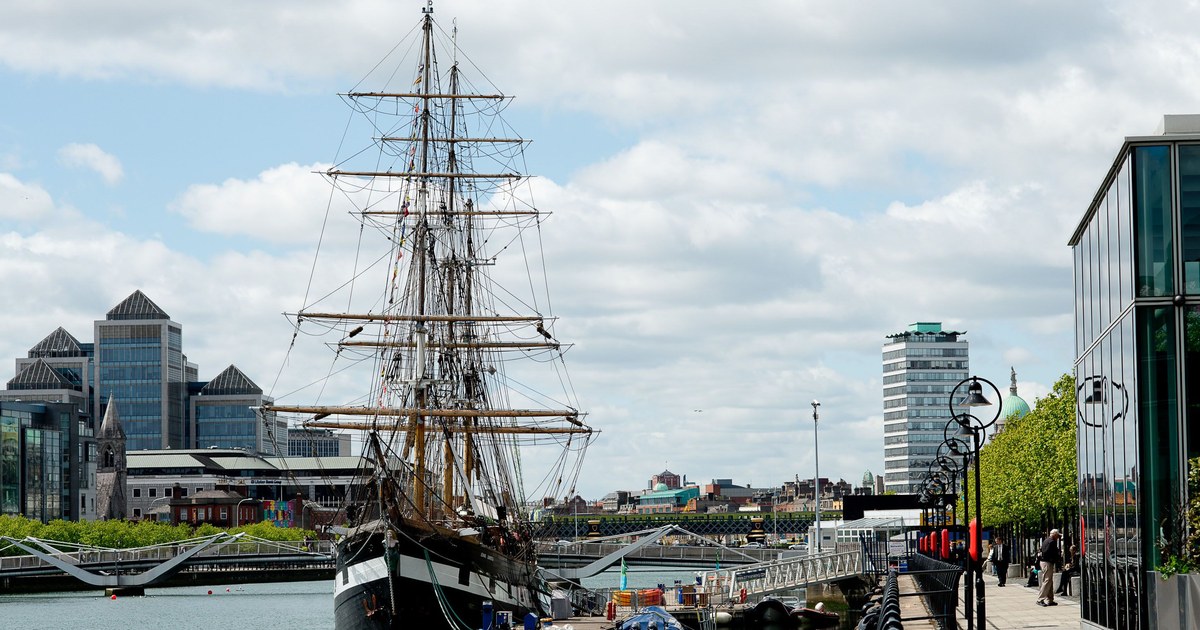
The Dunbrody Famine Ship Experience is docked in New Ross on the River Barrow. The Dunbrody was a real vessel that carried Irish emigrants to North America during the Famine years of the 1840s. The replica is full-size and impressively detailed.
Actors in period costume play the crew and passengers. They bring the experience to life — the cramped conditions, the fear, the hope of arriving in a new world. The exhibition makes the emigrant story personal and immediate in a way that a purely informational museum cannot.
New Ross is also worth a short walk after your visit. The town’s narrow streets follow the medieval layout. The Quay area along the river is pleasant at any time of year. Plan your visit: The Dunbrody Famine Ship on Discover Ireland.
Practical Tips for Visiting Wexford
Getting to Wexford from Dublin
The drive from Dublin takes about 1 hour 45 minutes via the M11. Bus Éireann runs regular services from Dublin Busáras to Wexford Town, with a journey time of around two hours. The Rosslare Europort rail line also connects Wexford Town to Dublin Connolly, with several trains daily.
Best Time to Visit
Wexford earns its “sunny south-east” reputation in June and July, when it consistently records Ireland’s highest sunshine hours. August is busy with families, particularly at Curracloe Beach. Spring visits in April and May offer puffin sightings, lighter crowds, and a good chance of warm weather. The Wexford Opera Festival in October draws visitors from across Europe — book accommodation well in advance if you plan to attend.
How Many Days Do You Need?
Two nights gives you time to cover the main attractions without rushing. Three nights lets you add the Saltee Islands boat trip, the Kennedy Homestead, and a more relaxed pace. Wexford also works well as a day trip from Dublin if your itinerary is tight, though you’ll only have time for two or three stops.
If you’re planning a longer trip around Ireland’s east coast, combine Wexford with Wicklow to the north and Waterford to the west. The three counties together make a superb five-day loop from Dublin.
For help planning your full Irish trip, start with our Ireland trip planning guide. Our 3-day Ireland itinerary for US visitors is a good starting point if you’re coming from North America. And if you’re tracing your Irish roots, our 7-day ancestry itinerary covers the heritage sites in depth.
Frequently Asked Questions About Visiting Wexford
What is the best time to visit Wexford, Ireland?
June and July are the sunniest months in Wexford, making them the best time for beach visits and boat trips to the Saltee Islands. April and May offer quieter roads, lower prices, and excellent puffin sightings — a compelling option for travellers who want to avoid the summer peak.
Is Wexford worth visiting on a day trip from Dublin?
Yes — Wexford is about 1 hour 45 minutes from Dublin by car or two hours by bus or train, making it a feasible day trip. Focus on Hook Lighthouse and Wexford Town for a single day. Staying overnight opens up more options, including the Saltee Islands and the Kennedy Homestead.
What is Hook Lighthouse in Wexford famous for?
Hook Lighthouse is famous for being one of the world’s oldest working lighthouses, with an operational history stretching back over 800 years. The original medieval tower was built by the Norman lord William Marshal in the early 13th century, on a site where monks had lit warning fires for centuries before that. It remains fully operational today.
How do I get to the Saltee Islands from Wexford?
Boat trips to the Saltee Islands depart from Kilmore Quay, which is about 22 kilometres from Wexford Town. Local boatmen run seasonal services from April through August. The crossing to Great Saltee takes approximately 20 minutes. Advance booking is strongly recommended, especially during June and July puffin season.
📲 Know someone who’d love this? Share on WhatsApp →
Free forever · · Unsubscribe anytime
Tours & experiences you might love


Powered by Viator. Some links are affiliate links — we may earn a small commission at no extra cost to you.
Secure Your Dream Irish Experience Before It’s Gone!
Planning a trip to Ireland? Don’t let sold-out tours or packed attractions spoil your journey. Iconic experiences like visiting the Cliffs of Moher, exploring the Rock of Cashel, or enjoying a guided walk through Ireland’s ancient past often sell out quickly—especially during peak travel seasons.

Booking in advance guarantees your place and ensures you can fully immerse yourself in the rich culture and breathtaking scenery without stress or disappointment. You’ll also free up time to explore Ireland’s hidden gems and savour those authentic moments that make your trip truly special.
Make the most of your journey—start planning today and secure those must-do experiences before they’re gone!
Subscribe Free