

Living in County Dublin means a capital city, a long sweep of coast and the Dublin Mountains, all within one county. About 1.4 million people live here, and it is the busiest and most connected part of Ireland. If you want culture, work and good transport alongside sea air, Dublin is worth a close look.
This guide looks at daily life in County Dublin. It covers the city, the coastal villages and the green spaces, and it is about the place, not the paperwork. For visitor information, start with Discover Ireland. Planning a visit first? Our Ireland trip planning hub is the best place to begin.
Why living in County Dublin appeals to so many people
Dublin covers about 920 square kilometres on the east coast. The River Liffey runs through the middle of the city, the bay curves to the north and south, and the Dublin Mountains rise just beyond the suburbs. You can swim in the sea before work and walk a hill trail at the weekend.
People who settle here often mention the same things. There is always something on, from theatre to live music. Most of the country’s big employers and cultural venues are nearby. The trade-offs are a faster pace, heavier traffic and a lot of competition for housing.
- Connections: The main airport, rail lines and bus routes all meet here.
- Culture: Museums, galleries, theatres and old pubs fill the city centre.
- Coast and hills: Beaches, harbours and mountain trails are close to the suburbs.
- Heritage: Viking, medieval and Georgian history sits side by side.
The city centre and its history
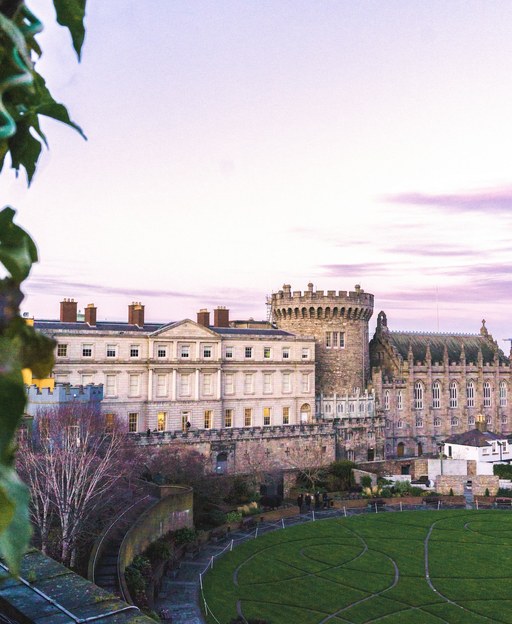
The city centre is compact, and many people walk to work and the shops. Dublin Castle, shown in the photograph above, stands in the heart of town. Its campus, gardens and state rooms are closed to the public from 5 May to 31 December 2026 while it hosts Ireland’s Presidency of the Council of the European Union, so check the Dublin Castle website before planning a visit. The National Gallery is a short stroll away, and you can plan a visit on the National Gallery of Ireland website.
Georgian squares, canal paths and small cafes give each neighbourhood its own feel. Many newcomers rent in the city first and then decide which area suits them best.
☘️ Enjoying this? 64,000+ Ireland lovers get stories like this every week. Subscribe free →
Coastal villages and the Dublin Mountains
County Dublin has some of the prettiest seaside villages in Ireland, and several sit on the DART coastal rail line. Here are the ones that come up most often.
- Howth: A fishing harbour on a headland, with cliff walks and seafood.
- Malahide: A smart seaside town with a castle and an estuary.
- Dún Laoghaire: A harbour town with a long pier and a lively Sunday market.
- Dalkey: A small village with narrow streets and sea views.
- Skerries: A relaxed north coast town with islands just offshore.
You can check rail routes and timetables on the Irish Rail website. Inland, the Dublin Mountains give walkers quiet trails with wide views over the bay. Just south of the county line, our Glendalough guide shows what a day in the Wicklow hills can look like.
Parks, green space and the seasons
Phoenix Park is one of the largest enclosed city parks in Europe. It covers about 700 hectares, and wild deer roam its grassland. Joggers, cyclists and families use it all year. See the Phoenix Park website for visitor details.
Spring brings blossom and longer evenings. Summer is the best time for sea swims and open-air events. Autumn colours the city parks. Winter is dark and often wet, but it is also the time of cosy pubs and Christmas lights.
- Pace: Fast in the centre, calmer in the coastal villages.
- Weather: Mild and often cloudy, and drier than the west coast.
- Walking: Cliff paths, canal towpaths, beaches and mountain trails.
- Day trips: Wicklow, Meath and Kildare are each within about an hour.
Getting around County Dublin
Dublin has the best public transport in Ireland. The Luas tram, DART trains, commuter rail and a large bus network all serve the county, and you can plan trips on the Luas website. Dublin Airport links the county to a wide range of direct flights, which matters if you plan to travel back and forth.
If Dublin sparks your interest in nearby counties, read our guides to living in County Wicklow, living in County Meath and living in County Kildare.
Is County Dublin the right place for you?
Dublin suits people who want city life with the sea on their doorstep. It may feel busy if you are used to a small town, and housing is the main challenge. A good way to test it is to stay for a week. Spend a day in the city centre, a day on the coast and an evening in the hills or a village pub.
To compare Dublin with other parts of the country, start with our guide to where to live in Ireland, our guide to what the 32 county names mean and our Ireland road trip itinerary. For the big picture, read our full Move to Ireland guide.
Frequently asked questions
Where is County Dublin?
County Dublin lies on the east coast of Ireland, on the shores of the Irish Sea. It surrounds Dublin city and borders Meath, Kildare and Wicklow.
Is County Dublin a good place to live?
Many people say yes. It offers jobs, culture, sea and mountain scenery and the best transport links in Ireland, but it is busier than the rest of the country and homes in it are in high demand.
What is County Dublin known for?
Dublin is known for its Georgian streets, Dublin Castle, Phoenix Park, literature and its coastal villages such as Howth and Dalkey. It is also the home of Ireland’s main airport.
What is the best time of year to visit County Dublin?
May to September gives the longest days and the best weather for the coast and parks. Spring and autumn are quieter and good for city walks and museums.
☘️ Join 64,000+ Ireland Lovers
Every weekday morning, get Ireland’s lesser-known corners, local stories and secrets, straight to your inbox.
Subscribe free — enter your email:
Free forever · Unsubscribe anytime
Secure Your Dream Irish Experience Before It’s Gone!
Planning a trip to Ireland? Don’t let sold-out tours or packed attractions spoil your journey. Iconic experiences like visiting the Cliffs of Moher, exploring the Rock of Cashel, or enjoying a guided walk through Ireland’s ancient past often sell out quickly—especially during peak travel seasons.

Booking in advance guarantees your place and ensures you can fully immerse yourself in the rich culture and breathtaking scenery without stress or disappointment. You’ll also free up time to explore Ireland’s hidden gems and savour those authentic moments that make your trip truly special.
Make the most of your journey—start planning today and secure those must-do experiences before they’re gone!