

County Sligo suits people who want mountains, beaches and a lively town within a short drive of each other. It sits on Ireland’s north-west coast, has about 70,000 residents, and offers a slower pace without feeling remote. Sligo town is roughly three hours from Dublin by road or train. That is close enough to visit and far enough to feel like a different Ireland.
This guide looks at what life in County Sligo is really like. We cover the landscape, the towns, the music, the food and the community. It will not cover rules or paperwork. For the practical side of a move, we link to our premium guide further down.
What Is It Like Living in County Sligo?
Life in County Sligo moves with the weather and the tides. Locals walk the beach before work. They know the shopkeeper by name. On a clear evening, half the town seems to be heading for the shore at Strandhill or Rosses Point.
The county gives you three things in one place:
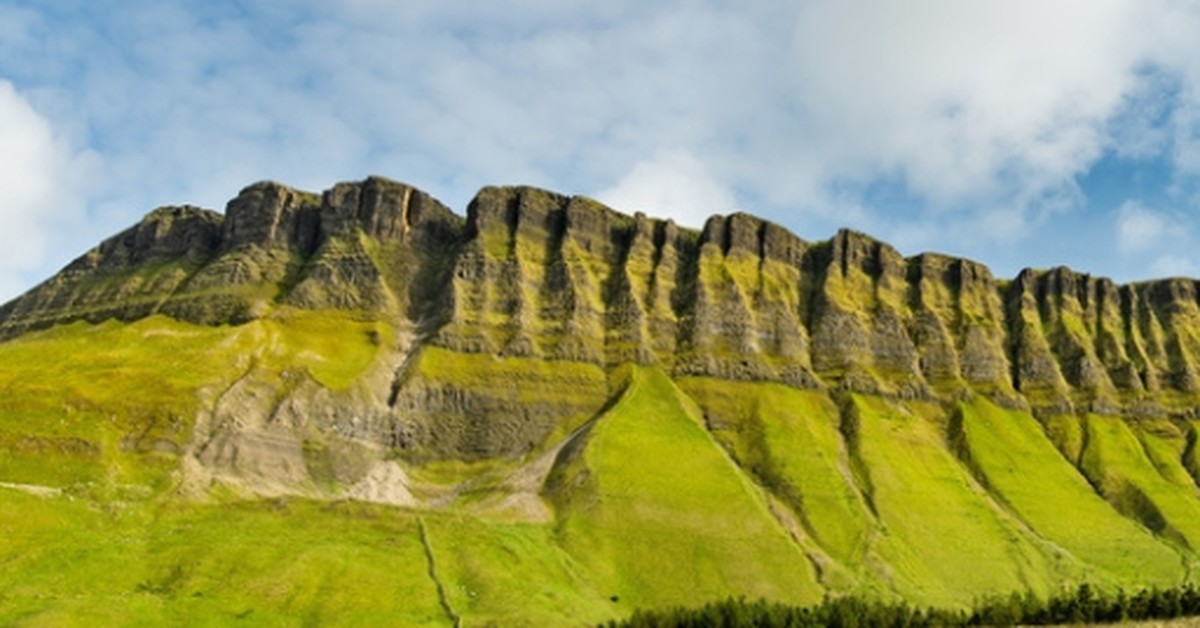
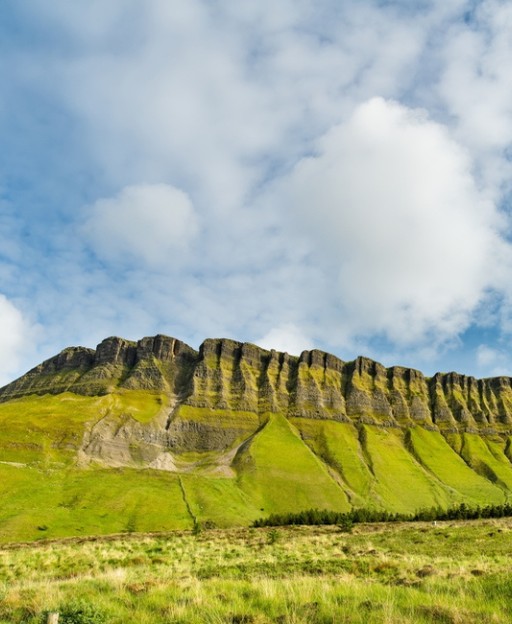
- Mountains — Benbulben rises 526 metres above the plain north of Sligo town.
- Coast — Atlantic beaches at Strandhill, Rosses Point, Mullaghmore and Easkey.
- Lakes and woods — Lough Gill sits just east of the town, with forest walks on its shores.
Few counties pack that much variety into a drive of 30 minutes. That is the first reason people fall for Sligo.
Sligo Town: A Small Place With Big Energy
Sligo town has about 20,000 people. It feels bigger than that. The river Garavogue runs through the centre, and the streets fill with music most nights of the week.
History sits on the high street. Dominican friars founded Sligo Abbey in 1253, and you can still walk the cloisters. Today the town also runs galleries, a busy theatre and several independent cafés. Most of what you need sits within a ten-minute walk.
The town also has a strong link to the poet W.B. Yeats. He spent boyhood summers here, and the landscape shaped his work. You can see why when you stand under Benbulben on a bright morning.
The Landscape That Shapes Daily Life
Benbulben and the Dartry Mountains
Benbulben is a flat-topped limestone mountain formed about 320 million years ago. It dominates the skyline for miles. Residents use it like a weather forecast. If the top is clear, the day will probably stay dry.
Walkers can follow the Gleniff Horseshoe, a short loop drive with steep views and almost no traffic. Yeats lies buried in the churchyard at Drumcliffe, in the shadow of the mountain.
Knocknarea and Carrowmore
Knocknarea rises 327 metres west of the town. A cairn about 55 metres wide sits on the summit. Tradition says it marks the grave of Queen Maeve, and you can read the full story in our guide to Queen Maeve’s tomb on Knocknarea.
Below the mountain lies Carrowmore, one of the largest megalithic cemeteries in Ireland. It holds more than 30 monuments, and some are thought to be older than Newgrange. Locals walk the site as casually as other people walk a park.
Lough Gill and Innisfree
Lough Gill is a short drive east of Sligo town. Yeats wrote about its Lake Isle of Innisfree. You can visit Parke’s Castle on the shore, a restored 17th-century fortified house. The forest paths around the lake are quiet even in summer.
The Coast: Surf, Sand and Seaweed
Sligo has a strong coastal culture. Strandhill is the surf capital of the county, and surfers paddle out in every season. The beach also has a long tradition of seaweed baths. You can book a soak at Voya Seaweed Baths after a cold session in the water.
Mullaghmore, further north, draws big-wave surfers and quiet walkers alike. Easkey, to the west, has a welcoming surf school and a rugged castle ruin. The Wild Atlantic Way passes through all of these places.
Music, Food and Community
A County Built on Music
Sligo is famous for its fiddle style. Michael Coleman, born at Killavil in 1891, recorded in New York in the 1920s and shaped how the world heard Irish music. Today sessions run in pubs across the county. Newcomers who bring an instrument are rarely turned away. For a pint with a tune, see our list of the best pubs in County Sligo.
Food From the Sea and the Hills
The coast supplies fresh fish, mussels and oysters. Farms in the hills supply lamb and beef. Weekend markets in Sligo town and Strandhill sell local bread, cheese and vegetables. Many families still bake their own brown bread.
A Close Community
Villages in Sligo hold regular festivals, sports days and fundraisers. People stop to talk. Neighbours notice when you arrive and when you leave. If you want a place where people know your name by the second week, Sligo delivers.
What to Think About Before You Move
Every county has trade-offs. Here are the ones Sligo residents mention most:
- Weather: The Atlantic brings rain and wind. Winters are mild but grey.
- Distance: Dublin is about three hours away, so big-city trips take planning.
- Daylight: Summer evenings last until late. Winter afternoons end early.
- Pace: Shops close earlier than in a city. Plan your errands.
Spend a few weeks here before you decide. Rent a cottage in the off season, shop locally and walk the town in November. If you love it then, you will love it all year. Our trip-planning hub helps you build that first visit.
A Year in County Sligo
Spring brings lambs to the hills and gorse to the roadsides. Summer fills the beaches, and the long evenings suit walks on Knocknarea after supper. Autumn is quieter, with golden light on Lough Gill and fewer visitors in the lanes.
Winter is the true test. Storms roll in off the Atlantic, and the waves at Mullaghmore grow huge. Yet the pubs glow, the sessions carry on, and the mountains often wear a dusting of snow. Residents say that is when the county feels most like itself.
Festivals mark the calendar too. Music, books and food events pop up in Sligo town and the villages through the year. Check local listings before you travel so you can plan around them.
How Sligo Compares With Other Counties
Sligo feels wilder than Kilkenny and quieter than Galway. If you liked our look at life in County Kilkenny, expect fewer crowds here and more mountain and sea. Many visitors pair Sligo with a trip through Connacht, and our Connacht heritage itinerary shows how.
If your family came from this corner of Ireland, start with our guide to tracing your roots in County Sligo.
☘️ Planning a trip to Ireland?
Our free 7-day road trip itinerary covers the Wild Atlantic Way from Dublin to the west — day-by-day driving guide with hidden gems, practical tips, and local secrets.
Get the Free 7-Day Itinerary →☘️ Enjoying this? 64,000+ Ireland lovers get stories like this every week. Subscribe free →
Ready to Think About a Move?
Dreaming is the easy part. The practical steps take care and research. Our full Move to Ireland guide walks you through them, so you can plan with confidence.
Frequently Asked Questions About Living in County Sligo
Is County Sligo a good place to live?
Yes, if you enjoy coast, mountains and a close community. Sligo town has shops, cafés, a theatre and a regional hospital within easy reach. Many residents say the scenery and the people are what keep them there.
How far is Sligo from Dublin?
Sligo town is about 215 kilometres from Dublin. The drive or the train takes roughly three hours. Ireland West Airport Knock is the nearest large airport.
What is the weather like in County Sligo?
The climate is mild and wet, shaped by the Atlantic. Summers are cool and bright, and winters are rarely freezing. Pack waterproofs in every season.
What is there to do in Sligo in winter?
Winter brings storm-watching at the beaches, music sessions in warm pubs and quiet hill walks. Indoor options include Sligo Abbey, galleries and the town’s theatres.
☘️ Join 64,000+ Ireland Lovers
Every weekday morning, get Ireland’s hidden gems, local secrets, and travel inspiration — the kind you won’t find in any guidebook.
Subscribe free — enter your email:
Already subscribed? Download your free Ireland guide (PDF)
📲 Know someone who’d love this? Share on WhatsApp →
Love more? Join 43,000 Scotland lovers → · Join 29,000 Italy lovers → · Join 7,000 France lovers →
Free forever · Unsubscribe anytime
Tours & experiences you might love


Powered by Viator. Some links are affiliate links — we may earn a small commission at no extra cost to you.
Secure Your Dream Irish Experience Before It’s Gone!
Planning a trip to Ireland? Don’t let sold-out tours or packed attractions spoil your journey. Iconic experiences like visiting the Cliffs of Moher, exploring the Rock of Cashel, or enjoying a guided walk through Ireland’s ancient past often sell out quickly—especially during peak travel seasons.

Booking in advance guarantees your place and ensures you can fully immerse yourself in the rich culture and breathtaking scenery without stress or disappointment. You’ll also free up time to explore Ireland’s hidden gems and savour those authentic moments that make your trip truly special.
Make the most of your journey—start planning today and secure those must-do experiences before they’re gone!