

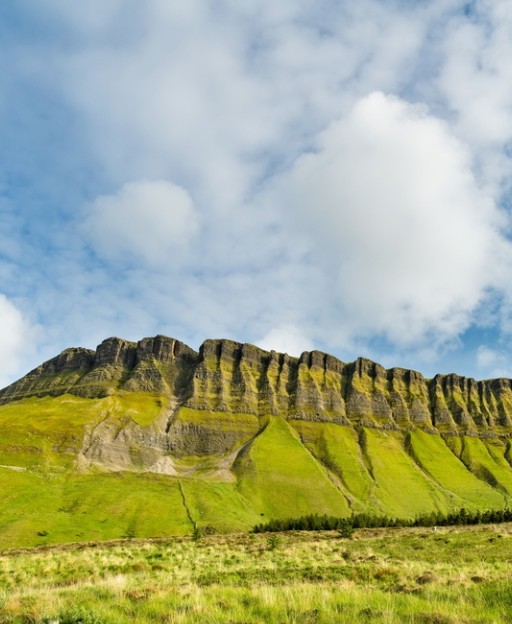
County Sligo sits on Ireland’s north-west coast between the Atlantic and the mountains. W.B. Yeats called it the land of his heart’s desire. He’s buried beneath Ben Bulben, the flat-topped mountain that watches over the whole county. But for millions of Irish-Americans, Sligo is more than poetry. It’s where their great-grandparents lived, farmed, and eventually said goodbye to Ireland forever.
If your family has Sligo roots, you’re part of a story that stretches from the green drumlins of east Sligo to the wild Atlantic coast. This guide will walk you through Sligo genealogy — the key records, the best archives, and a five-day heritage itinerary to help you connect with your ancestors’ county.
Watch: Do You Qualify for an Irish Passport?
Tracing your Irish family? If one of your grandparents was born in Ireland, you may be able to become an Irish citizen. This 14-minute guide explains who qualifies, what it costs and how long it takes. Thinking of making the move? Get the free Moving to Ireland checklist.
Why So Many Irish-Americans Have Sligo Roots
County Sligo lost around half its population during the Great Famine. Over 40,000 people left between 1845 and 1855. They crossed the Atlantic to Quebec, New York, Boston, and Philadelphia. Many never came back.
The Famine hit Connacht hard. Sligo was no different. Families from the parishes of Calry, Drumcliff, Ahamlish, and Kilmacowen lost sons and daughters to emigration. The children they raised in America kept the memory of Sligo alive — in family names, in stories, and in the pull that many still feel toward this county today.
Sligo families also emigrated in large numbers before and after the Famine. The 1800s saw steady movement from Sligo Port, with ships sailing to Liverpool and then on to America. Many families left not in one wave, but in stages — one sibling first, then another, until only the eldest son remained on the land.
Did you know? Over 40,000 people left County Sligo during the Great Famine — nearly half the county’s entire population in just five years.
Common Surnames in County Sligo
If your family carries one of these names, there’s a good chance you have Sligo roots. These were the most common families in the county from medieval times through to the 20th century.
- O’Hara — one of the oldest Gaelic families in Sligo, rulers of Leyny in the north of the county
- McDonagh — from the Gaelic Mac Donnchadha, a strong north Sligo family
- O’Connor — a widespread Connacht name, common throughout Sligo
- Brennan — from the Gaelic Ó Braonáin, common in south Sligo and Roscommon
- Gilmartin — a Sligo name with roots in the barony of Corran, near Ballymote
- Breheny — from Ó Braonáin Bhreifne, a Breifne sept with strong Sligo ties
- Scanlan — common in both Sligo and Leitrim, from the Gaelic Ó Scannláin
- Higgins — a widespread Connacht name, found throughout County Sligo
- Lyons — from the Gaelic Ó Laighín, a south Sligo and Roscommon family
- Flanagan — from Ó Flannagáin, present throughout county Sligo
- McDermott — Mac Diarmada, one of the great Roscommon-Sligo families
- Egan — from Mac Aodhagáin, present in east Sligo and Roscommon
Finding your surname in Griffith’s Valuation or the Tithe Applotment Books for Sligo can confirm exactly which parish your family came from. That single piece of information opens everything else.
Sligo Genealogy: The Records That Will Help You Find Your Ancestors
Irish genealogy can feel complex. But the main records fall into a few clear categories. Here is what exists for County Sligo and where to find each one.
Civil Registration Records
The Irish civil registration system holds births from 1864, marriages from 1845 (non-Catholic) and 1864 (all faiths), and deaths from 1864. These records exist for every county, including Sligo. They name parents, witnesses, and places — which makes them essential for tracing your line back through the 19th century.
You can search civil records through IrishGenealogy.ie, which is free to use. Our full guide to Irish civil registration records explains how to read them and what each entry tells you.
Catholic Parish Records
Most Sligo families were Catholic. Parish registers hold baptisms, marriages, and sometimes burials going back to the late 1700s and early 1800s. The oldest Sligo registers date from around 1820 in some parishes, earlier in others.
The National Library of Ireland has microfilmed Sligo’s Catholic parish records. You can search and view them free at registers.nli.ie. Our guide to Irish parish records shows you exactly how to navigate this database.
Griffith’s Valuation
Griffith’s Valuation surveyed every property in Ireland between 1847 and 1864. For County Sligo, surveyors worked through the county in the 1858–1860 period. The records list every householder by name, their townland, and the value of their land and buildings.
This is often the most useful starting point for Sligo research. It tells you exactly where your ancestors lived — down to the specific townland. Search Griffith’s Valuation free at AskAboutIreland.ie. Read our detailed guide on how to use Griffith’s Valuation for a step-by-step walkthrough.
Tithe Applotment Books (1823–1837)
The Tithe Applotment Books recorded Protestant and Catholic landholders who owed tithes to the Church of Ireland. These books predate Griffith’s Valuation by about 20 years, making them very useful for finding ancestors before the Famine. Search them free at the National Archives of Ireland website.
Census Records
Most 19th-century Irish census records were destroyed in 1922. But the 1901 and 1911 census records survive and are free to search at nationalarchives.ie. These records name every person in each household, with ages, relationships, birthplaces, and occupations. They are a gold mine for any family that stayed in Sligo into the early 20th century.
Passenger Lists and Emigration Records
If your ancestor left Ireland, passenger lists can confirm when they sailed and sometimes where they came from. Our guide on finding which port your ancestors left from explains how to trace the emigration journey, from Sligo town to an American city.
☘️ Enjoying this? 64,000 Ireland lovers get stories like this every week. Subscribe free →
Where to Research Your Sligo Family History
You can do a lot of research from home using the free databases above. But for deeper work, these centres and archives hold original records and specialist knowledge.
Sligo Heritage and Genealogy Centre
The Sligo Heritage and Genealogy Centre is based in Sligo Town, on Temple Street. It’s a member of the Irish Family History Foundation network. The centre holds indexes to Sligo’s civil records, church registers, and gravestone inscriptions. Staff can carry out professional research on your behalf if you can’t visit in person.
Contact them at: sligoroots.com. A preliminary search will tell you if records exist for your family in a particular parish.
Sligo County Library — Local Studies
Sligo County Library’s Local Studies collection in Sligo Town holds newspapers, estate records, valuation revisions, and local history books. Staff here know the county’s genealogy resources well. Many researchers find unique material here that isn’t available anywhere else — estate maps, tenancy lists, and local directories.
National Archives of Ireland (Dublin)
The National Archives in Dublin holds the surviving 19th-century census fragments, the Tithe Applotment Books for Sligo, and estate papers from major Sligo landlords including the Gore-Booth family of Lissadell. If your ancestor was a tenant on one of these estates, their name may appear in rent rolls and land records.
National Library of Ireland (Dublin)
The National Library holds the original Catholic parish register microfilms for Sligo. It also holds Griffith’s Valuation and the General Valuation office revision books, which update the original surveys up to the 1970s. You can trace property ownership in a townland across more than a century using these revision books.
Understanding townlands is central to Irish genealogy. Our guide on what an Irish townland is explains this ancient land division system and why it matters for your research.
A 5-Day Heritage Itinerary for County Sligo
Once you’ve done some research from home and know which part of Sligo your family came from, a heritage visit brings everything to life. This five-day plan balances genealogy research with the landscapes, monuments, and culture of the county.
You can combine this with a wider 7-day Irish ancestry itinerary if you want to visit the national archives in Dublin as part of the same trip.
Day 1: Arrive in Sligo Town — Get Your Bearings
Fly into Knock Airport (Ireland West Airport), about 45 minutes south of Sligo Town. If you’re coming from Dublin, the train to Sligo takes about three hours and offers stunning views across Connacht.
Check in and spend the afternoon walking Sligo Town. Visit the Dominican Abbey, founded in 1252, where you’ll find some of the county’s oldest stone carvings. Walk along the Garavogue River and stop at Yeats’s statue in Wine Street. In the evening, eat in one of Sligo Town’s excellent restaurants and pick up a local history book from a bookshop.
Day 2: Research Day — Sligo County Library and Heritage Centre
Spend the morning at Sligo County Library’s Local Studies section. Bring your research notes — the surnames you’re looking for, the parishes and townlands you’ve identified, and the time period you’re focused on. Staff here are very helpful and can point you toward estate maps or local directories that may name your ancestors.
In the afternoon, walk to the Sligo Heritage and Genealogy Centre on Temple Street, a few minutes from the library. This is where the indexed records live. If you’ve already made contact with the centre before your trip, staff may have findings ready for you to review.
If you have energy left, drive south to Ballymote (about 30 minutes) to see Ballymote Castle — a large Norman stronghold built around 1300 that once stood at the heart of Sligo’s contested history between Gaelic lords and Anglo-Norman settlers.
Day 3: Ancestral Townland Visit and North Sligo
Today is the most personal day of the trip. Use your research to identify the townland your family came from. Drive out to that place and walk the land. You don’t need a guide or a monument. Standing in the fields your great-great-grandparents worked has its own power.
Many Sligo families came from parishes in the north of the county — Drumcliff, Calry, Rosses Point, and Ballisodare. Others came from the drumlin country in the east, near Ballymote and Gurteen. Wherever your family came from, the landscape connects you to them in a way that no document can.
After your townland visit, drive to Drumcliff Churchyard. W.B. Yeats is buried here beneath Ben Bulben, just as he requested. His epitaph — “Cast a cold eye on life, on death. Horseman, pass by.” — is carved into his simple headstone. Many Irish-American families of Sligo heritage have stood here before you.
End the day at Rosses Point, the headland north of Sligo Town. Stand at the water’s edge and look out toward the Atlantic. Your ancestors left Ireland by sea. This view is close to what they would have seen last.
Day 4: Megalithic Sligo — Carrowmore, Knocknarea, and Queen Maeve
County Sligo has one of the richest concentrations of megalithic tombs in Ireland. Carrowmore, just outside Sligo Town, is the largest megalithic cemetery in the country. It holds over 30 passage tombs and dolmens, some dating back more than 5,000 years. These are among the oldest standing structures in Europe.
Walk the site slowly. Each cairn marks a burial. Your Sligo ancestors walked past these same stones for generations. They built their traditions — on St Brigid’s Eve, families across Sligo wove crosses from rushes gathered near the river, a custom that mixed Christian devotion with much older seasonal rituals — around a landscape already thousands of years old.
In the afternoon, hike up Knocknarea. This limestone hill rises above Carrowmore and is capped by a massive cairn — the supposed tomb of Queen Maeve, the legendary warrior queen of Connacht. The climb is about 45 minutes each way and the views across Sligo Bay are extraordinary.
Day 5: Lissadell and the Gore-Booth Estate
Lissadell House stands on the north shore of Sligo Bay, overlooking Drumcliff Bay. It was the home of the Gore-Booth family, one of the major Protestant landlord families of the county. Constance Markievicz — a Gore-Booth daughter who became one of the leaders of the 1916 Rising — grew up here.
For genealogical visitors, Lissadell matters because the Gore-Booth estate records are partly preserved. If your Catholic ancestors rented land in north Sligo during the 19th century, their names may appear in estate tenancy lists held at the National Archives in Dublin. The National Archives also holds Famine-era Poor Law Union records for the Sligo Poor Law Unions, which can name families who received relief.
Stop at the graveyard at Drumcliff on your way back. Then drive through the foothills of Ben Bulben toward the village of Grange, where views of the mountain from the north are especially dramatic. Spend your final evening in Sligo Town.
Tips for Planning Your Sligo Heritage Trip
- Research before you travel. The more you know before you arrive, the more you get from the visit. Identify the townland and parish first.
- Contact the Heritage Centre in advance. Email Sligo Heritage and Genealogy Centre before your trip. They can prepare findings for your visit and save you time.
- Hire a local guide for a half day. A local genealogist who knows the county’s records and landscape can dramatically accelerate your research.
- Visit graveyards. Many Sligo parishes have their burial grounds recorded by the Sligo Gravestone Project. Old graveyards often reveal family connections that official records miss.
- The best time to visit is May to September for weather. But the archives and heritage centre are open year-round.
- Allow more time than you think. Research discoveries can send you in new directions. Build flexibility into your schedule.
For tips on combining this visit with research in the national archives, read our guide on tracing your roots in Galway — a neighbouring county with a similar research process. Many Sligo families also appear in Ireland’s Famine ruins, where you can see the physical legacy of the emigration era.
Frequently Asked Questions About Sligo Genealogy
What are the most common surnames in County Sligo?
The most common Sligo surnames include O’Hara, McDonagh, O’Connor, Brennan, Gilmartin, Breheny, Scanlan, Higgins, Lyons, and Flanagan. O’Hara was historically one of the ruling families of north Sligo. If you carry one of these names, searching Griffith’s Valuation for County Sligo is a good starting point.
How do I find my Sligo ancestors’ townland?
Griffith’s Valuation (1858–1860 for Sligo) is the best source for identifying a specific townland. Search by surname at AskAboutIreland.ie. If you find your family name in Sligo, the record shows the exact townland they lived in. The 1901 and 1911 census records at the National Archives also name townlands and are free to search online.
Where do I find Sligo Catholic parish records?
Sligo’s Catholic parish registers are held on microfilm at the National Library of Ireland. You can search and view them free at registers.nli.ie. The oldest Sligo registers date from the 1820s in most parishes, with some going back earlier. The records typically cover baptisms and marriages. Burial records are less common for this period.
Can I visit the place my Sligo ancestors lived?
Yes — once you identify the townland from records, you can drive out to the area. Many Sligo townlands are still inhabited and the landscape has changed very little. Some original stone cottages from the 19th century still stand, especially in more remote areas. Local people are generally welcoming to visitors with family connections to the area.
What year did most people emigrate from County Sligo?
The largest wave of emigration from Sligo happened between 1845 and 1855 during the Great Famine. Sligo Port was a main departure point, with ships going to Liverpool, Quebec, and New York. Emigration continued at high levels throughout the late 19th and early 20th centuries. Census records from 1901 and 1911 often show families with some members already living in America.
Your Sligo Story Is Waiting
County Sligo holds one of the richest genealogical records in Ireland. The land surveyors of the 1850s were thorough. The parish priests kept careful registers. The local archives have preserved what survived.
Your Sligo ancestors didn’t leave because they wanted to. They left because they had to — because the land failed, or the landlord cleared them, or the next generation had no room on a farm already divided too many times. They carried Ireland with them to America. You carry it still.
Start with a name and a county. Follow the records to a townland. Then go and stand in that townland. That journey — from a name on a passenger list to a field in County Sligo — is one of the most powerful things any Irish-American can do.
For a broader introduction to Irish genealogy, read our complete guide on how to trace your Irish ancestry. It covers every record type, every database, and every step from your first search to a confirmed family tree.
☘️ Join 64,000+ Ireland Lovers
Every Friday, get Ireland’s hidden gems, local secrets, and travel inspiration — the kind you won’t find in any guidebook.
Subscribe free — enter your email:
Already subscribed? Download your free Ireland guide (PDF)
📲 Know someone who’d love this? Share on WhatsApp →
Free forever · One email per week · Unsubscribe anytime
Tours & experiences you might love


Powered by Viator. Some links are affiliate links — we may earn a small commission at no extra cost to you.
Secure Your Dream Irish Experience Before It’s Gone!
Planning a trip to Ireland? Don’t let sold-out tours or packed attractions spoil your journey. Iconic experiences like visiting the Cliffs of Moher, exploring the Rock of Cashel, or enjoying a guided walk through Ireland’s ancient past often sell out quickly—especially during peak travel seasons.

Booking in advance guarantees your place and ensures you can fully immerse yourself in the rich culture and breathtaking scenery without stress or disappointment. You’ll also free up time to explore Ireland’s hidden gems and savour those authentic moments that make your trip truly special.
Make the most of your journey—start planning today and secure those must-do experiences before they’re gone!