

Living in County Wexford means mild weather, long sandy beaches and a county with a Viking and Norman past, all within about two hours of Dublin. Around 164,000 people live there, and Wexford town, the county town, has roughly 20,000 residents. If you want a coastal life in Ireland’s sunny south-east, this county is worth a close look.
This guide looks at daily life in Wexford. It covers the towns, the coast, the heritage and the practical side of getting around. It is about the place, not the paperwork. For anything official, check the relevant government site first. If you are still planning, start with our Ireland trip planning hub.
Why living in County Wexford appeals to so many people
Wexford sits in the far south-east corner of Ireland. It has a long Irish Sea coastline, gentle farmland and one of the drier, brighter climates in the country. Locals call the area the sunny south-east, and the name has stuck for good reason.
Newcomers often mention the same things. The pace is easy, the towns are friendly and the beaches are close. Dublin is roughly 140 km away, so you can make a day trip to the capital without a flight.
- Coastline: sandy beaches, harbour villages and the Hook Peninsula, all within a short drive.
- Climate: the south-east tends to be among the drier, sunnier parts of Ireland.
- Connections: trains run on the Dublin–Rosslare line, and the ferry port at Rosslare Europort links Wexford with Wales and France.
- Community: strong local festivals, sports clubs and market-day habits.
Wexford town and the county’s other main towns
Wexford town is the busiest place in the county. It began as a Viking settlement, and its narrow main street still follows the old harbour line. You will find independent shops, cafes, a busy quayside and the National Opera House, home of the annual Wexford Festival Opera each autumn.
The county council runs the local services and publishes community information on the Wexford County Council website. For visitor ideas across the county, the Discover Ireland page for Wexford lists attractions and events.
Enniscorthy, New Ross, Gorey and Kilmore Quay
Each town has its own character. Enniscorthy sits on the River Slaney below Vinegar Hill, with a castle and a strong sense of local history. New Ross is a quayside town on the River Barrow with a famous link to Irish emigration. Gorey, in the north of the county, is a popular base for people who commute towards Dublin. Kilmore Quay is a thatched fishing village and the launch point for boats to the Saltee Islands.
Many people choose a village a few kilometres from a bigger town. You get the quiet, and the shops stay close.
☘️ Enjoying this? 64,000+ Ireland lovers get stories like this every week. Subscribe free →
Hook Head, the Saltees and the Wexford coast
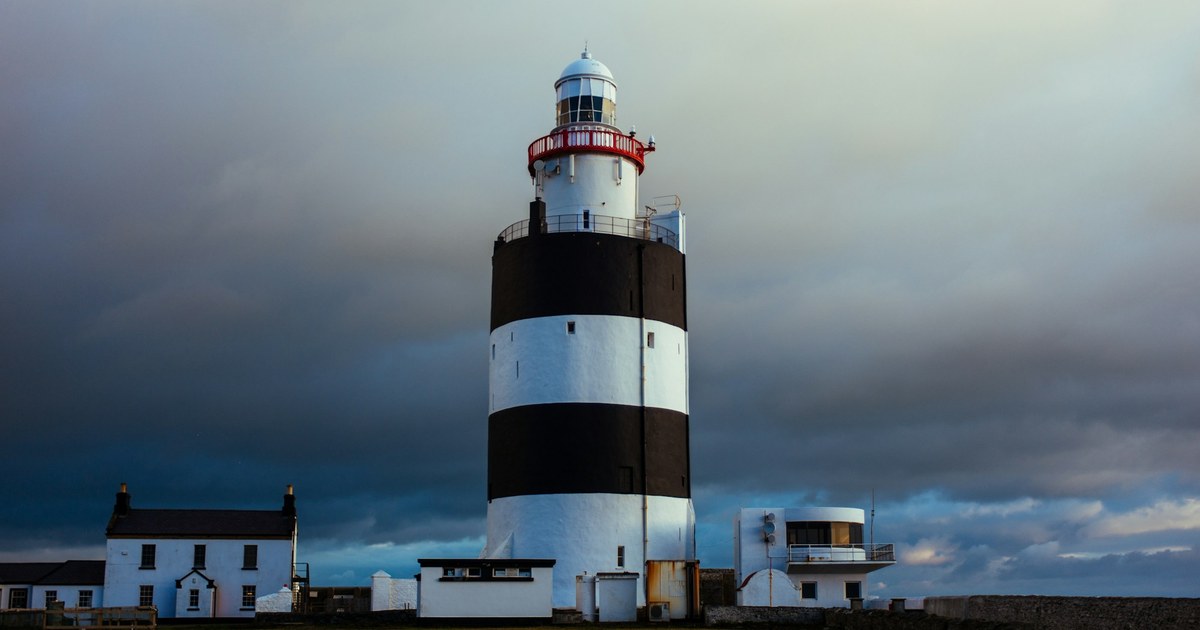
The Hook Peninsula is the county’s showpiece. Hook Lighthouse stands at its tip. Norman knights built the tower in the 13th century, and it is one of the oldest working lighthouses in the world. Read our full guide to Hook Lighthouse before you visit.
Nearby, Tintern Abbey and Loftus Hall add to the history. Further west, Kilmore Quay boats run trips to the Saltee Islands, a bird sanctuary with gannets and puffins in season. Check the boat operators for sailing times, because the sea decides.
Beaches, bogs and birdlife
Curracloe, Rosslare Strand and Carne all have long, wide sands that locals use year-round for walks. Just north of Wexford town, the Wexford Wildfowl Reserve on the North Slob draws thousands of Greenland white-fronted geese each winter, which makes it a great stop for birdwatchers.
Heritage, emigration and Irish-American roots
Wexford holds a special place for Irish Americans. The Dunbrody Famine Ship in New Ross is a full-size replica of a ship that carried emigrants across the Atlantic. Close by, the Kennedy Homestead at Dunganstown is the farm where President John F. Kennedy’s great-grandfather grew up before he left for Boston.
Inland, Johnstown Castle combines a Gothic Revival castle, lakes and gardens with the Irish Agricultural Museum. It is a lovely place for a weekend walk with the family.
- Dunbrody Famine Ship, New Ross: a close look at the emigrant journey.
- Kennedy Homestead, Dunganstown: a family farm with a famous Irish-American link.
- Johnstown Castle, near Wexford town: gardens, lakes and a museum.
- Hook Lighthouse: 800-year-old tower on the peninsula.
Neighbouring counties are well worth a weekend too. See what daily life looks like in County Waterford and County Carlow.
Food, markets and everyday life
Wexford is farming country, and the food shows it. Strawberries are the county’s best-known crop, and local growers sell them at roadside stalls and farmers’ markets through early summer. Seafood arrives daily at Kilmore Quay and Rosslare, so fish suppers taste fresh. Most towns hold a weekly market where you can buy bread, cheese and vegetables from the people who made them.
Everyday life revolves around the community. GAA clubs, sailing clubs, church halls and local festivals fill the calendar. New arrivals who join a club or a volunteer group tend to settle in fastest.
Getting around County Wexford
A car makes life easier in most parts of the county, especially in the villages and along the coast. Wexford town and Enniscorthy have rail stations on the Dublin–Rosslare line, and buses link the main towns. Check Irish Rail for timetables and Rosslare Europort for ferry details.
The road to Dublin is about 140 km, and most people allow roughly two hours. Cork and Waterford are also within reach for a day out. If you enjoy road trips, our Ireland road trip itinerary and our 10-day first-trip guide show how Wexford fits into a longer route.
Is moving to Wexford right for you?
Wexford suits people who want a coastal life without the Atlantic storms of the far west. It works well for retirees, remote workers and families who like beaches, markets and a friendly local scene. Winters are mild, but the wind off the sea can bite, so spend a few weeks there in different seasons before you decide.
Before you commit, read the full Move to Ireland guide for a clear look at what the change involves. Then visit the places on this list and talk to the people who live there.
What is it like living in County Wexford?
It is relaxed, friendly and coastal. Most people live in or near market towns, and the beaches and the Hook Peninsula are close by.
How far is Wexford from Dublin?
Wexford town is roughly 140 km from Dublin. You can reach it by train on the Rosslare line or by road in about two hours.
Is County Wexford worth visiting?
Yes. Visitors enjoy Hook Lighthouse, Johnstown Castle, the Dunbrody Famine Ship and the long beaches, all in one compact county.
Is living in County Wexford a good choice for retirees?
Many retirees like it for the mild weather, the coast and the easy rail and ferry links. Visit in winter first so you know what daily life feels like.
☘️ Join 64,000+ Ireland Lovers
Every weekday morning, get Ireland’s lesser-known corners, local stories and secrets, straight to your inbox.
Subscribe free — enter your email:
Already subscribed? Download your free Ireland guide (PDF)
📲 Know someone who’d love this? Share on WhatsApp →
Free forever · Unsubscribe anytime
Secure Your Dream Irish Experience Before It’s Gone!
Planning a trip to Ireland? Don’t let sold-out tours or packed attractions spoil your journey. Iconic experiences like visiting the Cliffs of Moher, exploring the Rock of Cashel, or enjoying a guided walk through Ireland’s ancient past often sell out quickly—especially during peak travel seasons.

Booking in advance guarantees your place and ensures you can fully immerse yourself in the rich culture and breathtaking scenery without stress or disappointment. You’ll also free up time to explore Ireland’s hidden gems and savour those authentic moments that make your trip truly special.
Make the most of your journey—start planning today and secure those must-do experiences before they’re gone!