

School in Ireland for American families is free, English-language and surprisingly welcoming — making it one of the smoothest parts of any family relocation to the Emerald Isle. Whether you are planning a permanent move or a multi-year adventure abroad, understanding how Irish education works will save you weeks of confusion and give your children the best possible start. This guide covers everything from how the system is structured to the exact enrolment steps you need to follow before your children’s first day.
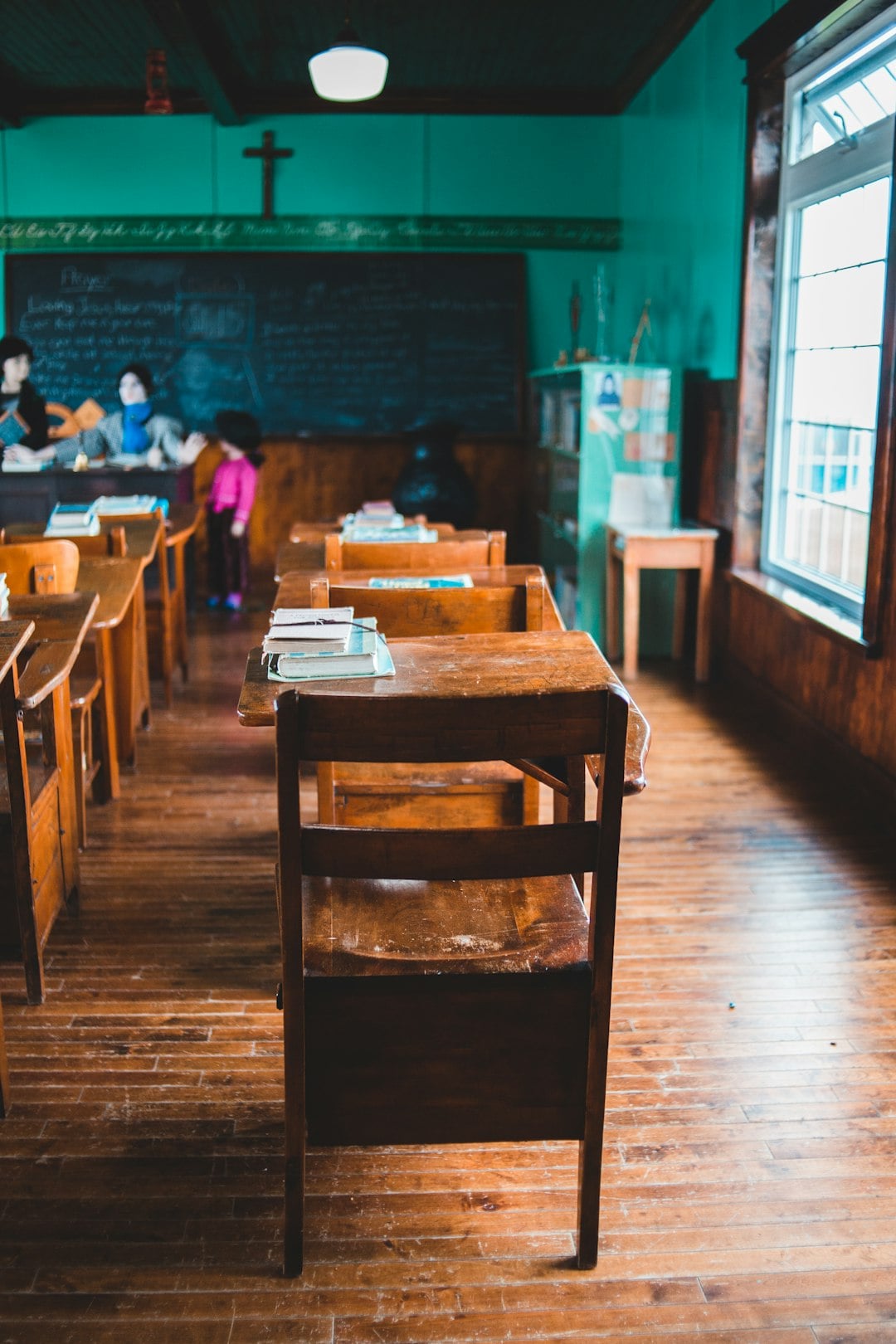
How the Irish School System Is Structured
Irish education divides into two stages: primary school and secondary school. Children typically begin primary school at age four or five and finish at around twelve. Secondary school runs from age twelve to eighteen. There is no middle school equivalent — children move directly from primary to secondary.
Primary school covers eight years, from Junior Infants through to Sixth Class. Secondary school covers six years, split into a Junior Cycle (three years) and a Senior Cycle (three years, with an optional Transition Year between them).
Ready to turn the dream into a plan?
Our Premium guide How to Retire in Ireland covers the Stamp 0 visa, real monthly costs, healthcare, banking, and the exact steps to make the move — all in one place.
At the end of Third Year (around age fifteen), students complete the Junior Cycle, which culminates in state examinations and Classroom-Based Assessments recorded in the Junior Cycle Profile of Achievement (JCPA). At the end of Sixth Year (around age seventeen or eighteen), they sit the Leaving Certificate — the Irish equivalent of US college entrance examinations, determining university admissions across Ireland. The system is well-structured and, for most American children, reassuringly straightforward.
Is School Free in Ireland?
State-funded primary and secondary schools in Ireland charge no tuition fees. However, most schools request a voluntary contribution from families at the start of each year — typically between €50 and €150 annually. This is not legally enforceable, but most families contribute.
Additional costs to budget for include uniforms (€100–€250 per child, depending on the school) and school trips or activity fees throughout the year. Schoolbooks are no longer a major expense at state-funded schools: since the 2025/26 school year, the government’s free schoolbooks scheme covers core textbooks and workbooks for every pupil in primary school and right through post-primary (Junior Cycle, Transition Year and Senior Cycle) at schools in the Free Education Scheme — schools loan the books and families return them at the end of the year.
Private fee-paying secondary schools do exist in Ireland. Day-pupil fees typically range from about €4,000 to €14,500 per year (a small number of Dublin schools charge more), and boarding fees can exceed €25,000–€29,000 annually. These schools often have smaller class sizes and a wider range of extra-curricular activities. There are just over 50 private secondary schools across the country, concentrated in Dublin and Cork.
The Language Question: English and Irish
English is the primary language of instruction in the vast majority of Irish schools, so your children will face no language barrier on their first day. The one adjustment to expect is Irish (Gaeilge) — Ireland’s native language, which is a compulsory subject in all state schools from Junior Infants through to Leaving Certificate.
American children enrolling mid-year may be given a period of adjustment before Irish classes begin, and some schools offer beginner Irish support for children without any prior exposure to the language. It is worth asking your chosen school about their policy when you make initial contact.
Gaelscoileanna are a separate category of school entirely — these teach all subjects through the Irish language. Unless your child already speaks Irish, you would enrol them in an English-medium school. Gaelscoileanna are popular with Irish families wanting their children to grow up fluent in the native tongue, but they are not the right choice for newly arrived American families.
☘️ Enjoying this? 64,000+ Ireland lovers get stories like this every week. Subscribe free →
How to Find a School for Your Child
The Irish government’s schools.finder.gov.ie tool allows you to search for all primary and secondary schools by county or Eircode. Each listing shows the school type, enrolment figures, and contact details. This is your first stop when researching schools in the area you are moving to.
Ireland has over 3,200 primary schools and approximately 750 secondary schools. Most primary schools are small by American standards — the national average class size is around 22 pupils (still above the EU average of 19), and many rural primary schools have fewer than 100 children enrolled in total. Secondary schools are generally larger, with many urban schools enrolling 600–1,000 students across six year groups.
One important feature of the Irish school system is that most primary schools are denominational — the majority are Roman Catholic schools, though Church of Ireland, multi-denominational, and Educate Together schools are increasingly common, particularly in cities and larger towns. As an American family, you are free to enrol in any school regardless of your own religious background, but it is worth knowing that Catholic ethos schools include religious education as a subject.
If being in a multi-denominational school matters to your family, search specifically for Educate Together or Community National Schools — both welcome children of all backgrounds with a non-denominational curriculum. There are now more than 100 Educate Together schools across Ireland, with numbers growing every year. Choosing where to settle first is just as important as finding the right school — if you are still weighing up the best locations for families, the best Irish towns for American newcomers guide covers the most welcoming communities by county.
School in Ireland for American Families: The Enrolment Process
Irish schools operate an open enrolment policy, meaning they cannot refuse a child based on nationality, religion (with some nuance), or place of origin. However, popular schools in desirable areas can be oversubscribed, so contacting your preferred school as early as possible — ideally six to twelve months before your intended start date — is strongly advised.
Documents you will typically need to provide at enrolment include your child’s birth certificate, proof of address in Ireland (a lease agreement or utility bill), immunisation records, and any previous school reports. Schools may also ask for a copy of your Irish Residence Permit (IRP) (registration card for non-EEA residents) or visa documentation confirming your right to reside in Ireland.
American children do not need any special educational assessment or equivalency test. Irish schools are experienced at placing children who arrive mid-cycle and will generally place your child in the year group that matches their age. If your child is at the top of an age group in the US system, the school may discuss whether they should sit in the year above or below depending on their academic readiness.
Planning a full family move to Ireland involves far more than schools alone — if you are still weighing up whether the move is right for your family, the full Move to Ireland guide covers everything from visa options to the best counties for expat families settling long-term. You may also want to work through the first 90 days in Ireland checklist and the guide to converting your US driving licence — two of the most practical early steps for any American family making the move.
For a broader view of what to see and plan before and after the move, start with the Ireland Planning Hub — the central resource for all things Ireland travel and relocation.
The School Year and Typical Day
The Irish school year runs from early September to late June — roughly nine months, similar to the US academic year. Schools close for two weeks at Christmas, one week at Easter, and a one-week mid-term break in late October. There is also a shorter mid-term break in February in most schools.
The school day for primary pupils typically runs from 9:00am to 2:30pm (for Infants) or 9:00am to 3:00pm (for older primary pupils). Secondary school hours vary more by school but generally run from 8:30am or 9:00am to 3:30pm or 4:00pm.
After-school care is widely available, and many secondary schools offer homework clubs or supervised study — particularly useful if both parents are working. Summer camps and GAA (Gaelic sports) camps are hugely popular with children aged six to twelve during July, offering a brilliant way for American children to make Irish friends quickly.
What American Children Say About Irish School
American families who have made the move consistently report that their children settle in faster than expected. Irish school culture is warm, and Irish children are genuinely curious about American classmates rather than unwelcoming. The accent adjustment fades within a term for most children.
The biggest academic differences American children notice are the emphasis on the Irish language from day one, the absence of standardised testing on the US scale, and the smaller class environments common in rural and suburban schools. Many American families with children who struggled in large US school districts find the smaller Irish setting genuinely transformative.
Secondary school is more academically intense than many US families expect, with the Leaving Certificate in Sixth Year being a high-stakes set of exams covering up to seven subjects simultaneously. American students who arrive in Fifth or Sixth Year may find the adjustment harder than those who start in First Year and build familiarity with the Irish curriculum over several years.
Third-Level Education: What Comes After Secondary School
If your children complete their secondary education in Ireland, the Leaving Certificate results determine access to Irish universities and institutes of technology through the Central Applications Office (CAO). Ireland has eight universities, including University College Dublin (UCD), Trinity College Dublin (TCD), and University College Cork (UCC), all internationally respected institutions.
EU/EEA students pay a reduced “student contribution” at Irish universities under the Free Fees Initiative — €2,500 per year from January 2026 (down from €3,000) — compared to international student fees of roughly €9,000–€25,000 per year depending on the course (specialist courses such as medicine run considerably higher). As non-EU citizens, American students pay international fees unless they have secured EU citizenship through descent — a route many Irish-American families explore. Ireland’s citizenship by descent process (foreign births registration) can make a significant difference to university costs if your family qualifies.
Support Resources for Expat Families
The National Council for Curriculum and Assessment (NCCA) website explains the full Irish curriculum in plain English, which helps parents understand what their children are studying and how it compares to US grade levels. The Citizens Information website (citizensinformation.ie) has a comprehensive section on enrolling children in Irish schools — covering everything from special educational needs supports to what happens if a school’s enrolment is full.
Facebook groups for expats in specific Irish counties are invaluable for real-world school recommendations. Search for groups like “Americans in Dublin” or “Expats in Cork” and ask for school recommendations in your specific area — you will receive more honest, current feedback from this community than from any official source.
What age does primary school start in Ireland?
Children in Ireland typically start primary school between age four and five, entering Junior Infants. Most children begin in September of the year they turn five, with many starting as young as four years and two months if they have a late birthday. There is no strict legal requirement to start at four, and children do not legally need to be in full-time education until the September after their sixth birthday.
Do American children need to learn Irish (Gaeilge) in Irish schools?
Yes — Irish is a compulsory subject in all state schools from primary through to Leaving Certificate. Most schools are experienced with newly arrived children who have no prior knowledge of Irish and will provide additional language support. Most children pick up conversational Irish within a year of starting school, and many American parents are surprised by how quickly their children take to it.
Can I enrol my child in an Irish school before arriving in Ireland?
Many schools will accept a signed lease agreement or a landlord letter confirming an upcoming tenancy if you are relocating from abroad. Formal enrolment is confirmed once you provide an Irish address, but initial contact and a place on the waiting list can often be secured several months in advance. Contact the school directly to discuss your timeline — most are flexible when dealing with international families.
How does the Irish Leaving Certificate compare to US high school graduation?
The Irish Leaving Certificate is generally considered more academically demanding than a standard US high school diploma, as students are examined on up to seven subjects simultaneously at the end of Sixth Year. US universities recognise the Leaving Certificate for admissions purposes, and Irish Leaving Cert grades translate well to Common App applications — a useful advantage if your family returns to the United States after a period abroad.
📲 Know someone who’d love this? Share on WhatsApp →
Free forever · Unsubscribe anytime
Tours & experiences you might love


Powered by Viator. Some links are affiliate links — we may earn a small commission at no extra cost to you.
Secure Your Dream Irish Experience Before It’s Gone!
Planning a trip to Ireland? Don’t let sold-out tours or packed attractions spoil your journey. Iconic experiences like visiting the Cliffs of Moher, exploring the Rock of Cashel, or enjoying a guided walk through Ireland’s ancient past often sell out quickly—especially during peak travel seasons.

Booking in advance guarantees your place and ensures you can fully immerse yourself in the rich culture and breathtaking scenery without stress or disappointment. You’ll also free up time to explore Ireland’s hidden gems and savour those authentic moments that make your trip truly special.
Make the most of your journey—start planning today and secure those must-do experiences before they’re gone!