

Ask ten Irish people to name the most beautiful village in Ireland and you’ll get twelve different answers — each delivered with absolute certainty and a hint of outrage that you’d even consider any alternative. That’s the thing about Irish villages: they get under your skin. They’re not just places on a map; they’re places people feel deeply about.
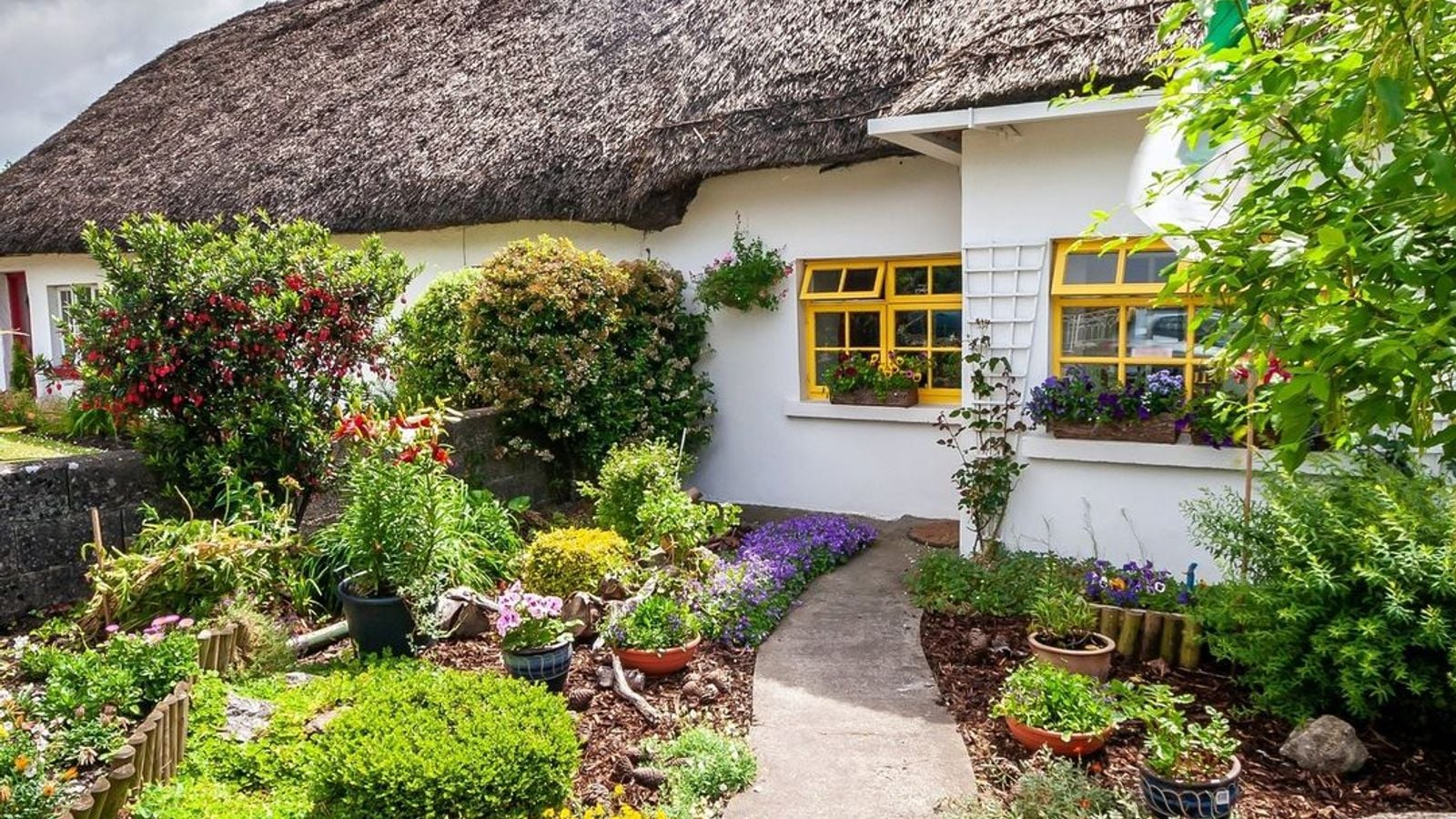
We’ve put together our definitive ranking of Ireland’s ten most beautiful villages. We suspect you’ll agree with some, shake your head at others, and be absolutely convinced we’ve left out the obvious winner. That’s the whole point. Tell us your number one in the comments — we genuinely want to know.
10. Ennistymon, County Clare
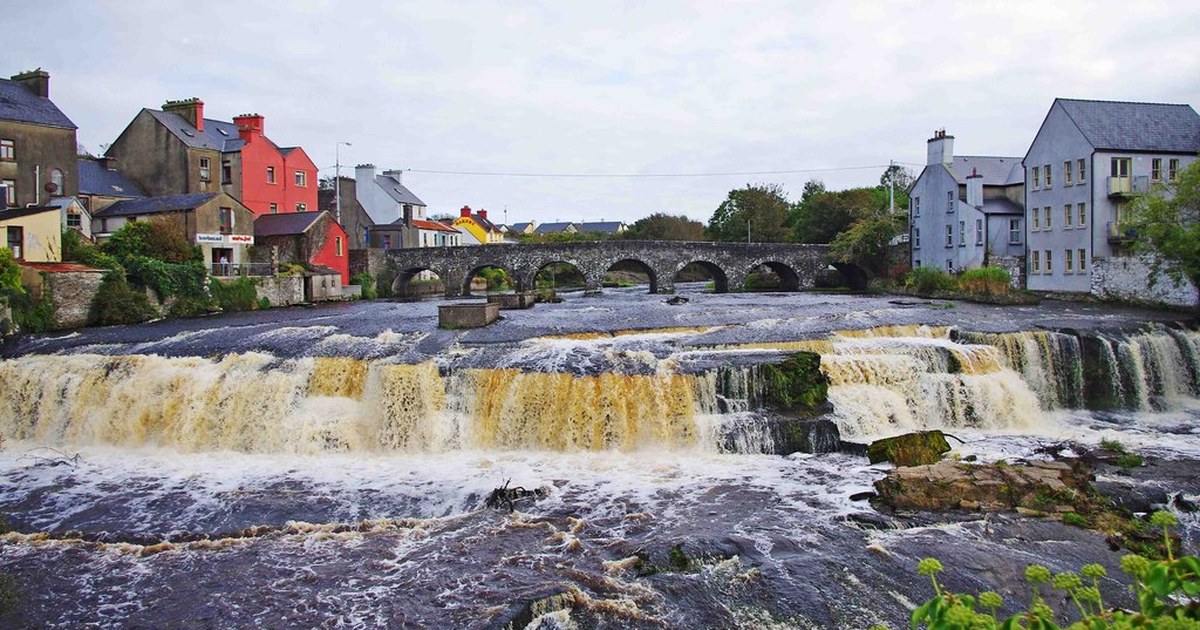
Ennistymon is the kind of village that doesn’t try too hard — and that’s exactly why it’s so lovely. Its main street is a row of traditional shop fronts painted in deep greens, reds, and blues, tumbling down towards the cascading falls of the River Inagh. On a rainy afternoon, with turf smoke drifting from the chimneys and the sound of live music from a pub doorway, it feels like Ireland at its most genuine. The village is just a few miles from the Burren and the Cliffs of Moher, yet it sees a fraction of the tourist traffic — which only adds to its charm. Official info: en.wikipedia.org/wiki/Ennistymon.
9. Carlingford, County Louth
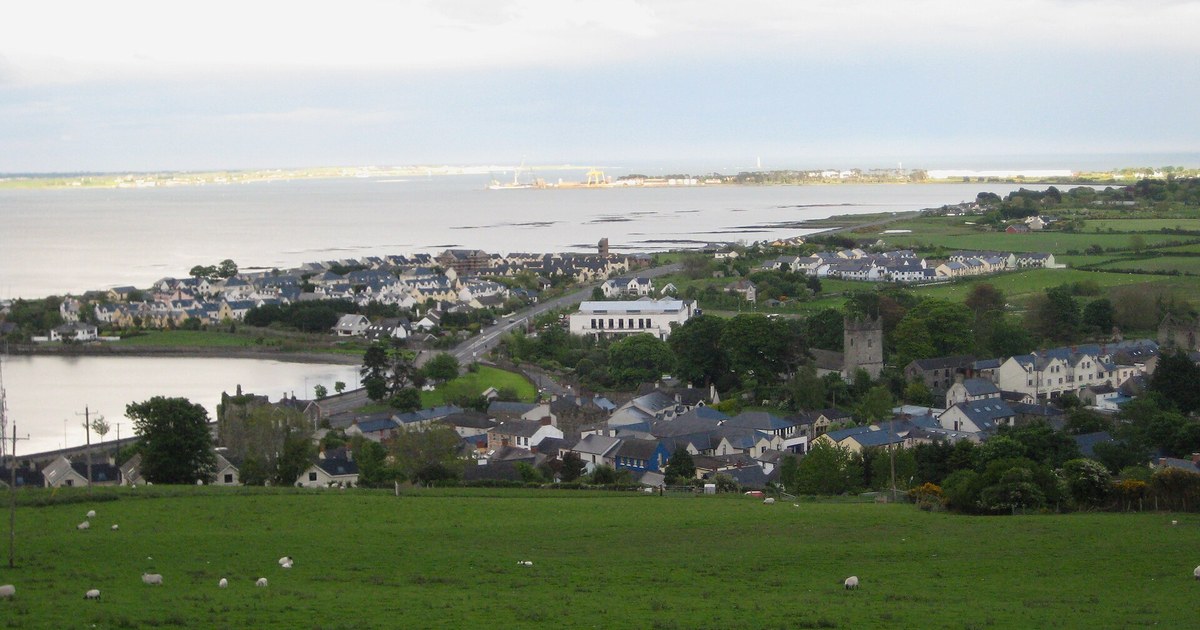
Tucked between Slieve Foy mountain and the glittering waters of Carlingford Lough, this medieval village in County Louth is one of Ireland’s best-kept secrets. The narrow stone streets wind past the ruins of a 12th-century castle, a Dominican friary, and buildings that have barely changed since the Middle Ages. Come here in late January for the Oyster Festival and you’ll find the whole village transformed into a celebration of the sea. The view across the lough to the Mourne Mountains is the kind that makes people reach for their cameras and then put them away, realising no photo will do it justice. Official info: en.wikipedia.org/wiki/Carlingford.
8. Cong, County Mayo
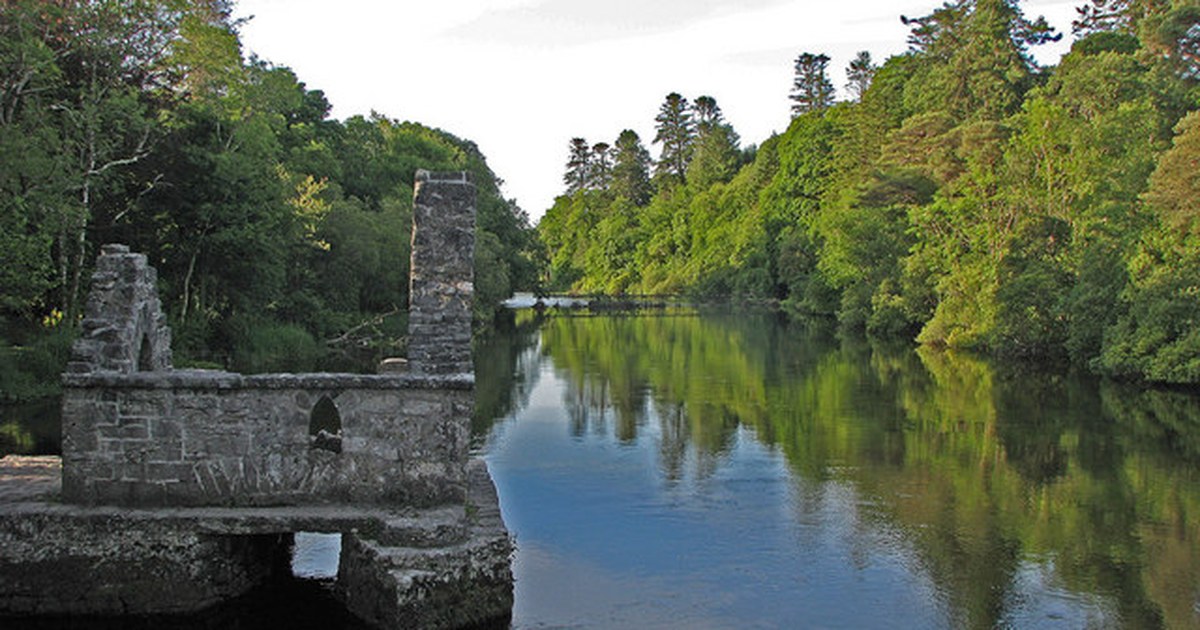
Film buffs will know Cong as the village where John Ford shot The Quiet Man in 1952, and the spirit of that gentle, meandering film still drifts through the lanes. But Cong was extraordinary long before Hollywood arrived. It sits on a narrow strip of land between Lough Corrib and Lough Mask, surrounded by the ruins of a 12th-century abbey and the gothic grandeur of Ashford Castle on its doorstep. The village is tiny — barely a few hundred people — but it carries a weight of history and romance that towns ten times its size can’t match. Official info: en.wikipedia.org/wiki/Cong.
7. Dingle, County Kerry
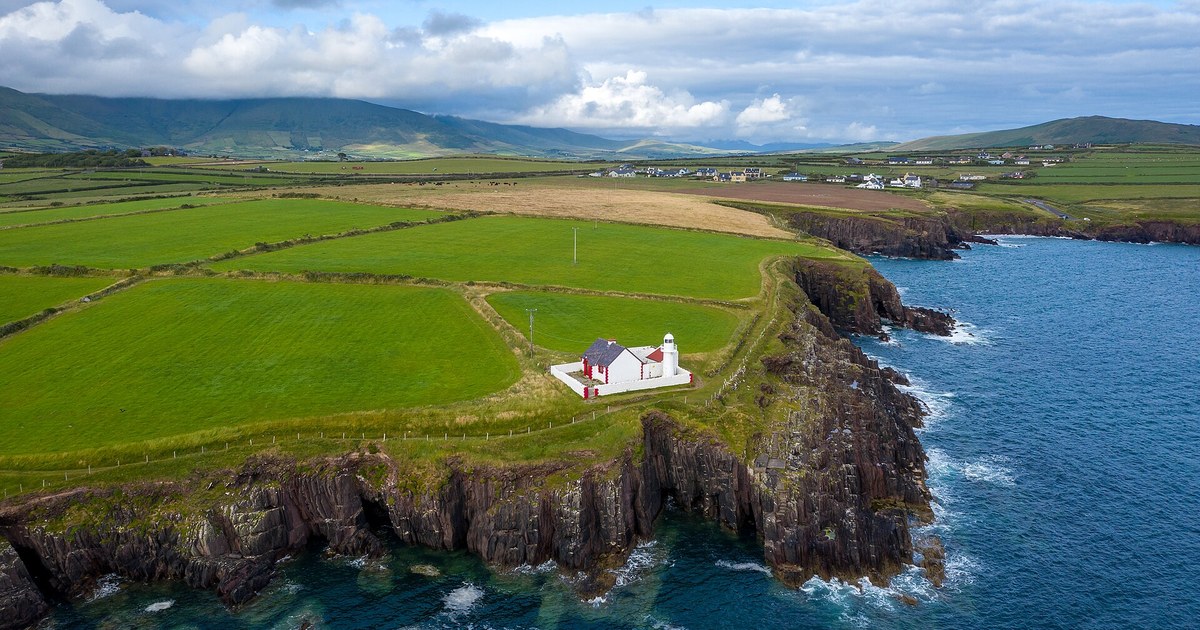
Some might argue that Dingle is too well-known to be on a “hidden gems” list — but its beauty is simply impossible to leave off any ranking. The brightly painted pubs and shops along Strand Street, the boats bobbing in the harbour, the mountains rolling down to the sea: Dingle is a postcard that happens to be real. What keeps it on this list despite the summer crowds is the way the town comes alive with music every single night, and the knowledge that one of Ireland’s most beloved dolphins — the legendary Fungie — called this bay home for over forty years. Dingle doesn’t just look beautiful. It sounds beautiful. Official info: en.wikipedia.org/wiki/Dingle.
6. Westport, County Mayo
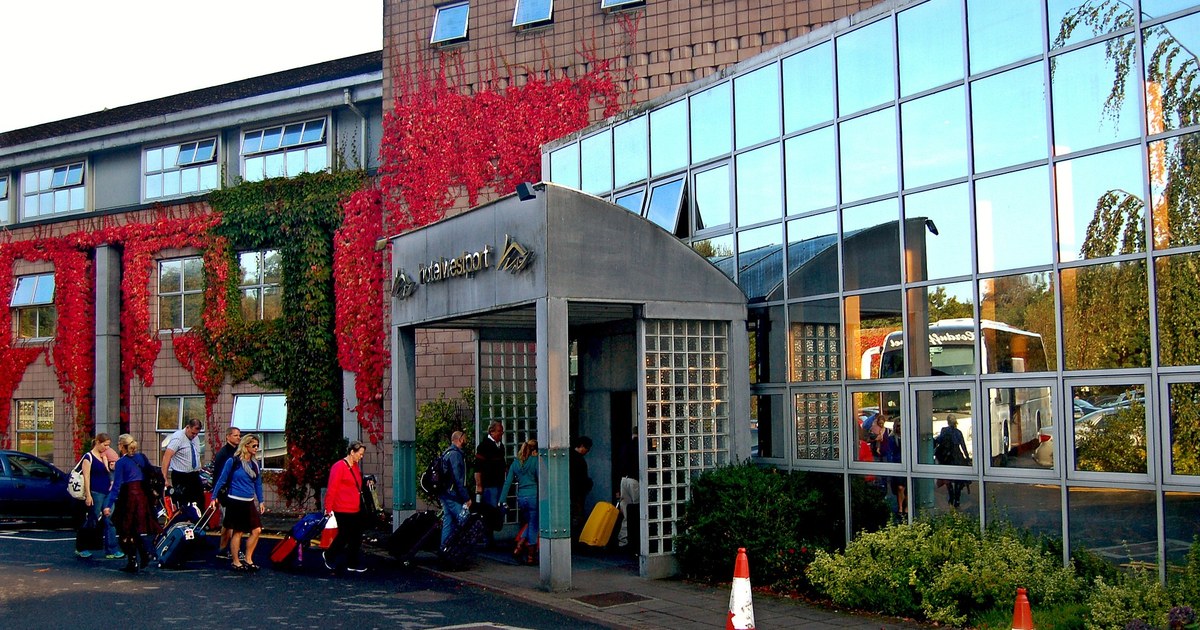
There aren’t many villages in Ireland that were deliberately designed to be beautiful, but Westport is one of them — laid out in the 18th century by architect James Wyatt, with a tree-lined mall running alongside the Carrowbeg River at its heart. The Georgian architecture gives it an elegance unusual for a small Irish town, while the backdrop of Croagh Patrick looming to the west keeps it firmly rooted in the wild west of Ireland. The Thursday and Friday farmers’ markets, the brilliant traditional music scene, and the cycling and walking trails out into the countryside make Westport far more than just a pretty face. Official info: en.wikipedia.org/wiki/Westport.
5. Cobh, County Cork
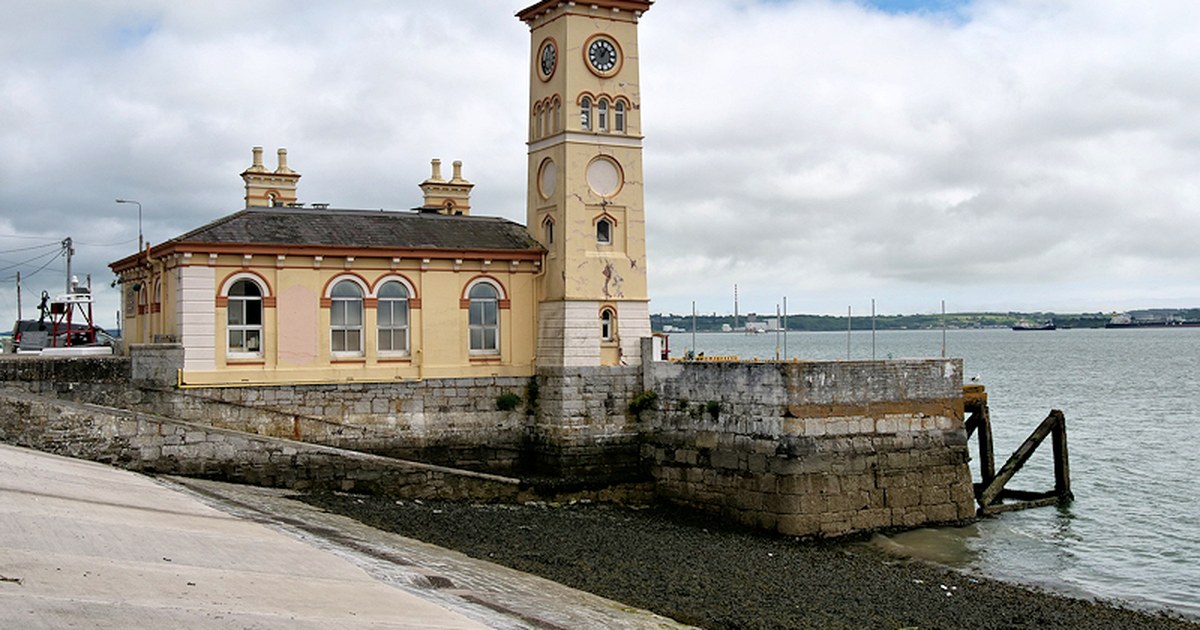
Few places in Ireland carry more emotional weight than Cobh (pronounced “Cove”). This is where 2.5 million emigrants departed for America during and after the Famine — the last sight of Ireland that so many would ever see. Today, the colourful terraced houses climbing the hillside behind the harbour create one of the most photographed streetscapes in the country. St Colman’s Cathedral crowns the hill like a crown, its bells rolling out across the water on still mornings. Cobh is joyful and melancholy at once — a place where the beauty and the sorrow of Irish history sit side by side. Official info: en.wikipedia.org/wiki/Cobh.
4. Kenmare, County Kerry
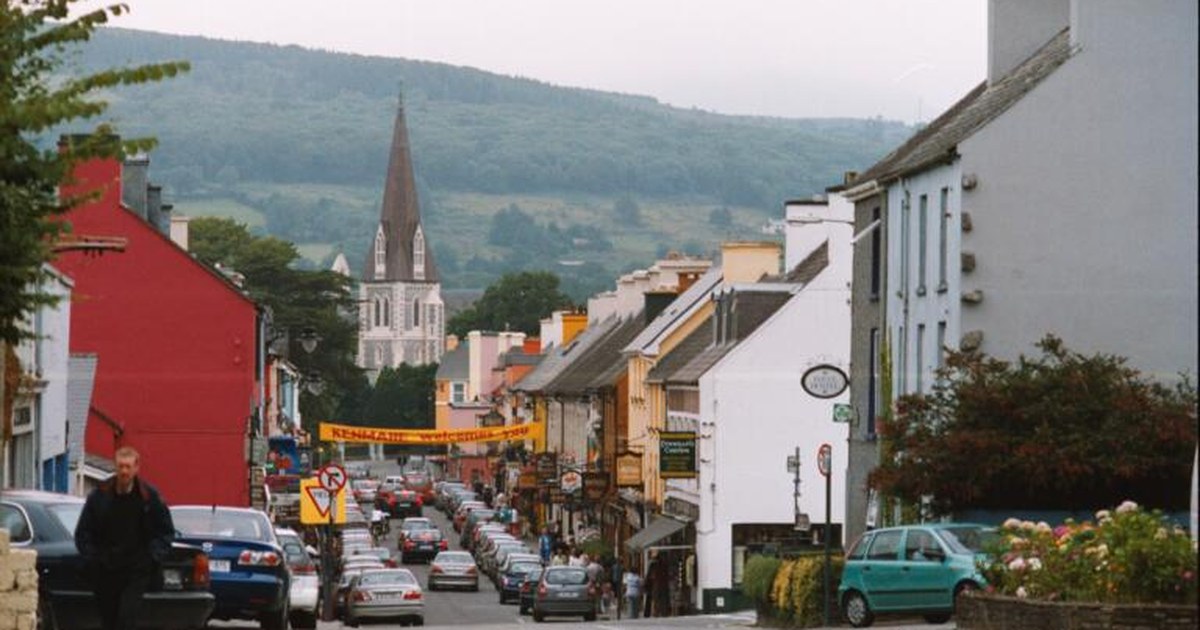
If Adare is Ireland’s most famous pretty village, Kenmare is perhaps its most effortlessly elegant. Set where the Roughty River meets the head of Kenmare Bay, it was founded in 1670 and has maintained a gracious, unhurried quality ever since. The town triangle — three streets meeting at a small park — is lined with independent restaurants and shops that are among the best in Munster. In spring, the cherry blossoms along Henry Street are extraordinary. But what sets Kenmare apart is the Ring of Beara on its doorstep: arguably the most dramatic coastal scenery in all of Ireland, and dramatically less crowded than the more famous Ring of Kerry next door. Official info: en.wikipedia.org/wiki/Kenmare.
3. Kinsale, County Cork
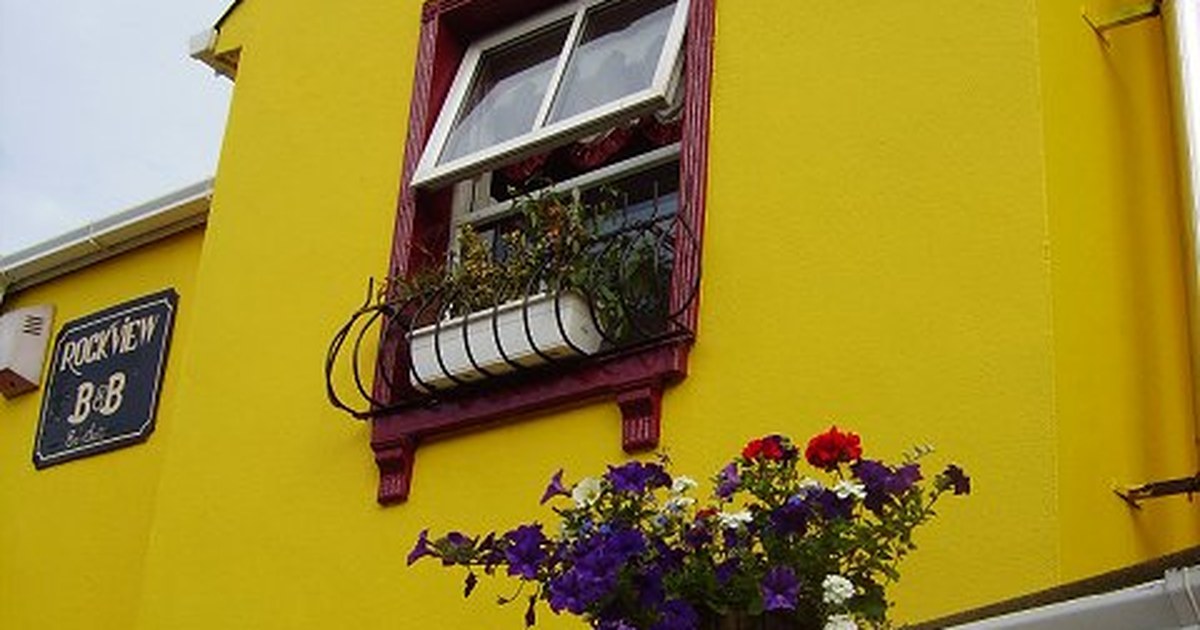
Kinsale is the kind of place that makes people miss their trains home. The narrow, winding streets of this historic harbour town in County Cork are lined with window boxes spilling over with flowers, and the waterfront is a constant parade of yachts, fishing boats, and excursion vessels. The town has been Ireland’s gourmet capital for decades, with a concentration of outstanding restaurants that would be impressive in a city, let alone a village of 5,000 people. The medieval town walls, the star-shaped Charles Fort, and the memory of the decisive Battle of Kinsale in 1601 give it a history to match its beauty. Stand on the harbour wall at sunset with a glass of something local and try to imagine anywhere more perfect. We’ll wait.
The colourful painted facades of Kinsale are a joy in themselves — for the story behind Ireland’s tradition of brightly coloured street fronts, you’ll find it’s deeper than you might expect. Official info: en.wikipedia.org/wiki/Kinsale.
2. Adare, County Limerick
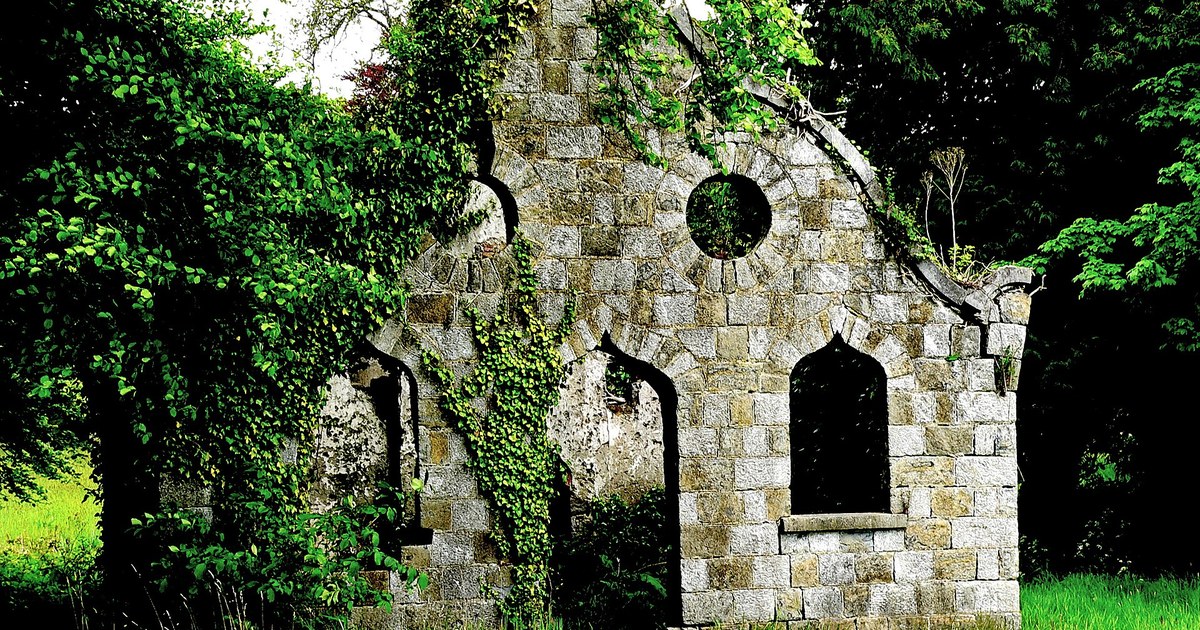
Ask most people to picture the most beautiful village in Ireland and they’ll picture Adare — even if they don’t know that’s what they’re imagining. The thatched cottages along the main street, the manicured gardens, the medieval priory ruins in the grounds of Adare Manor: it’s almost embarrassingly picturesque. Adare was largely developed by the Earls of Dunraven in the 19th century, who planted the gardens, restored the abbeys, and — most famously — built the thatched-roof cottages that line the village street in a way that looks impossibly quaint to modern eyes.
Those thatched roofs are more than decoration — they’re a vanishing craft with centuries of history behind them. The dying art of thatching is one of the most fascinating stories in Irish heritage, and Adare is where you can still see it in its full glory. For more on the county that surrounds it, our guide to County Limerick covers everything from the Treaty City to the village itself.
Is Adare a little manicured, a little self-consciously charming? Perhaps. But there’s a reason it tops so many lists, and when you’re standing in front of those cottages on a crisp morning in autumn, with mist rising from the River Maigue, it’s very hard to argue with the result. Official info: en.wikipedia.org/wiki/Adare.
1. Inistioge, County Kilkenny
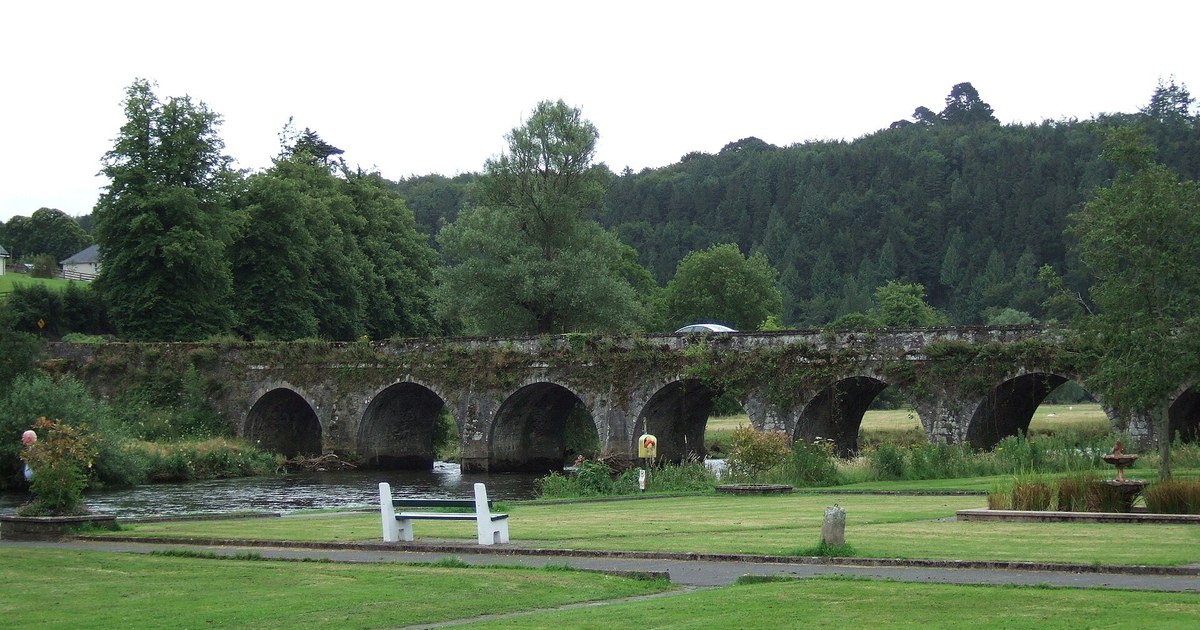
And here’s where we make our case for the village that deserves more recognition than it gets. Inistioge (say it: “inish-teeg”) sits in the wooded Nore Valley in County Kilkenny, and it is, quite simply, the most beautiful village in Ireland — all the more so because most people have never heard of it. A 10-arched stone bridge crosses the River Nore, a tree-lined square stands at the village centre, and the surrounding hills are covered in ancient woodland that blazes with colour every autumn. Film directors have used it as a backdrop (most famously for Circle of Friends in 1995) but it has stubbornly refused to become a tourist trap.
The walk along the riverbank in the evening, the sound of the weir, the way the light falls through the trees onto the old bridge — Inistioge is Ireland at its most quietly, achingly beautiful. It asks nothing of you except that you slow down and pay attention. That’s why it’s number one. Official info: en.wikipedia.org/wiki/Inistioge.
Do You Agree?
We know — you’ve already got your objections ready. Where’s Roundstone? What about Ballyvaughan? How did Glencolmcille not make the list? And before you even start: yes, we know someone’s going to defend their own home village with a passion that could power a small county.
That’s exactly what we want. Drop your number one in the comments below. Tell us which village you think we’ve criminally overlooked and why. The debate is the whole point — and we’ll be reading every single response.
And if this list has given you ideas for your next trip around Ireland, you’ll want to be the first to know when we publish our upcoming guide to Ireland’s most scenic drives. Subscribe to the Love Ireland newsletter and we’ll bring the best of Ireland to your inbox every week.
Thinking about it seriously?
If you’ve started actually planning a move, our complete the full Move to Ireland guide walks through every step, every cost, and the paperwork that catches most people out.
Tours & experiences you might love


Powered by Viator. Some links are affiliate links — we may earn a small commission at no extra cost to you.
Secure Your Dream Irish Experience Before It’s Gone!
Planning a trip to Ireland? Don’t let sold-out tours or packed attractions spoil your journey. Iconic experiences like visiting the Cliffs of Moher, exploring the Rock of Cashel, or enjoying a guided walk through Ireland’s ancient past often sell out quickly—especially during peak travel seasons.

Booking in advance guarantees your place and ensures you can fully immerse yourself in the rich culture and breathtaking scenery without stress or disappointment. You’ll also free up time to explore Ireland’s hidden gems and savour those authentic moments that make your trip truly special.
Make the most of your journey—start planning today and secure those must-do experiences before they’re gone!
Subscribe Free