

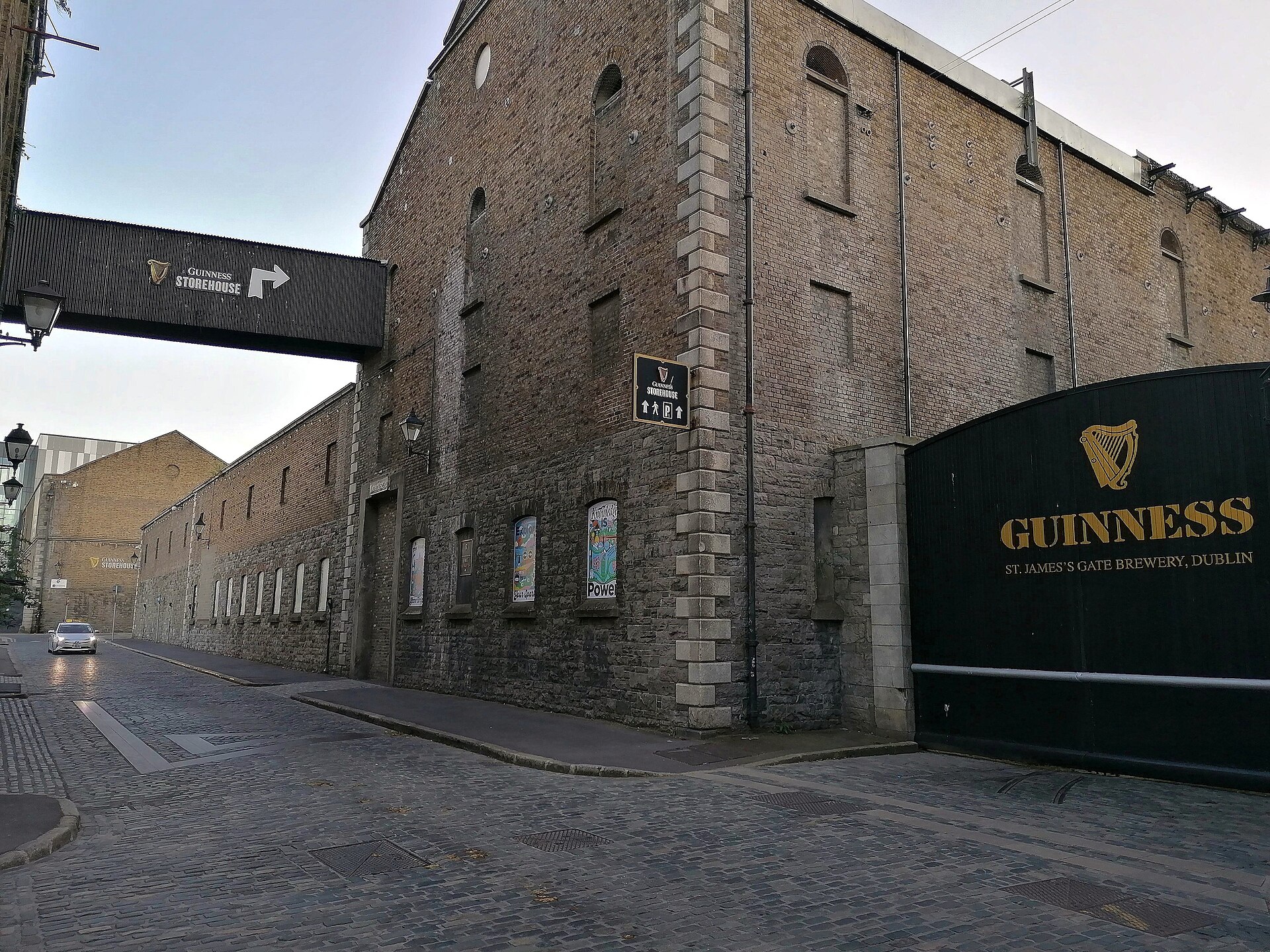
On 31 December 1759, a 34-year-old brewer named Arthur Guinness signed a lease on a run-down brewery at St James’s Gate in Dublin. The term was 9,000 years. The rent was £45 a year. It is the most famous property deal in Irish business history, and the Guinness 9,000-year lease is the reason one of the world’s best-known beers is still made on the same site today.
Try the Guinness Timer ⏱️
A perfect pour takes 119.5 seconds — the rest, two minutes, gives the stout time to settle. Time your own pint and see if you wait long enough.
What the 1759 Lease Actually Said
The basic terms are well documented. The lease ran for 9,000 years at a fixed rent of £45 a year, covering a site of about four acres. According to several accounts, Arthur also paid £100 up front, though sources differ on the exact figure and what it was for. The property was not a blank plot: it came with brewing equipment and buildings, and is usually described as including a copper, a mill, two malthouses and stabling for a dozen horses.
Brewing had been going on there for a long time. Records from the 1690s show the Rainsford family making beer and ale at St James’s Gate, and by 1759 the brewery was idle and in poor repair. Arthur was already brewing at Leixlip, County Kildare, funded in part by a £100 bequest from the Archbishop who had employed his father. Dublin gave him a bigger site, a ready-made brewery and, crucially, a supply of water.
Why 9,000 Years?
Nobody can say for certain. You will read that the term was a legal convention of the day, or a way of getting around rent increases, but we could not find a reliable source for either explanation. What the lease did do was remove any realistic chance of Arthur, his sons or his grandsons being forced out. For all practical purposes it was permanent, and Guinness could invest in the site with complete security.
It also fixed the rent. A payment of £45 a year that never changed looked ordinary in 1759 and looked absurdly small within a couple of generations. By 1838 Guinness had become the largest brewery in Ireland, and by 1886 the largest in the world.
What Happened to the Lease?
The brewery grew far beyond its original four acres, and Guinness eventually bought the land outright. The company’s own FAQ says the 1759 lease is no longer valid because it purchased the lands “many years ago”. We could not find a published date or price for the buyout, so treat any specific year you see quoted with caution. One detail is also disputed: Guinness says Arthur was 34 when he signed, while some records give his birth year as 1724, which would make him 35.
See the Lease for Yourself
A copy of the lease is set into the floor of the atrium at the Guinness Storehouse, which stands on the St James’s Gate site. Our guide to whether the Guinness Storehouse is worth it covers what the visit involves, and you can pair it with the story of Dublin’s pub tradition for a wider look at how the city drinks. Check the Storehouse website for current opening hours and ticket prices before you go, as they change with the season and demand.
Enjoy stories like this? Subscribe to our free Ireland newsletter for one good Irish story a week.
☘️ Join 64,000+ Ireland Lovers
Every weekday morning, get Ireland’s hidden gems, local secrets, and travel inspiration — the kind you won’t find in any guidebook.
Subscribe free — enter your email:
Already subscribed? Download your free Ireland guide (PDF)
📲 Know someone who’d love this? Share on WhatsApp →
Love more? Join 43,000 Scotland lovers → · Join 29,000 Italy lovers → · Join 7,000 France lovers →
Free forever · Unsubscribe anytime
Tours & experiences you might love


Powered by Viator. Some links are affiliate links — we may earn a small commission at no extra cost to you.
Secure Your Dream Irish Experience Before It’s Gone!
Planning a trip to Ireland? Don’t let sold-out tours or packed attractions spoil your journey. Iconic experiences like visiting the Cliffs of Moher, exploring the Rock of Cashel, or enjoying a guided walk through Ireland’s ancient past often sell out quickly—especially during peak travel seasons.

Booking in advance guarantees your place and ensures you can fully immerse yourself in the rich culture and breathtaking scenery without stress or disappointment. You’ll also free up time to explore Ireland’s hidden gems and savour those authentic moments that make your trip truly special.
Make the most of your journey—start planning today and secure those must-do experiences before they’re gone!