

Before the sun was fully up, a farmer in County Clare was already moving cattle along the road. He wasn’t going far. He was going to town. It was Fair Day.
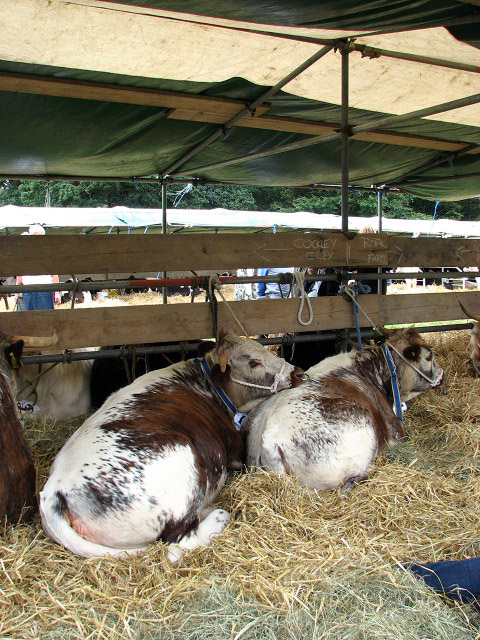
Fair Day happened once or twice a month in nearly every Irish market town from the 18th century well into the 20th. It wasn’t a festival. It wasn’t planned as a celebration. But it became both, every single time.
The Heartbeat of Rural Ireland
Farmers walked miles before dawn with their cattle, pigs, horses, and sheep. The main street of every town filled up long before the shops opened. Buyers arrived from surrounding parishes. The air smelled of animals and damp wool and turf smoke from the early houses.
This was the economic engine of rural Ireland. A farmer might sell a heifer to pay the November rent. Another might buy a young bull to improve his herd for the next decade. A third might simply stand and watch, gathering intelligence about prices before making his move.
Every class of person was present. The small farmer from the mountain. The grazier from the good land. The jobber who bought cheap and sold dear at the next fair. The draper, the solicitor, the hardware merchant — all of them with their doors open wide.
The Art of the Deal
No Fair Day deal was done quickly. That was the point. A seller would set his price and refuse to be rushed. A buyer would circle the animal, bend to check its legs, remark on some flaw only he could see.
They might stand together for an hour. Walk away. Come back. Then the tangier would appear.
The tangier was Ireland’s unofficial deal broker — not an auctioneer, not a solicitor. Just a man trusted by both sides who could move a negotiation forward when it had stalled. He’d slap his hand between buyer and seller, declare an agreed price, and step back. No contract was signed. A handshake was everything.
The Luck Penny
Once the deal was done, the seller gave back a small coin. The luck penny. It wasn’t optional and it wasn’t negotiable — it was understood on both sides as essential to a decent transaction. To keep every penny was to risk bad luck on the deal. To give one back was to seal it with something more than money.
You can read more about this quietly powerful tradition in the story of the one coin Irish sellers always returned.
☘️ Enjoying this? 64,000+ Ireland lovers get stories like this every week.
Thinking about it seriously?
If you’ve started actually planning a move, our complete the full Move to Ireland guide walks through every step, every cost, and the paperwork that catches most people out.
Subscribe free →
The Pub at Six in the Morning
Pubs opened early on Fair Day mornings under the existing licensing laws. Men who had walked since before dawn sat over a pint and a bowl of stew. Deals were replayed. Prices were compared. News from the next parish spread across the bar.
This wasn’t just drinking. It was information exchange, social maintenance, and rest — all at once. The Fair Day pub was where you found out about the land sale, the family moving to England, the new arrangement that everyone needed to know about. It was where matchmaking was quietly arranged and where disputes were sometimes just as quietly resolved.
If you’re planning a trip to Ireland and want to experience the culture behind the country’s market towns, our Ireland travel planning guide is a good place to start.
The Sounds and Smells of the Street
You didn’t need to see the main street to know Fair Day had come. You could hear it from the edge of town.
The lowing of cattle, the squeal of pigs, the calls of the auctioneer. A tinsmith on the pavement. A woman with eggs wrapped in straw. A man selling patent medicines from the back of a cart. Children weaving between the legs of animals twice their height.
Every shopkeeper swept their doorstep and brought stock to the front. The whole town was a bazaar. And by late afternoon, when most of the animals had changed hands and most of the deals were done, the light had a particular quality — the low Irish sun cutting across a street still scattered with straw and slow-moving farmers in no hurry home.
Fair Days Today
Livestock marts still operate in Irish market towns, but they’re enclosed now — functional, efficient, predictable. The chaotic street fair that once consumed an entire town is largely gone.
One tradition survives at scale. The Ballinasloe October Fair in County Galway is the oldest and largest horse fair in Europe, drawing buyers from across the continent every autumn. It still carries something of the original Fair Day energy — the crowds, the deal-making, the sense of a town that has prepared itself for something bigger than ordinary days.
For the rest of Ireland, Fair Day lives on in memory. In old photographs of main streets filled with cattle. In the stories of men who walked fifteen miles before breakfast. In the way certain Irish market towns still seem to wake up a little differently on mart day — as if they remember what they used to be.
To stand in an Irish market town on any ordinary morning is to stand in a place that once, once a month, became extraordinary. The trade has moved indoors. The tangier is gone. But the tradition of gathering — of turning up, dealing fairly, and staying longer than you planned — that part of Fair Day never really left.
Love more? Join 43,000 Scotland lovers → · Join 30,000 Italy lovers → · Join 7,000 France lovers →
Free forever · · Unsubscribe anytime
Tours & experiences you might love


Powered by Viator. Some links are affiliate links — we may earn a small commission at no extra cost to you.
Secure Your Dream Irish Experience Before It’s Gone!
Planning a trip to Ireland? Don’t let sold-out tours or packed attractions spoil your journey. Iconic experiences like visiting the Cliffs of Moher, exploring the Rock of Cashel, or enjoying a guided walk through Ireland’s ancient past often sell out quickly—especially during peak travel seasons.

Booking in advance guarantees your place and ensures you can fully immerse yourself in the rich culture and breathtaking scenery without stress or disappointment. You’ll also free up time to explore Ireland’s hidden gems and savour those authentic moments that make your trip truly special.
Make the most of your journey—start planning today and secure those must-do experiences before they’re gone!
Subscribe Free