

When a deal was struck at an Irish country fair, the handshake wasn’t the end of it. The seller would reach into his pocket, pull out a coin — sometimes a sixpence, sometimes a few pennies — and press it back into the buyer’s hand.
That coin was called the luck penny. And without it, no deal was truly done.
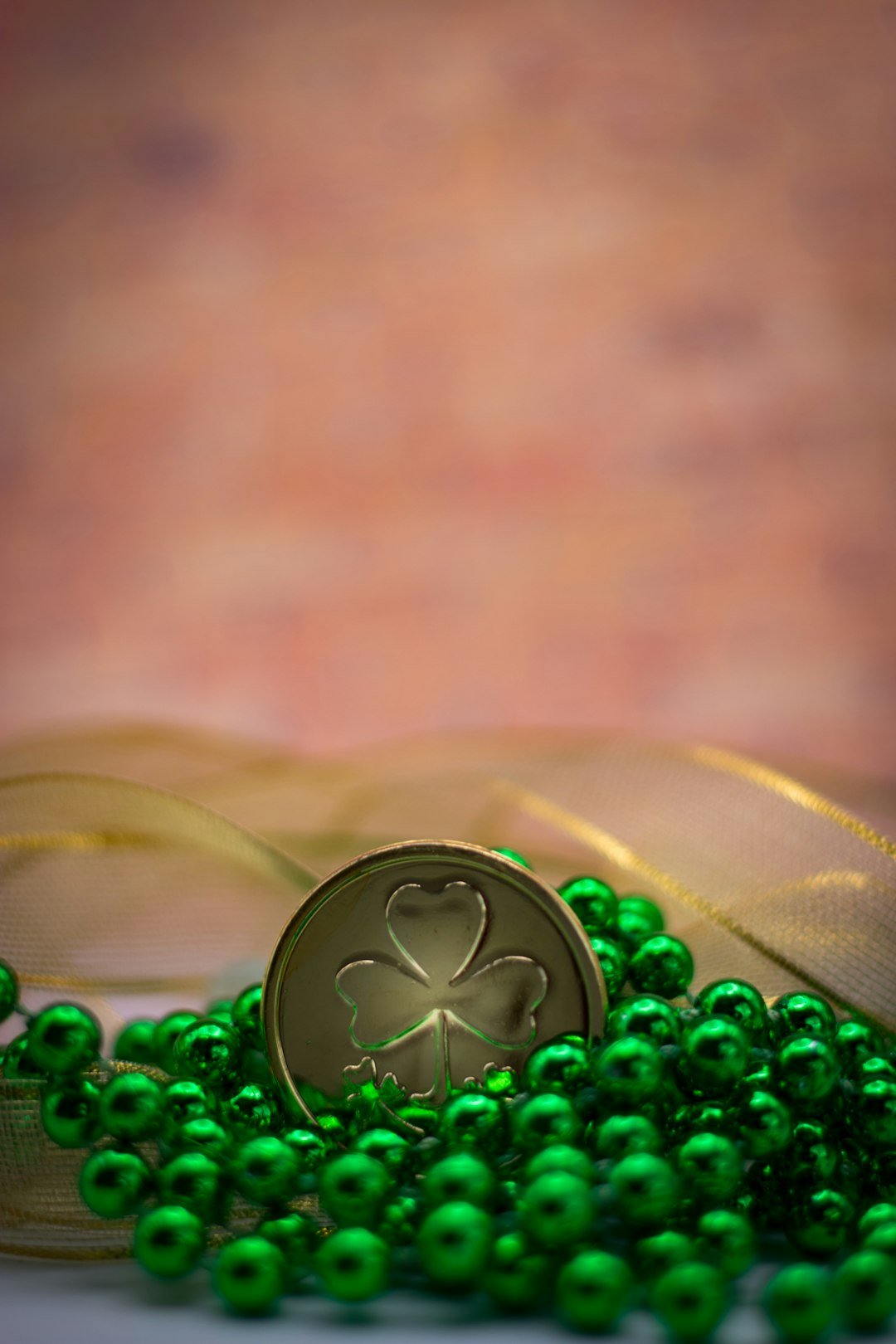
This wasn’t charity. It wasn’t negotiation. It was something else entirely — a ritual that made both buyer and seller feel the transaction had been witnessed by something bigger than themselves.
What the Luck Penny Was
The luck penny was a small sum of money returned by the seller to the buyer once a deal was closed. It appeared most often at livestock fairs — cattle, horses, sheep, and pigs — where large sums changed hands on the strength of a handshake and a man’s word.
The amount was never fixed. A few pence might be returned from a pound, or a shilling handed back on the sale of a horse worth ten. What mattered wasn’t the money. It was the gesture.
The luck penny worked as a kind of ritual blessing on the transaction. The seller was saying: I wish this animal luck in your care. I wish you luck with the purchase. May this deal go well for both of us.
Where It Came From
The custom is old enough that its precise origins are hard to trace. Similar traditions appear across Scotland and parts of northern England, but it was deeply embedded in Irish rural life — particularly in farming communities where a bad purchase could undo a family’s finances for years.
Irish fairs were social events as much as commercial ones. Towns like Ballinasloe in County Galway and Cahirmee in County Cork drew farmers from across wide regions. Men who might not see each other from one year to the next met to buy and sell, argue prices, and sit out of the rain in the dealer’s tent.
In that world, the luck penny wasn’t just superstition. It smoothed relationships. It said: even though we drove a hard bargain, we part on good terms.
The Role of the Jobber
At large Irish fairs, professional middlemen called jobbers — dealers who bought and sold livestock in volume — navigated dozens of transactions in a single day. The luck penny was as much a feature of their work as their walking sticks and worn hats.
A jobber who refused to give luck money would quickly develop a reputation. Word spread fast at fairs. Farmers talked. A man known to be tight with his luck penny might find it harder to close deals the following year.
The luck penny therefore did something clever: it made generosity a commercial advantage. Just as the horseshoe above an Irish door signalled openness to good fortune, giving luck money at a fair signalled a dealer’s character and reliability.
☘️ Enjoying this? 64,000+ Ireland lovers get stories like this every week. Subscribe free →
What Happened to the Coin
The buyer didn’t usually pocket the luck penny and forget about it. Older accounts suggest the coin was treated with some care.
Some farmers rubbed it on the animal they had just bought — a horse’s flank, a calf’s ear — to transfer the luck. Others kept it separate from their regular money, not to be spent casually. There are accounts of luck pennies carried to the next fair as a kind of talisman.
The coin was only potent if given freely. A seller forced to hand over luck money, or one who gave it grudgingly, was understood to have transferred nothing of value. The gesture had to be genuine to mean anything.
The Luck Penny in Living Memory
Older generations of Irish people remember the luck penny well into the 20th century. It appears in accounts of the Ballinasloe Horse Fair as recently as the 1970s and 1980s, where dealers would still press a coin back into a buyer’s hand at the close of a sale.
As livestock markets moved indoors and formal contracts replaced handshakes, many of the old customs faded. The luck penny belonged to a world of outdoor trading, seasonal gatherings, and personal reputation — a world where your word at a fair carried more weight than any document.
Some traces remain. In parts of Connacht and Munster, older farmers in private sales still expect a small sum back when buying from a neighbour. The phrase “luck money” is still understood, even where the practise has largely gone.
Why It Still Matters
The luck penny is a small thing. But it points to something real about how rural Ireland once understood commerce. Business wasn’t purely transactional. It happened between people who would see each other again — at the same fair, on the same road, in the same parish.
Much like the lone thorn tree left standing in an Irish field, the luck penny is a trace of a world that ran on different rules — where you gave a little extra, not because the law required it, but because you had to live alongside your neighbours.
The luck penny said: we’re both taking a chance here. I acknowledge that. Good luck to you.
If you’re planning a trip to Ireland, you’ll still find livestock fairs in several counties — none quite like the old ones, but enough to sense what they once were. And if an older farmer hands you back a coin at a country show, don’t assume he’s making change. He’s giving you luck.
☘️ You Might Also Love
Tours & experiences you might love


Powered by Viator. Some links are affiliate links — we may earn a small commission at no extra cost to you.
Secure Your Dream Irish Experience Before It’s Gone!
Planning a trip to Ireland? Don’t let sold-out tours or packed attractions spoil your journey. Iconic experiences like visiting the Cliffs of Moher, exploring the Rock of Cashel, or enjoying a guided walk through Ireland’s ancient past often sell out quickly—especially during peak travel seasons.

Booking in advance guarantees your place and ensures you can fully immerse yourself in the rich culture and breathtaking scenery without stress or disappointment. You’ll also free up time to explore Ireland’s hidden gems and savour those authentic moments that make your trip truly special.
Make the most of your journey—start planning today and secure those must-do experiences before they’re gone!