

In almost every county in Ireland, tucked into the corner of a field or rising from a hillside, you’ll find a circular mound that no farmer has touched in centuries. The machinery goes around it. The fence line bends to avoid it. And the reasons why have nothing to do with archaeology.
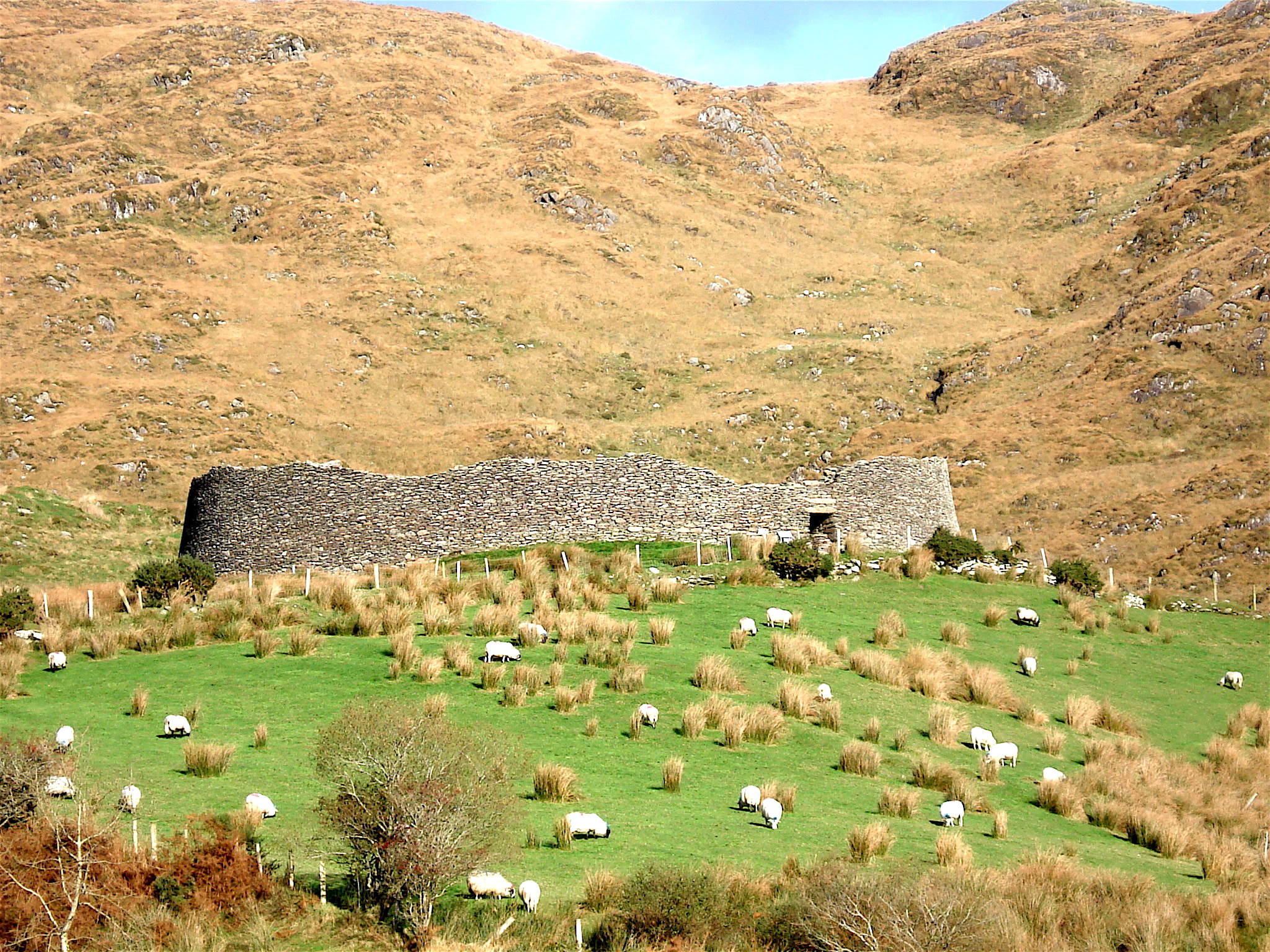
What Is a Fairy Fort?
The official term is a ring fort — a ráth or lios in Irish. These are circular earthen banks, sometimes with outer ditches, built as farmsteads and family enclosures roughly between 500 BC and 1000 AD.
Ireland has somewhere between 40,000 and 50,000 of them. No other country in northern Europe has anything close to this density of surviving prehistoric earthworks.
Most were just farms. Ordinary families built them, lived inside the protected space, and kept livestock in them. But over time, something else settled into them — or so the old stories say.
The World Beneath the Mound
In Irish tradition, ring forts became entrances to the otherworld. The Sídhe — the fairy folk, sometimes called the Aos Sí — were said to live beneath the mounds, in a parallel realm just beyond reach of the living.
These weren’t delicate, winged creatures from picture books. The Sídhe were powerful, unpredictable, and easily offended. They valued their peace above everything else.
Disturb their home and they’d make you pay. Livestock would sicken. Crops would fail. A person might waste away for no medical reason, or hear something in the night that left them changed.
What Happened When Someone Did Disturb One
The folklore is rich with cautionary tales. One of the most famous modern cases came in the 1990s, when a proposed road in County Clare was rerouted at the insistence of local people — and a prominent Irish folklorist — to avoid a lone hawthorn tree believed to be a fairy tree.
In county after county, similar stories circulate. A man who levelled a ring fort to extend his ploughing reportedly suffered machinery failures, illness, and financial misfortune within a short few years. His neighbours connected the two things without hesitation.
These accounts aren’t from medieval manuscripts. They pass between neighbours over a cup of tea today. You can read about cursing stones and other protective beliefs in the ancient cursing stones that locals still refuse to touch — a belief system that runs alongside the fairy fort tradition.
☘️ Enjoying this? 64,000+ Ireland lovers get stories like this every week. Subscribe free →
Why Superstition Saved What Archaeology Couldn’t
Here is the twist: the fear of disturbing fairy forts is the single biggest reason so many have survived intact into the modern age.
While England, Scotland, and Wales lost most of their prehistoric earthworks to ploughing and development, Irish farmers left theirs alone. Out of caution. Out of respect. Out of the quiet voice that said it wasn’t worth the risk.
Archaeologists have benefited enormously from this reluctance. Many ring forts remain completely unexcavated — which means they hold intact deposits, post-holes, ancient artefacts, and sometimes human remains still in their original positions. If you want to understand how Iron Age people lived on the Atlantic fringe of Europe, Ireland is the archive. And the archive survived because people believed in fairies.
Visiting a Fairy Fort Today
Many fairy forts are now protected as national monuments, and a number are accessible on foot with local knowledge. Some of the most impressive ring fort sites in the country include Grianán of Aileach in Donegal, the Staigue Fort in Kerry, and the striking stone forts of the Aran Islands.
Walk the perimeter of one. Notice the flatness inside where a family once cooked their meals and sheltered from the rain. Look at how the outer bank would have given privacy and a small measure of security in uncertain times.
Then think about every farmer who chose to plough around it rather than through it, every generation that passed the warning down, every person who decided the mound in the corner of the field just wasn’t worth the trouble. If you’re planning a visit and want to find these sites yourself, the Ireland trip planning guide will help you map out a route.
The fairy forts of Ireland survived not because people understood their history, but because they respected something older than history. That combination — of Iron Age farming and ancient faith and living superstition all braided together — is part of what makes Ireland unlike anywhere else on earth. The mounds are still there. The belief is still there, quietly, in the bend of every field boundary that bows out to avoid them.
☘️ You Might Also Love
☘️ Join 64,000+ Ireland Lovers
Every Friday, get Ireland’s hidden gems, local secrets, and travel inspiration — the kind you won’t find in any guidebook.
Free forever · · Unsubscribe anytime
Tours & experiences you might love


Powered by Viator. Some links are affiliate links — we may earn a small commission at no extra cost to you.
Secure Your Dream Irish Experience Before It’s Gone!
Planning a trip to Ireland? Don’t let sold-out tours or packed attractions spoil your journey. Iconic experiences like visiting the Cliffs of Moher, exploring the Rock of Cashel, or enjoying a guided walk through Ireland’s ancient past often sell out quickly—especially during peak travel seasons.

Booking in advance guarantees your place and ensures you can fully immerse yourself in the rich culture and breathtaking scenery without stress or disappointment. You’ll also free up time to explore Ireland’s hidden gems and savour those authentic moments that make your trip truly special.
Make the most of your journey—start planning today and secure those must-do experiences before they’re gone!