

Someone knocks at the door. Your neighbour answers it, and there you are — standing on the step, plain as day. The problem is: you never left your house. You are sitting by your fire, miles away. And in Irish folklore, that means something terrible is coming.
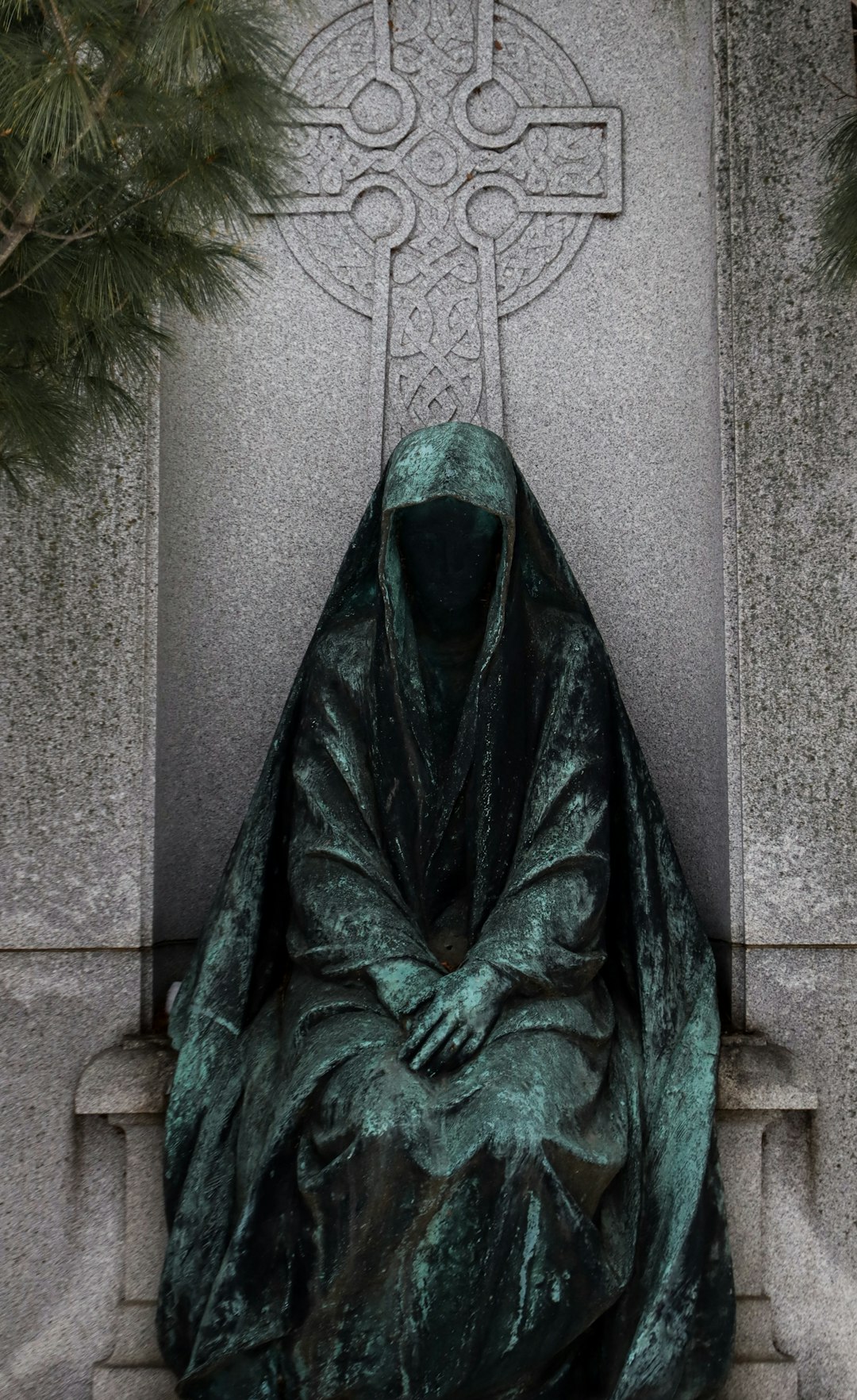
What Is the Fetch?
The fetch is one of the strangest and most unsettling figures in Irish folk belief. It is a perfect double of a living person — an apparition that looks, moves, and behaves exactly like them.
Not a ghost of the dead, but a spirit wearing the face of the living.
Unlike the banshee, the fetch does not wail. It does not announce itself. It simply appears — at a window, on a road, crossing a field — and then vanishes. Those who see it are left with a quiet, dreadful certainty.
Someone is going to die.
The Rules of the Fetch
Irish tradition was specific about how the fetch worked. If someone saw another person’s fetch, that person would be dead within the week. There was no reversing it, no bargaining, no way to undo the warning.
But the most feared version was different: seeing your own fetch.
The time of day mattered enormously. If you saw your own double in the morning, the belief was clear — you would be dead before nightfall. If you saw it in the evening, you might have months or even a year remaining.
Either way, the fetch was not mistaken. It did not appear without reason.
How the Fetch Differed from Other Irish Death Omens
Ireland has no shortage of death omens. The banshee wails outside the house of certain ancient families. The dullahan drives his headless coach through the dark. Crows gather at windows without invitation.
But the fetch was different because it carried no supernatural quality at all — or at least, none you could see. It looked entirely human. It wore ordinary clothes. It walked at an ordinary pace.
That was precisely what made it so disturbing.
It was not an otherworldly monster. It was you.
Where the Belief Came From
The fetch belongs to a family of beliefs found across the Celtic world. In Scotland, a similar figure is called the wraith. In German tradition, it becomes the Doppelgänger. But the Irish version carries its own specific weight.
It comes from a worldview in which the soul was understood to be partly separate from the body — capable of wandering, or being called away, before death actually arrived. The fetch was the soul beginning to detach.
Fairy forts and thin places marked where the Otherworld pressed close to this one. The fetch was the reverse: the moment when this world began to press close to the Otherworld.
☘️ Enjoying this? 64,000+ Ireland lovers get stories like this every week. Subscribe free →
The Stories That Survived
W. B. Yeats collected accounts of the fetch in his writings on Irish folklore. So did Lady Gregory. Both found the belief alive and specific in rural communities — not vague superstition, but detailed personal testimony.
One account described a man who saw what he believed was his neighbour walking towards him across a field. He called out. The figure turned away without a word. When he reached the village, he was told his neighbour had died that same morning.
These stories survived because the people who told them believed them completely. They were not told as entertainment. They were told as fact, with specific names, specific roads, specific hours of the day.
That precision is part of what makes Irish folk belief so striking. It was never abstract. It was always about someone you knew.
The Fetch in Irish Culture Today
The word “fetch” is still used in parts of rural Ireland, though the belief is less common now. It surfaces in literature — Oscar Wilde explored a version of the concept in The Picture of Dorian Grey. Bram Stoker, another Irishman, wove similar ideas through his work.
There is something in the Irish imagination that has always been drawn to the idea that reality is thinner than it looks — that just beyond the ordinary moment, something else is watching.
Ireland is a good place to feel that. Stand at the edge of a bog at dusk on your next visit to Ireland, or walk a road in Connemara when the light begins to fail, and you start to understand why these beliefs took root here and never quite let go.
If you ever visit Ireland and someone mistakes you for a local — certain they have seen you somewhere before, even though they could not possibly have — maybe they are just confused.
Or maybe they saw something you did not.
☘️ You Might Also Love
☘️ Join 64,000+ Ireland Lovers
Every Friday, get Ireland’s hidden gems, local secrets, and travel inspiration — the kind you won’t find in any guidebook.
Frequently Asked Questions
What is the historical significance of Irish Spirit That Appears Wearing Your Face?
This is one of Ireland’s fascinating historical and cultural stories — a reminder of the depth of Irish heritage that extends far beyond the better-known landmarks. These hidden histories are what make exploring Ireland so rewarding for curious visitors.
Where in Ireland can you learn more about this history?
Ireland’s network of local museums, heritage centres, and county archives hold remarkable collections of local history. The National Museum of Ireland (nationalmuseum.ie) and the National Library of Ireland also maintain extensive records of Irish cultural heritage.
Is this part of Irish culture still visible today?
Many aspects of Ireland’s ancient and folk culture are still visible if you know where to look. Local guides, heritage walks, and community festivals often reveal these hidden layers of Irish life that most tourists never see.
How does this story connect to modern Irish identity?
Irish people have a strong sense of connection to their heritage, and stories like this one are part of the cultural fabric that shapes modern Irish identity. The Irish language, traditional music, and folk customs all carry echoes of this long history.
Free forever · · Unsubscribe anytime
Tours & experiences you might love


Powered by Viator. Some links are affiliate links — we may earn a small commission at no extra cost to you.
Secure Your Dream Irish Experience Before It’s Gone!
Planning a trip to Ireland? Don’t let sold-out tours or packed attractions spoil your journey. Iconic experiences like visiting the Cliffs of Moher, exploring the Rock of Cashel, or enjoying a guided walk through Ireland’s ancient past often sell out quickly—especially during peak travel seasons.

Booking in advance guarantees your place and ensures you can fully immerse yourself in the rich culture and breathtaking scenery without stress or disappointment. You’ll also free up time to explore Ireland’s hidden gems and savour those authentic moments that make your trip truly special.
Make the most of your journey—start planning today and secure those must-do experiences before they’re gone!
Subscribe Free