

Picture a group of children crouching in a ditch, a tattered book passed between them. Their teacher whispers Latin conjugations while someone keeps watch on the lane above. This was education in Ireland under the Penal Laws — hidden, illegal, and fiercely alive.
What Were the Hedge Schools?
Between the 1690s and the mid-1800s, the Penal Code effectively banned Catholic and Dissenter education across Ireland. Schools that taught in the Catholic or Gaelic tradition were outlawed. Teachers could be arrested. Parents risked punishment for sending their children.
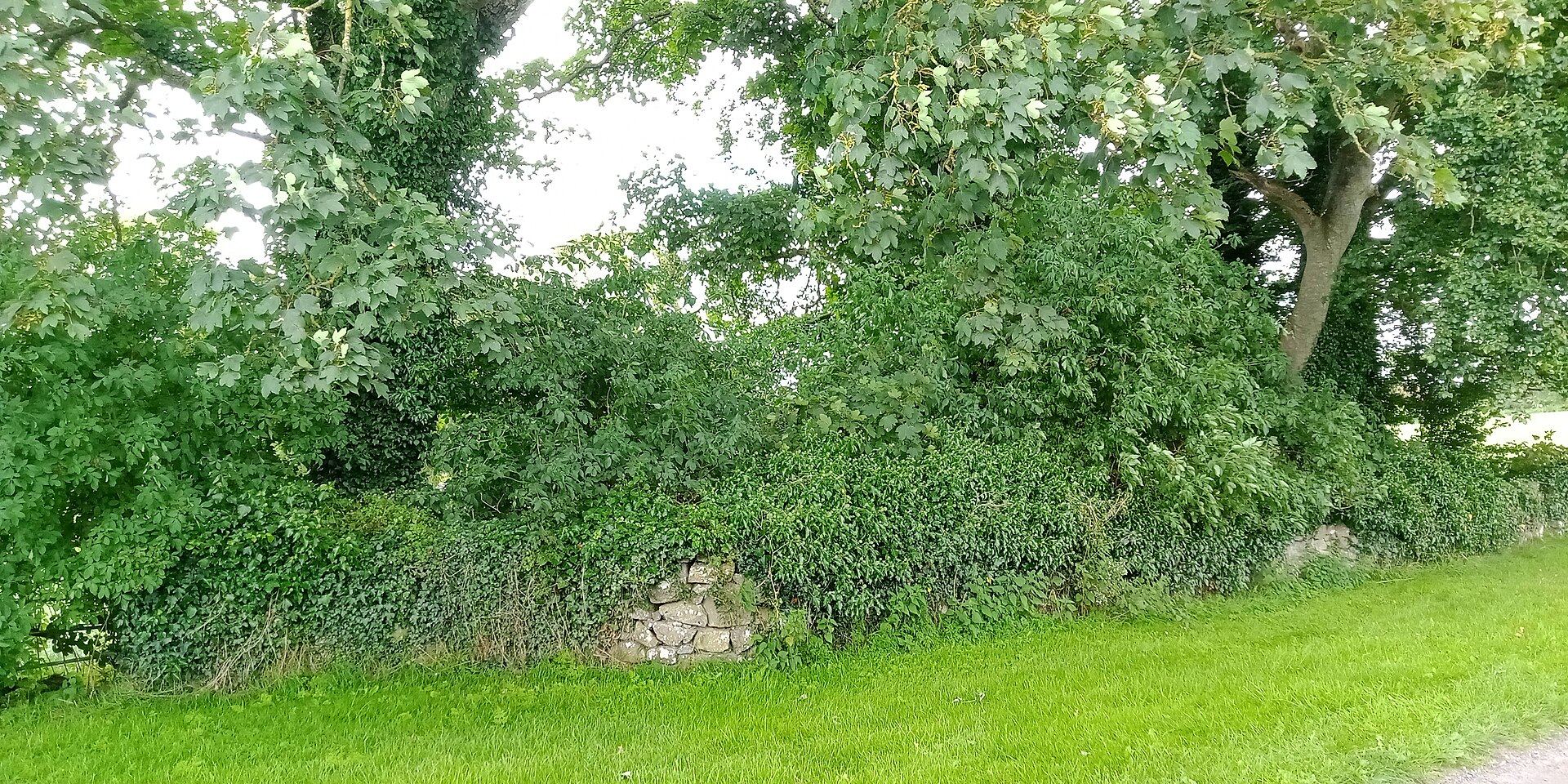
What happened next was remarkable. Schools moved outdoors. Teachers gathered students in fields, behind hedgerows, in barns, and beside ditches — anywhere they could stay out of sight. These were the hedge schools, or na scoileanna sceiche in Irish.
The name came not just from the hedges themselves, but from the practice of posting a lookout — a child or adult — to watch for soldiers or magistrates while the lesson continued below.
What Did They Actually Teach?
Here is where the story surprises most people. These were not basic reading lessons delivered in a field. Hedge school teachers — often extraordinarily learned men who had studied in Europe — taught a broad and ambitious curriculum.
Latin and Greek were standard. So was mathematics, bookkeeping, astronomy, and history. Classical literature, philosophy, and Irish poetry were woven into every lesson. A pupil from a poor rural family might learn more about Cicero and Virgil than the average English schoolboy.
The ambition was deliberate. The hedge school teachers believed that keeping knowledge alive was a form of resistance. Learning was how a people proved that their culture could not be erased.
Who Were the Teachers?
The fear léinn — the learned man — was a revered figure in every Irish community. Many hedge school masters had studied at Catholic colleges on the Continent, in places like Louvain, Paris, and Salamanca, returning to Ireland when formal institutions were closed to them at home.
They were paid in kind. A family might offer potatoes, eggs, or a bed for the night. Some teachers moved from parish to parish, staying nowhere long enough to attract attention. They carried their knowledge — and their books, often hidden inside clothing — from village to village.
Their standing in the community was high, even as their legal standing was nil. A hedge schoolmaster was trusted with the future of a family’s children in a way that carried enormous weight.
The Classrooms That Moved With the Seasons
In summer, lessons took place in fields and beside riverbanks. In winter, they shifted into barns, sheds, and the back rooms of sympathetic farmers. Some communities built small, low shelters — barely more than lean-tos — that could be quickly abandoned if soldiers came near.
The lessons had a rhythm shaped by agriculture. Children could not always attend during harvest. Teachers adjusted. Education fitted around survival, not the other way around.
No desk. No blackboard. Memory was the primary tool. Students learned to retain what they heard because writing materials were scarce. This placed enormous value on oral tradition — the same tradition carried by the wandering seanchaí who preserved Ireland’s history through the spoken word for generations before them.
☘️ Enjoying this? 64,000+ Ireland lovers get stories like this every week. Subscribe free →
The Legacy That Outlasted the Penal Laws
The Penal Laws were gradually dismantled from the 1770s onwards. By the time the National School System arrived in 1831, hedge schools had spread to every county in Ireland. Estimates suggest there were between 9,000 and 11,000 of them at their peak.
But the legacy runs deeper than numbers. The hedge school tradition established something in Irish culture that persisted long after the schools themselves disappeared — a deep and almost reverent attitude towards learning.
The children who sat behind those hedges grew up to become teachers, priests, doctors, lawyers, and the architects of a wider cultural revival. Many scholars and writers of the nineteenth century traced their roots directly back to a hedge school master who had taught them in a field.
Why This Story Still Resonates
Ireland today has one of the highest rates of third-level education in Europe. The country that once had to hide its schools in ditches now sends more of its young people to university than almost any of its neighbours. That did not happen by accident.
It was built, generation by generation, by teachers who thought learning was worth the risk — and by families who agreed with them.
If you are planning a trip to Ireland and find yourself walking through the quiet countryside — along the green fields of Connacht or the valleys of Munster — it is worth pausing for a moment. Somewhere near where you are standing, a teacher once gathered a group of children behind a hedge and taught them Latin while someone watched the lane above.
That is what Ireland is made of.
☘️ You Might Also Love
Tours & experiences you might love


Powered by Viator. Some links are affiliate links — we may earn a small commission at no extra cost to you.
Secure Your Dream Irish Experience Before It’s Gone!
Planning a trip to Ireland? Don’t let sold-out tours or packed attractions spoil your journey. Iconic experiences like visiting the Cliffs of Moher, exploring the Rock of Cashel, or enjoying a guided walk through Ireland’s ancient past often sell out quickly—especially during peak travel seasons.

Booking in advance guarantees your place and ensures you can fully immerse yourself in the rich culture and breathtaking scenery without stress or disappointment. You’ll also free up time to explore Ireland’s hidden gems and savour those authentic moments that make your trip truly special.
Make the most of your journey—start planning today and secure those must-do experiences before they’re gone!