

The Irish Shillelagh: Ireland’s Most Famous Walking Stick and Fighting Club
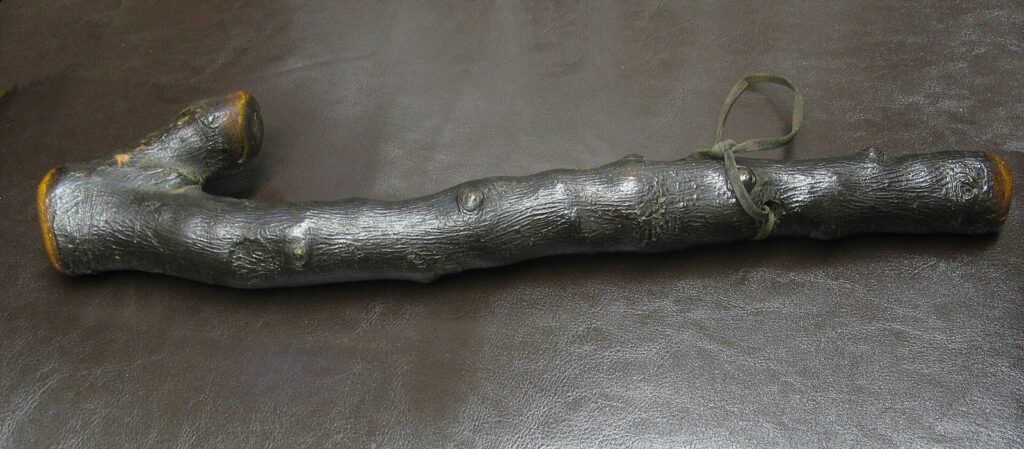
The Irish shillelagh is far more than just a simple walking stick; it is a powerful emblem of Irish heritage, tradition, and resilience. Rooted deeply in Irish history, the shillelagh has served as both a practical aid for travellers and a formidable weapon in times of conflict. Whether as a symbol of defiance or a cherished family heirloom, the shillelagh walking stick holds a special place in the hearts of the Irish diaspora worldwide. For those seeking a connection to the past or an understanding of Irish traditions, the shillelagh offers a fascinating glimpse into Ireland’s rich cultural tapestry.
The Origins and History of the Irish Shillelagh
The Irish shillelagh traditionally stems from the thick, hardy woods of Ireland, primarily blackthorn and oak. Its name is believed to originate from the Shillelagh forest in County Wicklow, a region renowned for its dense and durable timber. Historically, the shillelagh was crafted as an all-purpose tool – a walking stick for traversing Ireland’s rugged landscapes and a weapon for self-defence during turbulent times.
Dating back centuries, the shillelagh is intertwined with Irish history and folklore. It gained particular prominence during periods of social unrest, where it became a symbol of the common man’s resistance against oppression. The stick’s stout design and weight made it a practical and effective weapon in close combat. As such, the Irish shillelagh is not just an object but a representation of the country’s enduring spirit and struggle for freedom.
The Craftsmanship Behind the Shillelagh Walking Stick
Creating an authentic shillelagh is an art form that combines skill, tradition, and respect for natural materials. Traditionally, the best shillelaghs were made from blackthorn wood, prized for its strength and flexibility, while oak was also used for its durability. The wood would be carefully selected, cut, and then seasoned to ensure it did not warp over time.
Craftsmen would often carve the stick by hand, sometimes adding a knob or a crook handle for better grip. Many shillelaghs were finished with a coating of wax or oil to protect the wood and give it a polished look. Often, the making of a shillelagh was a community affair, passed down through generations, reinforcing the deep connection between the object and Irish traditions.
The Shillelagh in Irish Traditions and Culture
The shillelagh occupies a unique space in Irish traditions, serving as a symbol of identity and cultural pride. It is often seen in Irish celebrations, folk dances, and storytelling, where it represents strength and protection. The stick’s presence in traditional Irish music and dance, such as the “bataireacht” (stick fighting), highlights its dual role as both a weapon and a cultural artefact.
Moreover, the shillelagh has transcended its physical form to become a symbol of Irishness itself. This resonates strongly with the Irish diaspora, many of whom cherish the shillelagh as a tangible link to their ancestral homeland. Understanding this connection helps explain why Irishness is celebrated all over the world and why so many proudly display shillelaghs in their homes abroad.
The Irish Shillelagh Today: Symbol and Souvenir
In contemporary Ireland, the Irish shillelagh continues to be a popular symbol of heritage and pride. While it is no longer commonly used as a weapon, it remains a cherished walking stick and a sought-after souvenir for visitors and members of the diaspora alike. Many families treasure shillelaghs as heirlooms, linking generations through a shared respect for Irish history and identity.
Visitors to Ireland often find themselves drawn to the shillelagh’s story, whether exploring the grounds of Dublin Castle or wandering the Wicklow Mountains. The shillelagh stands as a reminder that, indeed, everyone is a little bit Irish at heart.
| Origin | Derived from the Shillelagh forest in County Wicklow |
| Primary Wood Types | Blackthorn and oak |
| Functions | Walking stick, fighting club, cultural symbol |
| Traditional Use | Self-defence and walking aid |
| Cultural Significance | Represents Irish identity and resilience |
Frequently Asked Questions About the Irish Shillelagh
What is the difference between a shillelagh walking stick and a regular walking stick?
A shillelagh walking stick is typically made from blackthorn or oak and is crafted with a heavier, more robust design. It often features a knobbed or hooked handle and is traditionally used both for walking support and as a means of self-defence, unlike regular walking sticks which primarily serve as mobility aids.
Why is the shillelagh considered a symbol of Irish identity?
The shillelagh embodies the spirit of Irish resilience and defiance, having been used historically as a weapon during times of social and political unrest. Beyond its practical use, it has become a cultural icon representing Irish traditions, heritage, and pride.
Are shillelaghs still used in Ireland today?
While they are no longer commonly used as weapons, shillelaghs remain popular as walking sticks and cultural symbols. Many Irish people and visitors collect them as souvenirs or family heirlooms, preserving their historical significance.
Where can I buy an authentic Irish shillelagh?
Authentic shillelaghs can be purchased in Ireland, especially in heritage shops, markets, and craft stores. Some traditional makers still handcraft shillelaghs using time-honoured methods, particularly in regions like Wicklow.
What role does the shillelagh play in Irish martial arts?
The shillelagh is central to the traditional Irish martial art known as bataireacht or Irish stick fighting, where it is used in combat training and demonstrations that celebrate Irish fighting techniques.
Plan Your Ireland Experience
Ready to experience Ireland for yourself? Book a Dublin history walking tour and create memories that will last a lifetime.
Read Next
New to the subject? Start with what is a shillelagh.
See how a blackthorn shillelagh is made, from start to finish.
Conclusion: Embracing the Legacy of the Irish Shillelagh
The Irish shillelagh is much more than a simple walking stick or fighting club; it is a profound symbol of Ireland’s history, culture, and enduring spirit. From its origins in the forests of Wicklow to its place in traditional martial arts and Irish celebrations, the shillelagh connects past and present in a uniquely Irish way. For the Irish diaspora, it represents a cherished link to their roots and a reminder that everyone is a little bit Irish no matter where they call home. Whether displayed proudly at home or carried on a walk through the Irish countryside, the shillelagh continues to inspire and unite those who appreciate the rich tapestry of Irish traditions and history.
☘️ You Might Also Love
☘️ Want More Hidden Ireland?
Join 64,000+ subscribers who discover Ireland’s best-kept secrets every week.
Subscribe Free — Join the Community →
Free forever · Unsubscribe anytime · No spam
📥 Free Download: Ireland Travel Planning Guide
Our most popular resource — itineraries, insider tips, and the 50 places you must not miss.
Tours & experiences you might love


Powered by Viator. Some links are affiliate links — we may earn a small commission at no extra cost to you.
Secure Your Dream Irish Experience Before It’s Gone!
Planning a trip to Ireland? Don’t let sold-out tours or packed attractions spoil your journey. Iconic experiences like visiting the Cliffs of Moher, exploring the Rock of Cashel, or enjoying a guided walk through Ireland’s ancient past often sell out quickly—especially during peak travel seasons.

Booking in advance guarantees your place and ensures you can fully immerse yourself in the rich culture and breathtaking scenery without stress or disappointment. You’ll also free up time to explore Ireland’s hidden gems and savour those authentic moments that make your trip truly special.
Make the most of your journey—start planning today and secure those must-do experiences before they’re gone!