

County Offaly sits in the heart of Ireland, and it holds what many historians consider the most important early Christian site in the entire country. From the sixth-century monastic ruins of Clonmacnoise beside the River Shannon to the Victorian telescope at Birr Castle that was once the most powerful in the world, Offaly rewards visitors who take the time to look beyond the more famous counties on Ireland’s edges. This complete guide covers the best things to do in Offaly, how to get there, and when to visit.
Offaly covers 2,000 square kilometres of midland Ireland. It is not on the Wild Atlantic Way and it does not have sea cliffs or ocean beaches. What it does have is history so old and so deep that it changes how you think about this island. Plan your trip with our complete Ireland planning guide before you go.
Clonmacnoise: Ireland’s Greatest Early Christian Site
St Ciarán founded the monastery at Clonmacnoise in 544 AD. He died young, in his early thirties, but the site he chose was extraordinary. It sat at the intersection of two of Ireland’s most important routes: the River Shannon running north to south, and the Esker Riada, the ancient gravel ridge road that crossed Ireland from east to west. Pilgrims, merchants, and scholars came here for a thousand years.
By the eighth century, Clonmacnoise was one of the most important centres of learning in medieval Europe. Monks here wrote and copied manuscripts, including annals that are still primary sources for Irish history today. Kings of Connacht and the High Kings of Ireland were buried within its walls. The monastery was raided by Vikings several times between the 8th and 12th centuries — and still it endured.
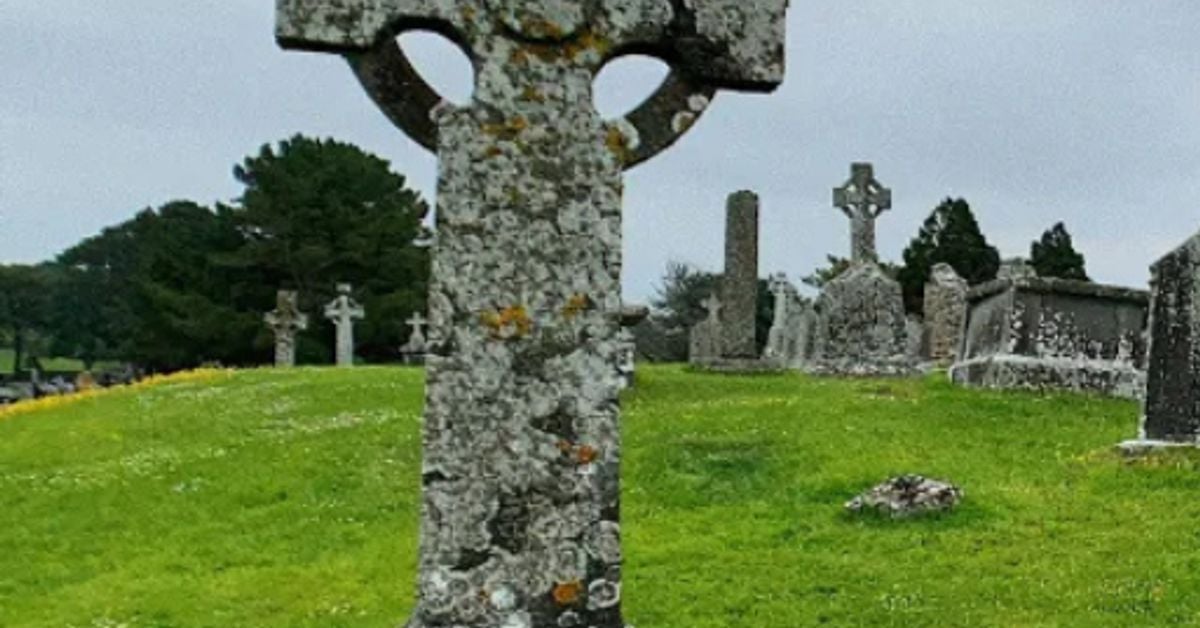
What survives today is remarkable. Within the enclosure, you will find a cathedral, nine church ruins, two round towers, three high crosses, and over 700 early Christian grave slabs — the largest collection of early medieval grave slabs in Western Europe. The high crosses, including the Cross of the Scriptures carved in the 10th century, are housed in the on-site visitor centre to protect them from weathering. Replicas stand in their original positions outdoors.
Stand at the site on a quiet morning and look across the Shannon into Connaught. The view has not changed much in fifteen centuries. Entry to Clonmacnoise costs €8 for adults and €4 for children (2026 prices). It is open year-round, though hours vary by season. Allow at least 90 minutes.
Birr Castle and Demesne
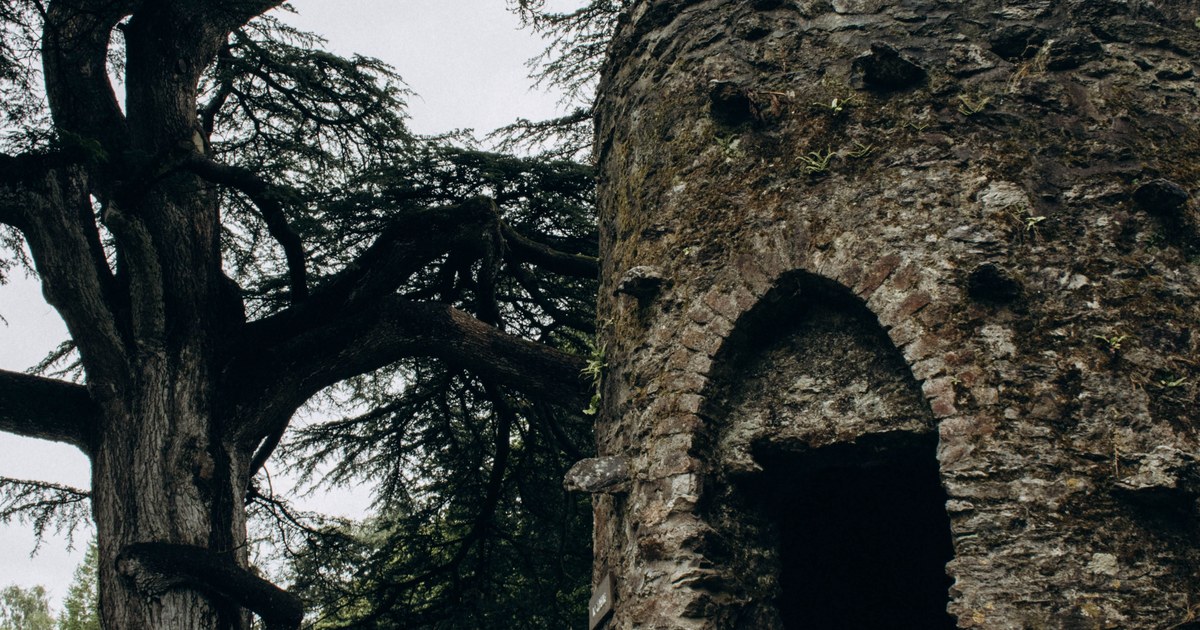
Birr Castle has been the home of the Parsons family — the Earls of Rosse — since 1620. The demesne covering 53 acres is open to the public and contains one of the finest collections of rare trees and plants in Ireland. But the real reason to visit is the telescope.
In 1845, William Parsons, the 3rd Earl of Rosse, completed construction of a telescope with a 72-inch diameter mirror. It was the largest telescope in the world, and it remained so until 1917 — a reign of 72 years. Using it, Lord Rosse became the first person to identify the spiral nature of what we now call galaxies, which he called “spiral nebulae.” The telescope, known as the Leviathan of Parsonstown, has been restored to working order and stands in the castle grounds today.
The castle itself is not open to the public (it remains the family home), but the grounds and the Science Centre within them absolutely are. The Science Centre tells the story of the telescope and the remarkable scientific achievements of the Parsons family across three generations. The walled gardens are equally impressive, with box hedges that hold the Guinness World Record for the tallest in the world, at around 11 metres.
Birr town itself is one of Ireland’s Heritage Towns. Its Georgian streetscape is unusually well-preserved, and the town has a pleasant selection of cafés and restaurants if you want to spend an afternoon here. Entry to Birr Castle Demesne costs €12 for adults and €7 for children (2026 prices).
Charleville Castle
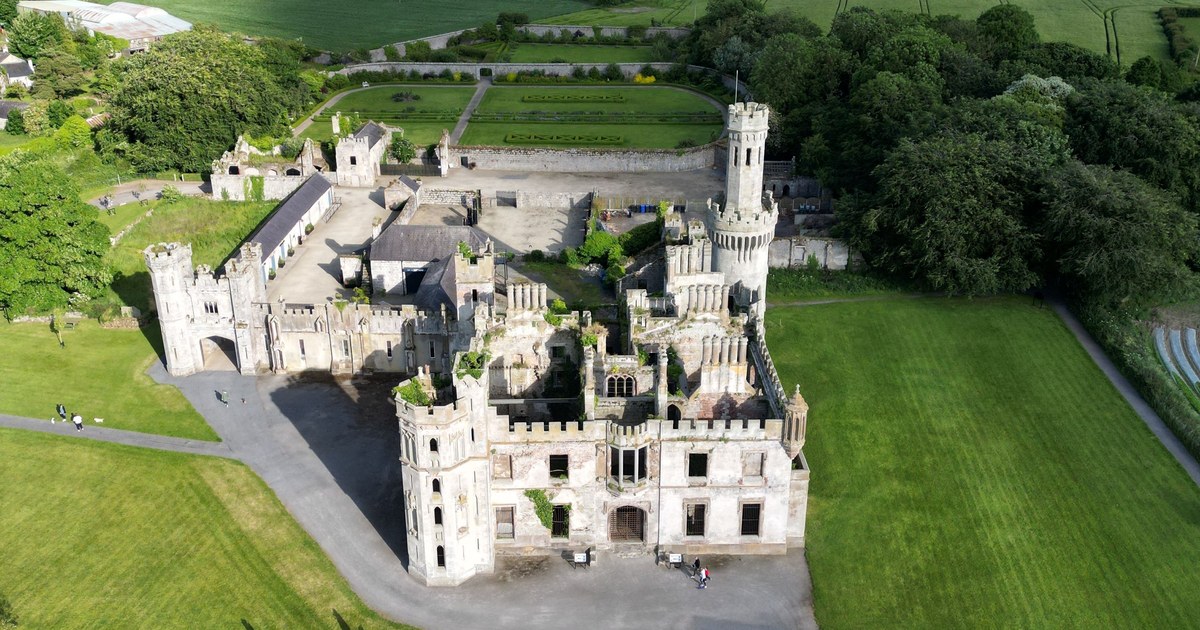
Charleville Castle near Tullamore is one of the finest examples of Gothic Revival architecture in Ireland. It was built in 1812 for the 1st Earl of Charleville, and the architect was Francis Johnston — the same man who designed the General Post Office on O’Connell Street in Dublin. The building is extraordinary: turrets, battlements, pointed arches, and vaulted ceilings that belong to a medieval fantasy.
The castle is open for guided tours and has a reputation as one of Ireland’s most haunted buildings. Whether or not you believe the stories, the atmosphere inside is undeniable. A dedicated group of volunteers has been restoring the building for decades after it fell into serious disrepair during the twentieth century. Tours run on weekends and during summer months — check availability before visiting, as opening times change seasonally.
Charleville also has extensive woodland grounds. The ancient oak forest surrounding the castle is said to be one of the oldest in Ireland. Walking through it to approach the building from the gate is an experience on its own. Official info: en.wikipedia.org/wiki/Charleville_Castle.
The Slieve Bloom Mountains
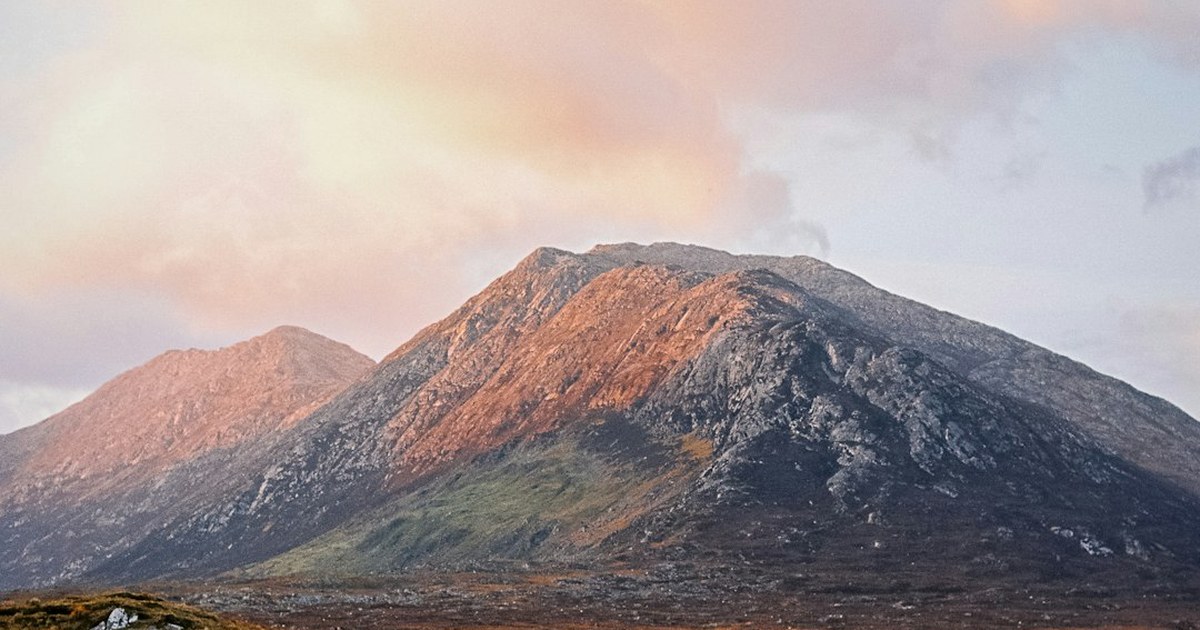
The Slieve Bloom Mountains straddle the border between Offaly and Laois. They are not dramatic mountains by international standards — the highest point, Arderin, reaches 527 metres — but they offer something the rest of the midlands does not: height, perspective, and solitude.
The Slieve Bloom Way is a 77-kilometre circular waymarked trail that circumnavigates the range. It passes through forests, over moorland, and along river valleys, with occasional views across the flat midland plains below. Most walkers complete it in sections over multiple days, but individual sections work well for half-day walks. The route starts and finishes at Kinnitty village in Offaly.
The mountains are quiet. You are unlikely to encounter more than a handful of other walkers on any given day. That is part of the appeal. Kinnitty Castle, now operating as a hotel, sits at the foot of the range and makes a good base for exploring the area.
☘️ Enjoying this? 64,000+ Ireland lovers get stories like this every week.
Thinking about it seriously?
If you’ve started actually planning a move, our complete the full Move to Ireland guide walks through every step, every cost, and the paperwork that catches most people out.
Subscribe free →
Banagher and the River Shannon
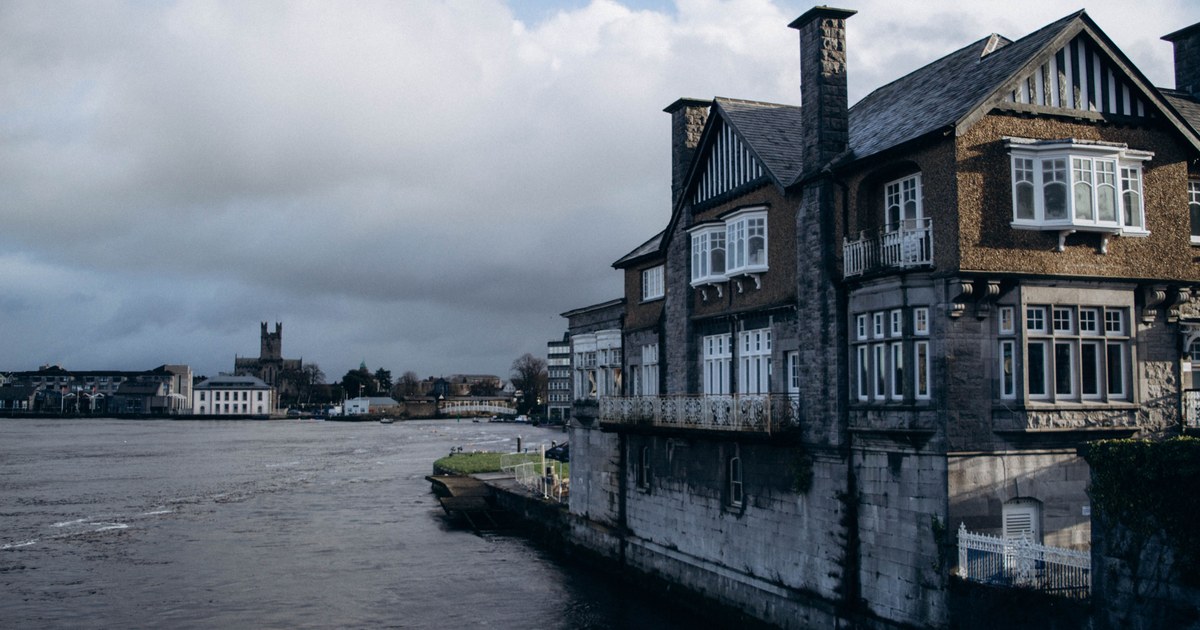
Banagher is a small town on the west bank of the Shannon in County Offaly. Anthony Trollope, the Victorian novelist, lived here in the 1840s while working as a Post Office surveyor — locals will tell you this with some pride. Charlotte Brontë honeymooned nearby. The town’s literary connections are modest but real.
What makes Banagher worth visiting is the Shannon itself. The river here is wide, slow, and lined with reeds and willows. It is a working waterway — cabin cruisers and narrow boats pass through regularly during the summer months. Walking along the towpath or hiring a boat for a few hours gives you a completely different perspective on the Irish midlands. The Shannon is 360 kilometres long and the longest river in Ireland and Britain. At Banagher, you feel its scale.
The town has a good marina and a handful of pubs and restaurants that serve fresh river fish. It is an unhurried place. If you are driving through Offaly and need a lunch stop, this is a good choice.
Clara Bog National Nature Reserve
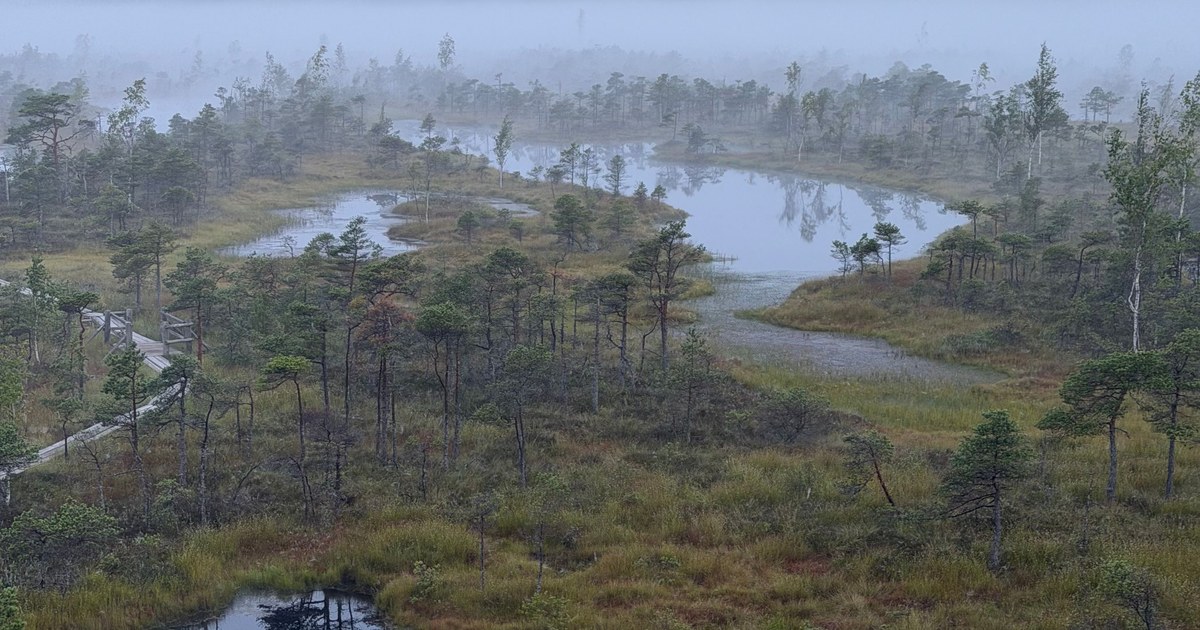
Clara Bog is one of the most significant intact raised bogs remaining in Western Europe. It covers 460 hectares near the town of Clara and is a National Nature Reserve. Much of Ireland’s bogland was cut for turf or drained for agriculture during the twentieth century. Clara survived largely intact and is now internationally important.
A boardwalk trail runs across the bog for about 1 kilometre. Walking it, you are essentially walking on a living organism — a sponge of sphagnum moss, heather, and cotton grass that has been accumulating for over 10,000 years. The colours change through the seasons: deep rust-red in autumn, pale green in spring. The silence is total.
The bog is free to visit and open year-round. An information panel at the start of the boardwalk explains the ecology. It takes about 20 to 30 minutes to walk the full loop. Clara town itself has a few shops and a café if you want refreshments before or after.
Tullamore and the Tullamore D.E.W. Experience
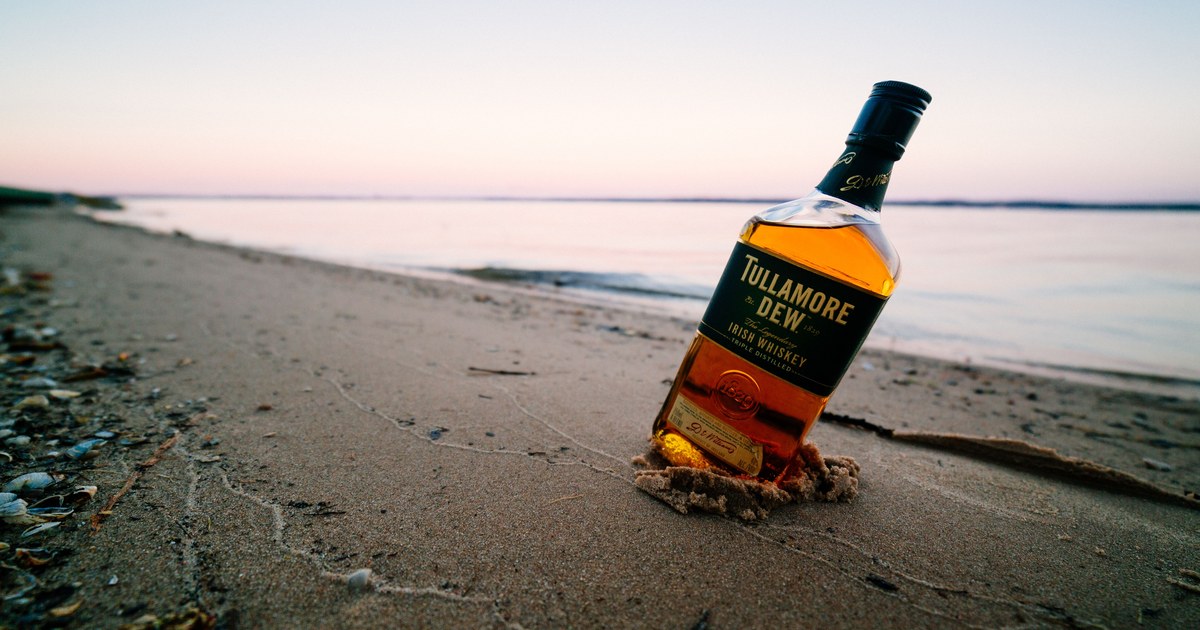
Tullamore is the county town of Offaly and home to the Tullamore D.E.W. Heritage Centre. The whiskey brand has been associated with the town since the 1820s, and the Heritage Centre on Bury Quay tells the story of Irish whiskey production through the lens of one of its most famous brands. The centre includes a guided tour, a tasting session, and a well-stocked shop. Ticket tiers vary by experience — check tullamoredew.com for current pricing before you go.
Tullamore also sits on the Grand Canal, which ran from Dublin to the Shannon and was one of the great engineering projects of the eighteenth century. Walking along the towpath east of the town is a pleasant way to spend an hour, particularly in the early evening when the light is good.
How to Get to Offaly
Tullamore, the county town, is 101 kilometres from Dublin and takes about 90 minutes by car via the M6 motorway. There is also a direct train from Dublin Heuston Station to Tullamore, with the journey taking approximately 80 minutes. Birr is a further 37 kilometres southwest of Tullamore via the N52.
Offaly is a good day trip from Dublin, though two days allows you to see Clonmacnoise, Birr Castle, and the Slieve Bloom Mountains without rushing. It also combines well with neighbouring County Tipperary — the Rock of Cashel is about an hour’s drive south of Birr. If you are moving west, County Galway is accessible in under two hours from Clonmacnoise. For more on the county, see our complete County Offaly things-to-do guide, or see hours, prices, and Leap Castle in our full Offaly guide.
When to Visit Offaly
Offaly’s midland location means it avoids the worst of Ireland’s Atlantic weather. Rain is still a regular visitor, but the county sees less of it than the west coast counties. Summer (June to August) is the best time to visit for reliable weather and the longest daylight hours. Clonmacnoise in the evening light of a June day is one of Ireland’s great quiet experiences.
Spring (April and May) is excellent for the Slieve Bloom Mountains — the heather and bog plants are at their most vibrant. Autumn (September and October) brings good colours to the Charleville Castle woodland and the Slieve Blooms. Winter visits to Clonmacnoise are perfectly possible — the site is rarely crowded, and the low winter light on the old stones is striking.
What is Offaly best known for?
Offaly is best known for Clonmacnoise, the sixth-century monastic site on the River Shannon that was one of the most important centres of learning in medieval Europe. The county is also known for Birr Castle and its historic 72-inch Great Telescope, which was the world’s largest from 1845 to 1917.
How far is Offaly from Dublin?
Tullamore, the county town of Offaly, is approximately 101 kilometres from Dublin and takes around 90 minutes by car via the M6 motorway. Direct trains from Dublin Heuston to Tullamore take approximately 80 minutes. Clonmacnoise is a further 38 kilometres northwest of Tullamore.
Is Offaly worth visiting?
Offaly is well worth visiting for anyone interested in Irish history, heritage, and nature. Clonmacnoise alone is one of the most significant historical sites in Ireland. Combined with Birr Castle, the Slieve Bloom Mountains, and Clara Bog, Offaly offers a full itinerary for one to two days that most visitors to Ireland never discover.
What is the best time to visit Clonmacnoise?
The best time to visit Clonmacnoise is early morning or late evening in summer, when the site is quiet and the light on the ancient stones is at its most atmospheric. Visiting midweek reduces crowds further. The site is open year-round, though hours are reduced in winter — check the OPW website before travelling.
📲 Know someone who’d love this? Share on WhatsApp →
Love more? Join 43,000 Scotland lovers → · Join 29,000 Italy lovers → · Join 7,000 France lovers →
Free forever · Unsubscribe anytime
Tours & experiences you might love


Powered by Viator. Some links are affiliate links — we may earn a small commission at no extra cost to you.
Secure Your Dream Irish Experience Before It’s Gone!
Planning a trip to Ireland? Don’t let sold-out tours or packed attractions spoil your journey. Iconic experiences like visiting the Cliffs of Moher, exploring the Rock of Cashel, or enjoying a guided walk through Ireland’s ancient past often sell out quickly—especially during peak travel seasons.

Booking in advance guarantees your place and ensures you can fully immerse yourself in the rich culture and breathtaking scenery without stress or disappointment. You’ll also free up time to explore Ireland’s hidden gems and savour those authentic moments that make your trip truly special.
Make the most of your journey—start planning today and secure those must-do experiences before they’re gone!
Subscribe Free